How to Choose Tent Stakes: Expert Tips for Secure Camping
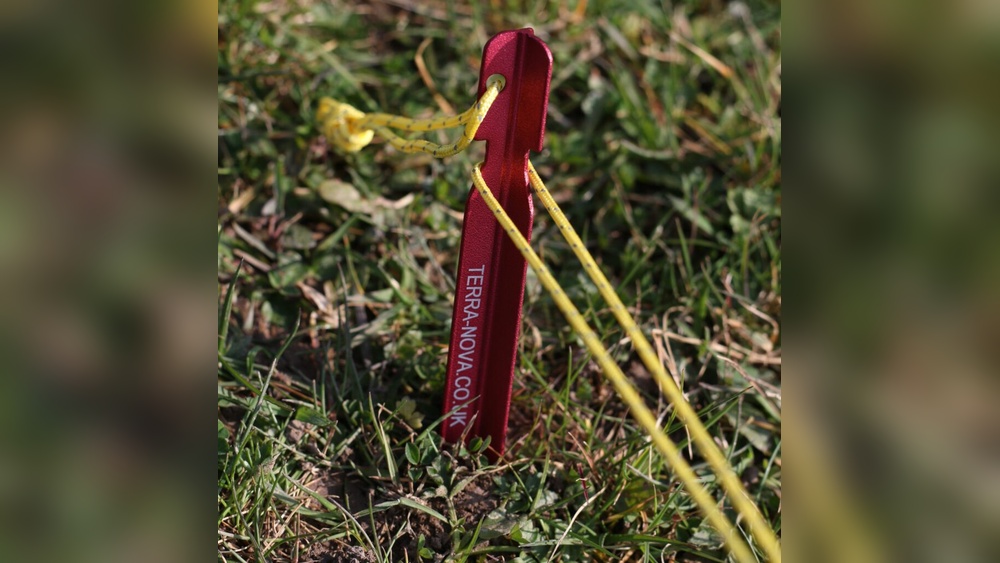
Choosing the right tent stakes can make all the difference between a comfortable night under the stars and a frustrating struggle with your gear. You want your tent to stay secure, no matter if you’re camping on rocky soil, sandy beaches, or snowy fields.
But with so many types, shapes, and materials out there, how do you know which stakes are best for your adventure? In this guide, you’ll discover simple, clear advice that helps you pick the perfect tent stakes tailored to your terrain and needs.
Keep reading to learn how to keep your tent firmly grounded and enjoy your outdoor experience without worry.
Terrain Types
Choosing the right tent stakes depends heavily on the terrain you will camp on. Different ground types need different stakes for the best hold. Using the wrong stakes can lead to a loose tent or damage to the stakes. Understanding the terrain helps pick stakes that keep your tent secure and stable. Below are common terrain types and the best stakes for each.
Hard And Rocky Ground
Hard, rocky ground demands strong and durable stakes. Thick steel stakes resist bending and breaking on tough surfaces. Y-shaped stakes with reinforced designs offer extra strength. Avoid thin or lightweight stakes as they bend easily. Drive stakes carefully to avoid hitting large rocks. Heavy-duty stakes hold better and keep your tent stable in hard ground.
Sand And Snow
Sand and snow require stakes with a wide surface area. Wide, curved aluminum stakes distribute pressure and prevent sinking. Specialized snow stakes, often longer and flatter, increase grip in soft, loose terrain. Plastic snow stakes work well but may not last long. Use stakes designed for sand or snow to keep your tent from sliding or collapsing.
Loose Soil And Mud
Loose soil and mud need longer stakes for deeper anchoring. Screw-in anchors create a tight grip in soft ground. Longer stakes reach firmer soil layers below the surface. Lightweight stakes often fail in mud or loose dirt. Using screw-in or longer metal stakes prevents your tent from shifting or pulling out.
General Use
For general camping, Y-shaped stakes work best on most soils. These stakes balance strength and weight well. Aluminum or titanium Y-stakes are lightweight and strong. They handle moderate wind and hold in many soil types. Carry extra stakes in case terrain varies. Y-stakes provide reliable support for casual campers on mixed terrain.
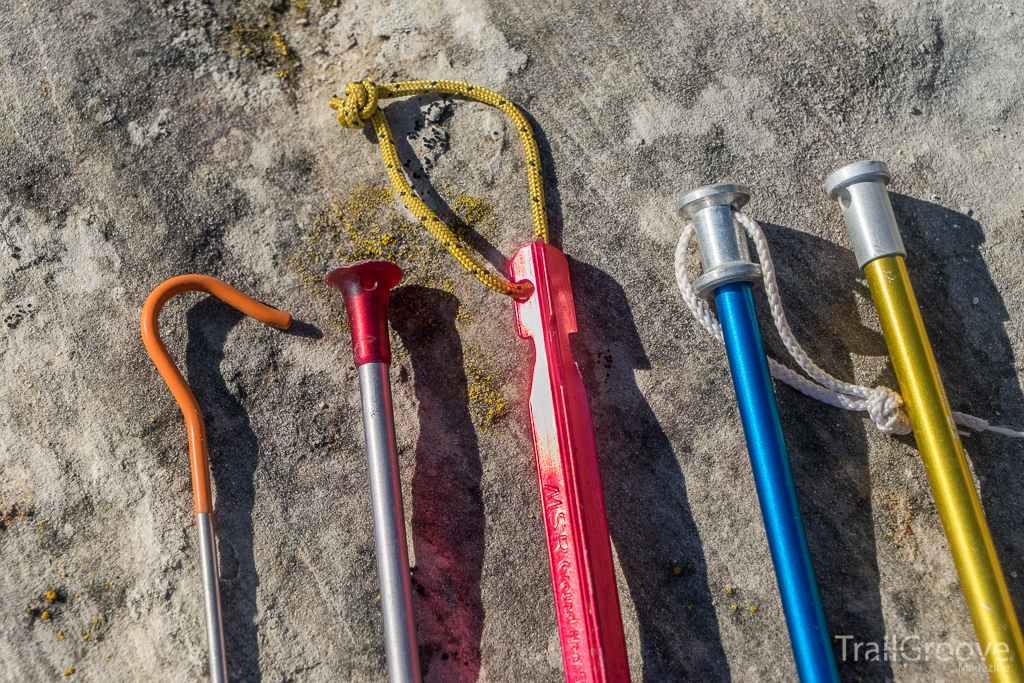
Credit: www.trailgroove.com
Materials
Choosing the right material for tent stakes affects their strength, weight, and durability. Each material has unique benefits and suits different camping needs. Understanding these materials helps pick stakes that hold well and last long.
Steel Stakes
Steel stakes are strong and tough. They work well in hard or rocky ground. Steel resists bending and breaking under pressure. These stakes are heavier, so they add weight to your gear. They do not rust easily if coated but can corrode in wet conditions.
Aluminum Stakes
Aluminum stakes are lightweight and rust-resistant. They are easy to carry on long hikes. These stakes work best in soft or loose soil. Aluminum is less strong than steel but bends before breaking. They offer a good balance between weight and durability.
Titanium Stakes
Titanium stakes combine strength and lightness. They weigh less than steel but are very strong. Titanium resists rust and corrosion perfectly. These stakes cost more but last many camping trips. Ideal for serious backpackers who want durable, light gear.
Carbon Fiber Stakes
Carbon fiber stakes are extremely light and strong. They do not rust or corrode. These stakes are often used by ultralight campers. Carbon fiber can be brittle and break if bent too much. Best for soft or moderate soil conditions.
Stake Shapes
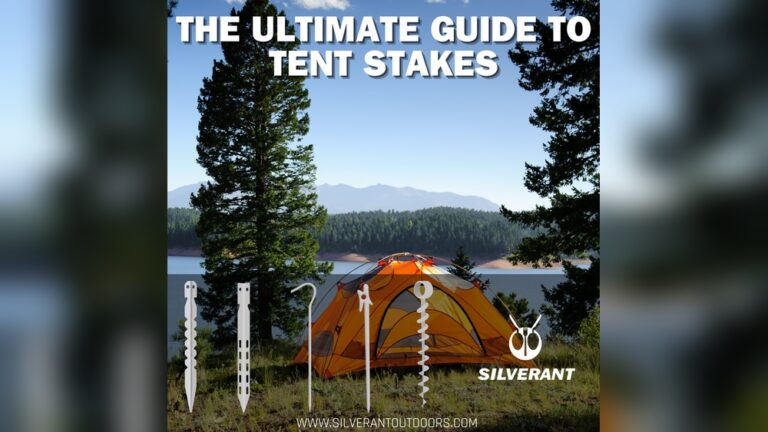
Choosing the right tent stakes depends a lot on their shape. Different shapes hold better in different soils. Knowing these shapes helps you pick stakes that keep your tent secure. Stakes come in many forms, each with unique benefits. Let’s look at four common shapes and how they work.
Y-shaped Stakes
Y-shaped stakes are strong and stable. Their wide shape grips soil well. These stakes work great in soft or medium soil. They resist bending and pull-out easily. Lightweight aluminum Y-stakes are popular for backpackers. Their design holds tents firmly during wind.
V-shaped Stakes
V-shaped stakes are simple and sharp. They penetrate hard or rocky ground better. These stakes hold well in compacted soil. They are usually made from steel for strength. V-stakes are easy to drive deep into the earth. Their slim shape makes them quick to set up.
Pin Or Nail Stakes
Pin or nail stakes are thin and straight. They suit firm soil and grass. These stakes are lightweight and simple. They can be less stable in loose or sandy soil. They work well for small tents or tarps. Carry extra if using them in soft ground.
Shepherd’s Hook Stakes
Shepherd’s hook stakes curve at the top like a hook. This shape holds guy lines firmly. They are good for medium soil types. The hook shape prevents ropes from slipping off. Made from steel or aluminum, they balance strength and weight. Their shape also makes removal easy.
Credit: www.rei.com
Size And Length
Choosing the right size and length of tent stakes is crucial for a stable tent setup. Stakes that are too short may not hold well in the ground. Stakes that are too long can be heavy and hard to carry. The size and length depend on the soil type and tent size.
Longer stakes provide better grip in soft or loose soil. Shorter stakes work fine in hard or rocky ground but may need to be thicker. A good rule is to pick stakes at least one-third the depth of the soil you expect to camp in.
How Length Affects Holding Power
Long stakes reach deeper into the soil and resist pulling out. They hold better in sandy, muddy, or snowy conditions. Short stakes may slip out easily in these terrains. For firm ground, shorter stakes can still provide strong support.
Choosing Size Based On Tent Type
Smaller tents need shorter, lighter stakes for easy packing. Larger tents require longer, stronger stakes to secure heavy fabric and withstand wind. Always check your tent’s instructions for recommended stake size.
Balancing Weight And Strength
Long and thick stakes offer strength but add weight. Lightweight materials like aluminum help reduce pack load. Consider your trip length and terrain to balance the stake’s size with your carrying comfort.
Driving Angle
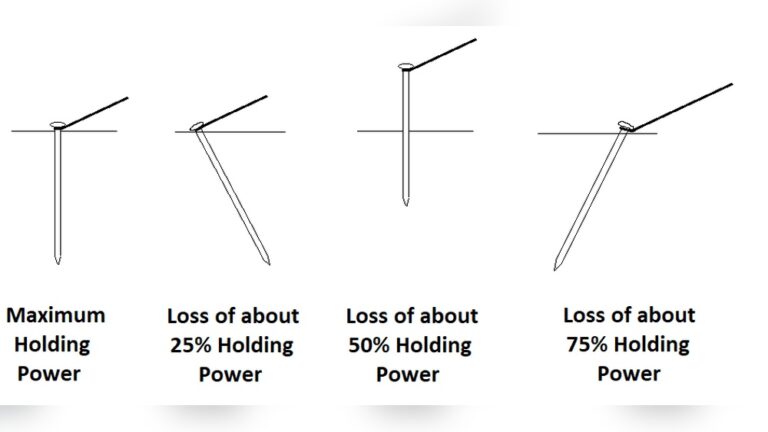
Driving angle is a key factor when setting up tent stakes. It affects how well the stake holds in the ground. The right angle increases stability and prevents stakes from pulling out. This is important during strong winds or on loose soil.
Correct driving angle helps the stake resist force from the tent’s guy lines. It ensures the stake stays firmly anchored. Incorrect angles can cause stakes to loosen or bend. This can lead to tent collapse or damage.
Optimal Angle For Tent Stakes
Drive tent stakes at about a 45-degree angle away from the tent. This angle directs force into the ground, not outward. It improves the stake’s grip and reduces chances of slipping. Stakes driven straight down often offer less resistance.
Adjusting Angle For Different Soils
In soft soil, a low angle near 30 degrees works best. It increases surface contact and grip. In hard or rocky soil, a steeper angle around 60 degrees helps penetrate deeper. Adjust the angle based on terrain for maximum hold.
Tools For Driving Stakes At Correct Angle
Use a mallet or hammer with a flat face to drive stakes. Hold the stake steady at the right angle before tapping. Some campers mark a 45-degree line on stakes to guide placement. Practicing proper technique ensures a secure setup.
Durability Tips
Durability is key when selecting tent stakes. Strong stakes hold your tent firmly against wind and rain. Durable materials resist bending and breaking during use. Choose stakes that last through many camping trips. Pay attention to the stake’s material and design. These factors affect how well stakes withstand tough terrain and weather.
Durable tent stakes save money by reducing replacements. They also provide safety by keeping your tent stable. Consider the environment you camp in most often. Match your stakes to the soil and weather conditions for best results.
Material Matters For Long-lasting Stakes
Steel stakes offer excellent strength and durability. They resist bending in rocky or hard soil. Aluminum stakes are lightweight and rust-resistant. Ideal for soft to medium soil but can bend easily. Titanium stakes combine light weight with strong durability. They cost more but last longer and perform well in tough conditions.
Design Shapes That Boost Durability
Y-shaped stakes grip soil firmly and resist pulling out. Their shape spreads pressure evenly, reducing bending. V-shaped stakes are simple but can bend under heavy load. Screw-in stakes provide strong hold in loose or sandy soil. Their spiral design digs deep for stability.
Check For Rust Resistance
Rust weakens metal stakes over time. Look for stakes made with rust-proof coatings or materials. Stainless steel resists rust but may weigh more. Anodized aluminum also prevents corrosion. Keep stakes dry and clean after use to extend life.
Test Stakes Before Your Trip
Try driving stakes into similar soil at home. Notice if they bend or break easily. Check how deep they go and how tightly they hold. Testing helps avoid weak stakes on the trail. Replace any stakes that feel flimsy or damaged.
Removal Tips
Removing tent stakes can be tricky, especially after a long camping trip. Proper removal helps protect your stakes and the ground. It also saves effort and prevents damage to your tent or gear. Follow simple steps for easy and safe stake removal.
Loosen The Stake By Wiggling
Start by gently wiggling the stake side to side. This loosens soil grip around the stake. Avoid pulling straight up right away. Wiggling reduces soil resistance. It helps the stake come out smoothly without bending.
Use A Stake Puller Or Pliers
Use a stake puller tool or sturdy pliers for better grip. Place the tool at the stake’s head. Pull slowly and steadily. Do not yank forcefully to avoid breaking the stake. Tools give more leverage to ease removal.
Clear Soil Around The Stake
Remove dirt packed tightly around the stake base. Use a small shovel or your hands. Clearing soil reduces pressure on the stake. It makes pulling out easier. Take care not to damage the stake or tent ropes.
Protect Your Hands And Tools
Wear gloves to protect your hands from cuts or blisters. Use tools designed for stake removal. Avoid using rocks or hard objects that can slip. Safety helps prevent injuries during stake removal.
Check For Damage Before Storing
After removal, check stakes for bends or cracks. Straighten bent stakes carefully with a rock or hammer. Clean off mud and dry them before storage. Good care extends stake life and performance.
Specialized Stakes
Specialized stakes provide extra security for unique camping spots. These stakes fit specific soils and conditions. Using the right type keeps your tent steady and safe. Some stakes work best in soft sand or snow. Others hold firm in rocky or loose soil. Choosing specialized stakes improves your camping experience.
Screw-in Anchors
Screw-in anchors twist into the ground like a giant screw. They work well in soft or loose soil. These stakes dig deep and resist pull-out forces. Their spiral design grips the earth tightly. They are easy to install with a simple twist. Screw-in anchors often come with a handle for quick use. They provide strong hold even in windy conditions.
Wide Surface Stakes
Wide surface stakes have a broad, flat design. They spread the load over a larger area of ground. This stops them from sinking in soft sand or snow. Their shape creates more friction with the surface. These stakes are usually light and easy to carry. Wide stakes keep tents steady on unstable surfaces. They prevent your tent from shifting or collapsing.
Packing Extras
Packing extras for your tent stakes is smart camping. Carrying a few spare stakes helps prepare for unexpected ground conditions. You might reach a campsite with rocky or soft soil that challenges your stakes. Extra stakes ensure your tent stays secure in all situations. It is a simple step that improves safety and comfort.
Packing Extra Stakes For Different Soils
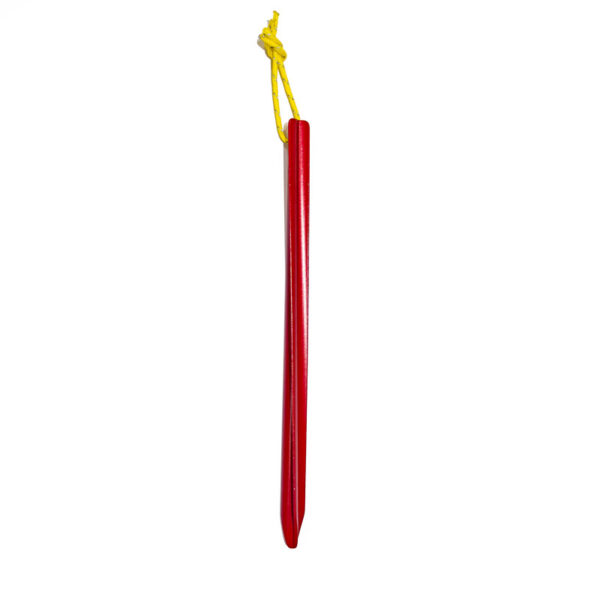
Include a variety of stakes to match soil types. Heavy steel stakes work well on rocky ground. Lightweight aluminum Y-stakes suit general camping and firm soil. Wide, flat stakes hold better in sand or snow. Screw-in anchors help in loose or muddy earth. This mix covers almost any terrain you may face.
Bringing Spare Stakes For Windy Conditions
Wind can loosen tent stakes quickly. Carry extra stakes to reinforce your tent corners. Use longer or more robust stakes to increase grip. Replace any bent or damaged stakes immediately. Having backups keeps your tent stable and prevents accidents during storms.
Storing And Organizing Your Extra Stakes
Keep extra stakes in a separate bag or pouch. This prevents losing them among other gear. Label the bag so you can find it easily. Store stakes dry to avoid rust and damage. Organized storage saves time and hassle at the campsite.
Credit: 3fulgear.com
Frequently Asked Questions
What Size Tent Stakes Do I Need?
Choose tent stakes 6-8 inches long for general use. Use heavy steel for rocky ground, wide aluminum for sand or snow, and longer stakes for loose soil. Y-shaped stakes offer strong, versatile holding power in most terrains. Select material based on weight and durability needs.
How Do You Choose The Right Tent Pegs?
Choose tent pegs based on terrain and material. Use steel for rocky ground, wide aluminum for sand or snow, and Y-shaped pegs for versatility. Prioritize lightweight aluminum or titanium for backpacking. Select length and shape for secure grip, ensuring pegs suit soil type and weather conditions.
How Do I Know What Tent Poles I Need?
Check your tent’s manual or measure existing poles for length and diameter. Match pole material and shape to tent style and terrain. Choose durable materials like aluminum or fiberglass for most tents. Ensure pole sections fit securely and support the tent’s structure.
Should Tent Stakes Be Vertical Or Angled?
Tent stakes should be driven into the ground at a 45-degree angle, pointing away from the tent for maximum hold. Angled stakes resist tension better than vertical ones, preventing them from pulling out easily under wind or stress. This method ensures stronger tent stability.
Conclusion
Choosing the right tent stakes improves your camping experience greatly. Match stakes to the ground type for best hold. Lightweight aluminum or titanium stakes suit most soils. Use specialized stakes for sand, snow, or rocky terrain. Consider stake shape and length for extra grip.
Carry extra stakes for unexpected ground conditions. Proper stakes keep your tent secure and stable. Simple steps lead to safer, more comfortable camping trips. Select wisely, and enjoy your outdoor adventures with confidence.

I am an outdoor enthusiast and gear researcher passionate about camping, hiking, backpacking, and outdoor adventures. I enjoy testing gear, comparing products, and sharing practical advice to help readers make informed decisions. At BestOutsideGear, I create honest gear reviews, buying guides, and outdoor tips to help adventurers choose the right equipment with confidence.