How to Use Camping Hammock: Ultimate Guide for Cozy Outdoor Relaxation
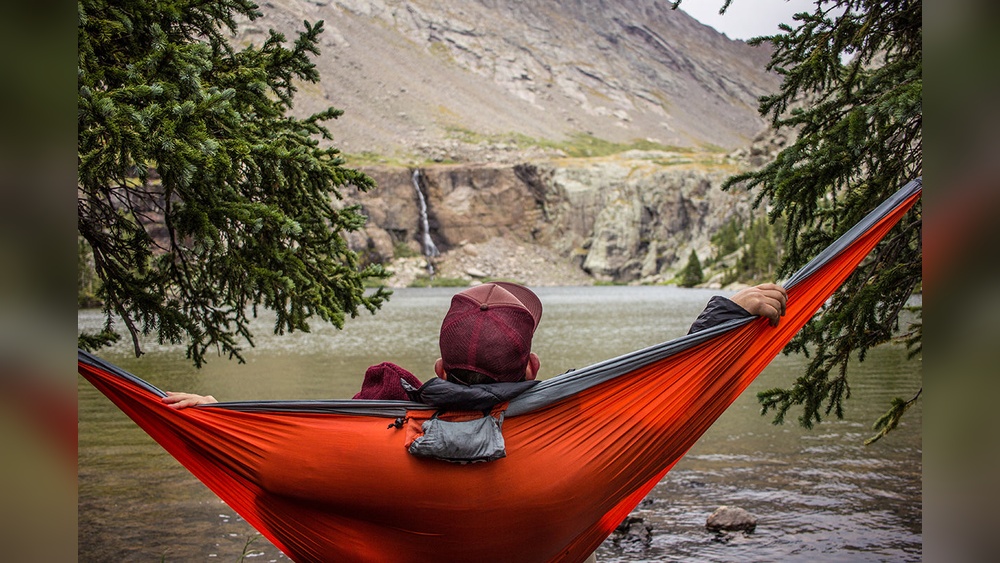
Imagine relaxing high above the ground, gently swaying in a cozy hammock while surrounded by nature. If you’ve ever wondered how to use a camping hammock, you’re about to unlock a simple, lightweight way to upgrade your outdoor experience.
Whether you’re a beginner or just looking for tips to improve comfort, this guide will show you step-by-step how to set up your hammock quickly and safely. By the end, you’ll know exactly how to hang it, adjust it for the perfect rest, and add extras to keep you warm and bug-free.
Ready to transform your camping nights? Let’s dive in!
Choosing The Right Hammock
Choosing the right hammock is key to a great camping experience. The perfect hammock fits your needs and keeps you comfortable outdoors. It also lasts long and is easy to carry. Consider materials, weight, and size before buying. These factors affect your comfort and convenience.
Materials And Durability
Hammocks come in different materials like nylon, polyester, and cotton. Nylon is strong, dries fast, and resists mildew. Polyester also resists weather well but feels less soft. Cotton feels cozy but can absorb moisture and wear out faster. Choose durable fabric for long use. Check stitching and hardware quality for extra strength.
Weight And Portability
Weight matters if you hike to your camping spot. Lightweight hammocks make travel easier. Look for hammocks that pack small and fit in your backpack. Some come with storage bags for easy carrying. Balance weight with durability to avoid weak hammocks that break easily. Portability lets you set up anywhere without hassle.
Size And Capacity
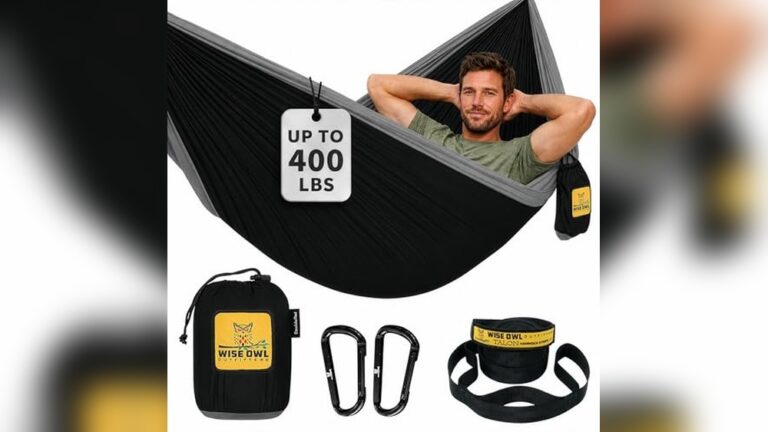
Hammocks come in single and double sizes. Single hammocks fit one person comfortably. Double hammocks offer more space for two or extra gear. Check the weight capacity to avoid damage. Choose a size that fits your body and camping style. A bigger hammock feels roomy but weighs more.
Credit: www.rei.com
Essential Accessories
Using a camping hammock is more comfortable with the right accessories. These items improve warmth, weather protection, and keep bugs away. Choosing essential accessories helps you enjoy your outdoor rest fully.
Underquilts For Warmth
Underquilts hang beneath your hammock to trap heat. They stop cold air from chilling you from below. Lightweight and easy to attach, underquilts make sleeping outdoors warmer. This accessory is perfect for cold nights or high altitudes.
Rainfly And Tarps
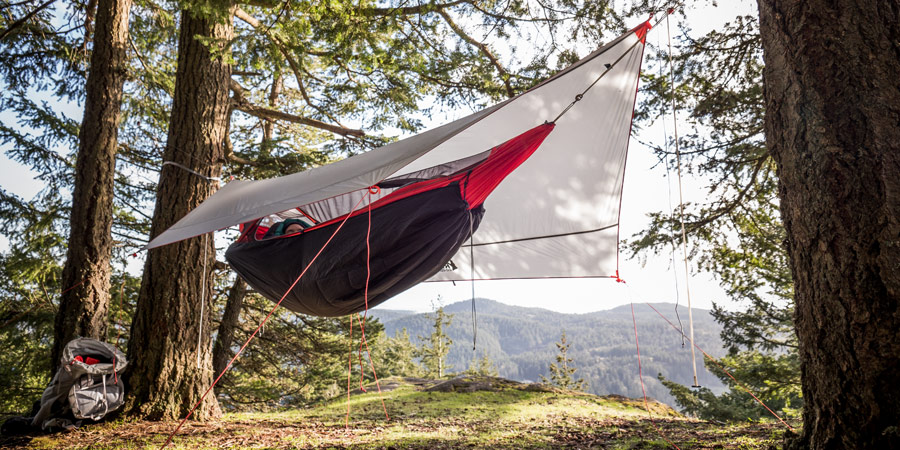
Rainflies and tarps shield you from rain and wind. You set them above your hammock on a ridgeline. They keep you dry during sudden showers or heavy storms. Tarps also block wind, adding extra comfort on chilly days.
Bug Nets
Bug nets cover your hammock to keep insects out. Mosquitoes and flies can ruin a night’s sleep. Nets allow fresh air in but block bugs from entering. They are light and easy to set up around your hammock.
Selecting The Perfect Spot
Selecting the perfect spot for your camping hammock is key to a restful experience. The right location ensures comfort and safety throughout your stay. Pay close attention to the environment around you before hanging your hammock.
Finding Suitable Trees
Choose two trees that are healthy and strong. They should be about 10 to 15 feet apart. Look for trees with a diameter of at least 6 inches. Avoid trees that show signs of disease or dead branches. Use tree-friendly straps to protect the bark. This will keep the trees safe and secure your hammock well.
Assessing Terrain And Safety
Check the ground below your hammock for sharp rocks or uneven surfaces. A flat, clear area is best in case you fall. Avoid hanging your hammock near steep slopes or cliffs. Make sure there is no risk of flooding if it rains. Keep your spot away from insect nests and animal trails. Safety comes first for a good night’s sleep.
Avoiding Hazards
Look up and around for potential dangers. Avoid areas with loose branches that could fall. Stay clear of power lines or unstable structures. Do not hang your hammock too close to water bodies prone to rising levels. Watch for poison ivy, thorns, or other plants that may irritate your skin. Choosing a hazard-free spot helps prevent accidents and discomfort.
Hammock Setup Steps
Setting up a camping hammock is simple and quick. Following the right steps ensures safety and comfort. The process includes securing straps, choosing the correct height, and adjusting tension. Each step helps create a relaxing spot outdoors.
Attaching Straps Securely
Wrap the straps around sturdy trees or poles. Make sure the straps are flat, not twisted. Use strong knots or buckles to fasten the straps. Check that the straps hold tight and will not slip. Secure attachment prevents accidents and keeps the hammock stable.
Hanging The Hammock At Proper Height
Hang the hammock so the lowest point is about 18 inches off the ground. This height helps with easy entry and exit. Choose trees about 12 feet apart for a good fit. Avoid hanging too high to reduce injury risk if you fall. Proper height adds to a safe and cozy experience.
Adjusting Tension For Comfort
Adjust the straps until the hammock hangs with a gentle curve. The ideal angle between the straps and tree is about 30 degrees. Too tight makes the hammock stiff and uncomfortable. Too loose causes the hammock to sag too much. Find a balance for a comfortable, supportive rest.
Sleeping Techniques
Sleeping comfortably in a camping hammock requires proper techniques. These methods help you rest well and avoid aches. Using the right position and accessories enhances your experience. Focus on support, comfort, and warmth for a good night’s sleep outdoors.
Lying Diagonally For Support
Lying diagonally in the hammock creates a flat surface for your body. This position supports your back and neck better than lying straight. Stretch your feet toward one corner and your head toward the opposite corner. The hammock will open wider and feel more stable. This reduces pressure points and improves comfort.
Using Pillows And Pads
Adding a pillow keeps your head cushioned and aligned. Use a small camping pillow or stuff a shirt in a bag. A sleeping pad inside the hammock adds extra cushioning. It also helps keep your body warm by blocking cold air. These accessories improve comfort and make sleeping easier.
Maintaining Warmth Overnight
Hammocks lose heat quickly because air flows underneath. Use an underquilt or sleeping pad to trap warmth below you. Wear warm clothes and use a good sleeping bag suited for outdoor temperatures. A tarp or rainfly above your hammock protects you from wind and rain. Staying warm prevents discomfort and helps you sleep soundly.
Weather Protection Tips
Protecting yourself from weather is essential when using a camping hammock. Rain, wind, and sudden weather changes can affect your comfort and safety. Taking simple steps can keep you dry and warm throughout your outdoor stay.
Setting Up Rainfly
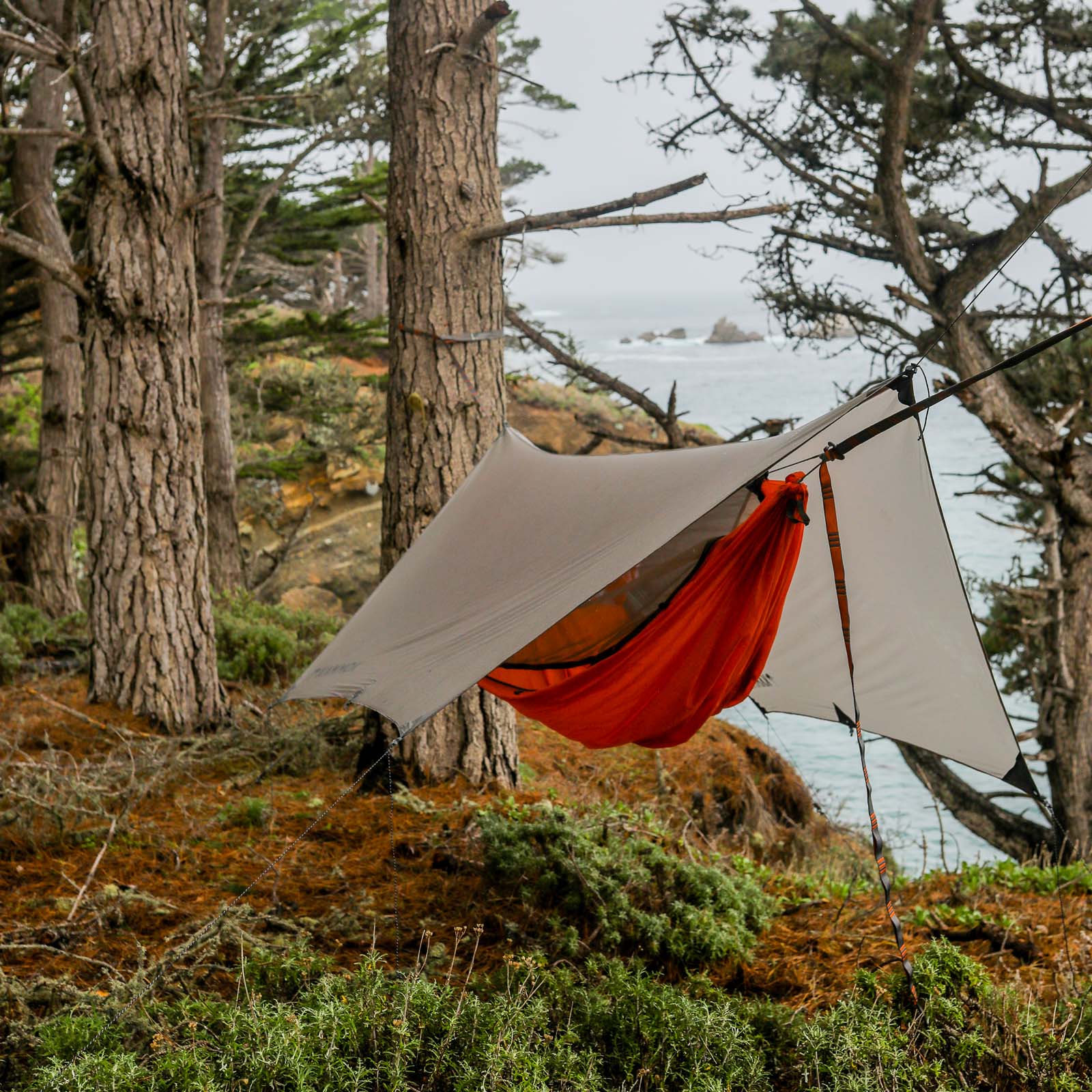
Choose a rainfly that covers your hammock fully. Attach it above the hammock using a ridgeline or ropes tied between trees. Make sure it is taut to let rainwater run off easily. Position it low enough to block rain but high enough for airflow. This setup keeps you dry and prevents moisture buildup.
Securing Against Wind
Wind can chill your body quickly. Use guy lines to secure the rainfly tightly to the ground. Angle the rainfly to block the wind direction. Add stakes or heavy objects to hold down the corners. This reduces flapping and stops cold air from entering. A well-secured rainfly protects you from harsh winds.
Handling Unexpected Weather
Weather can change fast outdoors. Keep extra tarps or ponchos in your pack. Use them as extra layers over your hammock or rainfly. Adjust your setup quickly to block rain or wind from new directions. Always check the weather forecast before you camp. Being ready helps you stay safe and comfortable in any weather.
Bug And Insect Defense
Camping hammocks offer a relaxing way to enjoy nature. Yet, bugs and insects can disrupt your peace. Protecting yourself from them improves your outdoor experience. Simple steps help keep bugs away while you rest or sleep in your hammock.
Installing Bug Nets
Use a bug net designed for your hammock size. Hang it over the hammock, covering all sides. Make sure it touches the ground or hammock edges to block insects. Choose fine mesh nets for small bugs like mosquitoes. Check for holes or tears before each use. Close the net opening securely after entering or exiting.
Choosing Insect-repellent Gear
Select hammocks made with insect-repellent fabric or treated with permethrin. Wear long sleeves and pants to reduce skin exposure. Use insect-repellent sprays or lotions on your clothes and skin. Carry a small, portable fan to blow insects away. These items add layers of protection beyond just the hammock.
Natural Deterrents
Place citronella candles or coils near your hammock site. Use essential oils like eucalyptus or lavender on your skin or gear. Planting herbs like mint or basil around your campsite can reduce bugs. Avoid scented soaps or lotions that attract insects. Keep your hammock area clean and free from food scraps.
Maintenance And Care
Proper maintenance and care extend the life of your camping hammock. Regular attention keeps it safe and comfortable. Follow simple steps to clean, store, and inspect your hammock. This ensures it stays strong for many trips.
Cleaning Your Hammock
Remove dirt and debris before washing. Hand wash with mild soap and cold water. Avoid harsh detergents that can damage the fabric. Rinse thoroughly to remove all soap. Hang dry in a shaded area to prevent fading. Do not use a dryer or iron on your hammock.
Storage Recommendations
Store your hammock in a dry, cool place. Avoid damp areas to prevent mold and mildew. Use a storage bag or breathable container. Keep it away from direct sunlight during long storage. Make sure the hammock is completely dry before storing to avoid odors and damage.
Inspecting For Wear And Tear
Check the fabric for holes or fraying edges. Examine suspension straps and carabiners for damage. Look for weak spots in stitching or knots. Replace any worn parts immediately to avoid accidents. Regular inspections help keep your hammock safe for use.
Common Mistakes To Avoid
Using a camping hammock is simple but some common mistakes can spoil the experience. Avoiding these errors helps you stay safe and comfortable. Pay attention to how you hang, protect the trees, and respect weight limits.
Hanging Too Tight Or Too Loose
Hanging your hammock too tight makes it uncomfortable and hard to get in. It can also damage the hammock fabric. Hanging it too loose causes it to sag too much. This makes it harder to balance and can lead to falls. Aim for a gentle curve with about 30 degrees of rope angle from the tree.
Ignoring Tree Protection
Wrapping straps or ropes directly around trees can harm their bark. This damage can kill the tree or make it sick. Always use wide tree straps or tree-friendly webbing. These spread the pressure and protect the tree. Avoid using thin cords or ropes that dig into the bark.
Overloading Weight Limits
Every hammock has a weight limit. Exceeding it can cause the hammock to break suddenly. This risk can lead to injury. Check the manufacturer’s weight rating before use. Factor in the weight of any gear you place inside. Stick to safe limits to enjoy your hammock longer.

Credit: theultimatehang.com
Advanced Tips And Tricks
Advanced hammock camping can improve your outdoor experience. Small changes make your setup more stable, comfortable, and practical. Use these tips to handle different weather and longer trips. Your hammock will become a reliable shelter for any adventure.
Using Ridgelines For Stability
A ridgeline runs above your hammock, connecting the two trees. It keeps your hammock at a steady height and prevents sagging. Attach a ridgeline before hanging the hammock. It helps keep the tarp or rainfly in place too. Use adjustable knots or cord locks to tighten or loosen the line. This makes your hammock more stable and comfortable in windy or rainy weather.
Combining Hammock With Tent
Use a hammock alongside a tent for more camping options. Set the tent up for storage or cooking in bad weather. The hammock works well for sleeping or relaxing. This combination gives you shelter from bugs and rain. You can also use the tent floor as a dry space for gear. Make sure to place your hammock and tent close but not too tight. This setup is perfect for mixed weather and longer trips.
Multi-day Camping Strategies
Plan your hammock use for several days to stay safe and comfy. Rotate your hanging spots to avoid damaging trees. Pack extra suspension straps and carabiners for quick repairs. Bring an underquilt or sleeping pad for warmth during cold nights. Use a bug net and rainfly to protect from insects and rain. Keep your hammock clean and dry during breaks. These steps help keep your gear in good shape and your camping enjoyable.
Credit: www.adventurealan.com
Frequently Asked Questions
How To Sleep In A Hammock When Camping?
Lie diagonally in the hammock for a flat sleeping surface. Use an underquilt or inflatable mat for insulation. Hang the hammock loosely for comfort. Add a tarp or bug net for weather and insect protection. Adjust height and tension before sleeping.
How To Set Up A Camping Hammock?
Choose two sturdy trees about 10-15 feet apart. Wrap straps around each tree securely. Attach hammock hooks or carabiners to straps. Hang hammock at waist height with a gentle sag. Adjust tension for comfort. Lie diagonally for better support. Add tarp or bug net if needed.
How Does Hammock Camping Work?
Hammock camping uses a suspended hammock instead of a tent for sleeping outdoors. Attach straps to trees, hang the hammock, and adjust tension. Add accessories like underquilts for warmth, tarps for rain, and bug nets for protection. This method is lightweight and space-saving for backpackers.
Why Do Mexicans Sleep In Hammocks?
Mexicans sleep in hammocks for comfort, airflow, and protection from insects and ground moisture. Hammocks offer a cool, safe resting place.
Conclusion
Using a camping hammock makes outdoor sleeping easy and fun. Choose a good spot between two sturdy trees. Attach straps securely but keep the hammock a little loose. Lie diagonally for better comfort and support. Add a tarp to stay dry during rain.
Use a bug net to keep insects away. Practice setting up before your trip for smooth use. Enjoy nature’s peace while resting in your hammock. Simple steps lead to a great camping experience. Try it on your next outdoor adventure!

I am an outdoor enthusiast and gear researcher passionate about camping, hiking, backpacking, and outdoor adventures. I enjoy testing gear, comparing products, and sharing practical advice to help readers make informed decisions. At BestOutsideGear, I create honest gear reviews, buying guides, and outdoor tips to help adventurers choose the right equipment with confidence.