Size Guide for Camping Hammock: Find Your Perfect Fit Today
Choosing the right size for your camping hammock can make all the difference between a restful night under the stars and an uncomfortable sleep. You might wonder, “What size camping hammock do I actually need?” Whether you’re tall, short, or somewhere in between, finding the perfect fit is key to enjoying your outdoor adventures.
In this guide, you’ll discover simple tips and clear measurements that will help you pick a hammock that suits your body and your setup perfectly. Keep reading to avoid common mistakes and make your next camping trip more relaxing than ever.
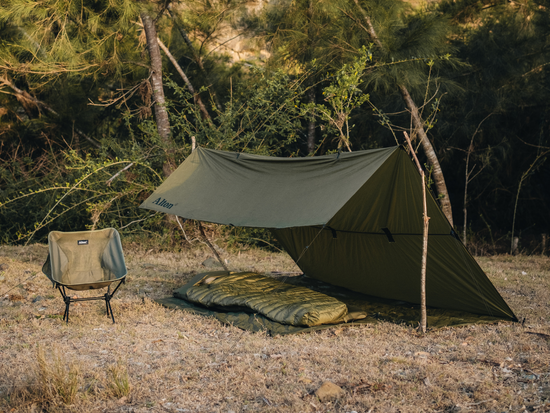
Credit: altongoods.com
Hammock Sizes Explained
Choosing the right hammock size makes your outdoor rest more comfortable. Understanding different sizes helps you find the perfect fit. Size affects how you lie and how much space you have. This guide breaks down common sizes and key differences.
Standard Sizes
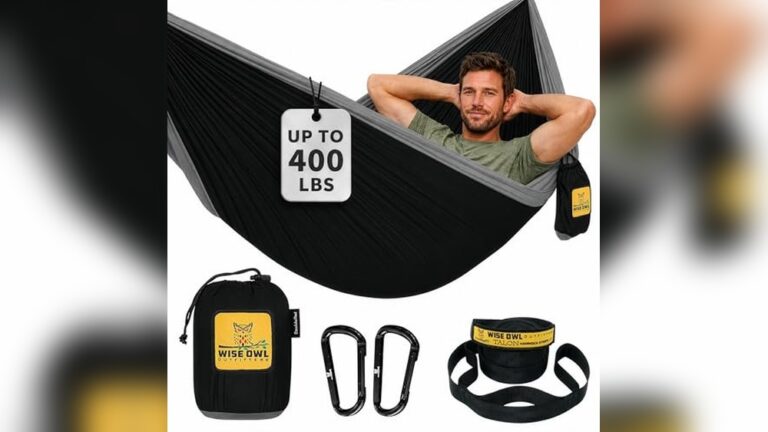
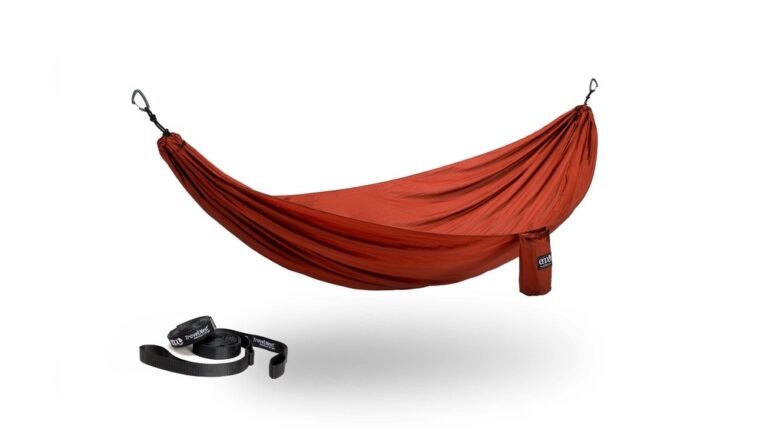
Standard camping hammocks usually measure about 9 to 10 feet long. Their width ranges from 4 to 5 feet. These sizes fit most adults comfortably. They offer enough space to stretch out or curl up. Standard sizes balance portability and comfort well.
Extra Large Options
Extra large hammocks are wider and longer than standard ones. Lengths can reach 11 to 14 feet. Widths often exceed 6 feet for more room. These sizes suit taller or bigger users and couples. They provide extra space for gear or pets too.
Width And Length Differences
Length affects how much you can stretch your legs inside. Taller people need longer hammocks to avoid hanging off edges. Width impacts how much you can move side to side. Narrow hammocks feel snug but compact. Wider hammocks allow more shifting and comfort.
Choosing the best size depends on your body and use style. Consider both width and length for ideal rest. Measure your height and think about extra space needs. This ensures your camping hammock fits your outdoor lifestyle perfectly.
Matching Hammock To Your Height
Choosing the right camping hammock size is key for a good rest outdoors. Matching your hammock to your height helps you relax comfortably. A hammock too short will feel tight. Too long can be bulky and hard to pack. This section helps you find the perfect fit for your height.
Measuring Your Height
Stand straight against a wall. Use a tape measure or ruler. Measure from the floor to the top of your head. Write down your height in inches or centimeters. This number helps select a hammock that fits you well.
Recommended Hammock Lengths
Choose a hammock length at least 12 inches longer than your height. For example, if you are 70 inches tall, pick an 82-inch hammock or longer. Most camping hammocks range from 9 to 11 feet. Taller people should go for 11 feet or more.
Adjusting For Comfort
Test your hammock’s sag and angle after hanging. Adjust the suspension straps to change height and tightness. Aim for a 30-degree angle between your hammock and the tree. This angle helps reduce pressure on your back. Add a pillow or pad for extra support. Comfort depends on both length and how you set up your hammock.
Weight Capacity And Durability
Weight capacity and durability are key factors in choosing a camping hammock. They ensure your hammock can safely hold your body weight. Durability means the hammock lasts through many uses and harsh weather. Both affect your comfort and safety during camping.
Choosing Based On Weight
Check the maximum weight the hammock can hold. Choose a hammock with a weight capacity above your body weight. Consider extra weight for gear or another person if sharing. A higher weight capacity means better strength and safety. Avoid hammocks with weight limits too close to your weight.
Material Strength
The fabric and ropes define hammock strength. Nylon and polyester are strong and light materials. Look for double-stitched seams and reinforced ends. Strong materials resist tears and stretching. Durable ropes or straps help secure the hammock safely to trees or poles.
Safety Considerations
Always test your hammock before full use. Inspect for damage or weak points regularly. Use proper hanging techniques to reduce strain on materials. Avoid exceeding the weight limit to prevent accidents. Choose a hammock with safety certifications if possible.
Hammock Types And Their Sizes
Choosing the right hammock size depends on its type and intended use. Different hammocks offer varied sizes to fit your comfort needs. Understanding these types helps you pick the perfect size for camping or relaxing.
Single Vs Double Hammocks
Single hammocks usually measure around 9 feet long. They fit one person comfortably. Double hammocks are wider, about 10 to 11 feet long and 6 to 7 feet wide. These can hold two people or offer extra space for one. Double hammocks are heavier but provide more room to move.
Camping Vs Backyard Hammocks
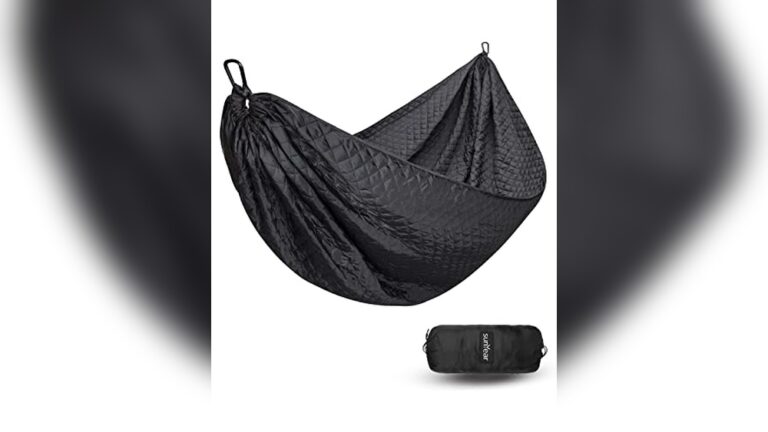
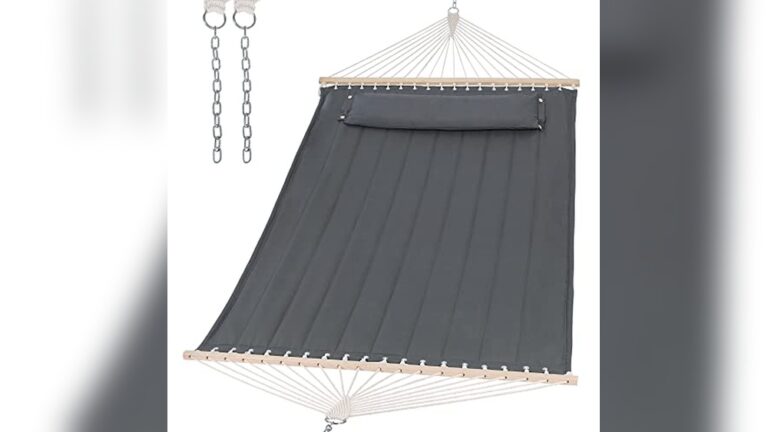
Camping hammocks focus on lightweight and compact design. They often come with built-in bug nets or rain tarps. Sizes range from 9 to 11 feet long to fit most body types. Backyard hammocks are larger and heavier. They prioritize comfort over portability. Backyard sizes can reach 13 feet long and 7 feet wide, ideal for lounging at home.
Specialty Hammocks
Specialty hammocks include hammock chairs, portable hammock tents, and extra-large models. Hammock chairs are smaller, usually 4 to 6 feet wide. Portable hammock tents combine shelter and sleeping space in one. Extra-large hammocks can support multiple people or pets. These sizes vary widely, so check product details carefully.
Selecting The Right Hammock Stand
Selecting the right hammock stand is key for a comfortable camping experience. A well-fitted stand supports your hammock safely and enhances relaxation. Choosing the correct size ensures your hammock fits perfectly without sagging or stretching too much. Consider your hammock’s length and the available space before buying a stand. This section guides you through measuring and picking the right stand size.
Measuring Hammock Length For Stand
Start by measuring your hammock from one end loop to the other. Use a tape measure for accuracy. Note this length in feet or inches. Add about two feet to this measurement. This extra length allows enough room for the stand to hold the hammock properly. Accurate measuring helps avoid stands that are too short or too long.
Stand Size Recommendations
Choose a stand that matches the length you measured. For hammocks around 9 feet long, a stand of 11 feet is ideal. Larger hammocks, like 10 to 12 feet, need stands of 12 to 14 feet. Check the weight capacity of the stand, too. It should support your weight plus any gear. Stands made from steel or aluminum offer good strength and durability.
Portable Stand Options
Portable hammock stands suit campers who move often. These stands fold or break down for easy transport. Look for lightweight materials like aluminum. Some stands come with carry bags for convenience. Portable stands work well in parks, beaches, and campsites without trees. They provide flexibility and comfort on the go.
Sizing Tips For Tree Spacing
Choosing the right size for your camping hammock depends a lot on tree spacing. Trees in the wild are rarely evenly spaced. This makes it important to measure and adjust your setup carefully. Proper sizing ensures comfort and safety while you relax outdoors.
Use these tips to match your hammock size with the trees you want to hang it on. This way, your hammock fits well and stays secure.
Measuring Distance Between Trees
Start by measuring the distance between two trees you plan to use. Use a tape measure or a long piece of rope. Measure from the center of one tree to the center of the other. Note this distance in feet or meters. This number helps you pick the right hammock size.
Adjusting Hammock Length
Hammocks come in many lengths, usually from 9 to 14 feet. Choose a hammock slightly shorter than the tree distance. This leaves space for suspension ropes and knots. Too long a hammock can sag too low. Too short makes it hard to attach properly.
Adjust the length by moving suspension points or using shorter straps. This helps fit the hammock snugly between trees. A good fit improves comfort and prevents damage to the hammock or trees.
Using Suspension Systems
Suspension systems include straps, ropes, and carabiners. Use adjustable straps to change the hammock’s hanging length. Tree-friendly straps also protect bark and make setup easier. Avoid thin ropes that can cut into trees.
Adjust suspension tension to make the hammock level and stable. This keeps you safe and comfortable. A well-chosen suspension system adapts to different tree distances quickly. It makes your camping experience smooth and enjoyable.
Customizing Your Fit
Customizing your camping hammock fit helps improve comfort and usability. A well-fitted hammock supports your body and adapts to different weather conditions. Adjustments can make your outdoor rest more relaxing and enjoyable. Small tweaks and added accessories enhance your overall camping experience.
Adding Accessories
Accessories change how your hammock performs. Suspension straps let you adjust height and tension easily. Bug nets keep insects away during sleep. Pillow inserts add neck support and comfort. Each accessory tailors the hammock to your needs.
Using Underquilts And Tarps
Underquilts provide warmth beneath your hammock. They stop cold air from chilling your back. Tarps shield you from rain, wind, and sun. Both accessories extend your camping season. They help keep you dry and cozy outdoors.
Personal Comfort Adjustments
Adjust your hammock’s sag and angle for best comfort. A deeper sag cradles your body gently. Try different angles to reduce pressure on hips and shoulders. Use a small blanket or pad for extra softness. These changes make your rest more pleasant.

Credit: eaglesnestoutfittersinc.com
Common Sizing Mistakes To Avoid
Choosing the right size for your camping hammock is important. Many campers make simple sizing mistakes. These errors can cause discomfort and reduce your hammock’s usefulness. Avoid these common pitfalls to enjoy a better camping experience.
Buying Too Small
Buying a hammock that is too small limits your space. You might feel cramped and uncomfortable. A small hammock can restrict movement and cause poor sleep. Choose a size that fits your height and allows extra room to stretch.
Ignoring Weight Limits
Every hammock has a weight limit. Ignoring this can cause damage or accidents. Overloading a hammock risks breaking the fabric or straps. Always check the weight capacity before buying. Select a hammock that supports your body weight plus extra for gear.
Overlooking Tree Distance
Tree distance affects how your hammock fits. If trees are too far apart, a short hammock will not reach. If too close, a long hammock will bunch up. Measure the distance between trees before choosing your hammock size. This ensures a good fit and proper hanging angle.
Tools And Resources
Choosing the right size camping hammock can make your outdoor experience more relaxing. Tools and resources help you find the perfect fit easily. These aids reduce guesswork and save time. They guide you through measurements and comparisons. Explore some useful tools below.
Hammock Size Calculators
Hammock size calculators simplify the selection process. Enter your height and weight for precise size suggestions. They consider hammock length, width, and weight limits. These calculators ensure comfort and safety. Many outdoor websites offer free, easy-to-use calculators. Use them to avoid buying the wrong size hammock.
Sizing Charts
Sizing charts display standard hammock dimensions clearly. They compare your body size with hammock length and width. Charts often include weight capacity and recommended user height. Use charts to quickly identify suitable hammock sizes. They help match your needs with available models. Keep a sizing chart handy when shopping online or in stores.
Expert Recommendations
Experts share valuable advice on hammock sizing. They highlight common mistakes to avoid. Professionals suggest adding extra length for taller users. Experts recommend wider hammocks for two-person use. Their tips improve your comfort and support. Follow expert advice to pick a hammock that fits your style and needs perfectly.

Credit: altongoods.com
Frequently Asked Questions
What Size Camping Hammock Do I Need?
Choose a camping hammock at least 10-20 inches longer than your height. Standard size ranges from 9 to 11 feet long. Width varies from 4 to 6 feet for comfort. Consider weight capacity and space between trees before buying.
Should I Use 4×4 Or 6×6 Posts For Hammock?
Use 6×6 posts for stronger support and durability, especially for heavier hammocks. 4×4 posts work for lighter setups but may flex more.
How Do I Know What Size Hammock Stand I Need?
Measure your hammock’s length from loop to loop, then add two feet to find the ideal stand size. Ensure the stand supports your hammock’s weight capacity. Choose a stand slightly longer than this total for comfort and stability.
What Size Hammock Does A 13 Foot Hammock Stand For?
A 13-foot hammock stand fits hammocks between 11 and 12 feet long. Choose a hammock slightly shorter than the stand for proper tension and comfort.
Conclusion
Choosing the right camping hammock size makes your outdoor rest more comfortable. Measure your height and space between trees before buying. A properly sized hammock supports your weight and fits your setup well. Keep these tips in mind to enjoy relaxing moments outdoors.
Camping feels better with the perfect hammock size.

I am an outdoor enthusiast and gear researcher passionate about camping, hiking, backpacking, and outdoor adventures. I enjoy testing gear, comparing products, and sharing practical advice to help readers make informed decisions. At BestOutsideGear, I create honest gear reviews, buying guides, and outdoor tips to help adventurers choose the right equipment with confidence.