How to Make a Tent Camping Comfortable | Pro Tips
Camping in a tent can be an incredible way to connect with nature, but let’s be honest—uncomfortable nights and cramped spaces can quickly turn the experience sour. What if you could enjoy all the fun of tent camping without the aches, chills, or restless sleep?
Imagine waking up refreshed, cozy, and ready to make the most of your outdoor adventure. In this guide, you’ll discover simple, effective tips to transform your tent into a comfortable home away from home. Whether you’re a seasoned camper or trying it for the first time, these ideas will help you relax, sleep better, and truly enjoy your time under the stars.
Keep reading—you deserve a camping trip that’s as comfortable as it is memorable.
Credit: koa.com
Choosing The Right Tent
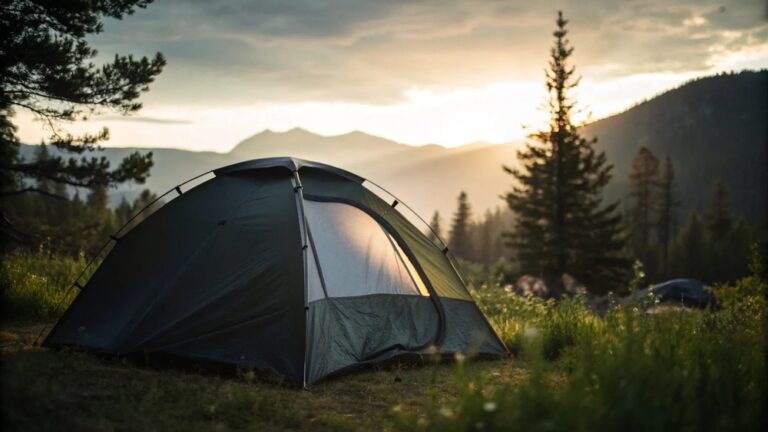
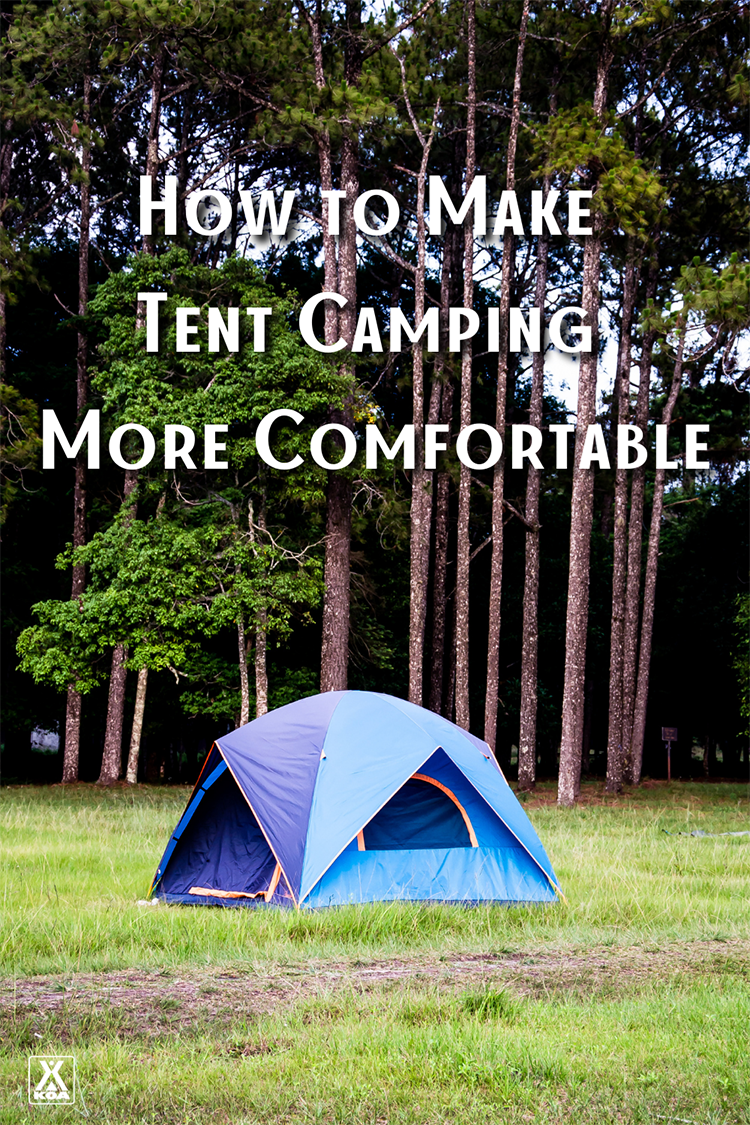
Choosing the right tent is key to a comfortable camping trip. It affects your space, protection, and rest. A good tent keeps you dry and shields you from wind and bugs. It also makes your campsite feel like a cozy home. This section explains how to pick the perfect tent for comfort.
Selecting Tent Size
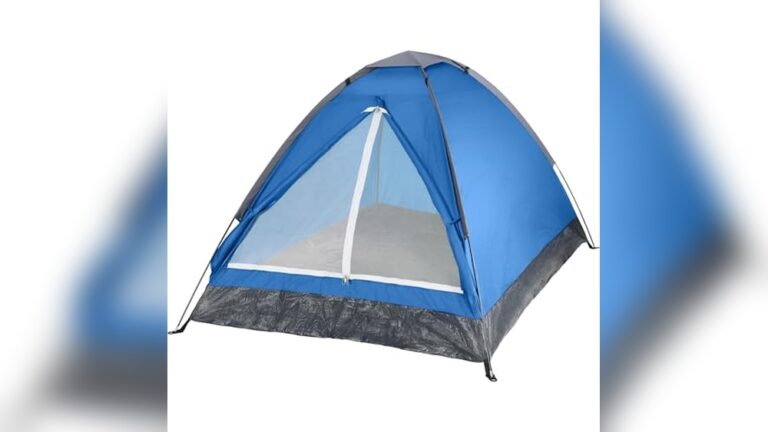
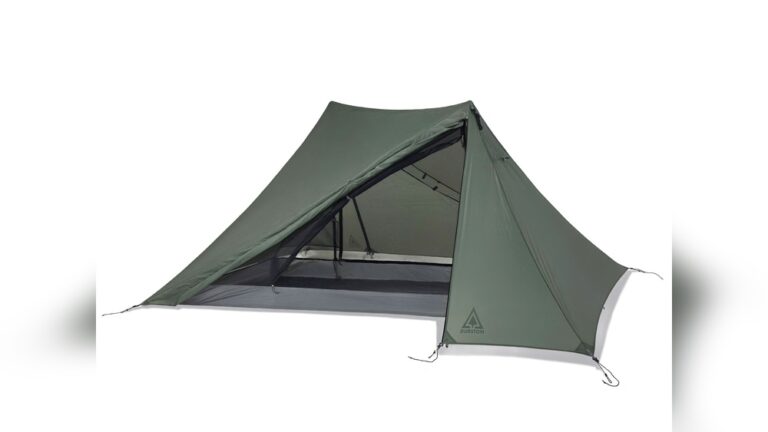
Choose a tent size that fits your group and gear. Larger tents offer more space to move and store items. A tent for two people might feel tight with extra gear. Add one or two extra spots for comfort. Think about headroom too. Taller tents let you stand and change easily.
Picking Tent Material
Tent material affects weight, durability, and weather resistance. Nylon tents are light and good for backpacking. Polyester tents resist UV rays and last longer in sun. Look for waterproof coatings like polyurethane or silicone. Stronger fabrics protect better in rain and wind. Check the tent floor material; thicker floors stop moisture from seeping in.
Ventilation Options
Proper ventilation reduces heat and condensation inside your tent. Look for tents with mesh windows or panels. These allow airflow without letting bugs inside. Some tents have adjustable vents near the roof. Opening vents helps air circulate, keeping the tent fresh. Good ventilation means less dampness and better sleep.
Setting Up A Comfortable Sleep Area
Creating a cozy sleep area inside your tent makes a big difference. Comfort helps you rest well and enjoy your camping trip more. Focus on the right materials and setup for a soft, warm, and relaxing space. This section explains key steps to set up a comfortable sleep area in your tent.
Using Ground Cloths And Footprints
Place a ground cloth or footprint under your tent floor. It protects the tent from moisture and sharp objects. It also adds an extra layer of cushioning. Choose a cloth slightly smaller than your tent to avoid water pooling. This simple step keeps your sleeping area dry and clean.
Choosing Sleeping Pads And Air Mattresses
Sleeping pads provide insulation and cushioning from the hard ground. Foam pads are lightweight and durable. Air mattresses offer more comfort but need inflation. Pick a pad or mattress with good thickness for better support. This helps reduce aches and improves sleep quality.
Selecting Sleeping Bags And Blankets
Choose a sleeping bag suited to the weather. Warm bags are essential for cold nights. Lightweight bags work well in warmer climates. Adding a blanket inside or on top increases warmth and softness. Layering helps regulate your temperature during the night.
Adding Pillows And Cushions
Bring a comfortable pillow or use a stuff sack filled with clothes. Cushions add neck and head support, improving rest. Soft, supportive pillows help prevent stiffness and discomfort. Small cushions can also add extra padding under your knees or back.
Optimizing Tent Interior
Optimizing the tent interior transforms your camping space into a cozy retreat. A well-arranged tent makes your trip more enjoyable and stress-free. Small changes inside the tent improve comfort and usability.
Organizing Storage Efficiently
Keep your tent clutter-free by using storage pockets and hanging organizers. Store small items like flashlights, phones, and keys in easy-to-reach places. Use bins or mesh bags for clothes and gear to save floor space. Label containers to find items quickly. A tidy tent feels larger and more relaxing.
Creating Cozy Lighting
Soft lighting adds warmth and comfort inside your tent. Use battery-operated string lights or lanterns to avoid smoke or fire hazards. Place lights near your sleeping area for reading or relaxing. Choose warm-colored bulbs to create a calming atmosphere. Avoid bright, harsh lights that can disturb sleep.
Using Folding Chairs And Hammocks
Folding chairs provide comfortable seating without taking much space. Choose lightweight, compact models for easy packing. Hammocks add a fun, relaxing spot inside or near your tent. Make sure to hang hammocks securely between trees or poles. Chairs and hammocks create inviting spots to unwind after hiking or cooking.
Maintaining Warmth And Insulation
Maintaining warmth and insulation inside your tent is vital for a comfortable camping experience. Cold nights can make camping unpleasant and disrupt your sleep. Proper insulation keeps the heat inside and the cold air out, helping you stay cozy. Simple steps can improve temperature control and reduce heat loss effectively.
Layering For Temperature Control
Layering helps trap heat close to your body. Start with a moisture-wicking base layer to keep sweat away. Add an insulating layer like a fleece or wool sweater for warmth. Use a windproof and waterproof outer layer when needed. Layering lets you adjust easily as temperatures change during the day and night.
Using Insulated Tent Accessories
Use insulated sleeping pads to block cold from the ground. Choose mats with foam or air chambers for better warmth. Add a sleeping bag rated for the lowest temperature you expect. Use a tent carpet or blanket on the floor to add extra insulation. These accessories create barriers against cold surfaces and keep your tent warmer.
Managing Moisture And Ventilation
Moisture inside your tent reduces warmth and causes discomfort. Keep ventilation open to allow fresh air to flow and reduce condensation. Use tent vents or slightly unzip the door for airflow without letting cold air rush in. Dry wet clothes and gear outside the tent to avoid extra dampness. Managing moisture helps keep the inside temperature stable and comfortable.
Enhancing Comfort With Camp Furniture
Camp furniture transforms your tent space from plain to pleasant. It lifts your camping comfort beyond just a sleeping bag on the ground. Using the right furniture creates a cozy and organized area to relax and enjoy nature.
Choosing lightweight and portable pieces helps keep your tent clutter-free. Furniture designed for camping is easy to set up and pack away. This way, you spend less time fussing and more time enjoying your trip.
Using Camping Cots
Camping cots raise you off the cold, hard ground. They provide better support than sleeping pads alone. This reduces pressure on your body and helps you sleep soundly.
Cots keep you dry by improving air circulation underneath. They are simple to fold and carry. A cot makes your tent feel more like a bedroom.
Portable Tables And Chairs
Small tables offer a place to eat, play games, or hold gear. Folding chairs provide back support and a comfortable spot to sit. Both are easy to pack and set up inside or outside your tent.
Having a table and chair enhances your camping experience. It creates a social space and keeps your belongings off the ground. This convenience adds to your overall comfort.
Adding Rugs And Floor Pads
Rugs and floor pads soften the tent floor. They add warmth and keep dirt away from your sleeping area. Soft surfaces make sitting or lying down more pleasant.
Choose materials that clean easily and dry fast. This keeps your tent fresh and cozy. A simple rug can transform the feel of your tent’s interior.
Cooking And Eating Comfortably
Cooking and eating well can boost your camping comfort greatly. A simple, organized approach helps you enjoy meals without stress. Preparing food outside your tent keeps your sleeping area clean and safe. Plan your cooking setup to save time and effort.
Setting Up A Camp Kitchen
Choose a flat, stable spot for your kitchen area. Keep it away from your tent and fire hazards. Use a foldable table to hold your stove and utensils. Arrange your pots, pans, and tools within reach. A small cooler or box can keep perishables fresh. Keep trash bags nearby to collect waste promptly. This setup makes cooking quicker and more pleasant.
Using Gas Stoves Safely
Always follow the stove’s instructions before use. Place the stove on a level surface to avoid spills. Keep flammable items far from the flame. Never cook inside your tent or enclosed spaces. Check your gas canister for leaks before lighting. Turn off the stove completely after cooking. Store gas canisters outside your tent to prevent accidents.
Organizing Food Storage
Use sealed containers to protect food from animals and bugs. Label your containers for easy access during meal prep. Store raw foods separately to avoid cross-contamination. Keep snacks in a separate bag for quick access. Use a cooler with ice packs to keep meat and dairy cold. Clean up food scraps immediately to avoid attracting wildlife. Neat storage saves space and keeps your camp tidy.
Managing Noise And Privacy
Managing noise and privacy is key to a pleasant tent camping experience. Noise from nearby campers or nature can disrupt rest. Lack of privacy may make you feel uneasy or distracted. Taking steps to reduce noise and create private space helps improve comfort. It also makes your camping trip more relaxing and enjoyable.
Choosing Quiet Campsites
Pick campsites away from busy trails or roads. Look for spots shielded by trees or hills. These natural barriers help block sounds from other campers. Avoid areas near playgrounds or group sites. Check campsite maps for less crowded areas. Choose early or late season times for fewer visitors. Quiet sites mean better sleep and more peace.
Setting Up Tent Dividers
Use tent dividers to create separate spaces inside your tent. A simple curtain or fabric panel works well. It helps block noise between sleeping and living areas. Dividers also add visual privacy when sharing a tent. Attach dividers with clips or hooks on tent poles. This setup keeps your space organized and more private.
Using Earplugs And White Noise
Earplugs reduce noise and help you sleep soundly. Choose soft, comfortable earplugs for all-night wear. White noise machines or apps mask sudden sounds outside your tent. Play gentle sounds like rain, wind, or soft music. These tools create a calm environment inside your tent. They are easy to carry and improve rest greatly.

Credit: www.iheartpacificnorthwest.com
Keeping Clean And Organized
Keeping clean and organized during tent camping improves comfort and safety. A tidy campsite reduces stress and helps you enjoy nature better. Simple habits and tools make a big difference in maintaining cleanliness and order.
Using Zip-top Bags And Containers
Zip-top bags protect your gear from dirt and moisture. Use them to store clothes, electronics, and food items. Clear bags help you find things quickly without unpacking everything. Small containers keep toiletries and cooking tools neat and easy to reach. Label each container for faster access. This method keeps your tent clutter-free and gear safe.
Setting Up Cleaning Stations
Create a spot for washing hands and dishes near your tent. Bring a small basin or collapsible sink for water use. Keep soap and towels in one place to avoid losing them. A cleaning station helps prevent messes from spreading inside the tent. It also encourages everyone to wash up before meals and bedtime.
Managing Waste And Recycling
Separate trash and recyclables in different bags or bins. Use sturdy bags to avoid spills and odors. Keep waste containers away from your sleeping area and food storage. Pack out all trash to leave the campsite clean. Proper waste management protects wildlife and the environment. Recycling helps reduce landfill waste even while camping.
Personalizing Your Tent Space
Making your tent feel like your own space improves comfort during camping trips. Personalizing your tent creates a cozy, inviting atmosphere. This helps you relax after a day outdoors. Simple touches can change the whole experience. Focus on small details that bring joy and ease.
Adding Decorative Touches
Decorate your tent with lightweight items. Use colorful blankets or throw pillows for visual warmth. Hang string lights or lanterns to create soft lighting. Small rugs add comfort underfoot and brighten the space. Choose patterns and colors you like. This makes your tent feel homey and unique.
Using Scented Items
Bring scents that calm and refresh you. Use scented candles or essential oil diffusers designed for camping. Lavender and eucalyptus help you relax and sleep better. Place them safely to avoid fire hazards. A pleasant smell makes your tent inviting and masks outdoor odors.
Bringing Personal Comfort Items
Pack items that improve your comfort. Soft pillows and cozy blankets help you rest well. A favorite book or journal makes downtime enjoyable. Include a portable fan or heater for temperature control. Personal items create a sense of familiarity and ease.

Credit: www.appalachianoutfitters.com
Conclusion
Making tent camping comfortable is easier than you might think. Choose the right tent size and quality sleeping gear. Use soft padding and blankets for better rest. Keep your tent organized to save space and reduce stress. Add simple lighting for a cozy atmosphere.
Small touches like folding chairs and a gas stove help too. Enjoy nature without giving up comfort. Camping can be fun and relaxing with these easy steps. Try them on your next trip for a great outdoor experience.

I am an outdoor enthusiast and gear researcher passionate about camping, hiking, backpacking, and outdoor adventures. I enjoy testing gear, comparing products, and sharing practical advice to help readers make informed decisions. At BestOutsideGear, I create honest gear reviews, buying guides, and outdoor tips to help adventurers choose the right equipment with confidence.