Size Guide for Hammock Straps: Ultimate Tips for Perfect Fit
Choosing the right hammock straps can make all the difference in how comfortably and safely you enjoy your hammock. If you’ve ever wondered, “What size hammock straps do I really need?” or felt overwhelmed by the many options out there, you’re not alone.
Your straps need to fit just right—not too short, not too long—to ensure a secure hang and protect the trees you’re tying to. In this guide, you’ll discover exactly how to pick the perfect size straps for your hammock, so you can relax with confidence every time you set up.
Keep reading to find simple tips and expert advice that will make your next hangout the best one yet.
Choosing The Right Strap Length
Choosing the right strap length is key for a comfortable and safe hammock setup. The strap must fit the distance between your trees. It also needs to support your weight and allow easy adjustment. Using the correct length prevents damage to trees and improves your hammock experience.
Common Strap Lengths
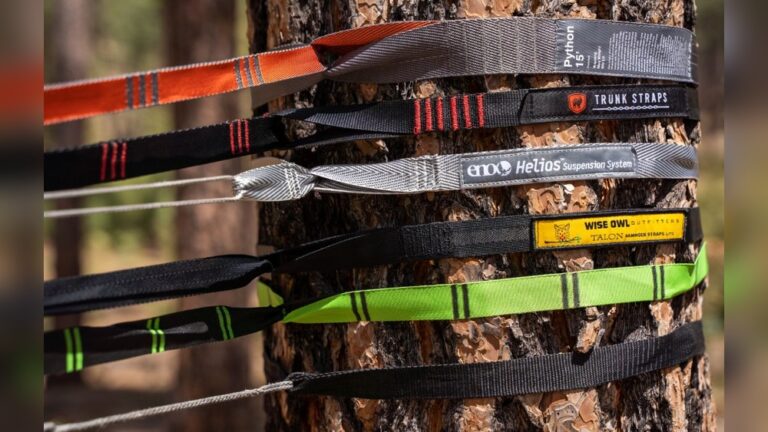
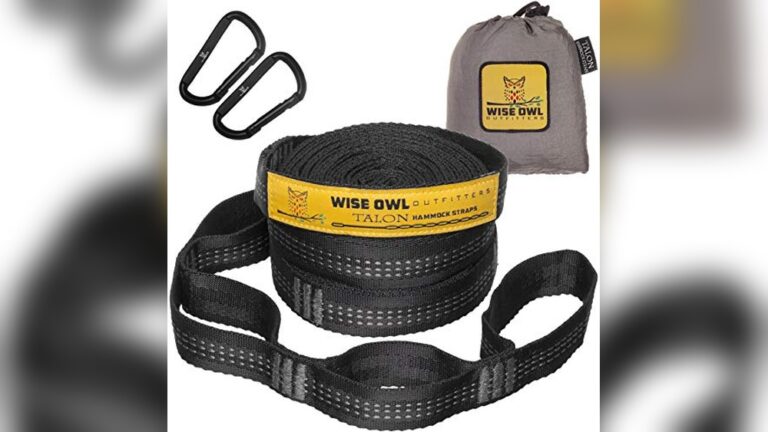
Hammock straps come in various lengths. The most common are 10, 15, and 20 feet. Ten feet straps work for close trees, while 15 feet is a good average. Twenty feet straps suit wider tree distances. Choose a length that matches your usual hanging spots.
Adjusting For Tree Distance
Measure the space between your trees before selecting straps. Your strap should be a little longer than the distance. This extra length helps create the right hammock angle. Aim for about 30 degrees from horizontal. Proper angle keeps your hammock stable and comfy.
Using Strap Extenders
Strap extenders add length without buying new straps. They connect easily to your existing straps. Use extenders for trees farther apart than your strap length. Extenders give flexibility for different setups. Always check the strength of extenders to keep safety first.

Credit: www.amazon.com
Material Types And Durability
Choosing the right material for hammock straps affects both safety and lifespan. Materials differ in strength, weight, and resistance to outdoor elements. Understanding these traits helps pick straps that last long and hold weight securely. Durability is key for repeated use and various weather conditions.
Below, the main materials used for hammock straps are compared. This guide highlights their strengths and weaknesses to help with a smart purchase.
Polyester Vs Dyneema
Polyester straps are common and offer solid durability. They resist stretching and maintain strength even when wet. Polyester is heavier but very reliable for casual or heavy use. Dyneema is a high-performance fiber. It is lighter and stronger than polyester. This makes it great for backpacking and ultralight camping. Dyneema straps are thinner and pack smaller. They may wear faster under rough use but excel in weight savings.
Uv Resistance
UV rays break down materials over time. Polyester straps have good resistance to UV damage. They keep strength after long sun exposure. Dyneema is less UV resistant. Prolonged sunlight weakens Dyneema fibers faster. Frequent use in direct sun calls for careful inspection. Polyester suits sunny spots better for lasting strength.
Wear And Tear Considerations
Straps face abrasion from trees and knots. Polyester handles abrasion well without fraying quickly. It resists cuts and rough edges. Dyneema is more delicate to abrasion but stronger in tensile strength. It requires gentle handling and smooth anchor points. Both materials need regular checks for wear. Replace straps showing frays or damage to stay safe.
Weight Capacity And Safety
Understanding the weight capacity and safety of hammock straps is essential for a secure and comfortable hang. Every strap has a maximum load it can safely support. Using straps with the right strength protects both the user and the hammock. Ignoring weight limits can lead to accidents and damage.
Load Ratings Explained
Load ratings show the maximum weight a strap can hold. Manufacturers test straps under controlled conditions to find this number. It includes the weight of the person and any gear inside the hammock. Always trust the rated load and avoid exceeding it. A strap rated for 400 pounds can hold up to that weight safely.
Matching Straps To Hammock Weight
Choose straps that match or exceed your hammock’s maximum weight limit. Check the hammock’s label or manual for its weight capacity. Select straps with a higher load rating for extra safety. This helps prevent the straps from stretching or breaking. Proper matching ensures a stable and secure setup every time.
Heavy-duty Straps For Larger Loads
Heavy-duty straps are designed for users who need extra strength. These straps use thicker webbing and stronger materials like polyester or Dyneema. They often have load ratings over 800 pounds. Heavy-duty straps suit larger individuals or those carrying heavy gear. Investing in strong straps improves safety and extends the life of your hammock.

Credit: www.amazon.com
Tree-friendly Strap Designs
Tree-friendly strap designs play a key role in hammock setup. These straps protect trees from damage while offering a secure hold. Choosing the right strap helps preserve nature and ensures a safe, comfortable hang. Understanding how these straps work benefits both the environment and hammock users alike.
Protecting Tree Bark
Tree bark is fragile and can be easily damaged by thin, tight straps. Tree-friendly straps use wide, flat webbing to spread the load evenly. This reduces pressure and prevents cuts or abrasions on the bark. Protecting bark helps trees stay healthy and strong. It also keeps outdoor spots beautiful and safe for future visits.
Wide Webbing Benefits
Wide webbing is a key feature of tree-friendly straps. It spreads the hammock’s weight over a larger area. This reduces strain on any single point of the tree. Wide straps are less likely to dig in or leave marks. They also offer better grip and stability when hanging your hammock. Many straps use webbing that is 1 to 2 inches wide for best results.
Environmental Impact
Using tree-friendly straps lowers environmental harm in natural areas. Less damage to trees means less disruption to local wildlife and ecosystems. These straps help campers follow Leave No Trace principles. By preventing tree wounds, they also reduce risks of disease or insect infestation. Choosing eco-friendly suspension gear supports conservation efforts and preserves outdoor spaces.
Strap Setup And Suspension Tips
Setting up hammock straps correctly ensures safety and comfort. Proper suspension protects trees and keeps your hammock secure. Follow simple tips for easy, strong setups. Use the right tools and techniques for the best experience. Understand strap options, hanging angles, and knot-free methods.
Knot-free Setup Options
Knot-free setups save time and reduce strap wear. Many straps have built-in loops or daisy chains. These allow quick adjustments without tying knots. Use carabiners to clip the hammock to the strap loops. This method is faster and easier for beginners. It also keeps the straps in good condition longer.
Using Daisy Chains And Loops
Daisy chains are rows of sewn loops on straps. They provide many attachment points for fine tuning. You can adjust hammock height and length with simple clips. Loops work well for uneven trees or tricky spots. Use a strong carabiner to connect your hammock to the loops. Daisy chains offer flexibility and a secure hold.
Ideal Hanging Angles
The best hanging angle is about 30 degrees from horizontal. This angle balances comfort and strap tension. Too steep angles cause strain on straps and trees. Too flat angles make the hammock sag too much. Measure the distance between trees and adjust strap length. Proper angles improve your rest and protect gear.
Popular Strap Brands
Choosing the right hammock straps is essential for a safe and comfortable hang. Popular strap brands offer options with different lengths, strengths, and materials. These brands are trusted by many hammock enthusiasts for their quality and reliability. Below are some well-known brands to help you find the perfect size and style for your needs.
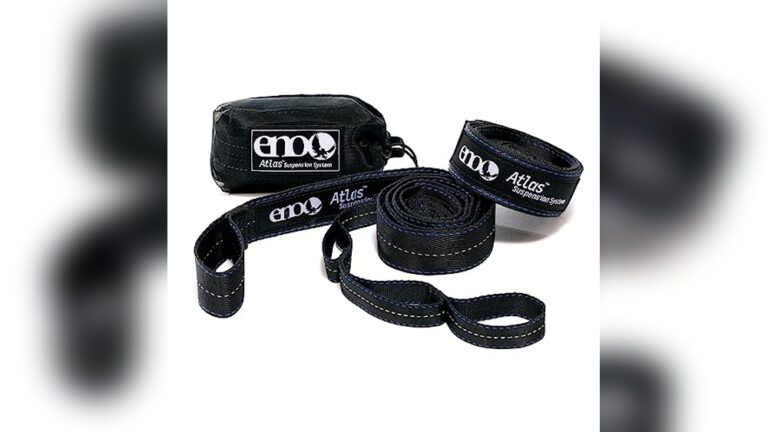
Eno Atlas Series
ENO Atlas Series straps provide multiple attachment points for easy adjustment. They use durable polyester webbing that resists stretching. These straps are about 9 feet long, ideal for most trees and hammock sizes. ENO straps feature a quick, knot-free setup, making them beginner-friendly. They balance strength and convenience well for casual and frequent users.
Bear Butt Kodiak
Bear Butt Kodiak straps are designed for heavy-duty use. They support high weight limits, suitable for larger or double hammocks. These straps are thicker and longer, offering extra security and versatility. The webbing is tough but soft enough to avoid damaging trees. Kodiak straps come with sewn loops that speed up setup and provide multiple hanging options.
Dutchware Spider Web Straps
DutchWare Spider Web Straps are ultralight and compact. Made from thin yet strong webbing, they appeal to minimalist campers. These straps are longer than many others, allowing greater flexibility in tree spacing. Their lightweight design reduces pack weight for backpackers. Despite being light, they maintain excellent strength and durability.
Hummingbird Hammocks
Hummingbird Hammocks offers very lightweight tree straps for backpacking. Their straps use high-quality materials that combine strength with minimal bulk. They are easy to pack and quick to hang, ideal for short trips. The straps come in various lengths to suit different setups and tree distances. Hummingbird focuses on simplicity and efficiency in their designs.
Packability And Weight For Backpacking
Backpacking demands gear that is light and easy to carry. Hammock straps must be compact and low-weight. Heavy or bulky straps slow you down and take up precious space. Choose straps that pack small and weigh little without losing strength. This balance helps keep your pack light and your setup quick.
Ultralight Strap Options
Ultralight straps use thin, strong materials like Dyneema or nylon webbing. They can weigh less than 3 ounces. These straps fold into small bundles that fit inside a pocket. Popular ultralight straps come with multiple loops for easy adjustments. Their low weight makes them ideal for long backpacking trips. Some brands offer straps under 1 ounce per foot.
Balancing Strength And Weight
Straps must hold your weight safely. Lightweight materials still provide high strength. Look for straps rated for at least 400 pounds. Avoid bulky straps that add unnecessary weight. Thin webbing can be strong but check its width and quality. Strong stitching and durable fabric ensure safety. Balance weight savings with a comfortable feel around trees.
Storage Tips
Store straps in a small stuff sack or pouch. Roll or fold them tightly to reduce volume. Keep straps dry to avoid mildew and damage. Attach the pouch to your pack’s exterior for easy access. Label your storage bag to avoid mixing with other gear. Proper storage extends strap life and keeps your pack organized.
Credit: www.istdiego.net
Measuring For A Perfect Fit
Measuring for a perfect fit ensures your hammock straps hold securely and comfortably. Proper measurement prevents sagging and unsafe hangs. Knowing the right strap size improves your outdoor experience.
How To Measure Tree Distance
Start by measuring the distance between two trees. Use a tape measure or a long rope. Measure from the middle of one tree to the middle of the other. This distance helps determine the length of straps needed. Make sure the trees are strong and healthy for support.
Calculating Required Strap Length
Add extra length to your tree distance for wrapping around the trees. Generally, add 4 to 6 feet per side. This allows enough strap to secure the hammock safely. Consider how high you want to hang your hammock. Higher hangs need longer straps. Always choose straps slightly longer than your calculation.
Using Online Hang Calculators
Online hang calculators simplify strap length measurement. Enter your tree distance and desired hang height. The calculator provides recommended strap length. It saves time and reduces guesswork. Many hammock brands offer free calculators on their websites. Use them to plan your perfect hang.
Frequently Asked Questions
How Do I Know What Size Hammock To Get?
Choose a hammock size based on your height and weight. Single hammocks suit one person up to 250 lbs. Double hammocks fit two people or heavier weights, typically up to 450 lbs. Measure your height and add extra length for comfort when selecting.
Should I Use 4×4 Or 6×6 Posts For Hammock?
Use 6×6 posts for stronger, stable hammock support, especially for heavier loads. Choose 4×4 posts only for lightweight, short-term setups.
What Are The Best Hammock Straps?
The best hammock straps combine strength, tree-friendliness, and ease of use. Top picks include ENO Atlas, Bear Butt Kodiak, and DutchWare Spider Web straps. Choose lightweight options like Hummingbird Hammocks for backpacking and durable polyester or Dyneema materials for strength and packability.
What Size Hammock Does A 13 Foot Hammock Stand For?
A 13-foot hammock stand suits hammocks between 10 and 12 feet long. Choose slightly shorter hammocks for proper fit.
Conclusion
Choosing the right size hammock straps makes hanging easier and safer. Properly sized straps protect trees and support your weight well. Always check strap length, material, and weight capacity before buying. Using the right straps improves your comfort outdoors. Enjoy your hammock time with confidence and care.
Keep this guide handy for your next relaxing hang.

I am an outdoor enthusiast and gear researcher passionate about camping, hiking, backpacking, and outdoor adventures. I enjoy testing gear, comparing products, and sharing practical advice to help readers make informed decisions. At BestOutsideGear, I create honest gear reviews, buying guides, and outdoor tips to help adventurers choose the right equipment with confidence.