Travel Tips for Hammock Straps: Ultimate Guide for Safe Setup
If you love relaxing in a hammock, you know that the right hammock straps can make all the difference. But are you sure you’re using them the best way?
Whether you’re setting up in your backyard or camping under the stars, knowing how to choose, install, and care for your hammock straps can improve your comfort and protect the trees you hang from. You’ll discover simple, practical travel tips for hammock straps that will help you hang safely, pack smarter, and enjoy your hammock experience to the fullest.
Keep reading to learn how to make every hammock moment easier and more enjoyable!

Credit: eaglesnestoutfittersinc.com
Choosing The Right Hammock Straps
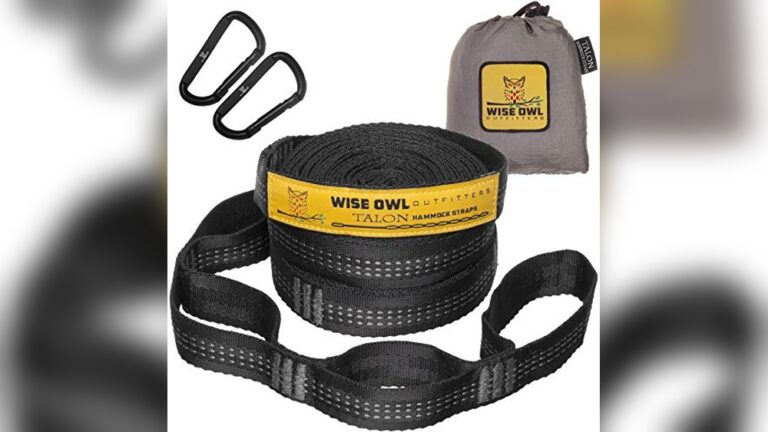
Choosing the right hammock straps is essential for safe and comfortable hanging. The straps hold your hammock securely between two anchor points. Selecting the correct straps ensures stability and protects trees from damage. Consider the material, length, width, and weight capacity before buying. These factors affect durability and ease of use.
Material Types
Hammock straps come in various materials. Nylon is strong and resists stretching. Polyester is durable and handles sunlight well. Some straps use recycled materials, which help the environment. Avoid straps made from thin rope or cheap fabric. These can break or damage trees. Wide straps also distribute weight better and reduce tree harm.
Length And Width Considerations
Strap length affects where you can hang your hammock. Longer straps give more flexibility with distance between trees. Short straps limit setup options and may make hanging difficult. Strap width matters too. Wider straps, around 1 inch or more, protect tree bark better. Narrow straps can dig into the bark and cause injury to the tree.
Weight Capacity
Check the weight capacity of hammock straps before use. Straps should support at least twice your body weight. This ensures safety and durability. Higher weight limits are best for heavier users or if carrying gear in the hammock. Avoid straps without clear weight ratings, as they may not be reliable.
Preparing For Setup
Preparing your hammock straps for setup takes some careful planning. Choosing the right spot ensures a comfortable and safe rest. Follow these simple steps to get ready for a perfect hang.
Selecting Suitable Trees
Pick trees that are strong and healthy. Look for trunks at least 6 inches wide. Avoid trees with loose bark or signs of disease. Choose trees far enough apart to fit your hammock straps comfortably. Hardwoods like oak or maple work best for support.
Measuring Distance And Height
Measure the space between your two trees. The ideal distance is about 10 to 15 feet. Hang your straps at about eye level or slightly higher. This height allows a good curve in the hammock for comfort. Adjust the strap length to get the right tension without sagging or too tight.
Checking For Safety Hazards
Look around for any sharp objects under the hammock area. Remove rocks, sticks, or anything that could cause injury if you fall. Check for overhead dangers like dead branches that might fall. Avoid setting up near fire pits or unstable ground. Safety first means a better, worry-free experience.
Step-by-step Hammock Strap Setup
Setting up hammock straps correctly is key for a safe and comfortable hang. Follow simple steps to secure your hammock between two trees. Proper setup ensures stability and prevents damage to trees. This guide breaks down the process into easy parts.
Wrapping Straps Around Trees
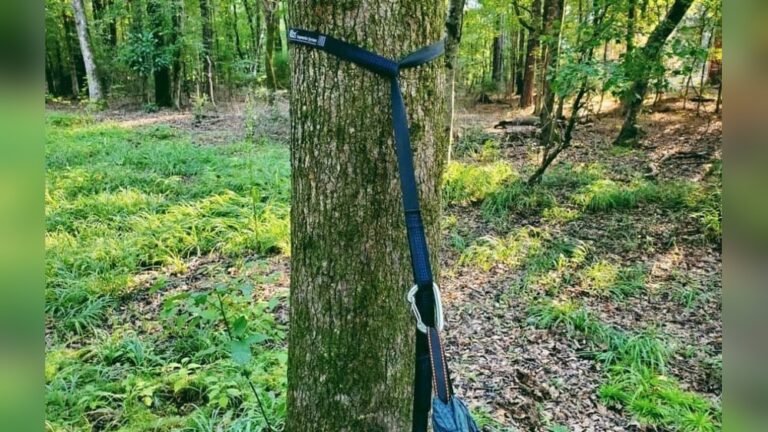
Start by choosing two sturdy trees about 10 to 15 feet apart. Wrap one end of the strap around the first tree at about chest height. Pass the strap end through the loop to secure it tightly. Repeat this for the second tree. Make sure the strap lies flat against the tree bark to avoid slipping.
Attaching Hammock To Straps
Use a carabiner or a hook to connect the hammock to the straps. Clip one end of the hammock to the looped strap on the first tree. Do the same on the second side. Check that the clips are locked and secure before sitting in the hammock.
Adjusting Tension And Height
Adjust the hammock height by sliding the straps up or down the tree. The ideal height is about 18 inches off the ground. Adjust tension by changing strap length or clip position. Aim for a gentle curve in the hammock, like a smile. Avoid too tight or too loose setups for comfort and safety.

Credit: www.cocoonusa.com
Safety Tips For Secure Setup
Setting up hammock straps safely ensures a secure and enjoyable experience. Proper setup prevents accidents and protects the environment. Follow these essential safety tips to hang your hammock right every time.
Inspecting Straps And Hardware
Check straps for tears, frays, or weak spots before use. Examine buckles and carabiners for rust or damage. Replace any worn or broken parts immediately. Only use hardware rated for your hammock’s weight capacity. Regular inspection keeps your setup strong and safe.
Avoiding Damage To Trees
Use wide straps to reduce pressure on tree bark. Avoid thin ropes that can cut into trees and cause harm. Choose healthy, sturdy trees at least six inches thick. Protect trees by wrapping straps with tree-friendly pads. This care helps preserve nature while keeping you safe.
Testing Stability Before Use
Gently press down on your hammock before fully sitting or lying. Make sure knots and straps hold firm without slipping. Adjust tension for even weight distribution and comfort. Test stability from different angles to avoid surprises. Confirming stability prevents falls and injuries.
Common Mistakes To Avoid
Avoiding common mistakes with hammock straps keeps your setup safe and comfortable. Many travelers skip important checks that affect their hammock experience. Simple errors can cause discomfort or damage. Learn what to watch out for to enjoy your hammock fully.
Using Improper Anchors
Choosing the right anchor is key. Avoid thin branches or weak structures. These can break or damage your straps. Use strong trees or sturdy posts. Check the anchor’s stability before hanging your hammock. This prevents accidents and gear loss.
Over-tightening Straps
Too tight straps cause discomfort and strain. They reduce hammock flexibility and can damage trees. Leave some slack for natural movement. Proper tension offers better comfort and keeps trees healthy. Tighten straps just enough to secure your hammock safely.
Ignoring Weight Limits
Every hammock strap has a weight limit. Exceeding it risks strap failure and injury. Check the manufacturer’s guidelines before use. Factor in the combined weight of users and gear. Staying within limits ensures your safety and prolongs strap life.
Enhancing Comfort And Durability
Enhancing the comfort and durability of your hammock straps improves your overall outdoor experience. Strong, well-maintained straps keep your hammock secure and safe. Comfort depends on how you set up and protect your straps. Small adjustments make a big difference in usability and lifespan.
Using Tree Protectors
Tree protectors shield bark from damage and reduce strap wear. They create a smooth surface for straps to rest on. This helps avoid cuts and tears in the straps. Using protectors also protects trees, keeping nature safe. They are lightweight and easy to carry on trips.
Adding Suspension Accessories
Suspension accessories improve comfort by allowing easy adjustments. Items like carabiners and toggles help fine-tune strap length. These additions reduce pressure points on the straps. Adjustable setups reduce strain on trees and straps alike. Accessories also make setup faster and hassle-free.
Maintaining Straps After Use
Cleaning and drying straps after use extends their life. Dirt and moisture weaken fabric and stitching over time. Store straps in a dry, cool place away from sunlight. Regularly check for signs of wear or damage. Prompt repairs keep straps safe and reliable for future trips.
Packing And Transporting Straps
Packing and transporting hammock straps requires smart planning. These straps are essential for a safe and quick setup. Carrying them properly saves space and keeps them ready for use. Good packing also extends the life of the straps by protecting them from damage and dirt. Here are simple tips for storing, cleaning, and setting up your straps on the go.
Compact Storage Tips
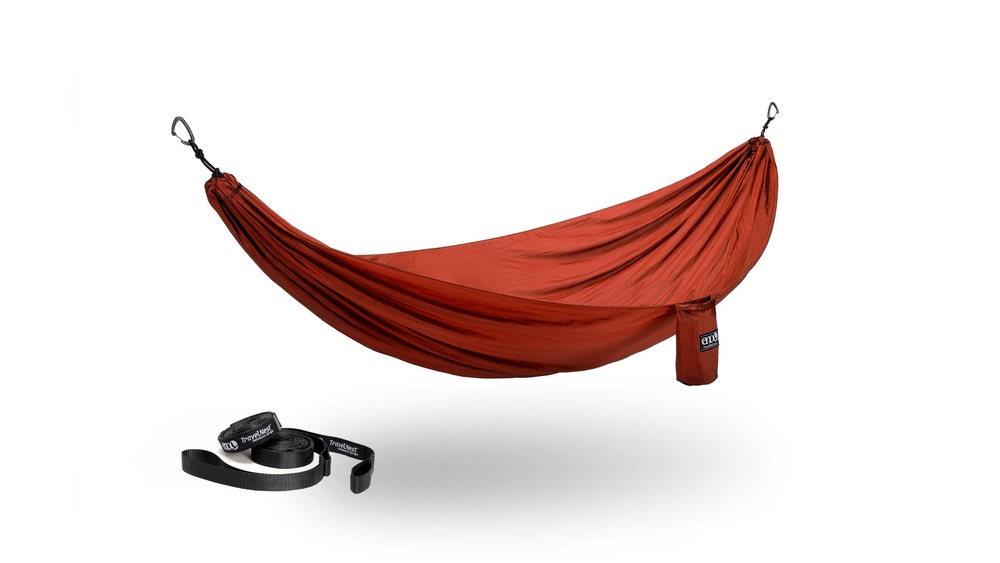
Roll the straps tightly to reduce bulk. Use a small pouch or bag to keep them organized. Avoid folding straps in sharp bends to prevent wear. Store straps with carabiners attached for faster setup. Keep the pouch in an accessible spot in your backpack. This method saves space and keeps straps untangled.
Keeping Straps Clean
Brush off dirt before packing straps away. Use a damp cloth to wipe away stains. Avoid harsh chemicals that can weaken the fabric. Let straps dry completely before storing to stop mildew. Clean straps last longer and hold better on trees. Regular cleaning keeps your gear safe and reliable.
Quick Setup On The Go
Practice wrapping straps around trees before your trip. Attach carabiners to loops before leaving home. This speeds up hanging your hammock at campsites. Keep straps at hand for fast access. Quick setup means more time to relax and enjoy nature. Preparation makes hammock camping easy and fun.

Credit: www.amazon.com
Frequently Asked Questions
How To Properly Use Hammock Straps?
Wrap hammock straps securely around sturdy trees at shoulder height. Use multiple loops for adjustable hanging points. Attach carabiners to connect straps to hammock ends. Ensure straps remain taut but not overly tight to avoid tree damage. Check knots and straps before use for safety and stability.
What Do You Do With Your Pack When Hammock Camping?
Hang your pack from a tree or hammock suspension using a carabiner. Alternatively, place it on a tarp or camp chair nearby for easy access and cleanliness.
Is It Healthy To Sleep In A Hammock Every Night?
Sleeping in a hammock nightly can improve sleep and reduce pressure points. Use a proper hammock, lie diagonally, and avoid spreader bars. Poor posture or existing back issues may cause discomfort. Consult a doctor if you have spine problems before making it a habit.
How To Tie A Hammock Without Carabiner?
Tie a hammock without a carabiner by using strong knots like the bowline, taut-line hitch, or a double half hitch. Secure straps or ropes tightly around trees. Ensure knots hold firm and the hammock hangs with a gentle sag for comfort and safety.
Conclusion
Using the right hammock straps makes your travel more comfortable and safe. Always check strap strength and tree protection before hanging. Simple knots and proper spacing keep your hammock steady. Carry lightweight, adjustable straps to save space in your pack.
Practice setting up at home to avoid trouble outdoors. Enjoy relaxing moments with confidence, knowing your gear works well. These tips help you have a smooth, enjoyable hammock experience on every trip.

I am an outdoor enthusiast and gear researcher passionate about camping, hiking, backpacking, and outdoor adventures. I enjoy testing gear, comparing products, and sharing practical advice to help readers make informed decisions. At BestOutsideGear, I create honest gear reviews, buying guides, and outdoor tips to help adventurers choose the right equipment with confidence.