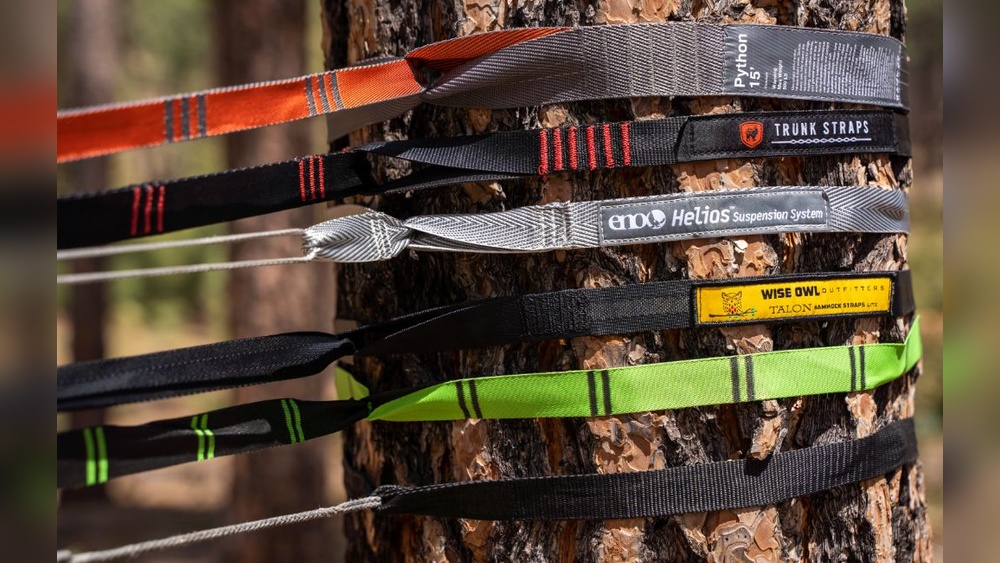
Best Ways to Clean Hammock Straps: Easy Tips for Lasting Freshness
If you love relaxing in your hammock, you know how important it is to keep your gear in top shape—especially those trusty hammock straps. Over time, dirt, sap, and sweat can build up, making your straps sticky, grimy, or even smelly.
But how do you clean them without damaging the material or losing strength? You’re about to discover the best ways to clean hammock straps easily and effectively. Whether you’ve got stubborn tree sap or just everyday dirt, these simple tips will help your straps look and feel like new again.
Keep reading to protect your gear and enjoy your hammock time worry-free!
Credit: www.grandtrunk.com
Choosing The Right Cleaner
Choosing the right cleaner for hammock straps is important for their longevity. The cleaner must remove dirt without damaging the fabric. Some cleaners work gently, while others can harm the straps. Using the wrong product may weaken the material or cause discoloration. Select a cleaner that cleans effectively and keeps your straps safe.
Mild Detergents And Soaps
Mild detergents and soaps are the safest choice for hammock straps. They clean dirt and grime without harsh chemicals. Look for detergents labeled as gentle or for delicate fabrics. Mix a small amount with water for washing. These detergents help maintain the strength and color of the straps.
Natural Cleaning Solutions
Natural cleaning solutions use ingredients like vinegar or baking soda. These options are eco-friendly and less likely to damage fabric. For example, a mix of water and white vinegar can lift stains and odors. Baking soda acts as a gentle scrub to remove dirt. Natural cleaners keep hammock straps fresh and safe.
Avoiding Harsh Chemicals
Avoid cleaners with bleach, ammonia, or strong solvents. These harsh chemicals can break down fibers and fade colors. They may also leave harmful residues on straps. Harsh cleaners reduce the lifespan of hammock straps. Stick to gentle products to keep straps strong and looking new.
Credit: www.grandtrunk.com
Removing Tree Sap And Sticky Residue
Tree sap and sticky residue can ruin your hammock straps fast. These substances are tough to remove but cleaning them is essential. Sap sticks strongly and attracts dirt. This makes your straps look dirty and feel uncomfortable. Use the right method to clean sap without harming the fabric. Several household items work well for this task.
Using Rubbing Alcohol
Rubbing alcohol is a great solvent for tree sap. Dampen a cloth with alcohol and rub the sticky spots gently. The sap will start to dissolve and come off. Avoid soaking the strap to protect its material. After removing the sap, wash the strap with mild soap and water. Let it air dry fully before storing or using again.
Hand Sanitizer For Sap Removal
Hand sanitizer works like rubbing alcohol because it contains alcohol. Apply a small amount directly on the sap stains. Let it sit for a minute to break down the sticky residue. Then wipe with a clean cloth. Hand sanitizer is easy to carry, making it perfect for quick cleaning outdoors. Choose an unscented type to avoid any residue or smell on your straps.
Talcum Powder For Stickiness
Talcum powder helps with sticky straps after sap removal. Sprinkle powder over the sticky areas and rub it in lightly. The powder absorbs leftover stickiness and moisture. Shake off the excess powder before using the hammock. This method keeps your straps dry and comfortable. It also prevents dirt from sticking to the straps again.
Step-by-step Cleaning Process
Cleaning hammock straps regularly keeps them strong and safe. Dirt, sweat, and sap build up over time. Follow a simple step-by-step cleaning process to restore their look and durability. This process helps you remove grime without harming the material.
Prepping The Straps
Start by removing the straps from the hammock. Check for stains, sap, or dirt spots. Use a soft brush to gently remove loose dirt. Avoid harsh scrubbing to protect the fabric. Spot treat sticky areas with rubbing alcohol or mild soap. Let the solution sit for a few minutes to loosen grime.
Washing By Hand Vs Machine
Hand washing is gentle and ideal for delicate straps. Use warm water and mild detergent. Soak the straps for 15 minutes, then rub lightly with your hands. Rinse well with clean water. Machine washing saves time but use a gentle cycle. Place straps inside a mesh laundry bag for protection. Avoid bleach or strong detergents to prevent damage.
Rinsing And Drying Tips
Rinse straps thoroughly to remove all soap residue. Leftover detergent can weaken fibers over time. Squeeze out excess water without twisting the straps. Hang them in a shaded, well-ventilated area to air dry. Avoid direct sunlight to prevent fading and weakening. Make sure straps are fully dry before storing or using.
Maintaining Strap Freshness
Keeping your hammock straps fresh extends their life and keeps them safe to use. Dirt, sweat, and outdoor elements can make straps smell or weaken. Regular care helps maintain their strength and appearance. Follow these simple tips to keep your straps clean and fresh for every adventure.
Regular Cleaning Schedule
Clean your hammock straps after every few uses. Wipe off dirt and sweat with a damp cloth. For deeper cleaning, soak straps in mild soap and water. Avoid harsh chemicals that can damage the fabric. Let straps air dry completely before storing. A regular cleaning routine stops odors and buildup.
Proper Storage Practices
Store straps in a cool, dry place to prevent mold and mildew. Avoid leaving them on the ground or in damp areas. Roll or fold straps loosely to avoid creases and damage. Use a storage bag or container to keep dust and insects away. Proper storage keeps straps fresh and ready for use.
Protecting Against Uv Damage
UV rays can weaken and fade hammock straps over time. Keep straps out of direct sunlight when not in use. Use a UV protectant spray designed for fabrics to add a shield. Cover straps with a cloth or store them indoors to reduce exposure. Protecting against UV damage keeps straps strong and vibrant longer.
Preventing Damage During Cleaning
Cleaning hammock straps requires care to keep them strong and safe. Using the right methods prevents damage and extends the life of your straps. Gentle cleaning protects the fabric and hardware. Avoid harsh chemicals and rough scrubbing to keep straps in good condition.
Avoiding Fabric Softener And Bleach
Fabric softener can weaken hammock straps. It leaves a residue that reduces strength. Bleach breaks down fibers and causes fading. Both can shorten strap life. Use mild soap or detergent instead. This keeps straps clean without harm.
Handling Stubborn Stains Gently
Stubborn stains need careful treatment. Avoid strong scrubbing that wears fabric. Use a soft brush or cloth. Dab gently with mild soap and water. For sticky sap, apply rubbing alcohol sparingly. Let it sit briefly, then rinse well. This removes stains without damage.
Checking For Wear And Tear
Inspect straps before and after cleaning. Look for frays, cuts, or weak spots. Damaged straps can fail under weight. Replace or repair any worn areas. Regular checks keep your hammock safe and ready to use.

Credit: bearbuttteam.com
Frequently Asked Questions
How To Clean Hammock Straps?
Clean hammock straps by scrubbing gently with mild detergent and cool water. Use a soft brush for stubborn dirt. Avoid harsh chemicals to protect fabric. Rinse thoroughly and air dry completely before storing or reuse. This method removes sap, dirt, and grime effectively without damaging straps.
Will Dawn Dish Soap Remove Sap?
Yes, Dawn dish soap effectively removes sap by breaking down sticky residues. Use warm water and gentle scrubbing for best results.
How To Clean Dirty Straps?
Clean dirty straps by gently scrubbing with mild detergent and warm water. Use a soft brush for grooves. Rinse thoroughly and air dry. For sap, apply rubbing alcohol or hand sanitizer, then wash as usual. Avoid harsh chemicals to protect strap material and ensure longevity.
Will Rubbing Alcohol Take Off Sap?
Rubbing alcohol effectively removes sap by dissolving its sticky resin. Apply it to the sap, wait a minute, then wipe or wash. Test on a small area first to avoid damage. Avoid heat until sap is fully removed to prevent setting stains.
Conclusion
Keeping hammock straps clean extends their life and safety. Use gentle soap and water for regular cleaning. Remove sticky sap with rubbing alcohol or hand sanitizer carefully. Avoid harsh chemicals that can damage the fabric. Let straps dry completely before storing.
Clean straps feel better and hold strong longer. Taking simple steps keeps your hammock ready for outdoor fun. Small efforts make a big difference in strap care. Enjoy your hammock with clean, well-maintained straps every time.

I am an outdoor enthusiast and gear researcher passionate about camping, hiking, backpacking, and outdoor adventures. I enjoy testing gear, comparing products, and sharing practical advice to help readers make informed decisions. At BestOutsideGear, I create honest gear reviews, buying guides, and outdoor tips to help adventurers choose the right equipment with confidence.