How to Use Hammock Straps: Easy Steps for Secure Setup
Using hammock straps might seem simple, but getting it right makes all the difference in your comfort and safety. If you’ve ever struggled to hang your hammock securely or wondered how to avoid damaging trees, this guide is for you.
You’ll learn easy, step-by-step tips to set up your hammock fast, protect nature, and enjoy your outdoor relaxation to the fullest. Keep reading, and you’ll master hammock straps like a pro in no time.
Credit: eaglesnestoutfittersinc.com
Choosing Hammock Straps
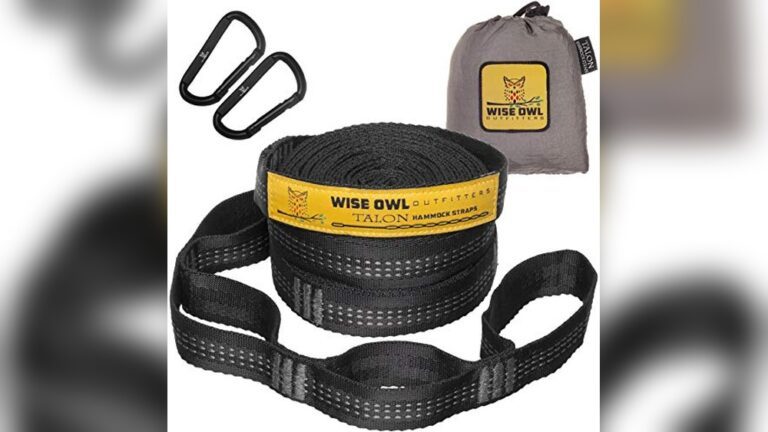
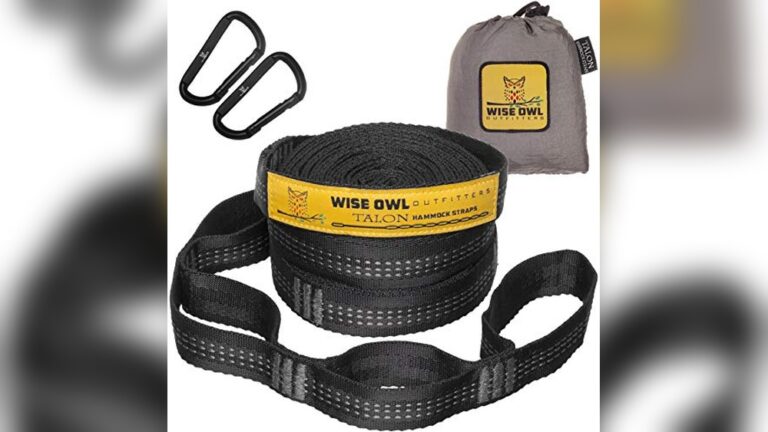
Choosing the right hammock straps is essential for a safe and comfortable hang. The straps hold your hammock securely between two anchor points. Quality straps protect the trees and ensure your hammock stays in place. Picking straps with the correct features improves your outdoor experience and protects nature.
Material Types
Most hammock straps are made from nylon or polyester webbing. Nylon is strong and stretchy, offering a bit of give. Polyester does not stretch much but resists UV rays and water better. Look for straps with tight, durable stitching. Avoid cheap materials that can fray or break easily.
Length And Strength
Straps come in different lengths, usually between 6 and 15 feet. Longer straps allow more flexibility in choosing trees. Check the weight rating to match your hammock and body weight. Straps with a minimum breaking strength of 4000 pounds are ideal for safety. Strong straps prevent accidents and keep your hammock steady.
Tree-friendly Options
Tree-friendly straps are wider, usually about 1 to 2 inches. Wide straps spread the load and protect tree bark from damage. Thin ropes or cords can cut into trees and harm them. Look for straps with labels saying “tree-friendly” or “environmentally safe.” Using these helps preserve nature for future hammock users.
Preparing For Setup
Preparing for setup is a crucial step to ensure your hammock hangs safely and comfortably. Taking time to choose the right spots and check the surroundings will protect you and the trees. Careful preparation makes the whole experience more enjoyable.
Selecting Anchor Points
Pick two strong anchor points to hang your hammock. Trees work best, but sturdy posts or beams can also hold your weight. Make sure the anchors are stable and will not move under pressure. Avoid dead or weak trees that might break.
Checking Tree Health
Check the trees before attaching straps. Look for signs of damage, disease, or rot. Healthy trees have solid bark and no loose branches. Do not use trees with cracks or soft spots. Protect the tree by using wide straps instead of thin ropes.
Measuring Distance
Measure the distance between your anchor points carefully. The ideal range is usually between 10 and 15 feet. This spacing allows enough slack for a comfortable hang. Too close or too far will make setup difficult or unsafe. Adjust your straps accordingly.
Attaching Straps To Trees
Attaching hammock straps to trees is the first step in setting up your hammock safely. Choosing the right tree and securing the straps properly ensures a comfortable and stable hang. It also protects the tree and your gear. Follow these simple steps to attach your straps correctly and enjoy your outdoor relaxation.
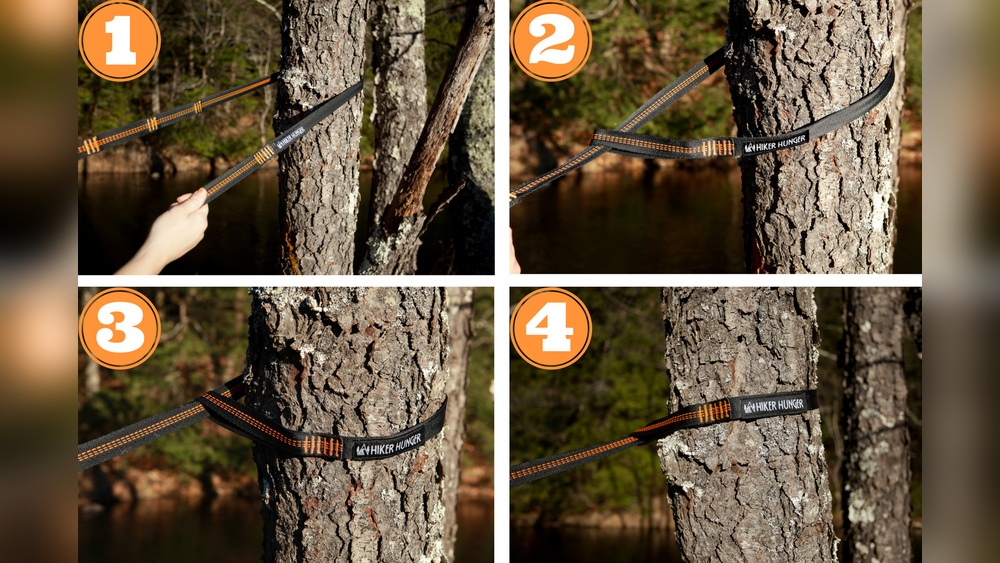
Wrapping Straps Securely
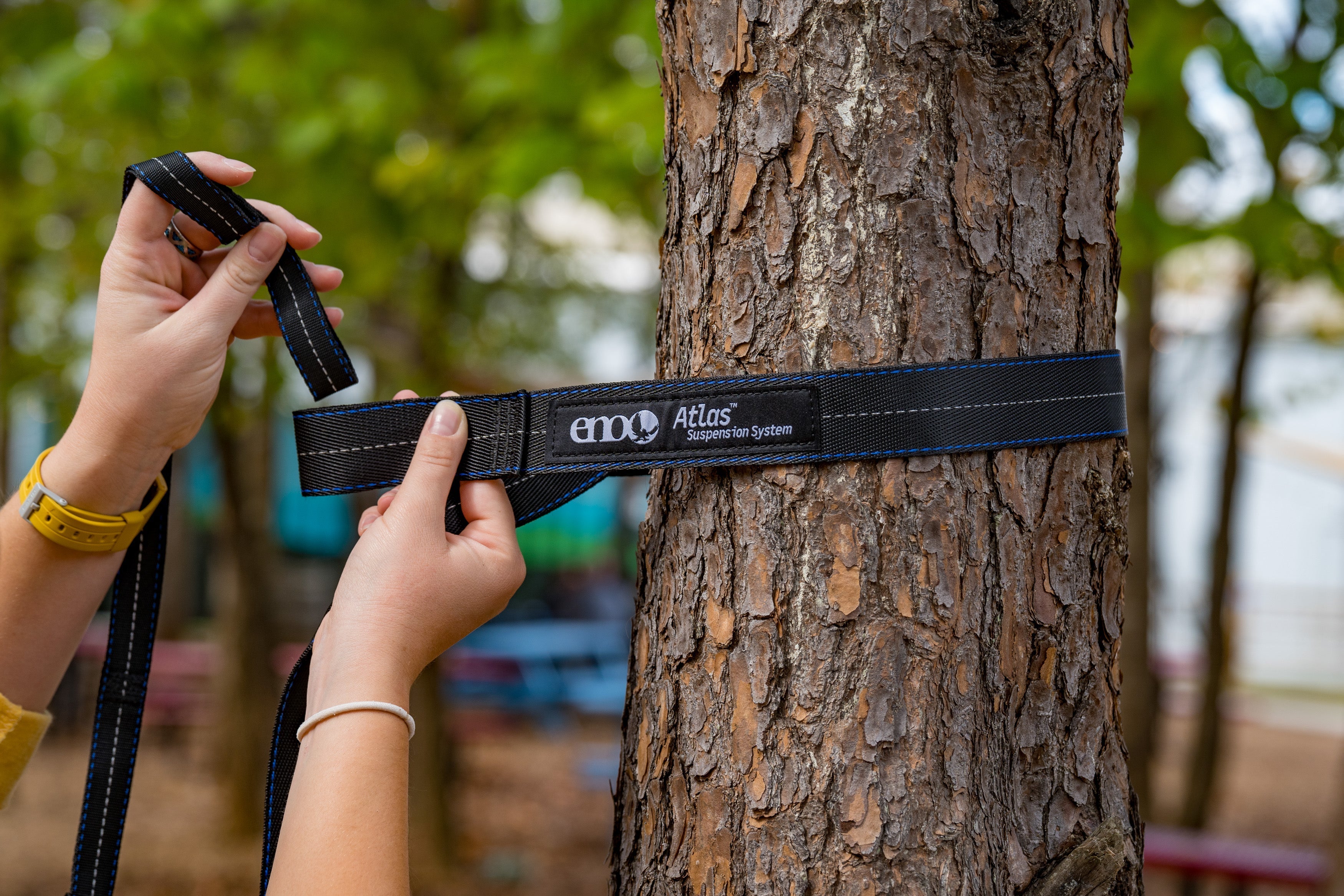
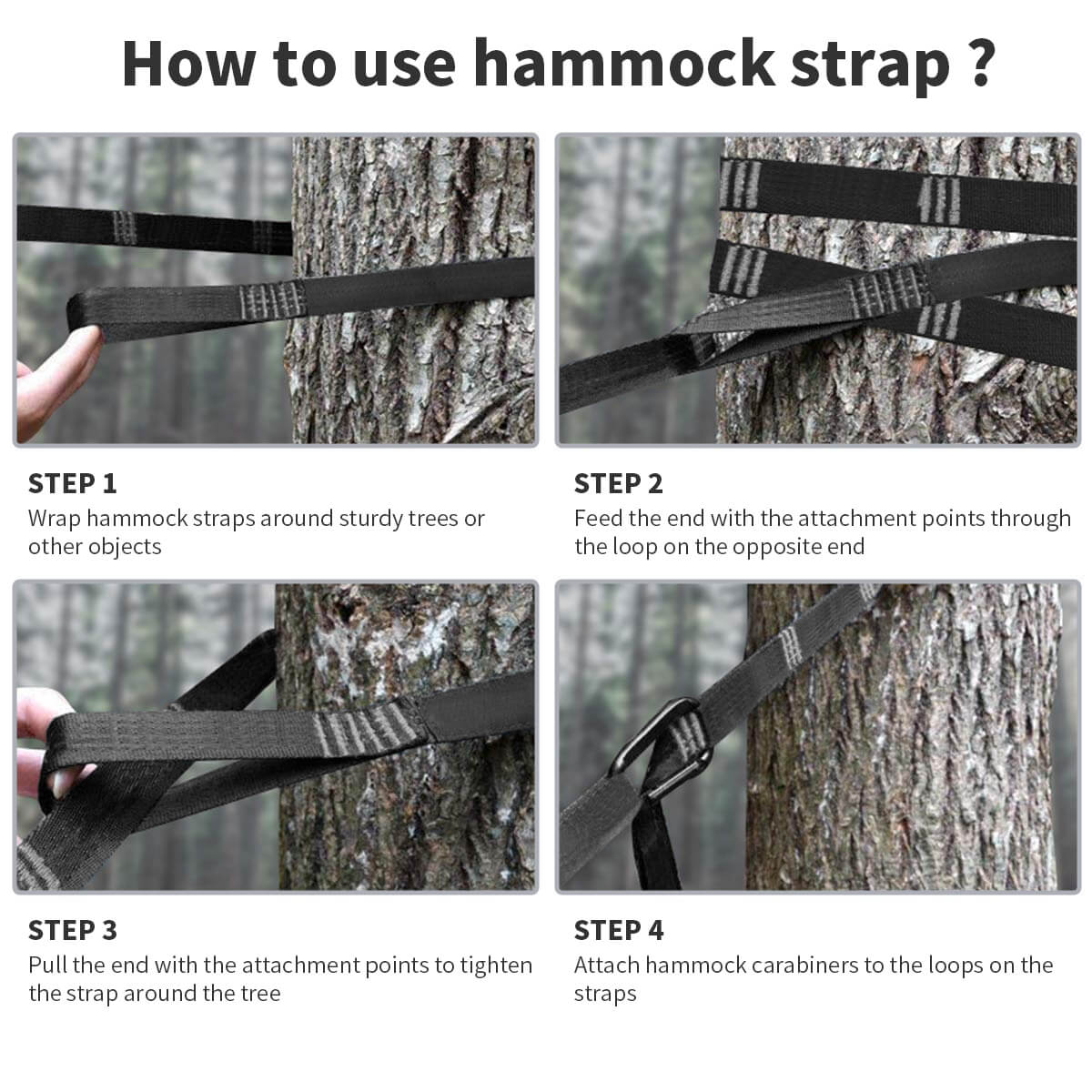
Start by wrapping the strap around the tree at about chest height. Pass the end of the strap through the loop or buckle. Pull it tight to hold the strap firmly in place. Make sure the strap lies flat against the tree without twists. This prevents slipping and keeps the hammock steady.
Avoiding Damage To Trees
Use wide straps to spread the weight evenly on the tree bark. Avoid using ropes or thin cords that can cut into the tree. Place the strap around the trunk or a thick branch only. Do not wrap straps around small or young trees. Protect the environment by choosing healthy trees and leaving no marks.
Adjusting Strap Height
Adjust the strap height to control the hammock’s angle and comfort. Higher straps create a steeper hang and more tension. Lower straps result in a gentler slope and softer feel. Aim for a 30-degree angle between the straps and the ground for the best support. Test the height by sitting in the hammock before fully relaxing.

Credit: www.99boulders.com
Connecting Hammock To Straps
Connecting your hammock to straps is a crucial step for a safe and comfortable hang. Proper attachment ensures stability and prevents accidents. This section explains how to connect your hammock securely to the straps you have wrapped around trees or poles.
Using Carabiners Or Hooks
Most hammocks come with carabiners or hooks for easy attachment. Clip the carabiner through the hammock’s end loop. Then, connect it to the loop on the strap. Ensure the carabiner is fully closed to avoid slipping.
If your hammock has hooks, hook them directly onto the strap loops. Make sure the hooks face away from the hammock body. This setup reduces wear and tear on the materials.
Ensuring Secure Connections
Double-check all connections before sitting in your hammock. Tug gently on the carabiners or hooks to confirm they hold firmly. Inspect the straps for any signs of damage or weakness. Strong, intact straps keep you safe.
Secure connections prevent sudden falls. Use straps designed for hammocks to support your weight properly. Avoid using thin ropes or makeshift ties that may break.
Adjusting Tension
Adjust the hammock’s tension by moving the carabiners along the strap loops. Tighten for a flatter, firmer hang or loosen for a deeper curve. The right tension enhances comfort and reduces strain.
Test the tension by sitting lightly in the hammock. Make small adjustments until it feels balanced and secure. Proper tension helps your hammock last longer and supports your body well.
Testing Setup Stability
Testing the stability of your hammock setup is crucial before fully relaxing. It ensures safety and comfort. This process helps you avoid accidents caused by weak or loose straps. Take time to verify every part of your setup is secure and reliable.
Applying Weight Gradually
Start by applying your weight slowly to the hammock. Sit down gently instead of jumping in. This gradual pressure reveals if the straps hold well. Watch for any sudden shifts or movements. Doing this protects you from falls and injuries.
Checking For Slippage
Observe the straps closely while you sit or lie down. Look for any signs of slippage or sliding on the anchor points. If the straps move, they need tightening or repositioning. Slippage can cause the hammock to drop unexpectedly. Ensure the straps grip firmly to the support.
Making Final Adjustments
Adjust the straps to fix any slack or uneven tension. Tighten knots or loops if needed. The hammock should hang evenly without sagging too low. Recheck the anchors and straps for firmness. Small tweaks improve your comfort and safety.
Safety Tips
Using hammock straps safely protects you and your gear. Follow simple safety tips to avoid accidents and damage. These tips keep your hammock secure and stable every time.
Avoiding Sharp Edges
Sharp edges can cut or wear out your hammock straps quickly. Always wrap straps around smooth, rounded tree trunks or poles. Avoid rough bark, nails, or branches that may fray the straps. Using tree protectors can add extra safety and protect both your straps and trees.
Inspecting Equipment Regularly
Check your hammock straps before each use for tears or weak spots. Look for loose stitching, frayed fibers, or discoloration. Replace any damaged straps immediately. Regular inspection prevents accidents caused by worn-out equipment.
Using Proper Knot Techniques
Secure knots hold your hammock safely in place. Learn simple, strong knots like the bowline or taut-line hitch. Avoid complicated knots that may slip or weaken under weight. Practice tying knots until you feel confident before hanging your hammock.
Maintenance And Storage
Proper maintenance and storage of hammock straps extend their life and keep you safe. Clean straps regularly to remove dirt and sweat. Store them carefully to avoid wear and tear. Replace worn parts to maintain strength and reliability. These simple steps help your hammock straps last longer and work better.
Cleaning Straps
Wipe straps with a damp cloth after use. Use mild soap if they are very dirty. Avoid harsh chemicals that can weaken fibers. Let straps air dry completely before storing. Never put straps in a dryer or direct sunlight for long.
Storing To Prevent Damage
Store straps in a cool, dry place away from sunlight. Keep them away from sharp objects and chemicals. Coil straps loosely to prevent creases or damage. Use a storage bag or container to protect straps from dust and moisture.
Replacing Worn Components
Check straps often for frays, tears, or weak spots. Inspect buckles and loops for cracks or bends. Replace any damaged parts immediately to avoid accidents. Use parts from the original manufacturer for best fit and safety.
Common Mistakes To Avoid
Using hammock straps correctly ensures safety and comfort. Many beginners make simple mistakes that can damage the straps or harm trees. Avoiding these common errors helps you enjoy your hammock longer and protects nature.
Overtightening Straps
Pulling straps too tight can cause damage. It puts extra stress on the fabric and stitching. Straps may tear or wear out quickly. Overly tight straps also reduce hammock comfort. The hammock should have a slight sag for better support. Adjust straps carefully to avoid overtightening.
Using Inadequate Anchor Points
Choosing weak or unsuitable anchors is risky. Thin or dead branches may break under weight. Avoid attaching straps to unstable objects like fences or poles. Use strong, healthy trees with a trunk diameter of at least six inches. Secure the straps tightly around the anchor points for safety.
Ignoring Tree Health
Straps can harm trees if used incorrectly. Avoid wrapping straps too tightly or using narrow straps that dig into bark. This can injure the tree and cause long-term damage. Use wide, tree-friendly straps that spread the load evenly. Pick healthy trees to protect the environment and ensure your setup lasts.
Credit: www.breezeresidency.com
Frequently Asked Questions
How To Properly Use Hammock Straps?
Wrap hammock straps around sturdy trees at about shoulder height. Use loops to adjust tension evenly. Avoid sharp twists. Ensure straps are flat and secure before hanging the hammock. Check weight limits and tree health to protect both yourself and nature.
How To Do The Hammock String Trick?
To do the hammock string trick, create a loop, then flip the pinky loops away from you. Lift off the loop carefully. Repeat steps slowly for accuracy. Practice helps master the technique. This trick secures the hammock efficiently and evenly.
Is It Healthy To Sleep In A Hammock Every Night?
Sleeping in a hammock nightly can be healthy if it supports proper spinal alignment. Use a suitable hammock without spreader bars and lie diagonally. Poor posture or wrong hammock types may cause discomfort. Consult a doctor for existing back issues before switching to nightly hammock sleep.
How Do Tree Straps Work?
Tree straps wrap around a tree trunk to protect bark and provide secure anchor points. They distribute hammock weight evenly and prevent damage. Users loop the strap, then attach the hammock using carabiners or knots for stable hanging.
Conclusion
Using hammock straps correctly makes hanging easy and safe. Wrap straps securely around strong trees or posts. Adjust straps to keep the hammock at the right height. Check knots and straps before every use to prevent falls. With simple steps, you can enjoy comfort outdoors anytime.
Practice will help you hang your hammock faster each time. Remember, safety comes first to relax without worries. Now, you are ready to enjoy peaceful moments in your hammock.

I am an outdoor enthusiast and gear researcher passionate about camping, hiking, backpacking, and outdoor adventures. I enjoy testing gear, comparing products, and sharing practical advice to help readers make informed decisions. At BestOutsideGear, I create honest gear reviews, buying guides, and outdoor tips to help adventurers choose the right equipment with confidence.