How to Choose Hammock Straps: Ultimate Guide for Safe Setup
Choosing the right hammock straps can make all the difference between a relaxing hang and a frustrating setup. If you want your hammock to be safe, comfortable, and easy to use, you need straps that fit your needs perfectly.
But with so many options out there, how do you pick the best ones for your adventures? You’ll discover simple tips and clear criteria to help you choose hammock straps that match your style—whether you’re camping in the wild or just chilling in your backyard.
Keep reading, and you’ll learn how to find straps that protect the trees, support your weight, pack light, and make every hang hassle-free. Your perfect hammock experience starts here!
Choosing Tree-friendly Straps
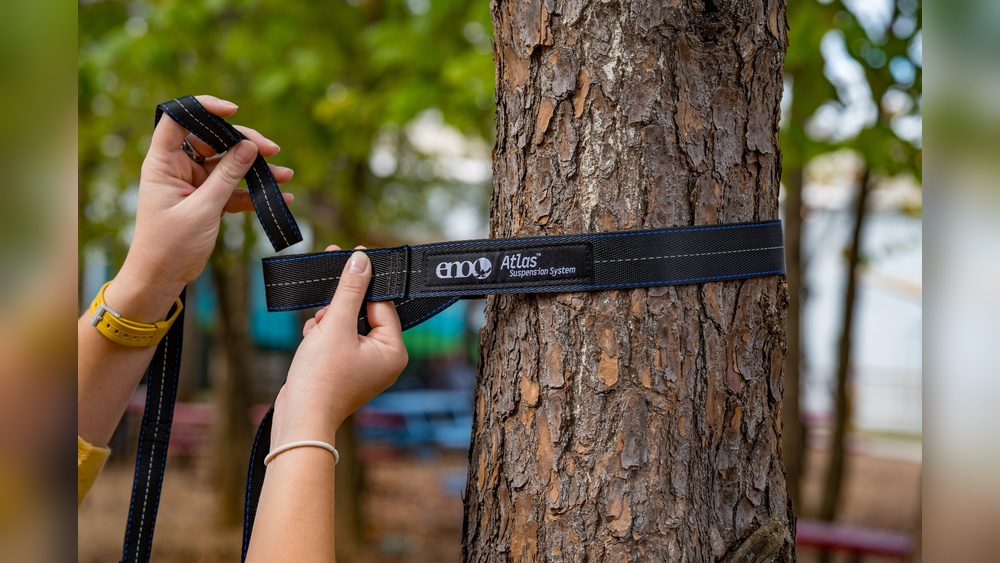
Choosing tree-friendly straps is key to enjoying your hammock safely and responsibly. These straps protect trees and ensure your setup is secure. Using the right straps helps preserve nature and supports better outdoor habits. Focus on straps that prevent damage to the bark and allow easy hanging. Quality materials and thoughtful design make all the difference.
Importance Of Tree Protection
Trees need care when you use a hammock. Straps that are too thin or rough can harm tree bark. Damaged bark can lead to disease or death of the tree. Wide straps spread the weight and reduce pressure on the tree. This helps keep trees healthy for future use. Respecting nature means using straps designed to protect trees.
Materials That Minimize Damage
Materials affect how gentle straps are on trees. Polyester webbing is strong and smooth, causing less damage. Nylon is durable but can sometimes cut into bark if too thin. Look for straps at least one inch wide. Soft, flat straps reduce the risk of bark injury. Avoid thin ropes or cords that dig into trees.
Weight Capacity And Strength
Choosing the right hammock straps means understanding weight capacity and strength. These two factors ensure safety and comfort. Straps must hold your weight and any extra load without breaking or stretching. This section helps you pick straps that fit your needs and keep you secure.
Assessing Your Load Needs
Start by knowing your total load. Add your body weight and gear weight. Think about extra items like backpacks or pets. Choose straps with a weight rating higher than your total load. This adds a safety margin and prevents accidents. Look for labels that show maximum weight capacity. Avoid straps with unclear or low ratings.
Heavy-duty Strap Options
Heavy-duty straps use strong materials like polyester or nylon webbing. These straps often have weight capacities over 400 pounds. Some use reinforced stitching for extra strength. Bear Butt Kodiak and Hammock Gear Daisy Chain are popular heavy-duty choices. They work well for heavier users or carrying extra gear. Pick wide straps to spread weight and reduce tree damage.
Weight And Packability
Weight and packability play a key role in choosing hammock straps. These factors affect how easy it is to carry and use the straps. Lightweight and compact straps make a big difference for backpackers and travelers. They reduce the load and free up space in your pack. Straps that pack small also help keep your gear organized and easy to find.
Choosing the right material and design helps balance strength with portability. Some materials offer excellent strength without adding bulk. Others focus on being as light as possible. Understanding these options helps pick straps that suit your needs and travel style.
Ultralight Materials For Backpacking
Ultralight materials like Dyneema are popular for backpacking hammock straps. Dyneema is very strong but weighs very little. Thin webbing made from nylon or polyester also works well. These materials keep your pack light while holding your weight safely. Ultralight straps fold down small, fitting easily into tight spaces. They are ideal for long hikes where every ounce counts.
Balancing Durability And Portability
Durability matters as much as weight. Strong straps resist wear and tear from rough trees and weather. Polyester webbing offers good strength and lasts longer under UV light. Dyneema is strong but can weaken if exposed to sunlight too long. Thicker straps often last longer but take more space and weigh more. Choose straps that balance toughness with compact size for your trips.
Material Types And Durability
Choosing the right material for hammock straps affects their strength and lifespan. Durable materials keep you safe and ensure long use. Each material type has unique traits that suit different needs. This section compares popular materials and explains their durability.
Polyester Vs Dyneema
Polyester straps are common and strong. They resist stretching and hold weight well. Polyester feels slightly stiff but lasts long under regular use. It handles moisture and rough surfaces without damage.
Dyneema is a high-performance fiber. It is very light and stronger than steel by weight. Dyneema straps are thin and pack small, perfect for backpackers. They can wear faster if exposed to friction or harsh conditions.
Uv Resistance And Longevity
UV rays break down many fibers over time. Polyester resists UV damage better than Dyneema. This means polyester straps keep strength longer when left in the sun. Dyneema loses strength faster with constant UV exposure.
For long outdoor use, choose straps with UV protection. Some straps have special coatings to slow sun damage. Regularly inspect straps for fading or fraying. Replace straps once they show wear to avoid accidents.
Strap Length And Adjustment
Strap length and adjustment play a key role in setting up your hammock safely and comfortably. The straps must fit the distance between your trees or anchor points perfectly. They also need to adjust easily for different hanging heights and angles. Choosing the right length and adjustment features makes your hammock experience smooth and secure.
Choosing The Right Length
Measure the distance between your trees before buying straps. Add extra length for wrapping around the tree and making secure knots or loops. Standard hammock straps range from 10 to 15 feet. Longer straps offer more flexibility for wider or uneven spaces. Too short straps limit where you can hang your hammock. Too long straps can cause excess slack and instability.
Ease Of Adjustment Features
Look for straps with simple adjustment systems. Buckles, loops, or carabiner-friendly designs speed up setup. Quick-adjust straps let you tighten or loosen without untying knots. This saves time and effort, especially outdoors. Some straps have multiple loops for precise height control. Easy adjustments help maintain the right tension and angle. Straps that adjust smoothly also reduce wear and tear on the material.
Credit: www.reddit.com
Popular Brands And Models
Choosing the right hammock straps improves your hanging experience. Popular brands offer options for different needs. Each brand has models with unique features. Quality, strength, and ease of use matter most. Below are top picks from trusted brands to help you decide.
Best Overall Straps
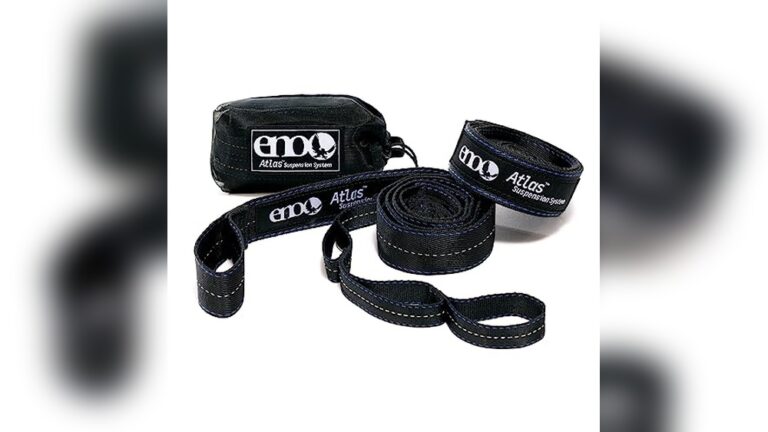
ENO Atlas Straps stand out for easy setup and durability. They have multiple loops for perfect adjustment. These straps avoid knots, saving time and effort. Made from strong polyester, they protect trees well. Ideal for casual park or backyard use.
Top Ultralight Choices
Hummingbird Hammocks Tree Straps are extremely light and compact. Perfect for backpackers who want to save weight. DutchWare Spider Web Straps use ultra-light webbing for minimalists. Both options offer good strength without bulk. Easy to carry and quick to install.
Heavy-duty Strap Recommendations
Bear Butt Kodiak Straps offer high weight capacity and toughness. Great for heavier users or gear loads. Hammock Gear Daisy Chain Straps support strong suspension with many loops. These heavy-duty straps ensure safety and stability. Built to last in demanding outdoor conditions.
Safe And Quick Setup Tips
Setting up hammock straps safely and quickly improves your outdoor experience. Proper setup prevents accidents and saves time. Focus on methods that avoid knots and use reliable attachment points. These tips help secure your hammock firmly and make hanging easier.
Knot-free Installation
Knot-free installation uses straps with multiple loops or carabiner-friendly ends. This method reduces setup time and avoids weak knots. Loop the strap around the tree and clip the carabiner to the loop that fits your desired height. Adjusting the height is simple by choosing different loops. It also protects tree bark better than ropes tied tightly with knots. Choose straps made of strong, durable webbing for safety.
Using Daisy Chains And Loops
Daisy chains offer many small loops stitched into the strap. These loops let you attach your hammock at various lengths without tying knots. Slide the carabiner into the loop that fits your hang angle and height. This setup is secure and easy to adjust on the fly. Daisy chains reduce wear on your hammock and trees. Look for straps with heavy-duty stitching and strong materials to ensure safety and long use.
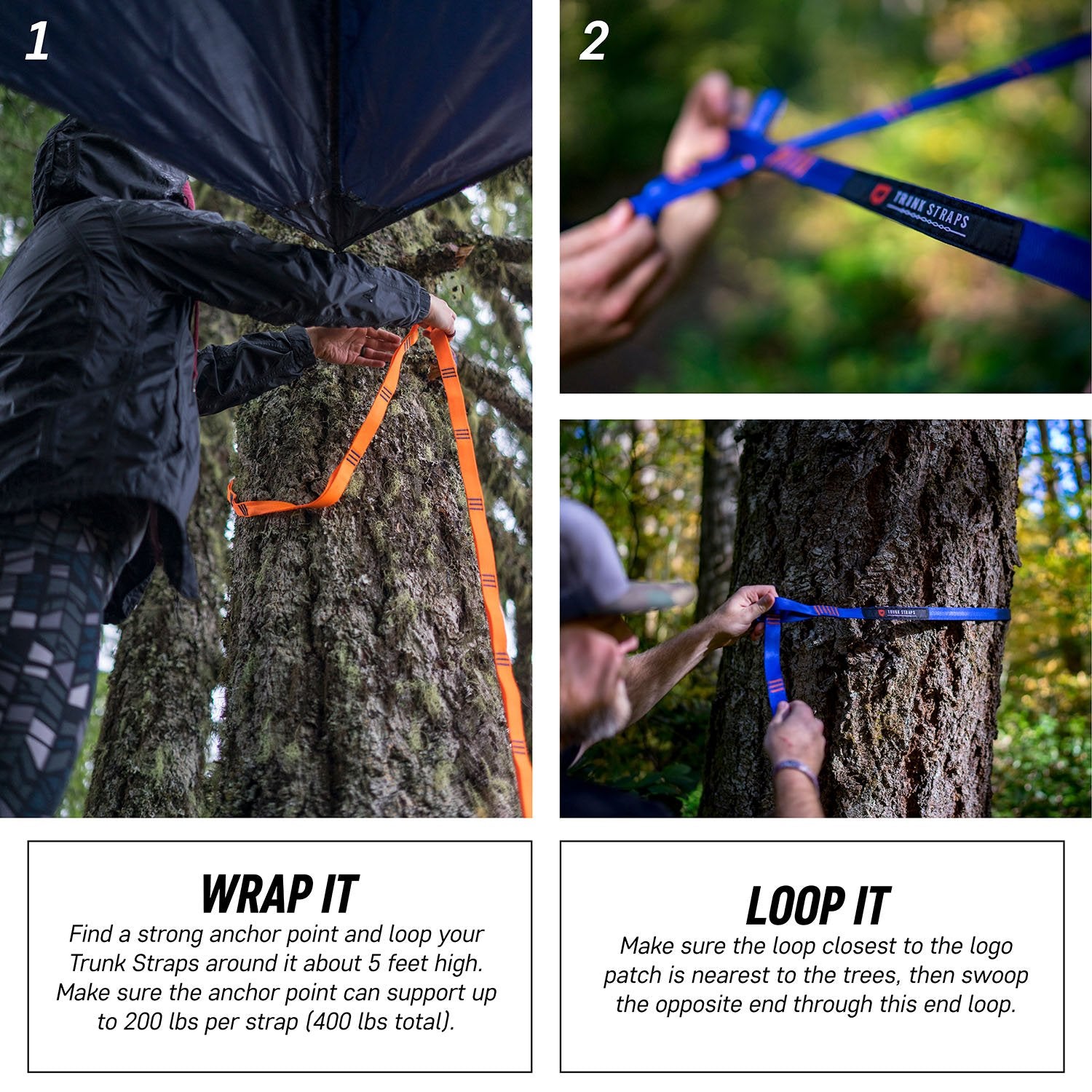
Credit: www.grandtrunk.com

Credit: www.amazon.com
Frequently Asked Questions
What Are The Best Hammock Straps?
The best hammock straps include ENO Atlas for ease, Bear Butt Kodiak for strength, and Hummingbird Hammocks for ultralight use. Choose tree-friendly, durable materials like polyester or Dyneema. Prioritize weight capacity and packability for your needs.
How Long Should Hammock Straps Be?
Hammock straps should be 8 to 12 feet long for versatile, secure hanging. Longer straps suit wider tree distances and offer more adjustment. Choose straps that support your hammock weight and protect trees.
Is It Healthy To Sleep In A Hammock Every Night?
Sleeping in a hammock nightly can improve sleep quality and relieve pain if properly used. Avoid spreader bars and lie diagonally for spinal support. Consult a doctor if you have back issues.
Should I Use 4×4 Or 6×6 Posts For Hammock?
Use 6×6 posts for stronger, more durable hammock support. 4×4 posts work for lighter hammocks but offer less stability.
Conclusion
Choosing the right hammock straps makes your outdoor experience safe and fun. Focus on strength, tree-friendliness, and ease of use. Lightweight and durable materials help if you hike or travel light. Try well-known brands for quality and reliability. Remember, good straps protect trees and support your weight comfortably.
With careful choice, hanging your hammock becomes quick and worry-free. Enjoy nature with confidence and comfort every time you relax outdoors.

I am an outdoor enthusiast and gear researcher passionate about camping, hiking, backpacking, and outdoor adventures. I enjoy testing gear, comparing products, and sharing practical advice to help readers make informed decisions. At BestOutsideGear, I create honest gear reviews, buying guides, and outdoor tips to help adventurers choose the right equipment with confidence.