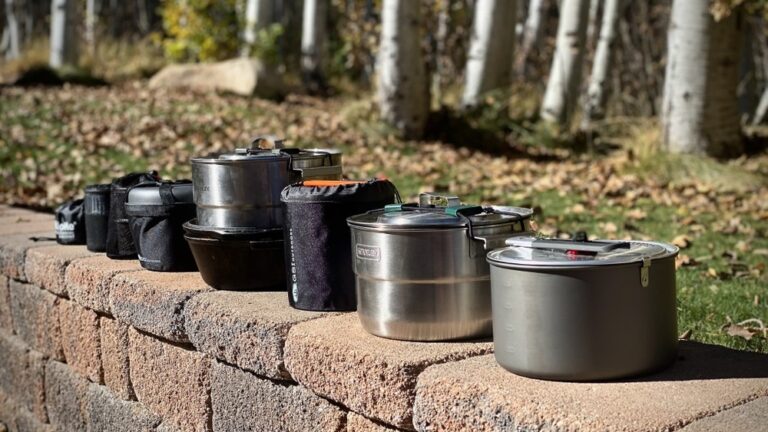
Maintenance Tips for Camping Cookware Set: Essential Care Guide
You’ve invested in a camping cookware set to make your outdoor meals easier and more enjoyable. But are you taking the right steps to keep it in top shape?
Proper maintenance not only extends the life of your cookware but also ensures every meal tastes great and your gear stays safe to use. You’ll discover simple, effective tips to clean, care for, and store your camping cookware set—so you can focus on the adventure ahead without worrying about your gear.
Ready to learn how to protect your investment and enjoy hassle-free cooking on every trip? Let’s dive in!
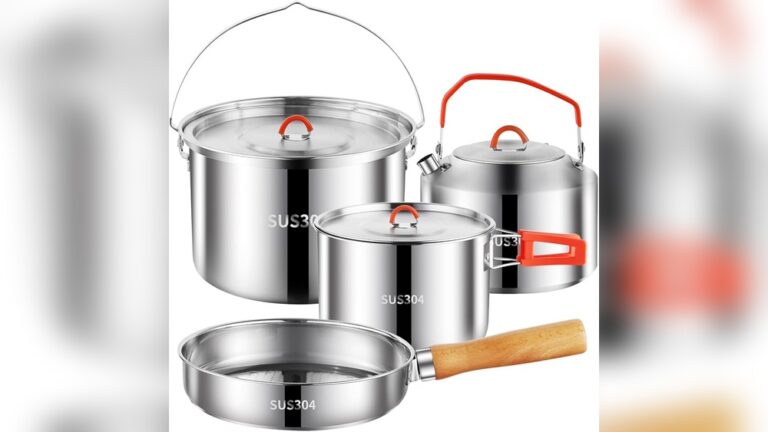
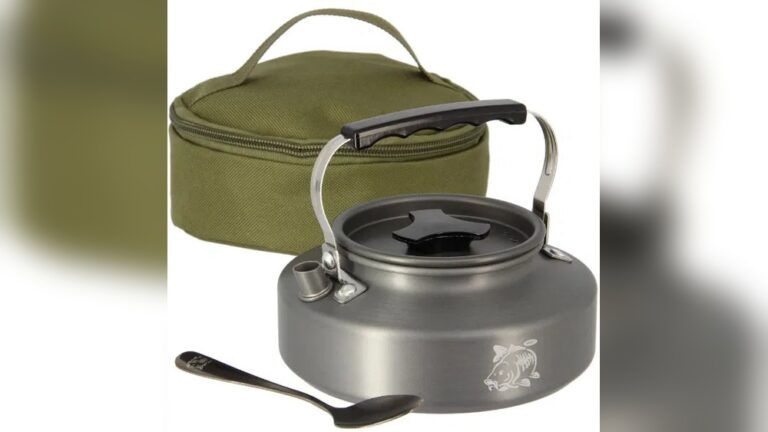
Choosing The Right Cookware Material
Rinsing cookware immediately after use stops food from sticking. Use clean water to wash off any loose bits right away. This keeps pots and pans ready for the next meal.
Natural scrubbers like dirt or ash work well when no brush is available. Rub the cookware gently with ash or dirt to remove stuck food. These natural materials absorb grease and clean surfaces without damage.
Soak cookware in warm water with mild soap for a few minutes to loosen grime. Use a soft sponge to wash it clean. Avoid strong detergents that may harm the cookware’s finish. Dry everything thoroughly before packing away.

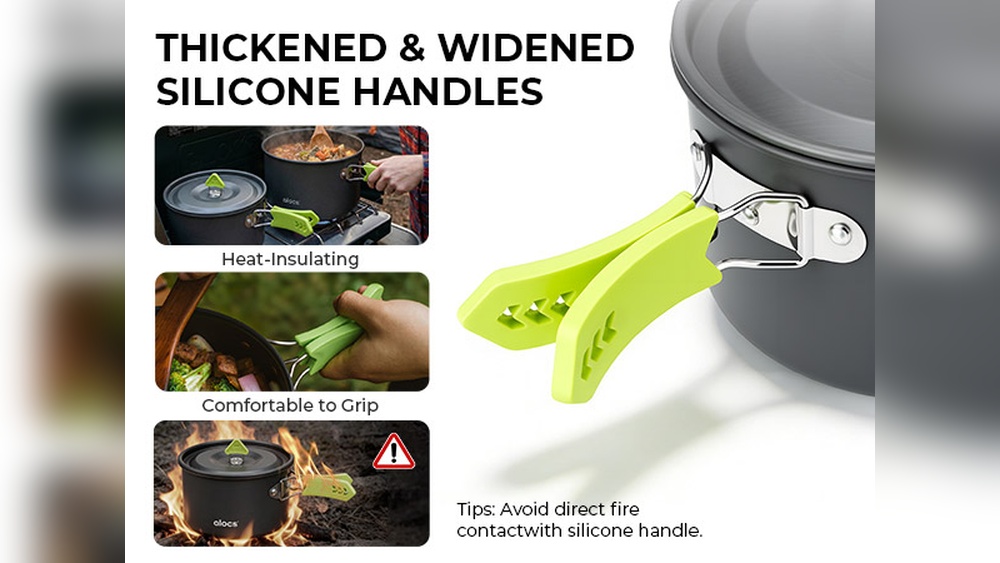
Credit: www.amazon.ae
Cleaning Techniques For Camping Cookware
Seasoning cast iron over fire improves its cooking surface and stops rust. Add a few inches of cooking oil inside the pot. Heat it until the oil starts to burn. Let the fire burn out and the pot cool down. This creates a nonstick layer for better cooking.
Maintaining nonstick surfaces means using soft sponges and avoiding metal utensils. Clean with warm, soapy water after each use. Avoid strong scrubbing that can damage the coating. Dry the cookware well to stop rust.
Preventing rust and corrosion requires drying cookware fully before storing. Store in a dry place with good air flow. Applying a thin layer of oil on cast iron helps protect it. Avoid leaving cookware wet or in damp conditions for long.
Seasoning And Protecting Cookware
Wash and dry systems help keep camping cookware clean and ready. Use two bins: one for soapy water, one for rinsing. Drain plugs let water escape easily. This keeps your dishes and utensils clean and dry faster.
Packing cookware carefully prevents damage. Nest pots and pans inside each other. Place soft cloths or paper towels between them to avoid scratches. Store sharp utensils separately in a case or pouch.
Keep utensils clean and easy to find. Use a small container or bag for forks, spoons, and knives. This stops them from getting lost or dirty. Organize your cooking set so everything is ready to use quickly.
Storage And Organization Tips
Burnt food residue can be tough to remove from camping cookware. Soak the cookware in warm water for 15-30 minutes. Use a soft brush or sponge to scrub gently. Avoid metal scrubbers that can damage the surface. For stubborn burnt spots, sprinkle baking soda on them and add a little water to make a paste. Let it sit for 10 minutes before scrubbing again.
Stains on cookware may come from oils or food colors. A mix of vinegar and water works well to lift stains. Boil this mixture in the pot for 5 minutes, then rinse thoroughly. For very stubborn stains, use a paste of baking soda and water, then scrub softly.
| Issue | Quick Repair Tip |
|---|---|
| Loose handles | Tighten screws with a small screwdriver or wrap handle with strong tape. |
| Small dents | Gently tap out dents with a rock or heavy object on a soft surface. |
| Scratches | Rub lightly with fine steel wool to smooth edges and prevent rust. |
Handling Common Issues In The Wild
Regular cleaning keeps your camping cookware in good shape. Use warm water and a soft sponge to remove food bits. Avoid harsh scrubbing that can damage nonstick surfaces. Let cookware dry completely before storing. This prevents rust and mold.
Do not use steel wool or strong chemicals. These can scratch or ruin the cookware’s finish. Instead, try gentle scrubbing with baking soda for tough stains. Avoid soaking for long hours to keep materials strong.
For seasonal storage, clean cookware thoroughly. Store in a dry, cool place to stop rust and odors. Keep lids off or slightly open to allow air flow. Use cloth bags or wrap with paper towels to protect from dust and scratches.
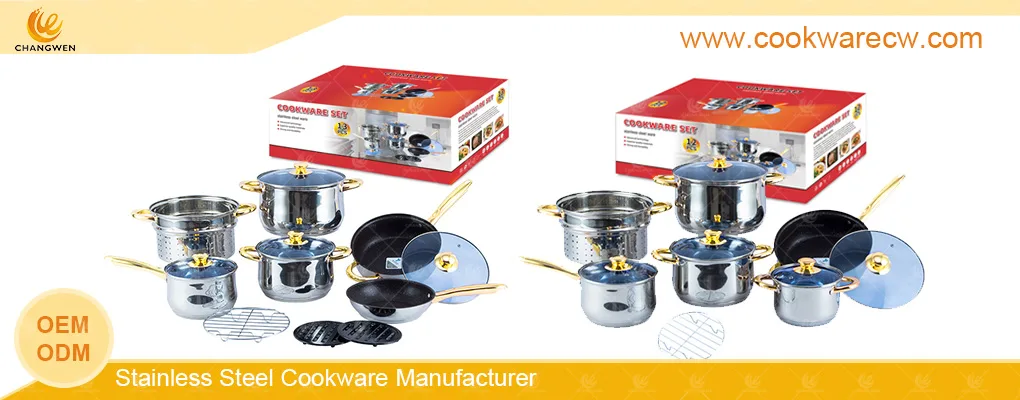
Credit: www.cookwarecw.com
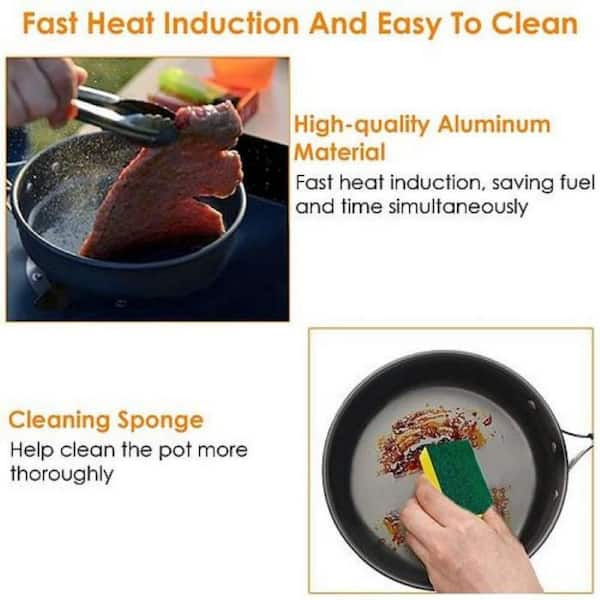
Credit: www.homedepot.com
Frequently Asked Questions
How To Clean Camping Cookware?
Rinse cookware with hot water immediately after use. Scrub with biodegradable soap and a sponge. Use dirt or ashes to remove grease. Dry thoroughly before storing to prevent rust and odors.
What Is The Most Forgotten Item When Camping?
The most forgotten camping items include extra batteries, insect repellent, hand sanitizer, cooking utensils, and ziplock bags. These essentials ensure comfort, hygiene, and convenience outdoors. Always double-check your packing list to avoid missing them.
What’s The Best Material For Camping Cookware?
Hard-anodized aluminum is the best camping cookware material. It heats evenly, is lightweight, durable, and easy to clean with a nonstick coating.
How To Season A Camping Pan?
Clean the pan thoroughly. Apply a thin layer of cooking oil inside. Heat it over a campfire or stove until smoking. Let it cool naturally. Repeat for better seasoning. This process creates a non-stick, rust-resistant surface for your camping pan.
Conclusion
Proper care keeps your camping cookware ready for every trip. Clean pots and pans soon after use to avoid stubborn stains. Use gentle scrubbing tools to protect surfaces and finishes. Store cookware dry to prevent rust and damage. Regular maintenance extends the life of your gear.
Simple habits save time and effort on future adventures. Enjoy cooking outdoors with well-kept, reliable equipment every time.

I am an outdoor enthusiast and gear researcher passionate about camping, hiking, backpacking, and outdoor adventures. I enjoy testing gear, comparing products, and sharing practical advice to help readers make informed decisions. At BestOutsideGear, I create honest gear reviews, buying guides, and outdoor tips to help adventurers choose the right equipment with confidence.