How to Pack With Multi-Fuel Stove: Ultimate Space-Saving Tips
Packing your multi-fuel stove the right way can make all the difference on your outdoor adventures. You want your stove to be safe, easy to carry, and ready to use when you need it most.
But how do you pack it without damaging the stove or creating a mess with fuel? In this guide, you’ll discover simple, practical tips to pack your multi-fuel stove efficiently. Whether you’re heading out for a weekend hike or a longer trip, these steps will help you protect your gear and stay organized.
Keep reading to learn how to pack your stove like a pro and enjoy cooking on the trail without hassle.
Credit: nationalflues.com
Choosing The Right Multi-fuel Stove
Choosing the right multi-fuel stove is key for a smooth outdoor cooking experience. Different stoves serve different needs. Picking the best one depends on where and how you plan to use it. Consider your fuel options, size, and weight. These factors affect your trip comfort and stove performance.
Types Of Multi-fuel Stoves
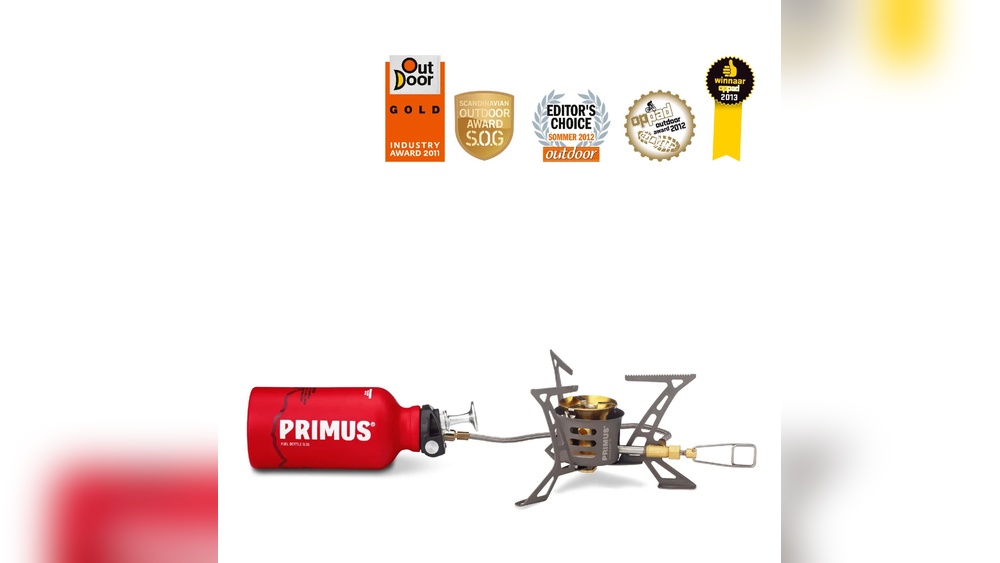
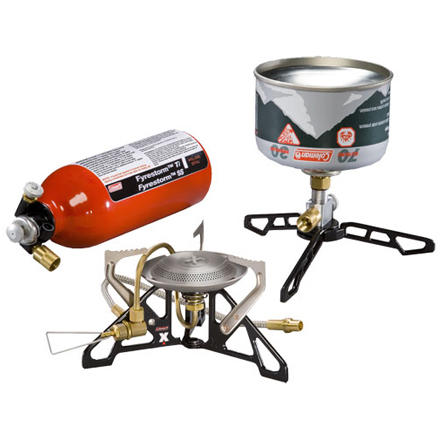
Multi-fuel stoves come in several types. Some use liquid fuels like white gas or kerosene. Others burn solid fuels such as wood or coal. There are also hybrid stoves that can handle both. Each type suits different environments and user skills. Choose a stove type that matches your travel plans and fuel availability.
Fuel Compatibility And Storage
Check which fuels your stove can use. Some stoves need specific fuels only. Others work with a wider fuel range. Carrying fuel safely is important. Liquid fuels require leak-proof containers. Solid fuels need dry storage to avoid moisture. Plan how much fuel you will need. Fuel storage space can add to your pack weight.
Size And Weight Considerations
Size and weight affect your pack load. Compact stoves save space and are easier to carry. Larger stoves can cook bigger meals faster but are heavier. Think about your trip duration and group size. A small, light stove suits solo trips. For groups, a heavier stove might be better. Balance stove size with your carrying capacity.
Preparing Your Stove For Packing
Preparing your multi-fuel stove for packing is essential for safety and longevity. Proper preparation prevents damage and keeps the stove ready for your next adventure. Follow these steps to pack your stove securely and cleanly.
Cleaning And Maintenance
Start by cleaning your stove thoroughly. Remove any ash, soot, or fuel residue. Use a soft brush or cloth to wipe the exterior and interior. Check for rust or damage. Clean parts help the stove work better and last longer. Let the stove dry completely before packing.
Emptying Fuel Safely
Remove all fuel from the stove and fuel tank. Do this outdoors or in a well-ventilated area. Use approved containers to store leftover fuel. Avoid spilling fuel on the stove or ground. Empty fuel reduces fire risk and prevents leaks during travel.
Disassembling Components
Take apart removable parts like burners, fuel lines, and pots. Pack these separately to avoid damage. Keep small parts in a labeled bag or container. Disassembling makes packing easier and protects delicate pieces. This step also helps spot any parts needing repair.
Space-saving Packing Techniques
Packing a multi-fuel stove efficiently saves space and keeps your gear organized. Space-saving packing techniques help you fit more into your bag without making it bulky. Careful packing also protects your stove and fuel during travel. Use these simple methods to pack smart and light.
Using Stove Bags And Pouches
Stove bags and pouches keep your stove parts together and prevent scratches. Choose a durable, water-resistant bag for better protection. Soft pouches reduce noise and stop metal parts from banging. Use the bag to hold small accessories like windshields and tools. This method keeps your gear compact and easy to find.
Packing Inside Cookware
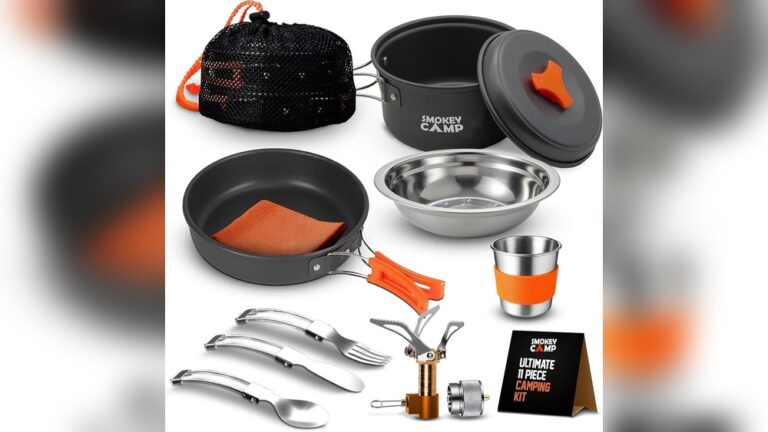
Put smaller stove parts inside your cookware to save space. Nest pots and pans with stove parts inside to create one compact unit. This reduces loose items and keeps everything secure. Wrap sharp or delicate parts with cloth or silicone to avoid damage. This trick uses empty space and lightens your load.
Wrapping And Securing Fuel Bottles
Fuel bottles need extra care to avoid leaks or damage. Wrap them in cloth or bubble wrap for cushioning. Place bottles upright and secure them with straps or elastic bands inside your bag. Keep fuel separate from food and electronics for safety. Proper wrapping prevents spills and keeps your pack clean.
Organizing Accessories Efficiently
Organizing your multi-fuel stove accessories improves your packing and cooking experience. Proper arrangement saves space and protects your gear. It helps you find what you need quickly. Efficient organization keeps everything compact and ready to use. Focus on grouping accessories by type and size. Use small bags or containers to separate items. Label each container if possible for easy identification. This method prevents damage and loss during travel.
Wind Screens And Tools
Pack wind screens flat or rolled to save space. Use a small pouch to hold them securely. Include tools like pot grippers, scrapers, and cleaning brushes. Keep these tools together to avoid misplacing them. Choose lightweight and durable materials for tools. Make sure they fit well with your stove setup. This helps you cook safely and efficiently outdoors.
Spare Parts And Repair Kits
Carry essential spare parts such as O-rings and jets. Use a small, waterproof container to protect these parts. Include a basic repair kit with screwdrivers and wrenches. This kit allows quick fixes on the trail. Check parts before packing to ensure they fit your stove model. Organized spares increase your stove’s reliability during trips.
Fuel Canisters And Storage Options
Store fuel canisters in a cool, dry place inside your pack. Use separate bags for fuel to avoid leaks or spills. Label each canister with fuel type and quantity. Carry only the fuel you need for your trip length. Keep fuel away from heat sources and sharp objects. Proper storage ensures safety and easy access when cooking.
Travel Tips And Safety
Packing a multi-fuel stove requires careful attention to safety and travel rules. Proper preparation helps avoid delays and hazards during your trip. This section covers key travel tips and safety measures.
Tsa And Airline Regulations
The Transportation Security Administration (TSA) has strict rules for stoves and fuel. Always empty the stove and fuel containers before flying. Clean the stove to remove all fuel vapors. Carry stoves only as checked luggage unless otherwise allowed. Check the airline’s specific policies before travel. Following these rules prevents confiscation and fines.
Preventing Fuel Leaks And Vapors
Store fuel in approved containers designed for your stove type. Make sure all caps and seals are tight to avoid leaks. Keep fuel containers in a plastic bag for extra protection. Avoid overfilling the stove or fuel bottles. Store fuel away from heat and direct sunlight. Proper storage reduces the risk of leaks and dangerous vapors.
Handling Stoves During Transport
Pack your stove in a sturdy, padded case to protect it. Remove any detachable parts and pack them separately. Carry the stove in an upright position to prevent damage. Avoid placing heavy items on top of the stove bag. Label the package as fragile if possible. Careful handling keeps your stove safe and functional for your trip.
Credit: www.backcountry.com
Using Your Multi-fuel Stove On The Go
Using your multi-fuel stove on the go makes cooking outdoors simple and efficient. This type of stove runs on different fuels like wood, coal, or gas. It is perfect for camping, hiking, or any outdoor adventure. Knowing how to set it up, manage airflow, and handle fuel helps you cook safely and quickly.
Setting Up Quickly
Choose a flat, stable surface to place your stove. Clear away any dry leaves or flammable materials nearby. Assemble the stove parts as shown in the manual. Keep tools and fuel close to save time. Light the stove carefully using a match or lighter. Wait for the fire to burn steady before cooking.
Airflow And Ventilation
Open the air vents fully at first to help the fire start. Proper airflow keeps the flame strong and steady. Adjust the vents to control the heat while cooking. Avoid closing vents too much or the fire may go out. Always use the stove in a well-ventilated area to prevent smoke buildup.
Fuel Management While Camping
Bring enough fuel based on your cooking needs and trip length. Store fuel in a dry, safe place away from the stove. Add small amounts of fuel at a time to keep the fire steady. Use dry wood or approved fuel types for best results. Never leave the stove burning unattended to avoid accidents.
Credit: nationalflues.com
Frequently Asked Questions
What Is The Most Efficient Way To Use A Multi-fuel Stove?
Light firelighters directly and keep air vents open for airflow. Add fuel gradually to maintain steady burning. Adjust air controls based on fuel type for optimal efficiency. Keep the stove clean and well-maintained to ensure consistent performance.
What Are The Disadvantages Of A Multi-fuel Stove?
Multi-fuel stoves are costly and complex to operate. They require careful fuel storage and frequent maintenance. Adjusting controls for different fuels can be challenging. Their weight and size may hinder portability. Fuel availability can limit use in remote areas.
How To Travel With A Camping Stove?
Travel with a camping stove by emptying all fuel and cleaning it thoroughly to remove vapors. Pack the stove securely, preferably inside cookware, and carry fuel bottles separately in well-padded containers. Follow airline and TSA regulations for safe transport.
Can You Leave The Door Open On A Multi-fuel Stove?
No, do not leave the door open on a multi-fuel stove. It wastes heat, burns fuel quickly, and may damage the stove and flue. Always keep the door closed for safe, efficient operation.
How Do I Safely Pack A Multi-fuel Stove For Travel?
Empty all fuel and clean the stove to remove vapors or residue. Pack it in a sturdy bag or case to protect it from damage. Keep fuel containers separate and sealed tightly.
Conclusion
Packing a multi-fuel stove needs care and planning. Keep the stove clean and dry before packing. Use a sturdy bag or container for protection. Store fuel separately and securely to avoid leaks. Organize small parts to prevent loss during travel.
Always follow safety rules when handling fuels. Proper packing saves space and prevents damage. This makes your outdoor cooking easier and safer. Remember, a well-packed stove is ready for any adventure.

I am an outdoor enthusiast and gear researcher passionate about camping, hiking, backpacking, and outdoor adventures. I enjoy testing gear, comparing products, and sharing practical advice to help readers make informed decisions. At BestOutsideGear, I create honest gear reviews, buying guides, and outdoor tips to help adventurers choose the right equipment with confidence.