How to Keep Bugs Out of Tent When Camping – Expert Tips
Camping is a great way to escape city life and enjoy nature. But nothing ruins a peaceful night in the woods faster than bugs invading your tent. Mosquitoes, ants, and spiders can make sleeping uncomfortable and even risky. Luckily, there are practical ways to keep bugs out of your tent and enjoy your trip.
With the right steps, you can protect yourself and sleep better outdoors.
Choose The Right Campsite
Where you pitch your tent matters. Bugs are attracted to certain areas, so location is key.
- Avoid setting up near standing water. Mosquitoes breed in ponds, puddles, and marshes.
- Look for dry, open spaces. Wet grass and dense bushes often hide insects.
- Camp upwind from water sources if possible. This helps keep flying bugs away.
- Check the ground for ant hills or spider webs before pitching your tent.
A well-chosen campsite reduces bug problems by up to 80%. Many experienced campers say that picking the right spot is the most important step.
Seal Your Tent Properly
Most bugs enter through small openings. Making your tent bug-proof takes just a few minutes.
- Always zip your tent doors and windows completely, even when you step out briefly.
- Inspect for holes or tears before your trip. Repair them with patches or tape.
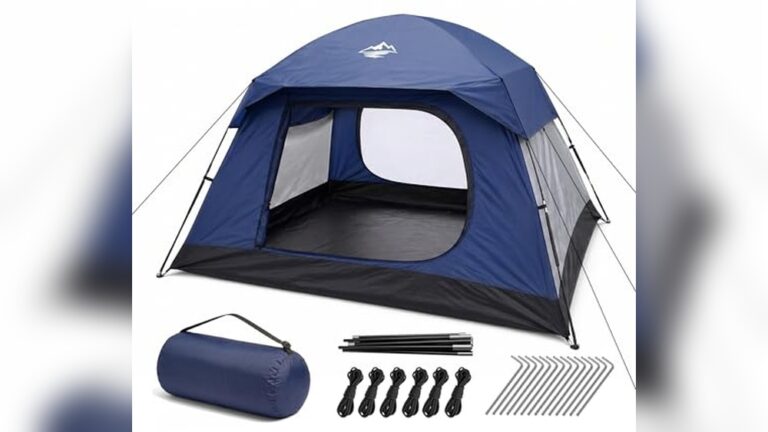
- Choose tents with fine mesh screens. These block even tiny insects like no-see-ums.
- Use a ground tarp under your tent. This adds a layer of protection from crawling bugs.
Compare tent features below:
| Feature | Standard Tent | Bug-Proof Tent |
|---|---|---|
| Mesh Size | Medium | Fine |
| Sealed Seams | No | Yes |
| Floor Quality | Thin | Thick |
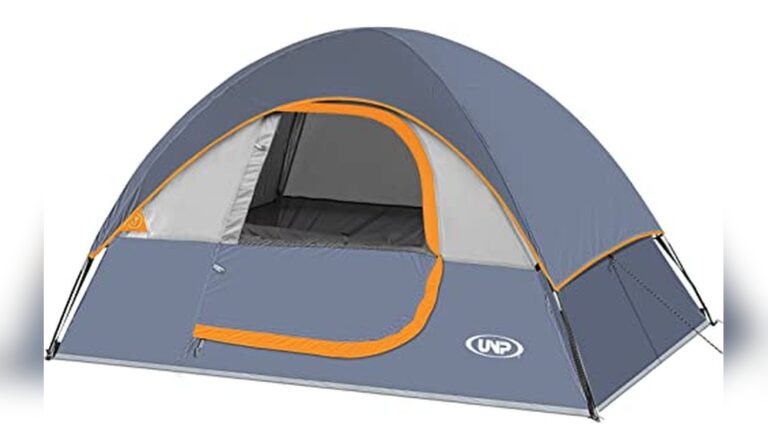
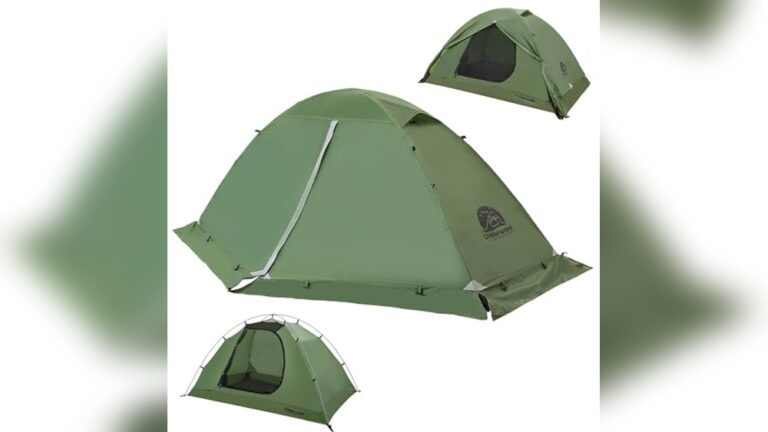
A tent with fine mesh and sealed seams can keep out nearly all bugs, including the smallest gnats.

Credit: www.amazon.com
Use Bug Repellents Wisely
Repellents are effective but must be used correctly.
- Apply DEET-based sprays or natural alternatives like lemon eucalyptus oil to exposed skin.
- Spray bug repellent around the tent entrance, but avoid spraying inside the tent.
- Consider using mosquito coils or citronella candles near your tent, but never leave them unattended.
A recent study shows that DEET repellent can reduce mosquito bites by 98% for up to 8 hours. However, some people prefer natural options to avoid harsh chemicals.
Keep Your Tent Clean
Food and crumbs attract insects. Keeping your tent tidy is essential.
- Never eat inside your tent. Food smells draw ants and beetles.
- Store snacks in sealed containers and keep them outside the sleeping area.
- Shake out your sleeping bag and clothes before bringing them inside.
- Regularly sweep out debris with a small brush.
Here is a comparison of tent cleanliness impact:
| Clean Tent | Messy Tent |
|---|---|
| Few bugs present | Many bugs attracted |
| No food smells | Strong food odors |
| Easy to sleep | Sleep disturbed |
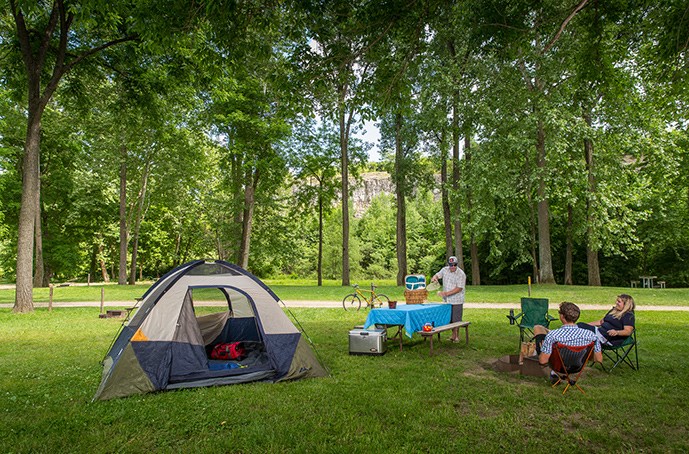
A clean tent is far less attractive to bugs. Even a small snack can bring ants and flies, so strict cleaning habits help a lot.
Credit: koa.com
Dress To Prevent Bites
Your clothing can protect you from bugs, especially at night.
- Wear long sleeves and pants. Tight-knit fabrics block mosquito bites better than loose ones.
- Choose light-colored clothing. Dark colors attract mosquitoes.
- Tuck pants into socks to stop crawling bugs.
- Avoid using strong perfumes or scented lotions.
Some campers use bug nets for hats or hands. This extra barrier is useful in areas with lots of flying insects.
Use Physical Barriers
Sometimes, extra barriers are needed for tough bug situations.
- Place a mosquito net over your sleeping area for extra protection.
- Use tent vestibules to create a buffer zone at the entrance.
- Hang sticky bug traps outside the tent to catch insects before they enter.
Below is a quick barrier comparison:
| Barrier | Effectiveness | Best Use |
|---|---|---|
| Mosquito Net | High | Sleeping area |
| Vestibule | Medium | Entry zone |
| Sticky Trap | Low | Outside tent |
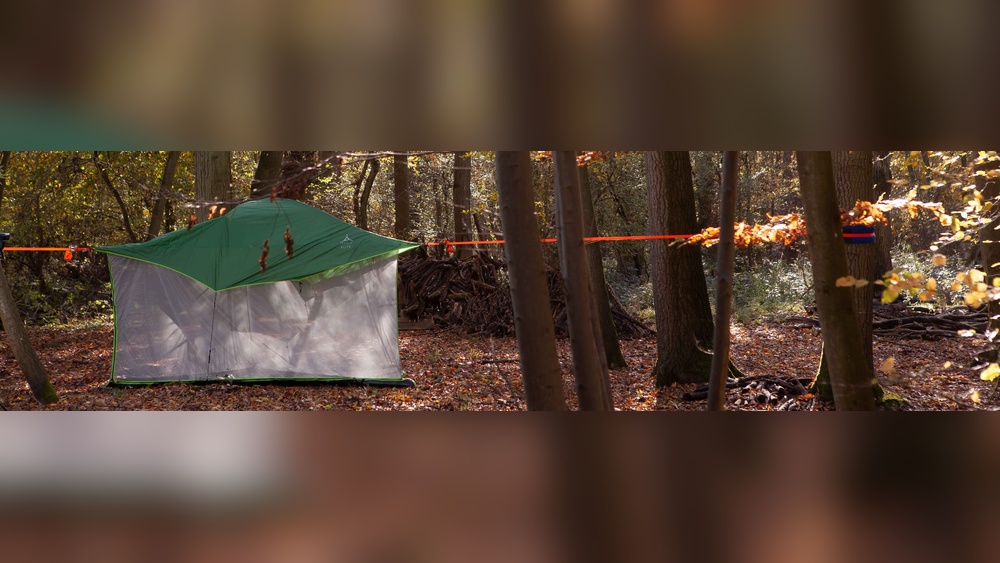
Mosquito nets are especially useful in tropical areas or during peak bug seasons.

Credit: www.canvascamp.com
Plan Around Bug Activity
Bugs are more active at certain times and in certain weather.
- Avoid camping during peak bug seasons, such as spring and summer.
- Set up your tent before sunset. Mosquitoes are most active at dusk.
- Use weather apps to track humidity, since high humidity brings more bugs.
For example, mosquitoes are most active between 6 pm and 9 pm. If you plan your evening carefully, you can avoid the worst bug swarms.
Non-obvious Insights
Many beginners overlook these points:
- Keep tent lights low. Bright lights attract flying insects. Use red or dim lighting inside the tent.
- Check gear for hitchhikers. Bugs can hide in backpacks, shoes, and clothes. Shake out all items before bringing them into the tent.
Some campers also use essential oils like lavender or tea tree oil, which repel insects. However, always test oils for skin sensitivity first.
Final Tips For Bug-free Camping
Camping without bugs is possible with the right preparation. Choose your campsite wisely, seal your tent, and use repellents carefully. Cleanliness and smart clothing choices will further protect you. Physical barriers and planning around bug activity make a big difference, especially in high-risk areas.
For extra guidance on camping safety and bug control, check this CDC camping safety resource.
By following these steps, you can enjoy nature without worrying about bugs in your tent. Your camping experience will be safer, more comfortable, and much more enjoyable.

I am an outdoor enthusiast and gear researcher passionate about camping, hiking, backpacking, and outdoor adventures. I enjoy testing gear, comparing products, and sharing practical advice to help readers make informed decisions. At BestOutsideGear, I create honest gear reviews, buying guides, and outdoor tips to help adventurers choose the right equipment with confidence.