How to Keep Power Cords Safe While Tent Camping: Essential Tips
When you’re out tent camping, having power can make your trip more comfortable and convenient. But juggling power cords in the great outdoors comes with risks you might not expect.
If your cords get wet, tangled, or damaged, it can lead to electrical hazards or even ruin your gear. You want to enjoy your adventure without worrying about safety issues or trip hazards around your campsite. That’s why learning how to keep your power cords safe while tent camping is essential.
You’ll discover simple, practical tips that protect your cords, keep your campsite organized, and ensure your outdoor power setup runs smoothly from start to finish. Keep reading to make your next camping trip safer and more enjoyable!
Choosing The Right Power Cord
Choosing the right power cord is key for safe and efficient tent camping. The correct cord ensures reliable power and prevents hazards. This section covers important features to consider when selecting your camping power cord.
Gauge And Length Considerations
The gauge of a power cord affects how much current it can carry safely. Lower gauge numbers mean thicker wires and higher capacity. Choose a cord with a gauge that matches your power needs. Length also matters. Longer cords can cause voltage drops and overheating if the gauge is too thin. Measure the distance from your power source to your tent before buying. Pick a cord long enough to reach without stretching.
Outdoor-rated Cords
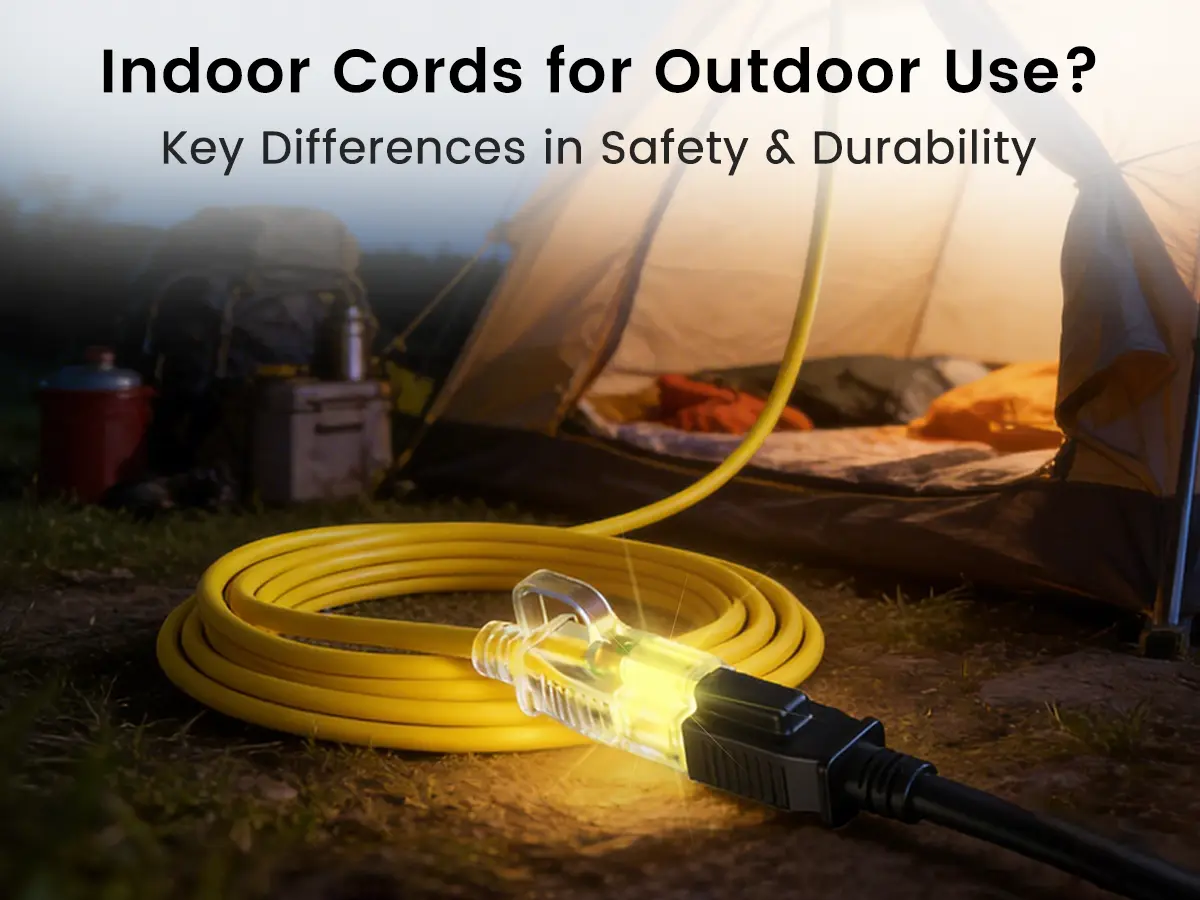
Outdoor-rated cords have special insulation and construction for rough environments. They resist damage from dirt, rocks, and sharp edges. Such cords reduce risks of shocks and shorts. Look for cords marked “outdoor” or “weather-resistant.” These cords meet safety standards for camping and outdoor use. Avoid indoor-only cords as they can fail quickly outside.
Weather-resistant Features
Camping exposes cords to rain, sun, and mud. Weather-resistant cords have coatings that repel water and block UV rays. These features prevent cracks, corrosion, and electric faults. Some cords also have reinforced plugs and connectors to keep moisture out. This protection extends cord life and improves safety during wet weather. Choose cords with clear weather-resistant labels for peace of mind.
Credit: www.rei.com
Protecting Cords From Moisture
Protecting power cords from moisture is crucial during tent camping. Moisture can cause electrical shorts, corrosion, or even dangerous shocks. Keeping cords dry helps maintain safety and ensures your equipment works well throughout your trip.
Simple steps can prevent water from reaching your cords. Using the right tools and setups keeps connections safe and dry, even in damp conditions. Let’s explore effective ways to shield your cords from moisture.
Using Gasketed Cable Entry Points
Gasketed cable entry points seal around the cord where it enters your tent or power source. These seals stop water from slipping inside. They also block dirt and bugs from entering the connection area. This method protects both the cord and the power outlet from moisture damage.
Covering Connections With Waterproof Covers
Waterproof covers fit snugly over plugs and connectors. They create a barrier against rain and ground moisture. These covers are easy to use and can be reused on many trips. Using them reduces the risk of short circuits and keeps your connections dry and safe.
Elevating Cords Off Wet Ground
Raising cords off damp or wet ground avoids contact with puddles or mud. Use hooks, stakes, or small platforms to keep cords elevated. This practice prevents water damage and lowers the chance of trips or tangles. Elevated cords stay cleaner and last longer during camping.
Preventing Physical Damage
Keeping power cords safe is vital during tent camping. Physical damage can cause shorts or fire risks. Protecting cords from harm ensures a safe and enjoyable camping experience. Simple steps can prevent most common problems.
Avoiding Trip Hazards
Keep cords off walkways to stop trips and falls. Use stakes or clips to secure cords to the ground. Arrange cords along tent edges or under rugs. Mark cords with bright tape so they are easy to see. This reduces accidents and keeps everyone safe.
Using Protective Covers And Pool Noodles
Protect cords with covers designed for outdoor use. Pool noodles cut in half make excellent cord guards. Place cords inside the noodle to shield from crushing and sharp objects. This simple method prevents cuts and wear. It also stops damage from people stepping on cords.
Keeping Cords Away From Heat Sources
Keep cords far from campfires, grills, and stoves. Heat can melt the cord insulation and cause fires. Use longer cords to place power sources safely away. Check cords regularly for signs of heat damage. Avoid coiling cords near heat to prevent overheating.
Credit: www.outsideonline.com
Securing Power Cords Against Theft
Keeping power cords safe from theft is important when tent camping. Campsites can be busy, and unattended cords may attract unwanted attention. Protecting your cords helps avoid inconvenience and extra costs. Simple steps make a big difference in securing your power connections.
Cable Locks And Chains
Use cable locks or chains to secure your power cords. Wrap the lock around the cord and a fixed object. This makes it hard for thieves to take the cords. Choose weather-resistant locks for outdoor use. Cable locks are easy to carry and add a strong layer of security.
Locking Power Sources
Locking the power source can protect your cords too. Use lockable covers on power outlets or boxes. Some campsites offer lockable power pedestals. If not, bring a portable lock box. This keeps both the outlet and cord safe from tampering and theft.
Discreet Cord Placement
Hide your cords in less visible spots around your tent. Run cords under rugs, mats, or behind heavy equipment. Avoid placing cords in open or high-traffic areas. The less visible the cord, the lower the chance someone will try to steal it. Careful placement also prevents tripping hazards.
Safe Setup And Usage Tips
Keeping power cords safe during tent camping is crucial for a secure and enjoyable experience. Proper setup and careful use prevent accidents and electrical hazards. Follow simple safety steps to protect yourself and your equipment.
Focus on grounding, circuit load, and cord condition. These key points help avoid shocks, fires, and equipment damage.
Proper Grounding Techniques
Always use power cords with three-prong plugs. The third prong grounds the electrical current safely to the earth. Connect cords to grounded outlets or power sources only. Avoid using adapters that remove the grounding feature. Grounding reduces the risk of electric shock during wet or damp conditions often found outdoors.
Avoiding Overloading Circuits
Check the total power draw of devices connected to one outlet. Never plug in more devices than the circuit can handle. Overloading causes overheating and may start fires. Use power strips with built-in circuit breakers for added protection. Spread out electrical use across multiple circuits if available.
Checking For Damage Before Use
Inspect power cords closely before every trip. Look for cuts, frayed wires, or exposed metal. Damaged cords can cause shocks and short circuits. Replace any cord showing wear or defects. Store cords properly to avoid damage from moisture, dirt, or sharp objects.
Maintaining And Storing Cords
Maintaining and storing power cords properly is vital for safe tent camping. Well-kept cords last longer and reduce electrical risks. Simple steps after each use help keep them in good shape. Proper storage prevents damage from dirt, moisture, and bending. This section covers easy ways to clean, coil, and store your cords safely.
Cleaning After Use
Remove dirt and debris from the power cord after each trip. Use a dry cloth to wipe off mud and dust. Avoid soaking the cord in water to prevent electrical damage. Check plugs and sockets for any grime or moisture. Clean gently with a soft brush if needed. Dry completely before storing to avoid rust or corrosion.
Proper Coiling Methods
Coil the power cord loosely to avoid kinks and breaks. Use the over-under technique to prevent twisting. Do not wrap cords too tightly around objects. Keep coils neat to make unrolling easier next time. Secure with a Velcro strap or cord tie. Avoid sharp bends to protect internal wires.
Safe Storage Locations
Store power cords in a dry, cool place away from sunlight. Avoid damp or humid areas that cause mold or rust. Use a storage bag or box to keep cords organized. Keep cords off the ground to prevent crushing or moisture damage. Label cords if you have multiple types for easy access. Proper storage extends cord life and ensures safety.
Credit: vantecable.com
Conclusion
Keeping power cords safe while tent camping protects you and your gear. Always check cords for damage before use. Position cords away from water and heat sources. Use cord covers or tubing to prevent trips and wear. Secure connections tightly to avoid sparks and shorts.
Simple steps create a safer camping experience. Stay alert and respect electrical safety rules outdoors. Enjoy your camping trip with peace of mind. Safety first makes camping more fun and worry-free.

I am an outdoor enthusiast and gear researcher passionate about camping, hiking, backpacking, and outdoor adventures. I enjoy testing gear, comparing products, and sharing practical advice to help readers make informed decisions. At BestOutsideGear, I create honest gear reviews, buying guides, and outdoor tips to help adventurers choose the right equipment with confidence.