Pole Vs Frame Wedding Tents: Which Is Best for Your Big Day?
A wedding tent can transform any outdoor space into a beautiful venue. But before you rent or buy, you need to decide between two main types: pole tents and frame tents. This choice affects not only the look of your event, but also the setup, budget, and even the feeling inside the tent. Let’s explore the differences, so you can make a confident decision for your wedding day.
What Is A Pole Tent?
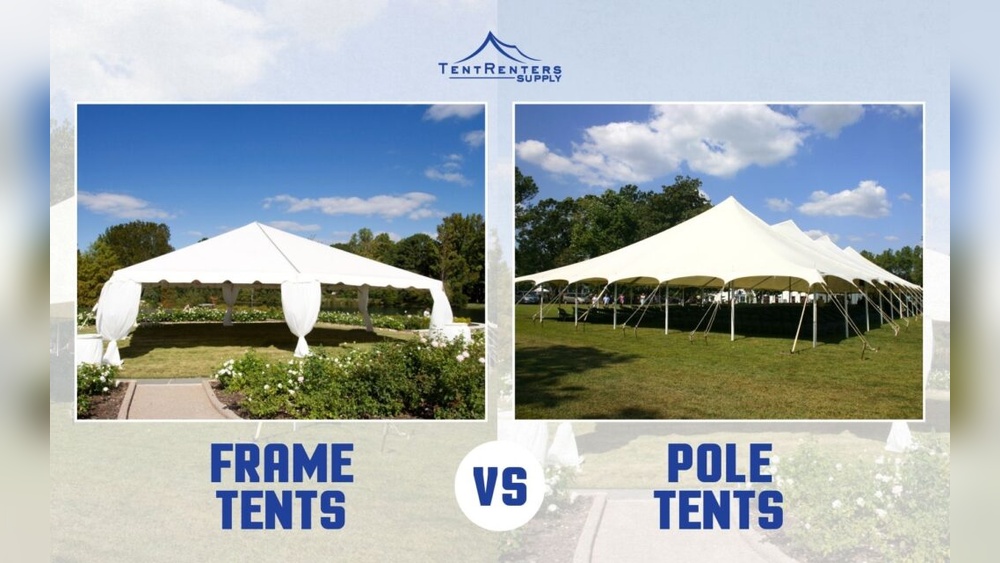
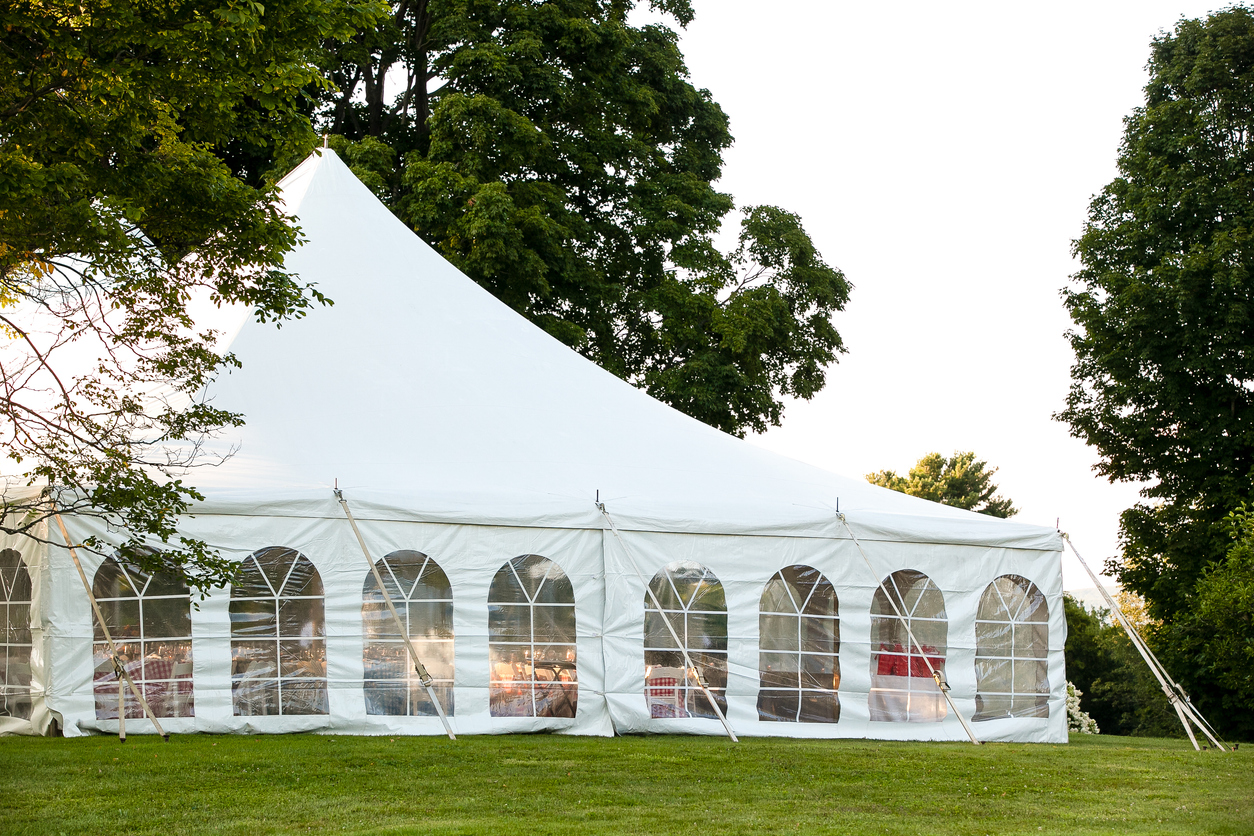
Pole tents are a classic choice for weddings. They use tall center poles to hold up the roof, with shorter perimeter poles and stakes around the edges for support. The tent fabric stretches over these poles, creating elegant peaks in the ceiling.
A pole tent is visually striking, especially with its high central peaks and swooping lines. These tents often feel more romantic and traditional, making them popular for garden weddings or events with a vintage theme.
Key Features
- Center poles create dramatic peaks
- Staked perimeter is needed for support
- Fabric tension keeps the tent stable
- Best for soft ground like grass
Typical Sizes
Pole tents come in many sizes, from small 20×20 feet tents for intimate gatherings, to huge 60×120 feet tents for big celebrations. The most common sizes for weddings are:
- 40×40 feet (seats about 120 guests)
- 40×60 feet (seats about 180 guests)
- 40×80 feet (seats about 240 guests)
Some suppliers can connect multiple tents for larger events.
What Is A Frame Tent?
Frame tents use a metal framework instead of center poles. The roof is supported by a skeleton of aluminum or steel tubes, so the tent does not need interior poles. This opens up the floor plan and gives you more freedom for furniture and decor.
Frame tents are versatile. They can be set up on almost any surface—grass, concrete, asphalt, decks, or even sand. The frame is self-supporting, so you don’t need to stake the tent as much as pole tents.
Key Features
- No center poles — clear interior space
- Metal frame supports the structure
- Can be installed on hard or soft surfaces
- Flexible layout options
Typical Sizes
Frame tents also come in many sizes, from compact 10×10 feet to large 40×100 feet tents. For weddings, common sizes are:
- 30×30 feet (seats about 75 guests)
- 40×40 feet (seats about 120 guests)
- 40×60 feet (seats about 180 guests)
You can connect several frame tents together for custom layouts.
Visual Appeal: Pole Vs Frame
The look of your tent can set the mood for your wedding. Pole tents have tall peaks that create a sense of drama and romance. Many couples love the sweeping lines and traditional feel.
Frame tents, on the other hand, offer a modern and clean appearance. The roof is flat or gently sloped, and there are no center poles to interrupt the space. This makes frame tents ideal for contemporary, minimalist, or industrial themes.
If you’re planning to hang chandeliers, floral arrangements, or drapery, pole tents provide natural points to attach decor. Frame tents require extra hardware, but their open space allows more flexibility.
Set-up And Site Requirements
Choosing the right tent means thinking about your venue.
Pole Tent Site Needs
Pole tents must be staked into the ground. This means you need:
- Soft ground (grass, soil, sand)
- Enough space around the tent for stakes (usually 5-10 feet extra on each side)
- No underground utilities or irrigation lines where stakes will go
If your venue is a lawn, garden, or park, pole tents are a good option. But they can’t be installed on concrete, asphalt, or areas with underground cables.
Frame Tent Site Needs
Frame tents can be set up almost anywhere. The frame stands on its own, so you can use:
- Grass
- Concrete
- Asphalt
- Decks
- Parking lots
Frame tents are perfect for venues with limited space or surfaces that can’t be staked. Some frames are anchored with weights instead of stakes, making them safer for sites with underground utilities.
Credit: litentrentals.com
Weather Performance
Outdoor weddings always depend on the weather. Your tent choice affects how well you can handle rain, wind, and sun.
Pole Tent Weather Strength
Pole tents are stable and strong when correctly installed. The tensioned fabric sheds rain easily, and the stakes hold the tent down in wind.
However, pole tents may struggle in very high winds because the sidewalls can flap and the stakes can pull loose. If the ground is wet or sandy, stakes might not hold as well.
Frame Tent Weather Strength
Frame tents are sturdy in most weather. The metal frame holds the roof tight, and weights or anchors keep the tent in place. Frame tents are better for windy sites or hard surfaces.
One downside is that frame tents may collect rain on the roof if the slope is too gentle. Some frame tents are designed with steeper slopes to avoid this.
Pro tip: For any tent, ask your rental company about wind ratings and safety procedures. Some tents are rated for winds up to 70 mph, but always check before booking.
Space And Layout Flexibility
Interior space is important for weddings—especially for dance floors, staging, or buffet tables.
Pole Tent Layout
The center poles in pole tents create beautiful peaks, but they also take up space inside. You’ll need to plan around the poles when arranging tables, chairs, and the dance floor.
Some couples use the center poles creatively—decorating them with flowers or lights. But others find them limiting, especially for large events.
Frame Tent Layout
Frame tents offer a clear span—no poles inside. This gives you total freedom to design the layout. You can place tables, stages, or dance floors anywhere.
If you want an open floor plan, or expect to move things around during the event, frame tents are easier to work with.

Credit: academyrentalsinc.com
Cost Comparison
Budget plays a big role in tent selection. Both types vary in price, but there are some general trends.
Typical Pricing
Pole tents are usually less expensive than frame tents. They require fewer materials and less labor, since the setup is simpler.
Frame tents cost more due to the metal frame, extra hardware, and more complex installation. They also need more time for setup and takedown.
Here’s a simple comparison:
| Tent Type | Typical Rental Price (40×60 ft) | Setup Time |
|---|---|---|
| Pole Tent | $1,500 – $2,500 | 2–4 hours |
| Frame Tent | $2,200 – $3,500 | 4–6 hours |
Note: Prices can vary by location, season, and additional features like sidewalls, lighting, or flooring.
Hidden Costs
Frame tents often have extra fees for weights, flooring, or custom anchoring. Pole tents may need additional staking or repair if the ground is rocky.
Ask your vendor for a detailed quote, including delivery, setup, breakdown, and any extras.
Decor And Customization
Decorating your wedding tent is part of the fun. Both tent types allow for creative touches, but there are differences.
Pole Tent Decor
The center poles in pole tents offer natural spots for hanging chandeliers, flowers, or drapery. The peaked ceiling creates a grand feeling, which works well with dramatic decor.
Many couples use string lights, lanterns, or garlands to highlight the tent’s curves. However, you’ll need to plan around the poles when arranging furniture.
Frame Tent Decor
Frame tents have a flat or gently sloped ceiling, which gives you more flexibility. You can hang decor from the frame, but it may require special hooks or hardware.
The open space makes it easy to add stages, large dance floors, or lounge areas. For modern weddings, frame tents are often used with clear panels or custom lighting.

Credit: academyrentalsinc.com
Practical Considerations
Some details are easy to overlook but can make a big difference for your event.
Installation Time
Pole tents go up faster than frame tents. The process is straightforward—stake the perimeter, raise the poles, stretch the fabric. For a medium-sized pole tent, setup takes about 2–4 hours.
Frame tents take longer because the frame must be assembled, then the fabric attached. Setup time is usually 4–6 hours for similar size.
Site Damage
Pole tents require stakes, which may leave holes in grass or soil. After the event, you may need to fill and reseed these areas.
Frame tents use weights for anchoring on hard surfaces, causing less damage. If your venue is sensitive about landscaping, frame tents are safer.
Permit Needs
Many cities require permits for tents over a certain size (usually 400 square feet). Frame tents sometimes need extra inspection because of their structure and fire safety.
Check with your venue and local government about permit requirements. Some rental companies handle this for you.
Pros And Cons Summary
Let’s compare pole tents and frame tents side-by-side to make the differences clear.
| Feature | Pole Tent | Frame Tent |
|---|---|---|
| Visual Appeal | Romantic, classic peaks | Modern, clean lines |
| Interior Space | Center poles take space | Open, clear span |
| Setup Surface | Soft ground only | Any surface |
| Weather Strength | Good, but depends on stakes | Very strong, flexible anchoring |
| Cost | Lower | Higher |
| Setup Time | Faster | Slower |
| Decor Options | Great for hanging decor | Flexible, but needs hardware |
| Permit Needs | Usually required | Often required |
Real Wedding Examples
Sometimes the best way to understand the difference is to see how couples used these tents for their events.
- In Napa Valley, a couple chose a 40×80 foot pole tent for their vineyard wedding. The tent’s high peaks and flowing white fabric matched the natural scenery. They decorated the center poles with roses and hung crystal chandeliers for a romantic effect.
- In New York City, a rooftop wedding used three connected frame tents. The tents were anchored with concrete weights, and the clear span allowed for a large dance floor and stage. The couple added custom lighting and modern furniture for a chic urban look.
These examples show how the tent choice depends on location, style, and practical needs.
Common Mistakes To Avoid
Many couples make simple mistakes when choosing their wedding tent. Here are two that beginners often miss:
- Ignoring site restrictions: Always check if your venue allows stakes or has underground utilities. Pole tents can’t be used everywhere.
- Underestimating setup time: Frame tents need more labor and planning. If your wedding is on a tight schedule, plan ahead.
Another overlooked detail: if you want to attach heavy decor (like large chandeliers), ask your vendor about weight limits and attachment points.
Making The Final Decision
When you’re ready to choose, focus on your priorities:
- Venue surface: Is it grass or concrete?
- Budget: Can you afford the extra cost for a frame tent?
- Style: Do you want classic peaks or a modern look?
- Layout: Will center poles affect your seating or dance floor?
- Weather: Is the area windy or likely to rain?
Talk to your tent rental provider about your needs. Most companies can visit your site and recommend the best option.
For more in-depth information on tent engineering and safety, you can visit WeddingWire.
Choosing between a pole tent and a frame tent isn’t just about price or appearance. It’s about creating the perfect space for your wedding day—one that fits your vision, your guests, and your venue. With the right tent, your outdoor wedding will be comfortable, beautiful, and unforgettable.

I am an outdoor enthusiast and gear researcher passionate about camping, hiking, backpacking, and outdoor adventures. I enjoy testing gear, comparing products, and sharing practical advice to help readers make informed decisions. At BestOutsideGear, I create honest gear reviews, buying guides, and outdoor tips to help adventurers choose the right equipment with confidence.