When Were Tents Invented? History and Origins
Tents are a familiar sight today at campsites, music festivals, and even disaster zones. But their story goes much further back in history. Imagine ancient people living without modern houses. How did they protect themselves from rain, wind, and sun? The answer is simple: they built tents. Understanding when tents were invented helps us see how humans survived and adapted over thousands of years.
Early Origins Of Tents
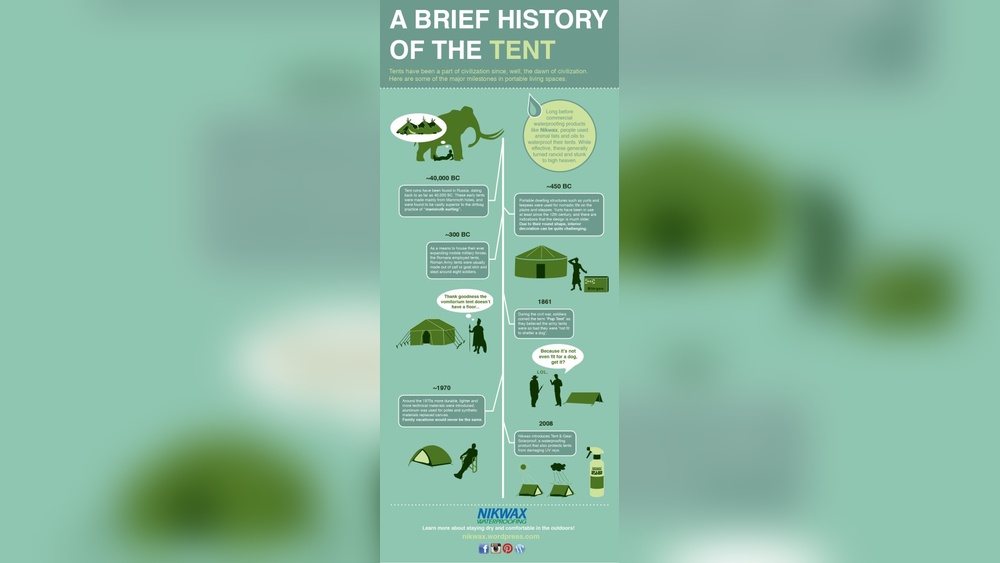
The first tents appeared long before written history. Archaeologists believe that tents were used as early as the Upper Paleolithic period, around 40,000 years ago. These ancient tents were basic shelters made from animal skins, bones, and wooden poles. Nomadic groups like hunter-gatherers needed portable homes as they followed animals and moved with the seasons.
One of the oldest archaeological proofs of tent-like structures comes from the Mezhirich site in Ukraine, dated to about 15,000 years ago. Researchers found mammoth bones arranged in circles, which likely supported animal skins. This setup created a simple but effective tent. The main reason for tents was mobility. Early humans could carry the parts and build a shelter wherever they needed.
Tents In Ancient Civilizations
As societies developed, tents changed in shape and purpose. Ancient civilizations used tents for much more than just living. For example, the Ancient Egyptians used tents in military campaigns. Pharaohs and soldiers needed temporary homes during their long expeditions. These tents were made from woven reeds or linen and supported by wooden poles.
In Persian and Assyrian armies, tents played a crucial role. Royal tents were large and decorated, showing the wealth and power of leaders. The famous Persian king, Xerxes I, had a tent described as more luxurious than many houses. It was used for meetings, ceremonies, and rest.
Romans also relied on tents. Their armies marched across Europe, always needing portable homes. Roman tents, called papilio, were made from leather and shaped like a butterfly. Soldiers carried these tents in parts and set them up at night. Roman tents were so important that they influenced military designs for centuries.
| Civilization | Material Used | Main Purpose |
|---|---|---|
| Ancient Egyptians | Linen, reeds | Military camps |
| Persians | Silk, wool, leather | Royal ceremonies, army |
| Romans | Leather | Army shelters |
| Nomadic Tribes | Animal skins, bones | Daily living |
The Role Of Tents In Nomadic Cultures
Some cultures built their entire lifestyle around tents. The Mongols are a perfect example. Their famous yurt (also called ger) is a round tent made from felt and wood. Yurts were invented thousands of years ago and are still used in Mongolia today. The design keeps the tent warm in winter and cool in summer.
Another example is the Bedouins of the Middle East. Bedouins travel across deserts, using black tents made from goat hair. These tents protect from the harsh sun and sandstorms. The goat hair lets air move through, making the tent comfortable. Bedouin tents can be quickly packed and moved, helping the tribe survive in tough conditions.
The Native Americans in North America also used tents. The tipi is a cone-shaped tent made from animal hides and wooden poles. Tipis were easy to set up, strong against wind, and could be taken apart quickly. The design allowed smoke from fires to escape, making them practical for all weather.
Medieval And Renaissance Tent Evolution
During the Middle Ages, tents became more advanced. Knights and armies used tents during battles and long journeys. These tents were larger and often decorated with flags and colors. Kings and nobles had their own tents, which showed their status.
In the Renaissance period, tents were used for festivals, markets, and hunting trips. They became a symbol of luxury and style. Fabrics like silk and velvet were used for the rich, while soldiers still relied on simple canvas tents.
A non-obvious insight: Many medieval tents were not just shelters, but also meeting places for planning and negotiations. The tent’s shape changed to match its purpose. For example, pavilion tents had a round shape for gatherings, while ridge tents were used for sleeping.

Credit: www.globevale.co.uk
Tents In Modern Warfare
The 19th and 20th centuries saw big changes in tent design. Armies began using tents made from canvas and cotton. These materials were strong, light, and easy to carry. During the American Civil War, soldiers used A-frame tents and bell tents. The shape made them stable in bad weather.
World War I and II pushed tent technology even further. Armies needed faster, safer shelters. New designs included pup tents, which could be carried by one person. Modern tents used metal poles and waterproof fabrics.
Today, military tents are made from synthetic materials. They are lightweight, strong, and can protect against extreme weather. Some even have built-in heating and air conditioning.
| Era | Common Tent Type | Material | Key Feature |
|---|---|---|---|
| 19th Century | Bell tent | Canvas | Large, stable |
| WWI | Pup tent | Cotton canvas | Portable, quick setup |
| WWII | Wall tent | Canvas | Spacious, durable |
| Modern | Modular tent | Synthetic | Weatherproof, climate control |
Tents For Exploration And Adventure
Tents are not just for armies and nomads. Explorers used tents in some of the most dangerous places on earth. In the 1800s, mountaineers and Arctic explorers depended on tents to survive extreme cold and wind.
For example, the famous explorer Roald Amundsen used advanced tents during his expedition to the South Pole in 1911. His team’s tent design helped them survive freezing temperatures. Another insight: Early exploration tents focused more on warmth and wind protection than rain.
As camping became popular in the 20th century, tent designs evolved for everyday people. The dome tent was invented in the 1950s. It used flexible poles to create a curved, stable shape. Dome tents are easy to set up, light to carry, and strong against wind.
Today’s adventure tents use high-tech materials like nylon and polyester. Some are so light you can carry them in one hand. Others are built for extreme conditions, like climbing Everest or crossing Antarctica.
Tents In Disaster Relief And Humanitarian Work
Tents play a key role in saving lives during disasters. When earthquakes, floods, or wars destroy homes, tents are often the fastest way to shelter people. The United Nations and other organizations use tents made from waterproof and fire-resistant materials.
These tents are designed for quick setup and long-term use. Some can hold hundreds of people, while others are small for families. A typical relief tent must protect against rain, cold, and disease. Special designs include extra ventilation and mosquito nets.
| Relief Tent Type | Capacity | Material | Main Use |
|---|---|---|---|
| Family tent | 5-6 people | Polyester | Temporary shelter |
| Medical tent | 10-50 people | PVC | Hospitals, clinics |
| Community tent | 50-100 people | Canvas | Meeting space |
Organizations like the Red Cross and UNHCR rely on tents for emergency response. They must balance speed, safety, and cost. One mistake many beginners make is choosing tents that are not strong enough for harsh climates, which can put lives at risk.
The Science Behind Tent Materials
Tent materials changed dramatically over time. Early tents used animal skins and natural fibers. Later, people moved to cotton canvas. Canvas is strong, but heavy and not fully waterproof.
Modern tents use synthetic materials like nylon and polyester. These are lightweight, waterproof, and resist mold. Designers also use aluminum and fiberglass poles, which are lighter and stronger than wood. Some tents even have carbon fiber for high-performance use.
A key insight: The right material can decide whether a tent is safe or not. For example, nylon tents are ideal for hiking, but can melt in high heat. Canvas tents are perfect for long stays but too heavy for backpacking.
Why Tents Remain Relevant Today
Even with modern buildings, tents are still important. They offer flexibility and quick shelter in many situations. Here are some reasons tents remain popular:
- Portability: You can carry a tent almost anywhere.
- Quick setup: Modern tents take minutes to build.
- Protection: Tents shield you from weather and insects.
- Cost: Tents are cheaper than buildings.
- Tradition: Many cultures still use tents for festivals and ceremonies.
Tents are also used for events, trade shows, and temporary workplaces. Their simple design makes them useful in almost any situation.
Common Mistakes When Choosing Or Using Tents
If you are new to tents, it’s easy to make mistakes. Here are a few common errors:
- Choosing the wrong size: Too small, and you are uncomfortable. Too big, and it’s hard to carry.
- Ignoring weather: Some tents are not made for rain, wind, or cold.
- Bad setup: Not securing the tent properly can lead to collapse or leaks.
- Using cheap materials: Low-quality tents tear easily and let water in.
- Forgetting ventilation: Poor airflow causes condensation and discomfort.
For more in-depth advice, check reliable sources like Wikipedia.

Credit: valleyandpeak.co.uk
Tent Design Innovations
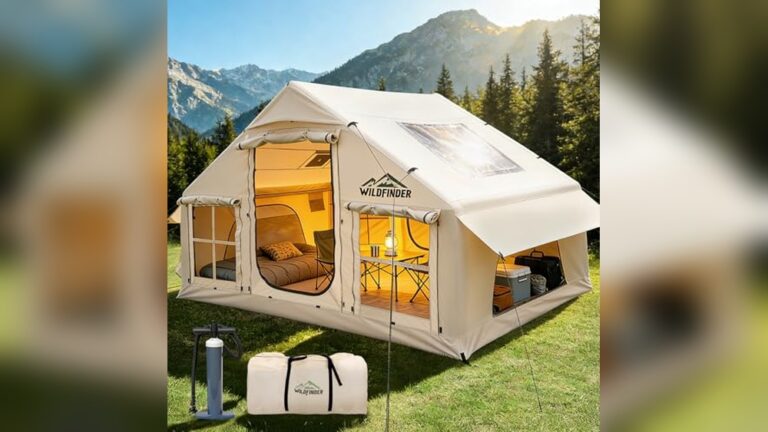
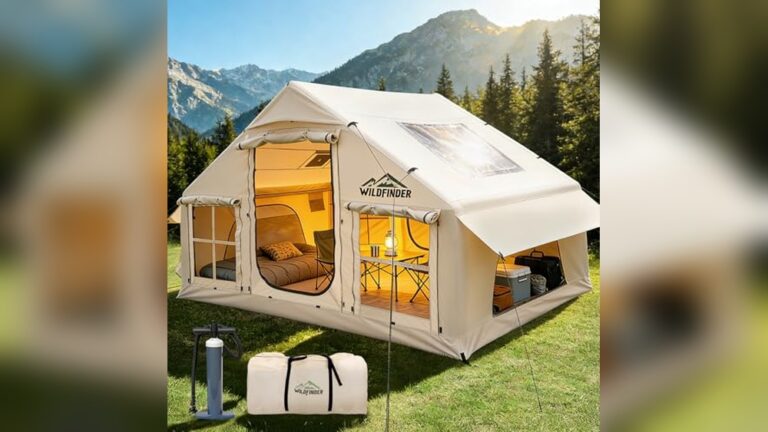
Inventors and engineers have brought many changes to tent design. The pop-up tent is one recent innovation. It uses spring-loaded frames, letting you set it up in seconds. Another is the inflatable tent, which uses air beams instead of poles.
Some tents are modular. You can connect several tents to make a bigger space. This is useful for events or family camping. Designers also focus on eco-friendly materials. Some tents now use recycled fabrics and biodegradable coatings.
A non-obvious insight: Many new tents are designed for both outdoor and indoor use. For example, children’s play tents can be used in the living room or backyard.
The Cultural Significance Of Tents
Tents are more than just shelters—they are symbols. In many cultures, tents represent freedom, mobility, and tradition. For example:
- Mongolian yurts are a sign of family and unity.
- Bedouin tents show hospitality and respect.
- Tipis are part of Native American identity.
Festivals like Burning Man and Oktoberfest use tents for gathering people together. Even in modern cities, tents appear for art shows, weddings, and sports events.
Looking Forward: The Future Of Tents
Tent technology keeps changing. Smart tents now have solar panels, LED lights, and climate control. Some can connect to your phone for security and comfort. In space exploration, NASA is developing tents for Mars missions.
The demand for emergency tents will continue as climate disasters increase. Designers focus on making tents faster to build, safer, and more comfortable. There is also a push for more sustainable and recyclable materials.
Final Thoughts
Tents have been with humans since the dawn of time. They helped us survive, travel, and gather together. From mammoth bone shelters to high-tech modular designs, tents show how people solve problems with creativity and skill. Today, tents remain essential—not just for camping, but for emergencies, culture, and adventure. Understanding when tents were invented is more than a date; it’s a story of human progress and adaptation.

Credit: www.globevale.co.uk

I am an outdoor enthusiast and gear researcher passionate about camping, hiking, backpacking, and outdoor adventures. I enjoy testing gear, comparing products, and sharing practical advice to help readers make informed decisions. At BestOutsideGear, I create honest gear reviews, buying guides, and outdoor tips to help adventurers choose the right equipment with confidence.