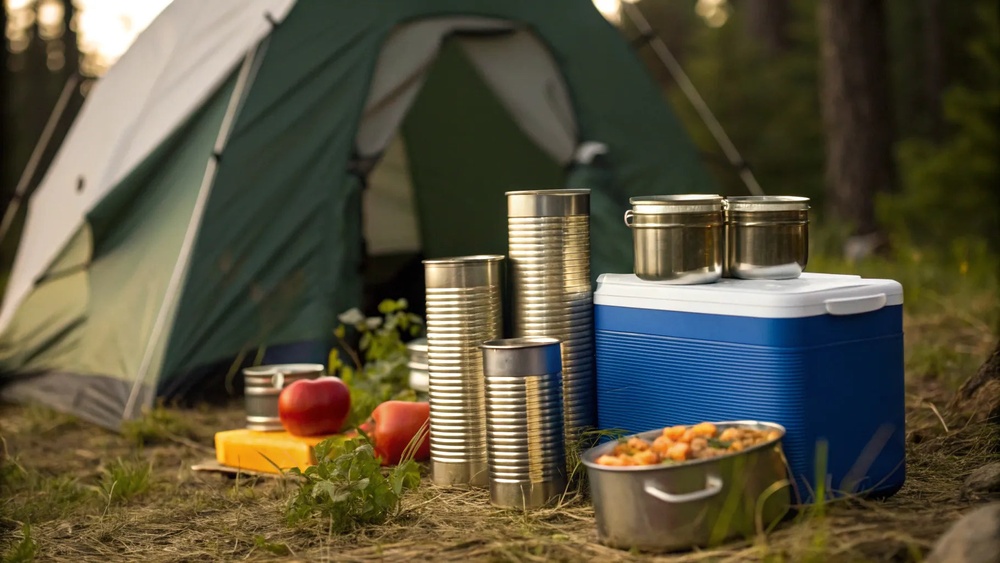
How to Store Food When Tent Camping: Essential Tips for Safety
Camping under the stars is a special experience, but if you don’t store your food properly, it can quickly become stressful—or even dangerous. Animals, insects, and the weather can ruin your meals or put your safety at risk. Plus, nobody wants to wake up to find their snacks scattered by raccoons or their cooler full of soggy bread. The good news: safe food storage while tent camping is simple once you know the right steps. Whether you’re planning a weekend escape or a longer wilderness adventure, learning how to store food when tent camping will help you eat well, stay safe, and enjoy the outdoors with confidence.
Why Proper Food Storage Matters
Food storage isn’t just about keeping things fresh. When camping, it’s also about protecting your health and safety. Animals like bears, raccoons, and even squirrels have a powerful sense of smell. If they find your food, they may damage your camp or even become dangerous. Food left out can also attract insects, leading to contamination. In some campgrounds, improper food storage is a serious violation and can get you kicked out.
There’s a health risk too. Without a fridge, foods spoil faster. Eating spoiled food can cause food poisoning, which is much harder to treat when you’re far from help. Proper storage keeps your food safe, fresh, and delicious.
Understanding Food Storage Challenges In The Wild
Camping presents unique problems for food storage, such as:
- No refrigeration: Perishable foods spoil quickly.
- Wildlife: Animals are skilled at finding and opening containers.
- Weather: Heat, rain, and humidity can make food go bad.
- Limited space: Backpacks and coolers fill up fast.
Each of these challenges needs a different solution. Let’s look at the best ways to keep your food safe and tasty while tent camping.
Choosing The Right Food Containers
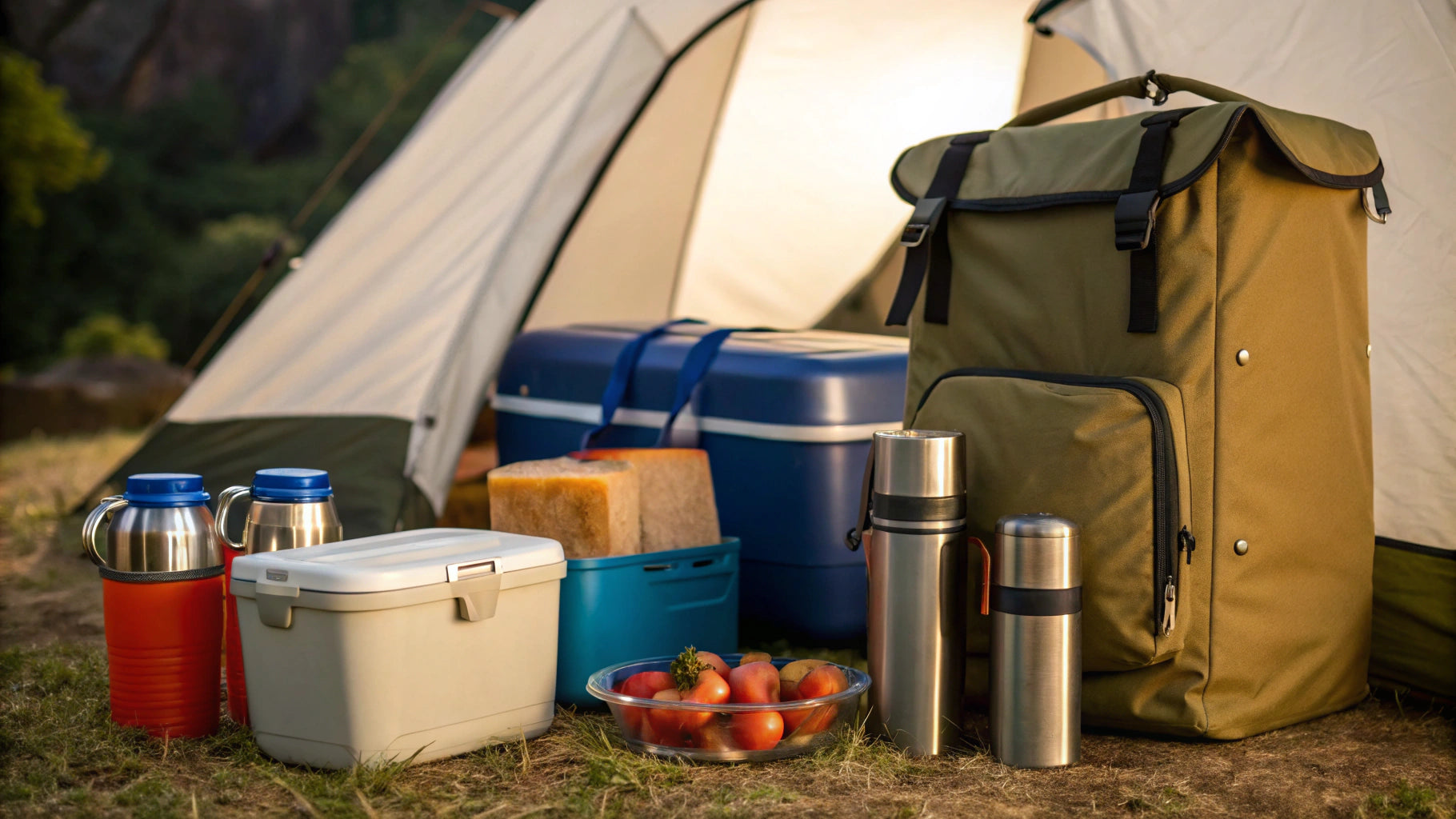
Using the correct containers is your first line of defense against animals and spoilage. Not all containers are equal; some are better for freshness, others for security.
| Container Type | Protection Level | Best For |
|---|---|---|
| Hard-sided cooler | High (against animals, moderate for freshness) | Perishables, drinks |
| Bear canister | Very High (bears, raccoons) | All food in bear country |
| Dry bag | Medium (waterproof, less animal protection) | Bread, grains, snacks |
| Plastic container (locking) | Medium (insects, light animals) | Cereal, pasta, dry snacks |
| Reusable zip bags | Low (insects, short-term use) | Portioning, leftovers |
A bear canister is required in many national parks where bears live. Even if not required, it’s the safest choice for wild areas. For most other trips, a hard-sided cooler and sturdy containers will do the job.
Packing Food: What To Bring And What To Skip
The food you pack impacts how easy it is to store safely. Focus on foods that:
- Don’t spoil quickly
- Need little or no refrigeration
- Are easy to portion
Great camping foods:
- Canned tuna, chicken, or beans
- Hard cheeses (last longer than soft cheeses)
- Dried fruits, nuts, trail mix
- Peanut butter
- Tortillas or flatbreads (less likely to get crushed than bread)
- Instant oatmeal or pasta
Foods to avoid:
- Raw meat (unless using a cooler with lots of ice)
- Dairy products (unless shelf-stable)
- Foods in weak packaging (open bags, thin plastic)
Extra tip: Pre-portion meals in labeled containers or bags. This keeps things organized and reduces open packaging that can leak odors.
Credit: www.battlbox.com
Using Coolers Effectively
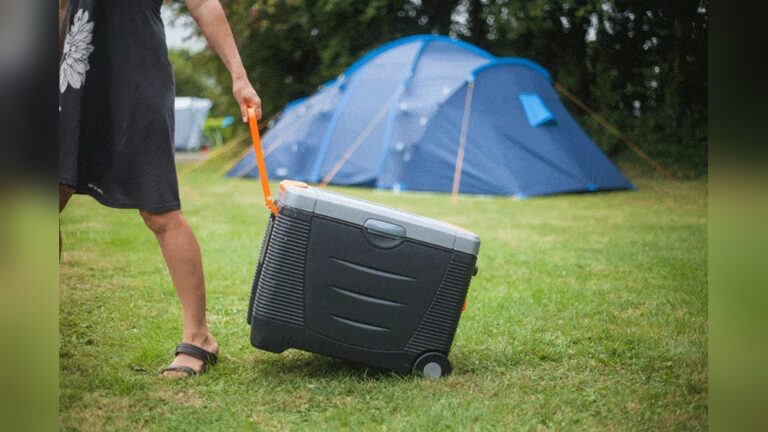
A cooler is the closest thing to a fridge while camping. But using it right makes a big difference.
- Pre-chill your cooler: Put ice in your cooler the night before you pack it. This helps it stay cold longer.
- Use block ice or frozen water bottles: They melt slower than loose ice.
- Pack in layers: Put items you’ll use last at the bottom, and items for the first day on top.
- Limit opening: Only open the cooler when you really need to. Every time you open it, warm air gets in.
- Keep it shaded: Place the cooler under a tree or cover it with a reflective blanket.
Here’s a quick comparison of cooler ice retention:
| Ice Type | Average Retention (Summer, 75°F) |
|---|---|
| Loose ice cubes | 12-18 hours |
| Block ice | 24-36 hours |
| Frozen water bottles | 24-48 hours |
Don’t forget to drain melted water, but keep some ice to maintain the cold.
Keeping Food Safe From Animals
One of the biggest risks in the wild is wildlife. Animals can smell food from far away, even if it’s sealed.
Bear Country Rules
If you’re camping where bears live, always use a bear canister or a provided bear locker. Never store food in your tent. Keep all scented items—like toothpaste, snacks, and trash—in the canister or locker.
Hanging Food
If there are no lockers or canisters, you can use the “bear hang” technique:
- Put all food and scented items in a sturdy bag.
- Find a tree branch 12 feet off the ground, at least 6 feet from the trunk.
- Throw a rope over the branch and pull the bag up, so it hangs high and away from the trunk.
This method isn’t perfect (some animals are clever climbers), but it helps.
Rodents And Small Animals
Rats, mice, and raccoons can chew through soft bags. Use hard containers or hang bags off the ground. Never leave trash or food scraps lying around.

Credit: backpackerspantry.com
Weather And Environmental Hazards
Your food faces more than just animals. Hot sun, rain, and humidity can ruin your meals.
- Heat: Spoils dairy, meat, and eggs quickly. Keep perishables in a cooler and store it in the shade.
- Rain: Wet food is often ruined. Use waterproof containers or dry bags, and keep food off the ground.
- Humidity: Can make bread, chips, and crackers soggy. Store dry foods in airtight containers.
If you’re camping in a hot climate, consider bringing more shelf-stable foods and fewer perishable items.
Odor Control: Keeping Smells Down
Odors attract animals. Reducing smells can help keep your camp safe.
- Double-bag food in zip bags or odor-proof bags.
- Wipe containers before storing to remove spills.
- Don’t cook or eat right beside your tent—set up a separate eating area.
- Dispose of trash in sealed bags and keep it with your food storage, away from camp.
Some campers use odor-proof bags designed for backpacking. These help reduce the risk of attracting wildlife, though they’re not a replacement for bear-proof containers.
Where To Store Food At Camp
Never keep food in your tent. The best places to store food when tent camping:
- Bear locker or bear canister: If available, use these first.
- In a vehicle: If allowed, store food in a locked car with windows up. Avoid trunks, where it gets hotter.
- Hanging from a tree: Only if you have no other option.
- Under a tarp or off the ground: To protect from rain and insects (but not from animals).
Here’s a quick guide to the safest storage spots:
| Storage Location | Animal Protection | Weather Protection |
|---|---|---|
| Bear canister/locker | Excellent | Good |
| Car | Good (not for bears) | Excellent |
| Hanging tree bag | Medium (some animals reach) | Fair |
| Under tarp, off ground | Poor | Good |
Dealing With Trash And Food Waste
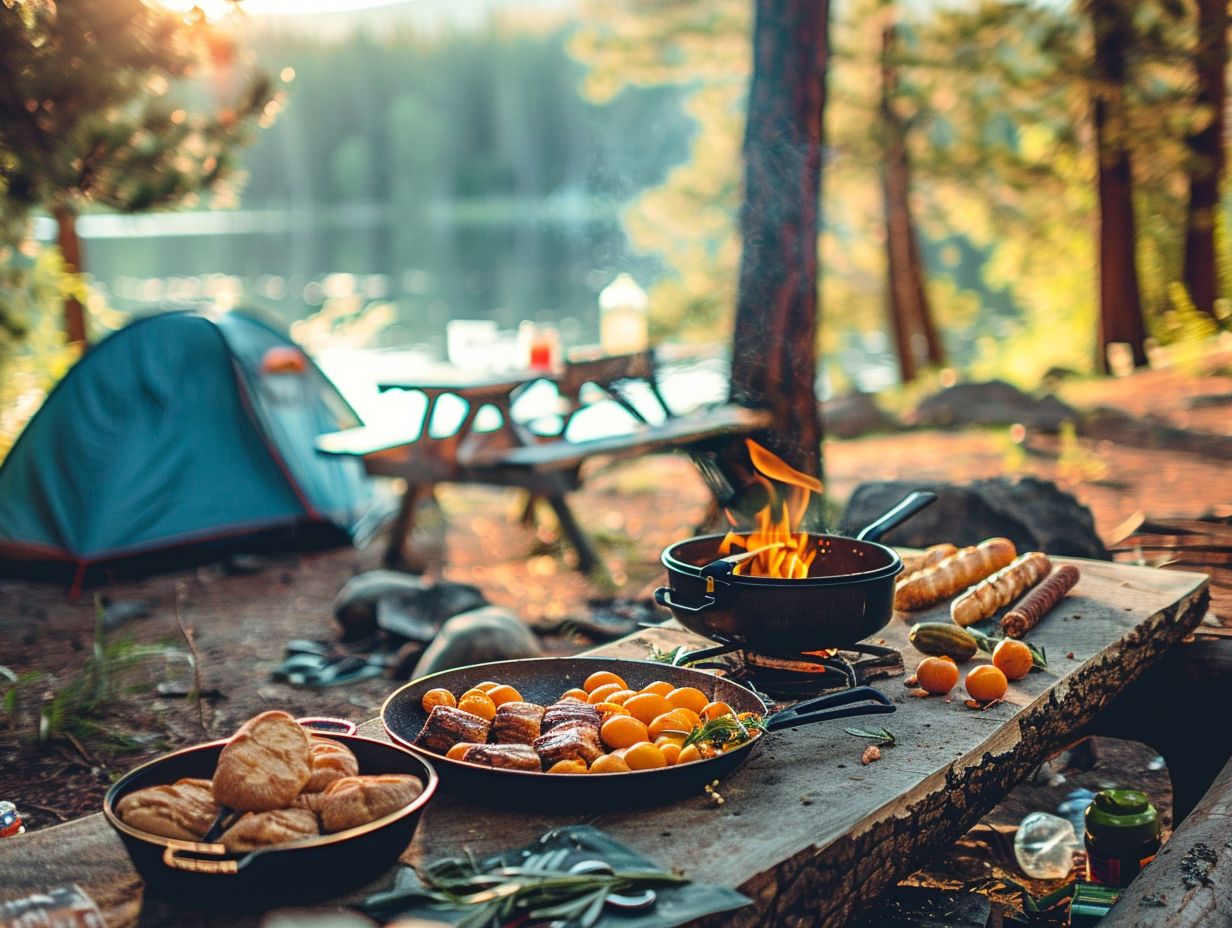
Trash smells like food to animals. Always pack out what you bring in. Use these tips:
- Collect all trash in a seal-able bag.
- Store trash with your food, not in your tent.
- Never bury or burn trash—it can attract animals and may be illegal.
- If you have leftover food, pack it out or dispose of it in designated bins.
A common mistake: forgetting about items like used napkins, wrappers, or toothpaste tubes. Animals can smell even small traces of food.
Credit: theexpertcamper.co.uk
Special Tips For Multi-day Trips
Longer trips require more planning. Here’s how to avoid common mistakes:
- Rotate perishable foods: Eat foods that spoil first (like fruit or dairy) and save shelf-stable foods for later.
- Reseal packaging: Bring clips or extra bags to seal opened food.
- Don’t overpack: Too much food is heavy and harder to store safely.
- Track food inventory: Keep a small list of what you’ve eaten, so nothing gets forgotten at the bottom of your bag.
A beginner mistake is packing food in many loose bags. This creates more odors and makes it easier to forget items, increasing your risk of animal visits.
Useful Products For Safe Camping Food Storage
Some tools make a big difference in storing food when tent camping:
- Bear canisters: Required in some areas, strong and reliable.
- Odor-proof bags: Useful for backpackers, lightweight, and easy to pack.
- Dry bags: Waterproof, great for river or wet weather trips.
- Hard-sided coolers: Best for car camping, keeps ice longer.
- Reflective blankets: Keep coolers out of the sun.
A less obvious tip: get a small portable hanging scale. This helps you avoid overpacking and ensures your food storage system isn’t too heavy for tree hanging.
Food Storage Mistakes To Avoid
Even experienced campers make errors. Here are some common ones:
- Leaving food in the tent: Never store food, snacks, or scented items inside your sleeping area.
- Using weak containers: Animals and rain can ruin food in thin bags.
- Ignoring local rules: Some parks fine campers for improper storage.
- Not checking containers for leaks: A single spill can attract animals.
- Forgetting about non-food items: Sunscreen, soap, and toothpaste can also attract wildlife.
Many beginners forget that even a used fork or empty snack bag can draw animals. Always treat everything with a food scent as “food” for storage purposes.
Local Regulations And Resources
Many parks and forests have strict rules for food storage, especially in bear country. Check the website or ranger station before you go. Some places rent bear canisters or provide free lockers. Following local advice is important for your safety and to protect wildlife.
For more detailed information on safe camping food practices, the National Park Service offers excellent guides.
Final Thoughts
Storing food when tent camping isn’t just about keeping things fresh—it’s about protecting yourself, your meals, and the wild places you love. With the right containers, smart packing, and respect for nature’s rules, you’ll avoid problems and enjoy better meals outdoors. Remember: safety and planning are your best tools for a worry-free camping adventure. Happy camping!
I am an outdoor enthusiast and gear researcher passionate about camping, hiking, backpacking, and outdoor adventures. I enjoy testing gear, comparing products, and sharing practical advice to help readers make informed decisions. At BestOutsideGear, I create honest gear reviews, buying guides, and outdoor tips to help adventurers choose the right equipment with confidence.