Why Tent is Important in Camping | Benefits Explained
Camping is one of the best ways to reconnect with nature and escape the busy world. Whether you’re in the forest, by a lake, or on a mountain, camping gives you a unique sense of freedom and adventure. But, while the beauty of the outdoors is exciting, it also comes with challenges—unexpected weather, insects, and the need for comfort and safety at night. That’s where the tent becomes important. For many, a tent is not just a piece of gear. It’s the difference between an enjoyable trip and a difficult one. Let’s explore why the tent is so important in camping, using real examples, clear comparisons, and practical advice.
Shelter From The Elements
The most important job of a tent is to protect you from the weather. Nature can be unpredictable—even a sunny day can turn into a stormy night.
Protection From Rain, Wind, And Sun
A good tent keeps you dry during rain. Most tents are made with waterproof materials and have seams that stop water from coming inside. Even a light rain can make sleeping outside uncomfortable, but a tent offers a dry space to rest and keep your gear safe.
Wind can also be a problem. A well-designed tent, especially one with a low profile and sturdy poles, can shield you from strong gusts. This is crucial in open areas like mountains or beaches where winds can be very strong.
The sun’s rays can be intense, especially in the summer. Tents provide shade during the day, helping prevent sunburn and heat exhaustion.
Temperature Control
At night, temperatures can drop quickly, even in summer. A tent creates a small barrier between you and the cold air. It traps some of your body heat, making the inside warmer than the outside.
Temperature Difference Example
| Condition | Outside Temp | Inside Tent Temp | Notes |
|---|---|---|---|
| Cool night | 50°F (10°C) | 55°F (13°C) | 5°F warmer inside tent |
| Cold night | 32°F (0°C) | 38°F (3°C) | 6°F warmer inside tent |
This difference can make sleeping much more comfortable and safe.
Protection From Insects And Wildlife
Spending the night outdoors means sharing the space with insects and animals. While most are not dangerous, some can be annoying or even harmful.
Insect Barrier
A tent with fine mesh screens keeps out mosquitoes, flies, and spiders. In some areas, insects can carry diseases or cause painful bites. Sleeping without protection can lead to a restless night or, worse, health problems.
For example, campers in areas with ticks or mosquitoes are at risk for diseases like Lyme disease or West Nile virus. A tent reduces this risk by creating a physical barrier.
Safety From Wildlife
While tents won’t stop large animals like bears, they can deter smaller creatures such as raccoons, snakes, and rodents. These animals are often attracted to food or warmth. A closed tent hides you and your belongings, making it harder for animals to disturb you at night.
Privacy And Personal Space
Camping usually means you’re close to others—friends, family, or even strangers at a busy campsite. A tent gives you privacy to change clothes, rest, or take a break from socializing. This is especially important for families or groups with mixed genders.
Having your own space, even a small one, can make a big difference in how comfortable and relaxed you feel.
Storage And Organization
A tent is not just for sleeping. It’s also where you keep your gear safe and organized. Wet clothes, valuable items, and food all need protection from the weather and wildlife.
Keeping Gear Dry And Safe
Backpacks, electronics, and cooking supplies can be damaged by moisture. A tent keeps these items dry during rain or dew. Many tents have vestibules—covered areas outside the sleeping space—to store muddy boots or wet jackets.
Organization Features
Modern tents come with pockets, hooks, and loops for hanging lights or storing small items. This helps you keep track of essentials like flashlights, phones, or glasses, reducing the chance of losing them in the dark.
Credit: koa.com
Comfort And Quality Sleep
A good night’s sleep is vital for enjoying camping and having energy for outdoor activities. Sleeping outdoors without shelter can be uncomfortable or even unsafe.
Soft Ground And Sleeping Pads
Tents provide a flat, soft surface for your sleeping bag and pad. Some tents even have footprints or extra layers to keep out moisture from the ground. This makes sleeping much more comfortable than lying directly on dirt, rocks, or wet grass.
Noise Reduction
While not completely soundproof, a tent can reduce the noise from wind, rain, or nearby campers. This small barrier often helps people feel more secure and fall asleep faster.
Safety And Peace Of Mind
Camping is about adventure, but everyone wants to feel safe. A tent offers psychological comfort by creating a clear boundary between you and the wild. Even if it’s only a thin layer of fabric, this boundary makes many people feel less vulnerable.
For families with children, a tent is especially important. Kids feel safer and sleep better when they have a familiar, enclosed space.
Emergency Situations
If you face sudden bad weather, a tent can be a lifesaver. In a strong storm, snow, or even a sandstorm, having a tent ready can mean the difference between a manageable night and a dangerous situation.
Versatility And Adaptability
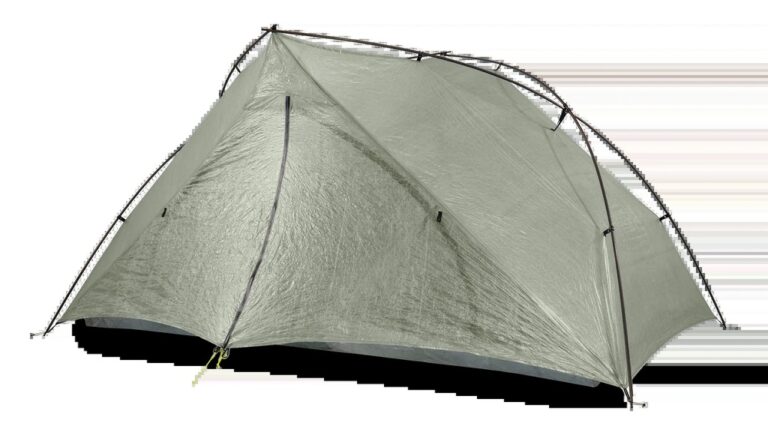
Tents come in many shapes and sizes, making them suitable for different types of camping—from solo backpacking to family trips.
Types Of Tents And Their Uses
| Type of Tent | Best For | Main Features |
|---|---|---|
| Dome tent | General camping | Easy setup, stable in wind |
| Backpacking tent | Hiking, solo trips | Lightweight, compact |
| Family tent | Group/family trips | Spacious, multiple rooms |
| Tunnel tent | Car camping | Large vestibules, easy access |
| Pop-up tent | Quick trips, festivals | Fast setup, less durable |
This variety allows campers to choose the tent that fits their needs, whether they want speed, space, or lightweight design.
Cost-effectiveness Compared To Other Options
Some people consider alternatives, like sleeping under the stars or using a hammock. But these options have limits.
Tent Vs. Hammock Vs. Open Air
Here’s a quick comparison to show why tents are often the best choice:
| Shelter | Weather Protection | Insect Protection | Privacy | Comfort |
|---|---|---|---|---|
| Tent | Excellent | Excellent | Good | Good |
| Hammock | Fair (with tarp) | Fair (with net) | Poor | Good (for one person) |
| Open Air | Poor | Poor | Poor | Poor |
Tents offer the best mix of protection, privacy, and comfort for most campers.
Non-obvious Insights Many Campers Miss
The Psychological Impact
Many new campers think a tent is just for rain or bugs. But the sense of security it gives is just as important. Studies show people sleep better and feel less stress when they have even a thin shelter between themselves and nature. This small comfort can make your trip much more enjoyable.
The Role In Group Dynamics
A tent can help manage social situations. For example, if someone needs alone time or a child needs a nap, the tent offers a private retreat. This flexibility reduces tension and helps everyone enjoy the trip.
Mistakes To Avoid When Using A Tent
Even with a good tent, common mistakes can ruin your experience:
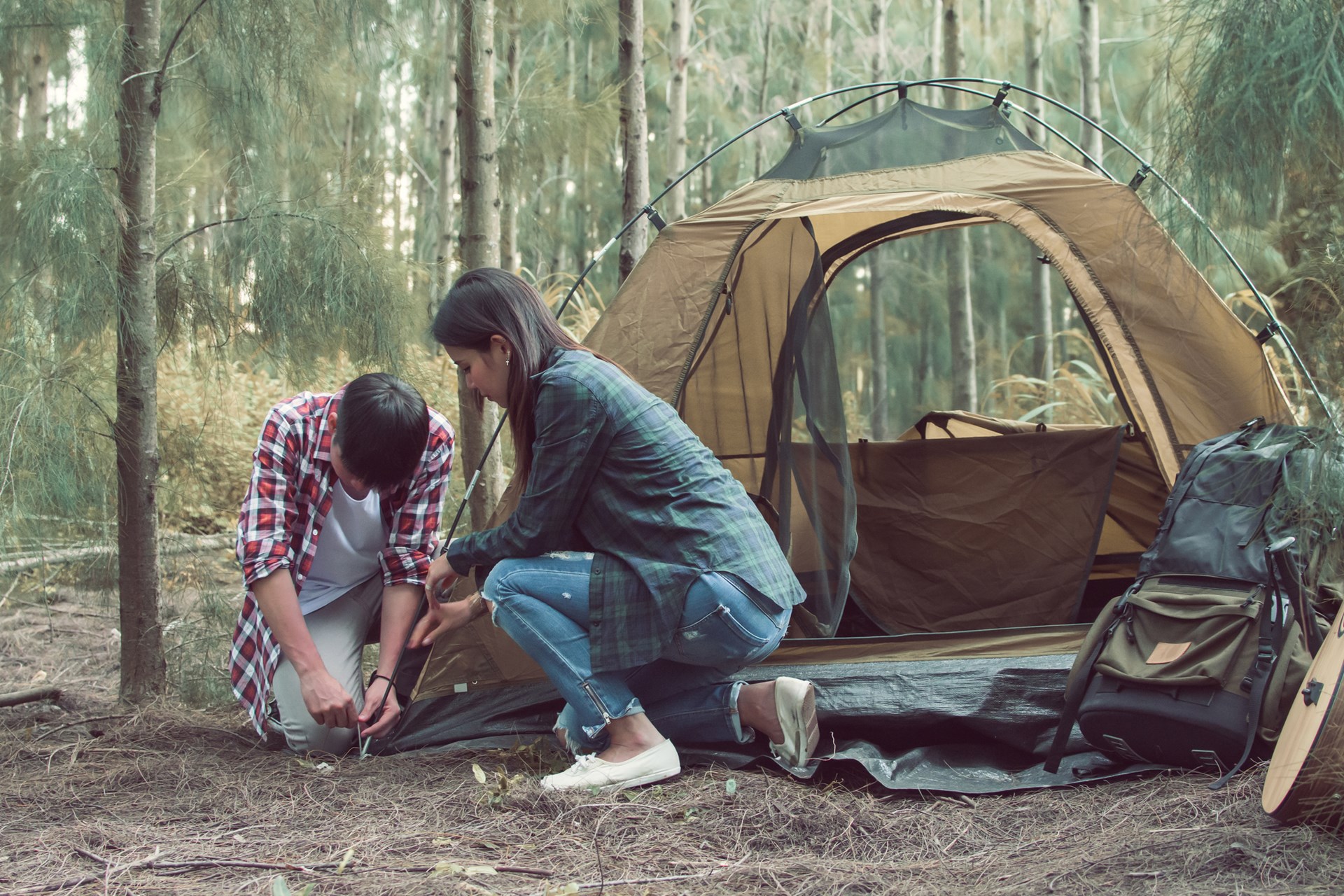
- Poor site selection – Setting up on a slope or in a low spot can lead to flooding or uncomfortable sleep. Always choose a flat, high area.
- Not staking down the tent – Wind can blow away or collapse an unsecured tent. Always use stakes and guy lines.
- Ignoring ventilation – Closing all vents can cause condensation inside, making everything damp. Use the vents, even in cold weather.
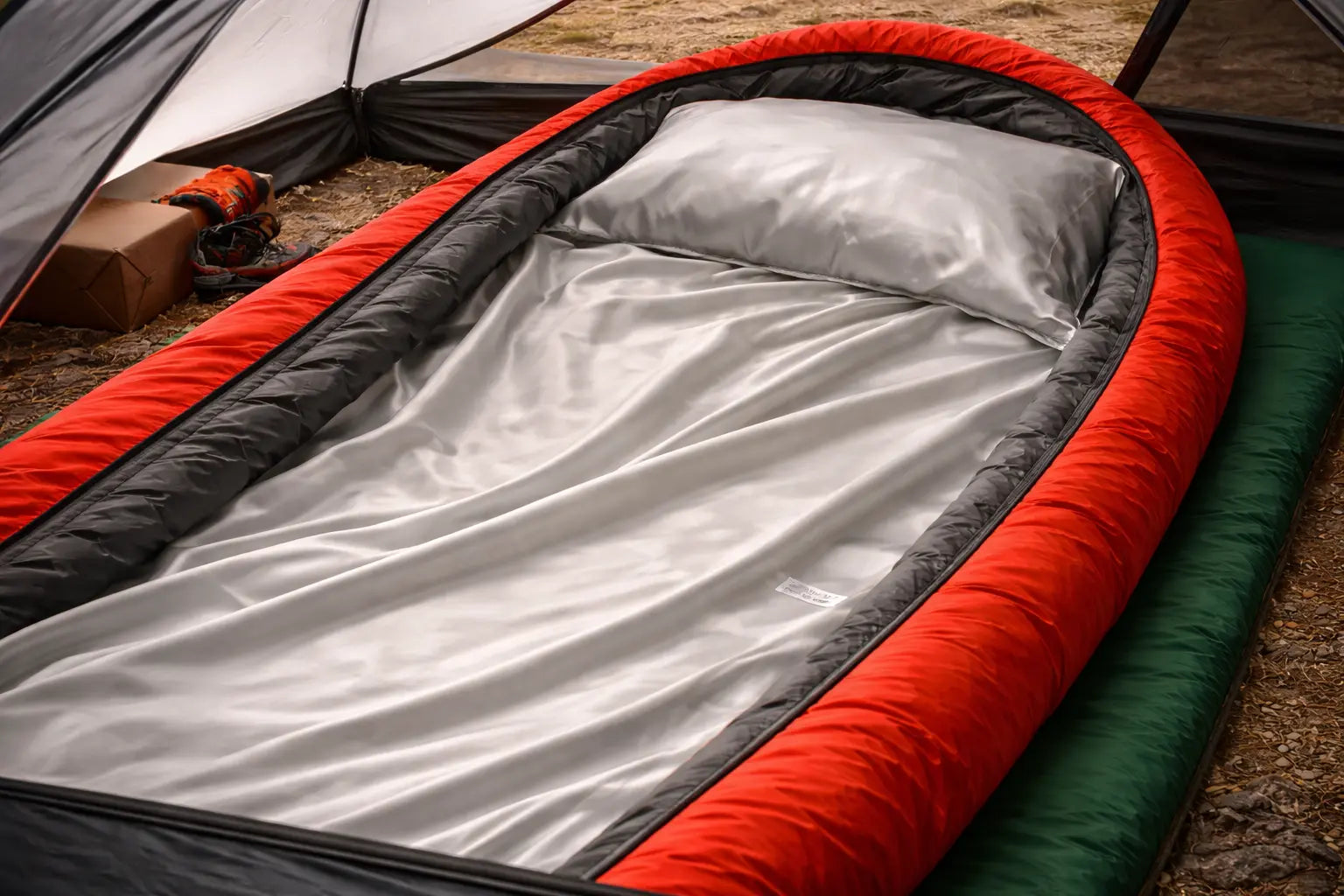
- Packing away wet – Storing a wet tent leads to mold and bad smells. Dry your tent before packing up whenever possible.
Credit: www.pillowpackers.com
What To Look For When Choosing A Tent
Not all tents are created equal. When buying or renting a tent, consider these key factors:
- Size: Make sure it fits your group and gear.
- Weight: Lighter tents are better for hiking; heavier ones work for car camping.
- Season rating: Three-season tents are for spring, summer, and fall; four-season tents handle snow and cold.
- Ease of setup: Practice at home before your trip.
- Ventilation: Good airflow reduces condensation.
Expert advice and field tests are available at sites like REI Co-op.
Real-life Examples
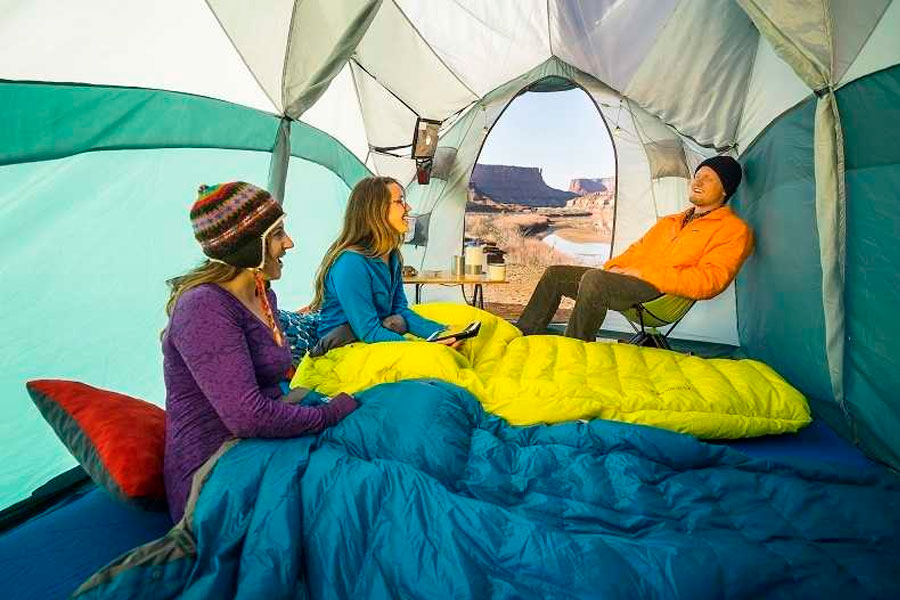
Consider two campers: Alex and Jamie. Alex decides to sleep under the stars with only a sleeping bag. Jamie uses a small tent. That night, a surprise rainstorm arrives. Alex wakes up cold and soaked, unable to sleep. Jamie, inside the tent, stays dry and comfortable. The next day, Jamie enjoys hiking while Alex feels exhausted. This simple example shows how a tent can change your entire experience.
Credit: kamui.co
Final Thoughts
A tent is more than just camping equipment—it’s your home away from home. It keeps you safe from the weather, insects, and animals. It gives you privacy, comfort, and peace of mind. It helps you organize your gear and sleep better, which means more energy for adventure.
Whether you’re a first-time camper or a seasoned explorer, never underestimate the importance of a good tent. Investing in the right tent and learning how to use it well will make every camping trip safer, more comfortable, and more memorable.
I am an outdoor enthusiast and gear researcher passionate about camping, hiking, backpacking, and outdoor adventures. I enjoy testing gear, comparing products, and sharing practical advice to help readers make informed decisions. At BestOutsideGear, I create honest gear reviews, buying guides, and outdoor tips to help adventurers choose the right equipment with confidence.