What is a Hydration Bladder? Benefits & Uses Explained
You probably know how important it is to stay hydrated, especially when you’re out hiking, biking, or running. But carrying water bottles can be bulky and inconvenient.
That’s where a hydration bladder comes in. It’s a simple, hands-free way to carry water that fits right into your backpack. Imagine sipping water anytime without stopping or digging around for your bottle. Curious how this small gear can make a big difference in your outdoor adventures?
Keep reading, and you’ll learn exactly what a hydration bladder is, how it works, and why it might be your new favorite companion on the trail.
Hydration Bladder Basics
Hydration bladders are popular tools for outdoor activities. They offer easy access to water without needing to stop and pull out a bottle. Understanding the basics helps you choose the right one. This section covers what a hydration bladder is, how it works, and the materials used.
What It Is
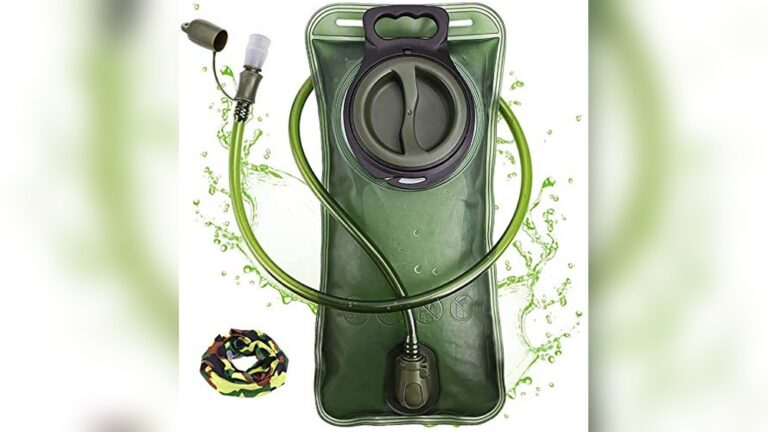
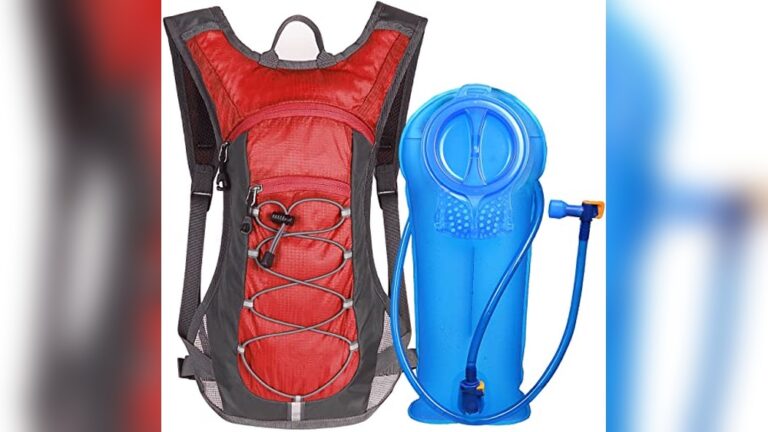
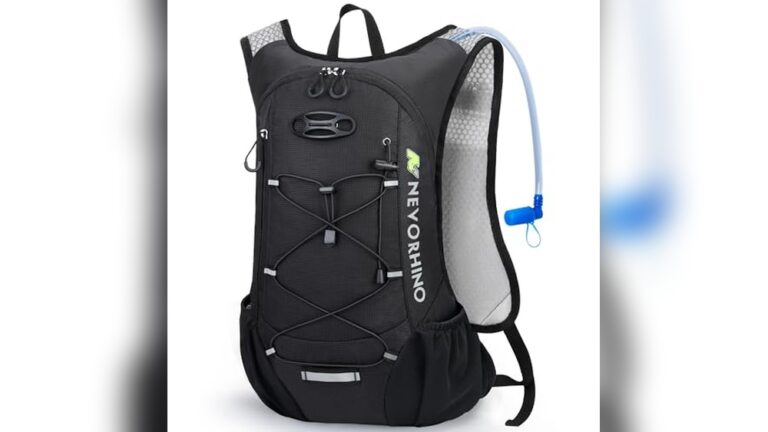
A hydration bladder is a flexible container for holding water. It fits inside a backpack or a special pouch. It has a tube that lets you drink without using your hands. This makes drinking easier during hiking, biking, or running.
How It Works
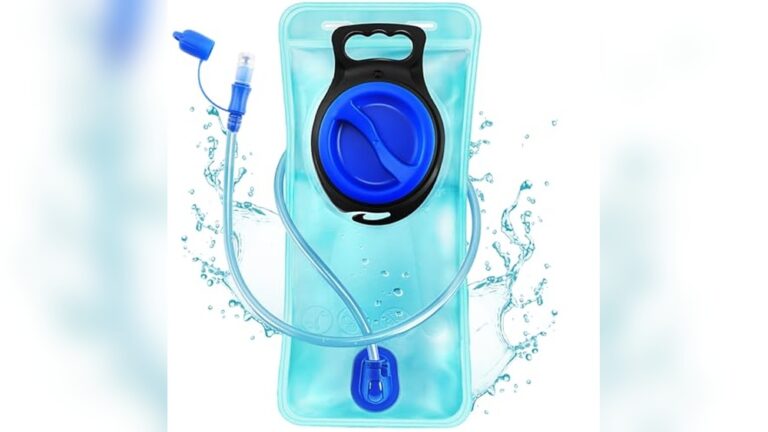
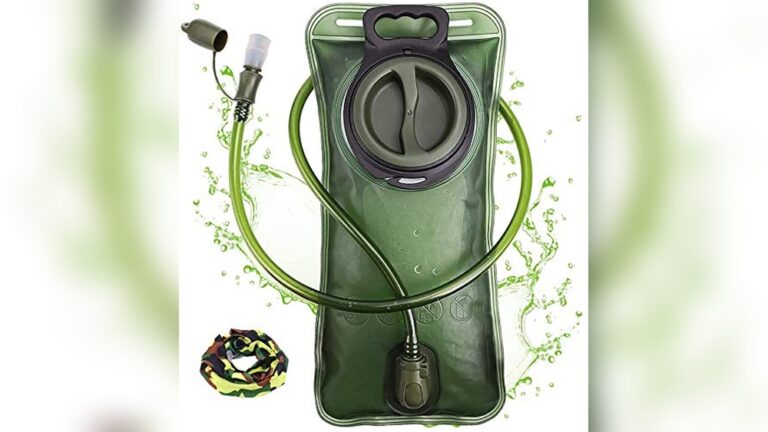
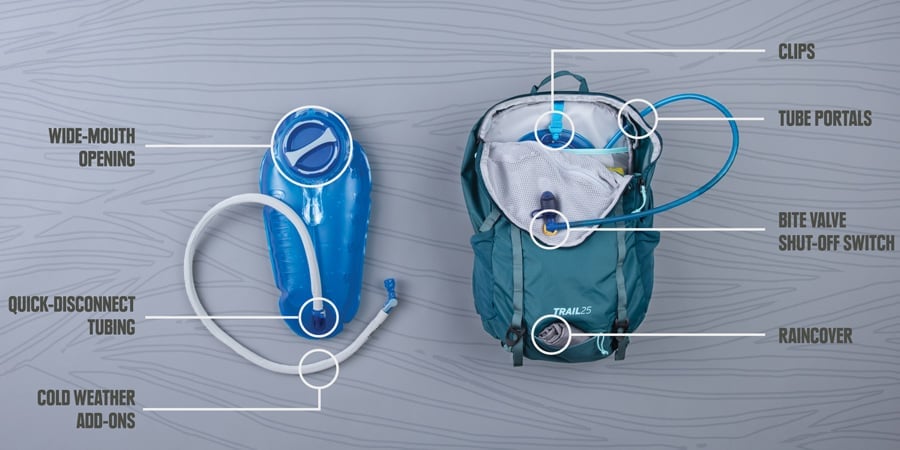
The bladder holds water inside a soft bag. A long tube connects to the bag and ends with a bite valve. You bite the valve to open it and suck water through the tube. This system keeps your hands free and lets you drink on the move.
Common Materials
Hydration bladders are usually made from plastic or silicone. These materials are lightweight and flexible. They resist leaks and are safe for drinking water. Some bladders have antimicrobial coatings to prevent bacteria growth. Most are easy to clean and durable for outdoor use.
Benefits Of Hydration Bladders
Hydration bladders offer several practical benefits for outdoor enthusiasts and everyday users. They make drinking water easier, keep fluids handy, and help maintain the right temperature. These features improve comfort and convenience during activities like hiking, biking, or running.
Hands-free Drinking
Hydration bladders allow hands-free drinking through a tube and bite valve. You can sip water without stopping or using your hands. This helps maintain your pace and focus during physical activities. It also reduces the risk of spills and makes hydration quick and simple.
Convenient Water Storage
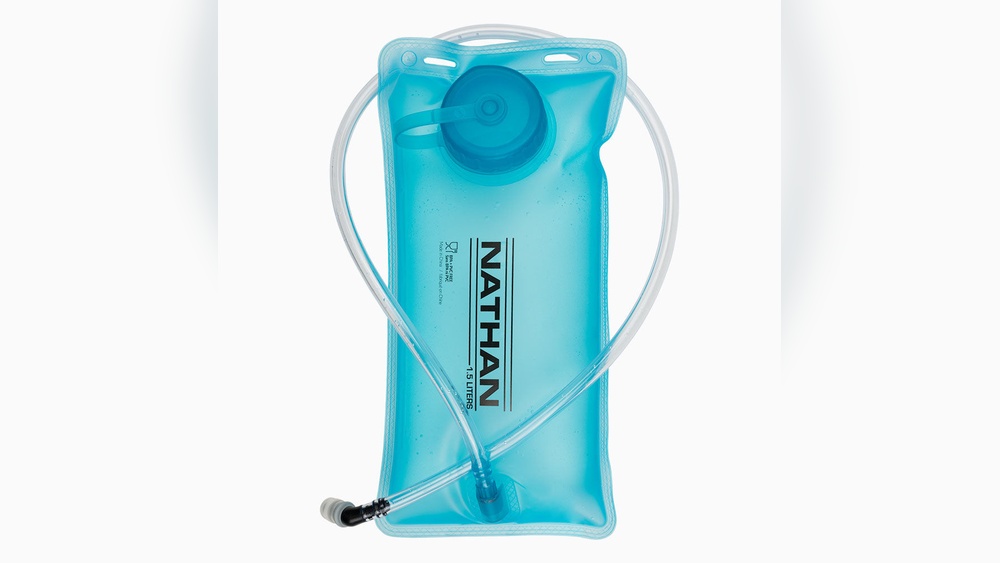
These bladders fit inside backpacks or hydration packs, saving space. They hold a large amount of water, usually between 1 to 3 liters. This means fewer refills during long trips. The flexible design molds to your back, making it comfortable to carry.
Temperature Control
Some hydration bladders come with insulation to keep water cool or warm. This is helpful in hot or cold weather. Staying hydrated with water at a good temperature improves your comfort and encourages regular drinking. It also prevents the water from freezing in cold conditions.
Types Of Hydration Bladders
Hydration bladders come in different types to suit various needs. Choosing the right type helps keep you hydrated comfortably. Each type offers unique features for specific activities and conditions.
Standard Reservoirs
Standard reservoirs are the most common hydration bladders. They hold water in a flexible pouch that fits inside a backpack. These bladders usually range from 1 to 3 liters. They come with a tube for easy drinking without stopping. Standard reservoirs are lightweight and simple to use. They work well for hiking, biking, and everyday use.
Insulated Bladders
Insulated bladders keep water cool or warm longer. They have a special lining that protects the liquid from outside temperature. This type is perfect for cold weather or hot summer days. Insulated tubes prevent water from freezing or heating up. These bladders ensure your water stays fresh during long trips. They are ideal for winter sports and desert hiking.
Specialty Designs
Specialty hydration bladders have extra features for specific needs. Some have quick-release valves for fast tube removal. Others include anti-microbial materials to stop bacteria growth. There are bladders designed for high-pressure use, such as running or mountain biking. Some models fit in unusual backpack shapes or have multiple compartments. These designs provide convenience and safety for active users.
Choosing The Right Bladder
Choosing the right hydration bladder matters for comfort and convenience. The right bladder fits your needs, activity level, and backpack size. Consider capacity, material, and cleaning ease to make a smart choice. These factors affect how well the bladder performs during your outdoor adventures.
Capacity Options
Hydration bladders come in various sizes. Common sizes range from 1 to 3 liters. Smaller bladders are lighter and fit compact packs. Larger bladders hold more water for longer trips. Choose a size that matches your activity length and water needs. Avoid carrying too much weight or running out of water.
Material Durability
Bladders use different materials like TPU, polyethylene, or nylon. TPU is flexible and resists punctures well. Polyethylene is lightweight but less durable. Nylon adds strength and resists abrasions. Look for bladders with reinforced seams to prevent leaks. Durable material extends the bladder’s life and keeps water clean.
Ease Of Cleaning
Cleaning a hydration bladder can be tricky. Choose a bladder with a wide opening for easy access. Some bladders have removable tubes and bite valves. These parts should be simple to detach and clean. Look for dishwasher-safe options or cleaning kits designed for bladders. Proper cleaning stops mold and bacteria growth.
Hydration Packs Vs. Bottles
Choosing between hydration packs and bottles matters for staying hydrated outdoors. Both have unique features that suit different activities and preferences. Knowing their advantages helps pick the best option for your needs.
Advantages Of Bladders
Hydration bladders fit inside backpacks for hands-free drinking. They use a tube to sip water without stopping. This convenience keeps you moving during hiking or biking. Bladders hold more water than most bottles. They spread weight evenly on your back. Many bladders have insulation to keep water cool. Cleaning is easier with wide openings. They reduce spills and leaks while on the trail.
Advantages Of Bottles
Bottles are simple and easy to refill anywhere. They fit in car cup holders or backpack pockets. You can drink faster without a tube. Bottles come in many sizes and materials. Some keep water cold for hours. They are easier to clean thoroughly. Bottles work well for short trips or when you want variety. Carrying different drinks is simple with multiple bottles. They do not need a special pack to hold them.
When To Use Each
Choose bladders for long hikes or bike rides. They let you drink often without slowing down. Use bottles for casual walks or gym sessions. Bottles suit places with easy water access. Pick bladders if you want to carry more water comfortably. Choose bottles for quick refills and easy cleaning. Both can work well if you combine them for different situations.
Credit: angradoheroismo.pt
Maintenance Tips
Proper maintenance keeps your hydration bladder safe and ready to use. Regular care stops bacteria, mold, and bad smells. It also extends the bladder’s life. Follow these simple steps to keep your hydration system clean and fresh.
Cleaning Techniques
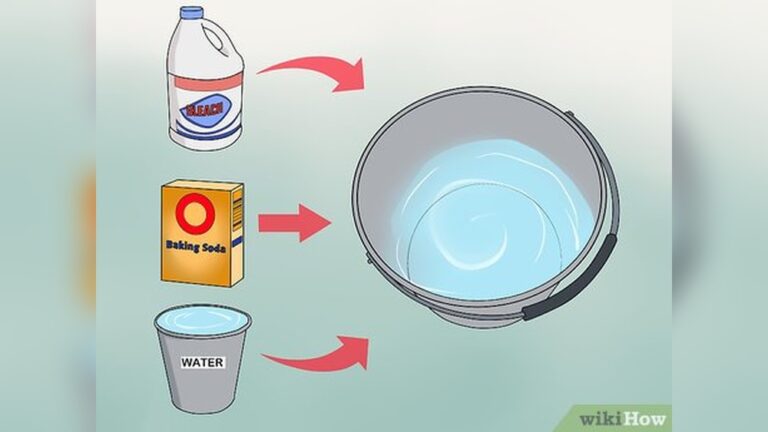
Rinse your bladder with warm water after each use. Use mild soap or specialized cleaning tablets. Avoid harsh chemicals that can damage the material. Use a soft brush or cloth to scrub inside gently. Clean the tube and bite valve thoroughly. Let all parts air dry completely before storing.
Preventing Mold And Odors
Keep your bladder dry to prevent mold growth. After cleaning, hang it upside down with the cap off. Use baking soda or lemon juice for extra odor control. Replace the bite valve if it smells bad or looks worn. Clean the tube often to avoid buildup. Avoid leaving liquids in the bladder for long periods.
Storage Advice
Store your hydration bladder in a cool, dry place. Make sure it is fully dry before storing. Use a storage bag or container to protect it from dust. Avoid folding or crushing the bladder to prevent damage. Store the tube separately if possible. Check your bladder before each use for signs of wear.
Popular Brands And Models
Hydration bladders come in many brands and models. Each brand offers unique features and designs. Choosing the right one depends on your needs and activities. Below are some popular hydration bladder brands known for quality and reliability.
Camelbak Options
CamelBak is a leader in hydration bladders. Their models often include easy-fill openings and leak-proof designs. The CamelBak Crux is a popular choice. It offers a wide mouth for fast filling and cleaning. The Antidote model features a clean-swipe reservoir for easy cleaning. CamelBak bladders often have bite valves that are easy to use. They fit many backpack brands and come in various sizes.
Osprey Reservoirs
Osprey produces high-quality reservoirs with durable materials. Their Hydraulics LT reservoir is lightweight and flexible. It features a wide opening for quick refills and cleaning. Osprey reservoirs come with a magnetic bite valve that stays in place. They are designed to fit Osprey packs perfectly but work with others as well. Osprey offers insulated sleeves for cold weather use.
Other Notable Brands
Several other brands offer great hydration bladders. HydraPak is known for its durable, BPA-free materials. Their bladders include quick-disconnect valves for easy hose removal. Teton Sports provides affordable and reliable options for beginners. Orange Mud offers bladders with unique valve designs for smooth water flow. Ogio and Cabela’s also make durable models for outdoor enthusiasts. Each brand has features suited to different activities and budgets.
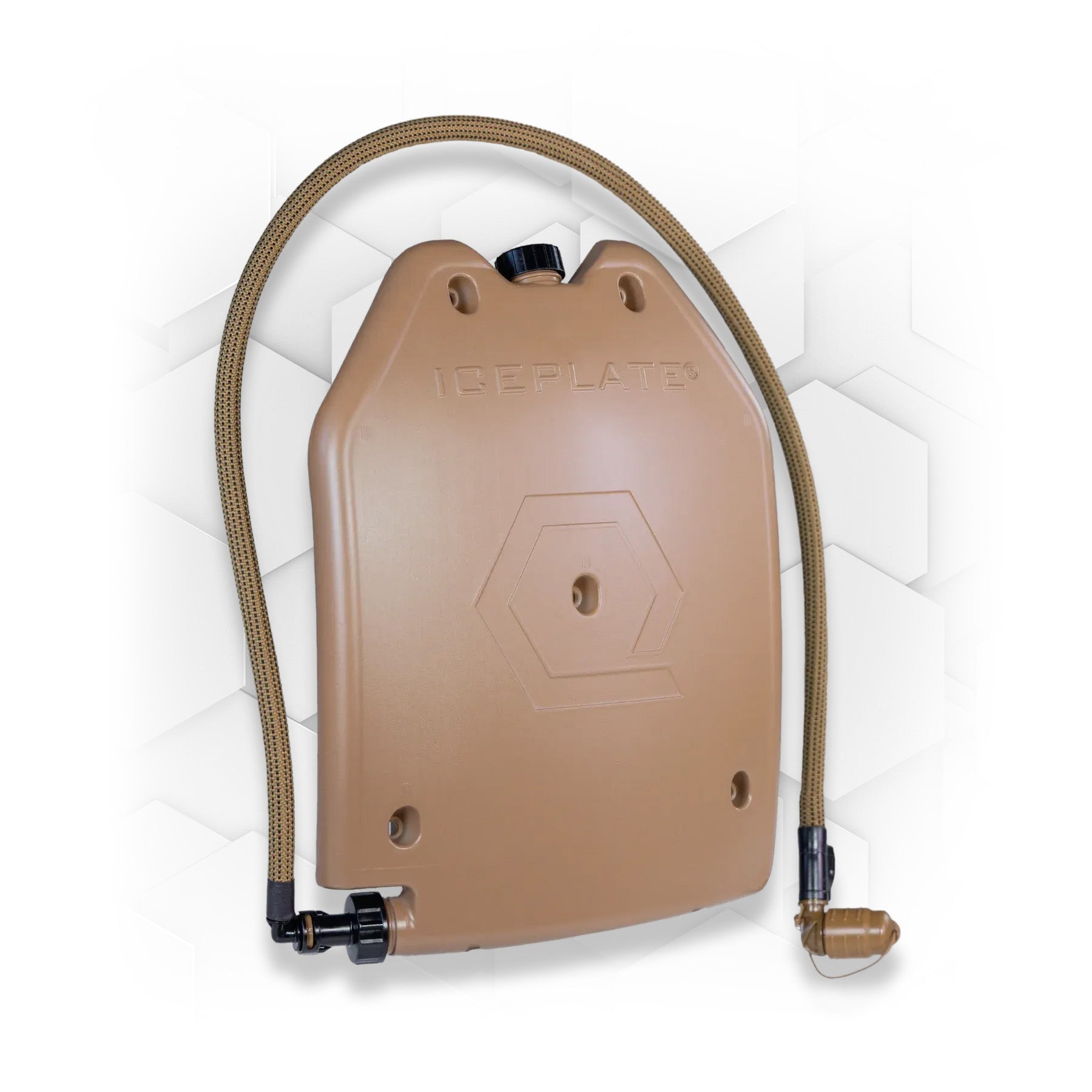
Credit: www.qoreperformance.com
Using Hydration Bladders Outdoors
Hydration bladders make drinking water easy during outdoor activities. They fit inside backpacks and provide hands-free hydration. Users can sip water through a tube without stopping their adventure. These bladders keep water accessible, helping prevent dehydration outdoors.
Hiking And Backpacking
Hikers use hydration bladders to stay hydrated on long trails. The bladders fit neatly in backpacks, saving space. Drink tubes allow hikers to sip water without slowing down. This helps maintain energy and avoid dehydration. Lightweight and flexible, bladders are easy to carry.
Cycling And Running
Cyclists and runners benefit from hydration bladders during intense exercise. The tube lets them drink without stopping or using hands. This improves performance and safety. Hydration bladders fit into special packs or belts. They provide quick access to water on the move.
Camping And Survival
Campers and survivalists rely on hydration bladders for water storage. Bladders keep water clean and protected from dirt. They are easy to refill at streams or lakes. Compact design saves space in camping gear. Staying hydrated is critical for safety and comfort outdoors.
Troubleshooting Common Issues
Troubleshooting common issues with hydration bladders helps keep you hydrated outdoors. Small problems can stop water flow or cause leaks. Knowing how to fix these issues saves time and frustration. Here are some common problems and simple solutions.
Leaks And Punctures
Leaks often happen from sharp objects or wear and tear. Check the bladder carefully for holes. Patch small punctures with a repair kit made for hydration bladders. Avoid using regular tape as it may not hold well. For large tears, consider replacing the bladder. Always store the bladder away from sharp edges.
Flow Problems
Slow or no water flow can spoil your hydration experience. Check if the bladder is empty or collapsed. Squeeze the bladder gently to push water through the tube. Inspect the tube for kinks or bends that block water. Ensure the bite valve is open and not stuck. Clean the tube regularly to prevent buildup that blocks flow.
Tube And Bite Valve Care
The tube and bite valve need proper care to work well. After each use, rinse the tube and valve with clean water. Let them dry completely to avoid mold or bacteria growth. Use a cleaning brush designed for hydration tubes to remove residue. Replace the bite valve if it becomes sticky or damaged. Store the tube and valve separately to keep them fresh.
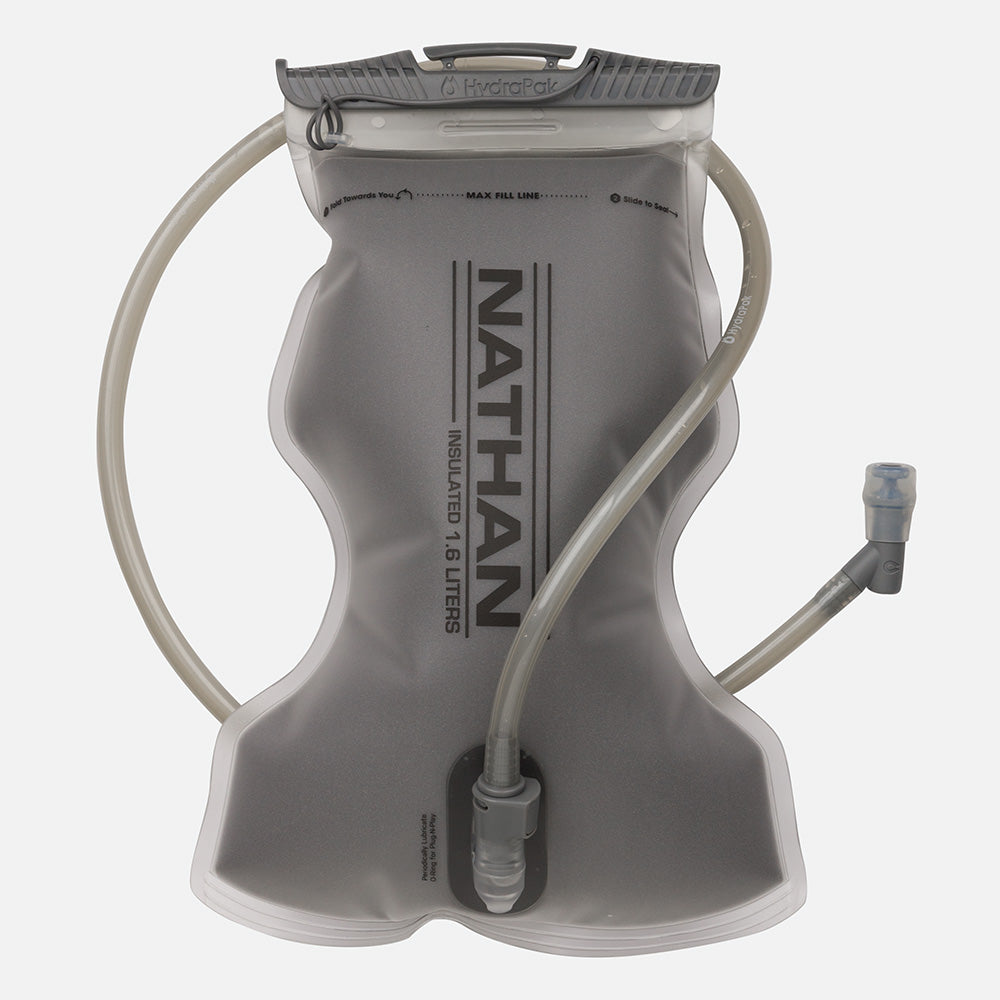
Credit: nathansports.com
Conclusion
A hydration bladder offers an easy way to stay hydrated on the move. It fits inside backpacks and lets you drink without stopping. These bladders hold enough water for long trips and keep your hands free. Cleaning and refilling them is simple.
Choosing the right bladder depends on your activity and needs. Staying hydrated helps your body perform better and feel good. A hydration bladder can be a helpful tool for anyone active outdoors. Try one to enjoy water anytime, anywhere.

I am an outdoor enthusiast and gear researcher passionate about camping, hiking, backpacking, and outdoor adventures. I enjoy testing gear, comparing products, and sharing practical advice to help readers make informed decisions. At BestOutsideGear, I create honest gear reviews, buying guides, and outdoor tips to help adventurers choose the right equipment with confidence.