How to Use Waterproof Phone Case: Stay Dry
Using a waterproof phone case is a smart way to protect your valuable device from water damage, dust, and other elements. Whether you’re heading to the beach, going on a hike, or just worried about accidental spills, a good waterproof case offers peace of mind. However, simply buying a case isn’t enough; you need to know how to use it correctly to ensure it actually keeps your phone dry. This guide will walk you through everything you need to know, from choosing the right case to using it effectively and testing its seal.
Why You Need A Waterproof Phone Case
In our connected world, smartphones are essential tools for communication, navigation, entertainment, and even work. Losing functionality due to water damage can be a significant inconvenience, and repair costs can be substantial. According to a survey by Asurion, 50% of people have damaged their phone, with water damage being a common culprit.
Beyond accidental drops in water, many environments pose risks. Think about a rainy day, a day at the pool, or even just a spilled drink at a restaurant.
A waterproof phone case acts as a barrier against these threats. It’s not just about submersion; it’s also about protecting against splashes, humidity, and dust. For travelers, adventurers, or even parents with young children, a waterproof case is an investment in device longevity and worry-free usage. It allows you to capture memories in environments you might otherwise avoid, like snorkeling or during a sudden downpour.
Types Of Waterproof Phone Cases
Not all waterproof cases are created equal. They range from simple pouches to more robust, form-fitting cases. Understanding the different types will help you choose the best option for your needs.
Waterproof Pouches
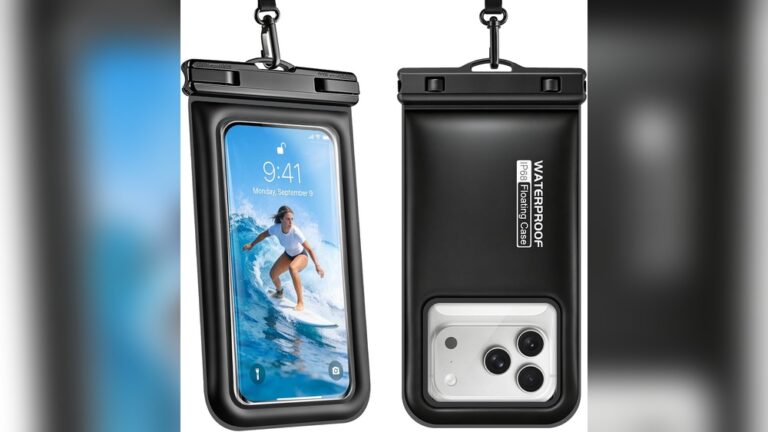
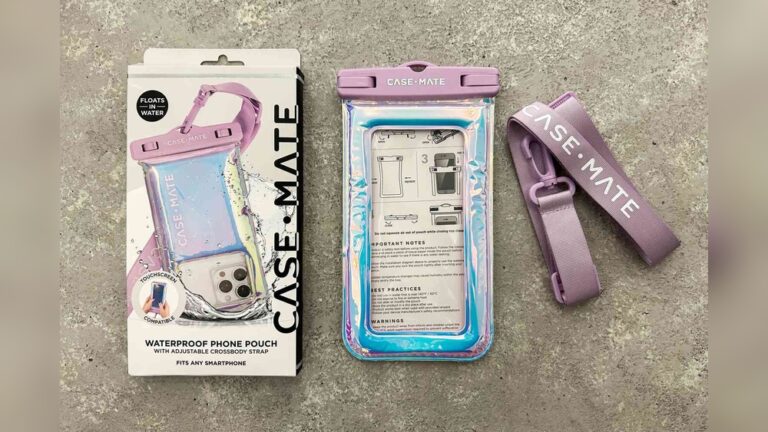
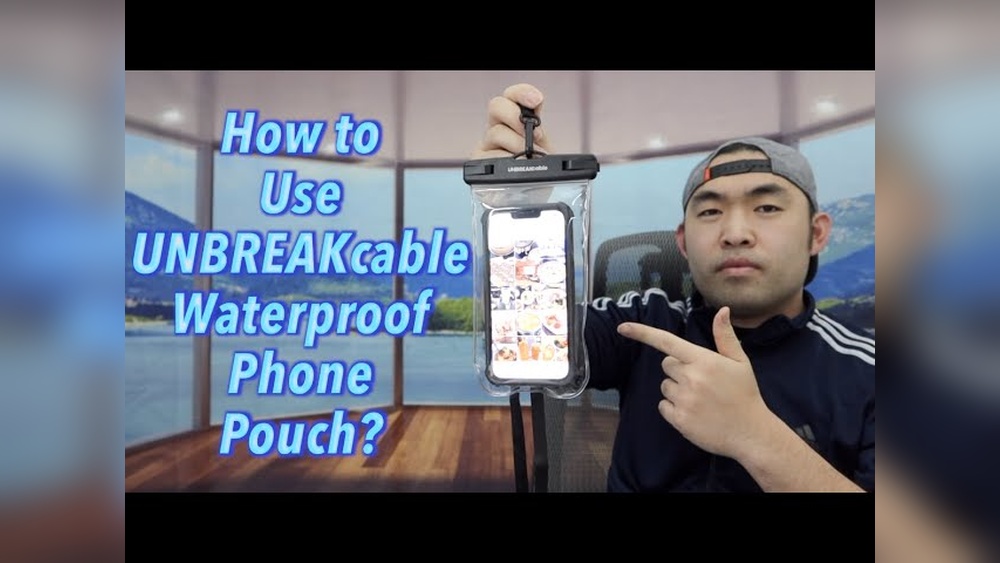
These are typically made of a flexible, clear plastic material and feature a seal at the top, often a zip-lock or clamp mechanism. They are generally inexpensive and offer a good level of protection for casual use.
- Pros: Affordable, lightweight, universal fit for many phone sizes, allow touchscreen use and camera access.
- Cons: Can be less durable, the seal might be prone to failure if not closed properly, may affect call quality due to the plastic barrier.
- Best for: Beach days, poolside use, light rain protection, and occasional submersion.
Hard-shell Waterproof Cases
These cases are designed to fit specific phone models. They usually consist of two or more pieces that snap or screw together, creating a tight seal around the phone. They often offer more comprehensive protection, including dust and shock resistance.
- Pros: Superior protection against water, dust, and drops; often have built-in screen protectors; durable construction.
- Cons: More expensive, can add bulk to the phone, may slightly reduce touchscreen sensitivity or sound quality, installation can be more complex.
- Best for: Extreme environments, adventure sports, frequent outdoor activities, and users who need maximum protection.
Submersible Vs. Splash-proof
It’s crucial to understand the difference between cases marketed as “waterproof” and those that are “splash-proof. “
- Waterproof (Submersible): These cases are designed to withstand submersion in water up to a certain depth and for a specific duration. They usually have an IP rating (Ingress Protection) like IP68, indicating a high level of protection against dust and water.
- Splash-Proof: These cases offer protection against light splashes and rain but are not designed for submersion. They might have an IP rating like IPX4 or IPX5.
Always check the specific IP rating and submersion details provided by the manufacturer. A case rated IP68, for instance, typically means it’s protected against dust and can withstand submersion in water deeper than 1 meter for at least 30 minutes.
How To Choose The Right Waterproof Phone Case
Selecting the correct case is the first step to effective protection. Consider these factors:
1. Phone Model Compatibility
For hard-shell cases, exact fit is paramount. A case designed for an iPhone 14 Pro won’t fit an iPhone 14. Ensure the case is specifically made for your phone model, as this guarantees proper access to buttons, ports, and cameras.
2. Depth And Duration Rating (ip Rating)
If you plan on submerging your phone, look for cases with a high IP rating, ideally IP68. Check the manufacturer’s specifications for the maximum depth and time the case is rated for. For casual use like rain protection, a lower rating might suffice, but it’s always better to have more protection than you need.
3. Durability And Build Quality
Examine the materials used. For pouches, check the thickness of the plastic and the quality of the sealing mechanism. For hard-shell cases, look for robust construction, secure latches, and good seals around ports and buttons. A reinforced frame can offer better drop protection.
4. Touchscreen And Camera Functionality
A good waterproof case should not significantly impede your ability to use your phone. Test the touchscreen responsiveness through the case. For photography, ensure the camera lens area is clear and doesn’t create glare. Some cases have dedicated camera ports for better image quality.
5. Ease Of Use And Access
Consider how easy it is to put your phone in and take it out. For hard-shell cases, installation should be straightforward but secure. For pouches, the sealing mechanism should be easy to operate and close tightly. Also, think about access to charging ports if you anticipate needing to charge your phone while it’s in the case.
6. Additional Features
Some cases offer extra features like:
- Built-in screen protectors: Provides an extra layer of defense for your phone’s display.
- Lanyards or straps: For secure carrying around your neck or wrist.
- Floating capabilities: Some pouches are designed to float if dropped in water, preventing loss.
- Dust protection: Essential for sandy or dusty environments.
Before You Use Your New Waterproof Case: The Crucial First Test
This is arguably the most important step, and one many people skip. Never trust a new waterproof case with your phone without testing it first.
1. The Paper Test
This simple test checks the integrity of the seal without risking your phone.
- Get a piece of dry paper towel or tissue.
- Place it inside the empty waterproof case.
- Seal the case completely, ensuring the locking mechanism is fully engaged and there are no visible gaps. For pouches, run your fingers along the seal to ensure it’s properly closed. For hard-shell cases, ensure all latches are securely fastened.
- Submerge the sealed case in a sink or basin filled with water. Do not just sprinkle water on it; submerge it fully.
- Leave it underwater for at least 5-10 minutes. You can gently agitate it or press lightly on the case to simulate movement, but avoid any actions that could damage the seal.
- Carefully remove the case from the water.
- Open the case and check the paper towel. If the paper is dry, your case has passed the test and is likely waterproof. If there is any sign of moisture, the case is faulty, and you should not use it with your phone.
Pro Tip: Repeat this test periodically, especially if you use the case frequently or after a significant drop. Even the best cases can develop small tears or weaknesses over time.
How To Properly Use Your Waterproof Phone Case
Once you’ve confirmed your case is watertight, it’s time to put your phone inside and use it in wet environments.
1. Preparing Your Phone And Case
- Clean your phone: Ensure your phone is clean and dry before placing it in the case. Any dust or debris could get trapped inside, potentially scratching your phone or interfering with the seal.
- Remove bulky accessories: If your phone has a thick existing case or pop sockets, remove them. These can prevent the waterproof case from sealing properly.
- Inspect the case: Before each use, visually inspect the case for any signs of damage, such as cracks, tears, or wear on the sealing mechanism.
2. Sealing The Case
This is where most failures happen. A perfect seal is critical.
- For Pouches:
- Place your phone inside the pouch.
- Carefully fold the top edge over at least three times, ensuring a flat, even fold.
- Securely fasten the zip-lock or clamp mechanism. Ensure it clicks into place all the way across.
- Double-check that there are no visible gaps or openings.
- For Hard-Shell Cases:
- Follow the manufacturer’s instructions for assembly. This usually involves placing the phone in one half and then snapping or screwing the other half on.
- Ensure all seals and gaskets are properly seated before closing.
- Make sure all latches, screws, or clamps are fully engaged.
3. Using Your Phone In The Case
- Touchscreen Sensitivity: Some cases, especially pouches, can reduce touchscreen sensitivity. You might need to press harder or tap more deliberately.
- Camera Use: If using a pouch, you might need to experiment with angles to get clear photos. The plastic can sometimes cause glare or distortion. Hard-shell cases often have dedicated cutouts for cameras, which work better.
- Sound Quality: Expect some muffling of both incoming and outgoing audio. For calls, you might need to use speakerphone or find a quieter area.
- Button Access: Ensure you can still access essential buttons like the power and volume buttons. Some cases have raised buttons, while others have cutouts.
4. Removing Your Phone From The Case
- Dry Your Hands and Case: Before opening, dry your hands and the exterior of the case thoroughly. This prevents any water from dripping into the case when you open it.
- Open Carefully: Open the case according to the manufacturer’s instructions. For pouches, undo the seal completely. For hard-shell cases, release all latches or screws.
- Remove Phone: Gently remove your phone.
- Inspect Both: Check both your phone and the inside of the case for any moisture.
Maintaining Your Waterproof Phone Case
Proper maintenance will extend the life of your case and ensure its continued effectiveness.
1. Cleaning
- Pouches: Rinse the pouch with fresh water after use, especially if you’ve been in saltwater or chlorinated water. Wipe it dry with a soft cloth. Avoid harsh chemicals or abrasive cleaners.
- Hard-Shell Cases: Wash the case with mild soap and fresh water. Pay attention to the seals and gaskets, cleaning them gently with a soft brush or cloth to remove any sand, dirt, or salt residue. Dry all parts thoroughly before reassembling or storing.
2. Drying
Always ensure the case is completely dry before storing it. Moisture trapped inside can lead to mold or mildew. For hard-shell cases, disassemble them and let all parts air dry. For pouches, hang them to dry or lay them flat.
3. Storage
Store your waterproof case in a cool, dry place, away from direct sunlight. If storing a hard-shell case, avoid storing it with the seals compressed for long periods, as this can degrade the rubber or silicone over time. Some manufacturers recommend storing them slightly open or with a desiccant pack.
4. Inspecting For Wear And Tear
Periodically check the case for:
- Cracks or tears in the plastic or rubber.
- Degradation of seals or gaskets (they might become stiff, brittle, or lose their shape).
- Damage to the locking mechanism (e.g., broken clips, worn zippers).
If you notice any significant wear or damage, it’s time to replace the case.
When To Replace Your Waterproof Phone Case
Waterproof cases are not indestructible. They have a lifespan, and their effectiveness can diminish over time. Here are signs that indicate it’s time for a replacement:
- Failed Paper Test: If your case fails the paper test, it’s no longer reliable.
- Visible Damage: Cracks, deep scratches, or tears in the material, especially around the seals, compromise its integrity.
- Stiff or Damaged Seals: Rubber or silicone seals that become brittle, cracked, or misshapen lose their ability to create a watertight barrier.
- Faulty Locking Mechanism: If the zip, clamp, or screw mechanism doesn’t close securely or feels loose, it can’t guarantee a waterproof seal.
- Cloudy or Scratched Screen: While cosmetic, severe scratches or cloudiness on the clear plastic can make it difficult to see your phone screen or take clear photos.
- Age: Even with careful use, materials degrade over time. If your case is several years old and has seen regular use, consider replacing it as a preventative measure.
Using Your Waterproof Case For Photography And Videography
Waterproof cases open up exciting possibilities for capturing photos and videos in unique environments.
1. Underwater Photography
- Choose the Right Case: For serious underwater photography, a hard-shell case designed for your specific phone model is usually best. These offer better protection and often have better lens clarity. Some high-end cases even have dedicated underwater modes or external lens attachments.
- Practice in Shallow Water: Start in shallow, clear water where you can easily retrieve your phone if something goes wrong.
- Master Touch Controls: Underwater, touchscreens can be unreliable due to water interference. Practice using the physical buttons on your phone (if accessible through the case) to take photos or start/stop video recording. Some apps allow you to use volume buttons as shutter buttons.
- Consider Lighting: Water absorbs light, especially red wavelengths. Colors can appear muted underwater. In deeper water or low light, you might need an underwater light source for better results.
- Clean Lenses: Ensure both the phone’s camera lens and the case’s clear window are perfectly clean before you start. Smudges will ruin your shots.
2. Action Shots In Wet Conditions
- Rainy Day Adventures: Don’t let rain stop your hike or bike ride. A waterproof case allows you to use your phone for navigation or capturing scenic views without worry.
- Water Sports: Kayaking, paddleboarding, and boating are prime opportunities for using a waterproof case. Keep it accessible but secure, perhaps attached to your wrist with a lanyard.
- Beach and Poolside: Protect your phone from sand, sunscreen, and splashes. You can even use your phone to take photos or videos of friends and family enjoying the water.
Example: When I took my phone kayaking last summer, I used a waterproof pouch. I kept it around my neck using the included lanyard. I was able to take photos of the scenery and even a quick video of a passing dolphin, all

I am an outdoor enthusiast and gear researcher passionate about camping, hiking, backpacking, and outdoor adventures. I enjoy testing gear, comparing products, and sharing practical advice to help readers make informed decisions. At BestOutsideGear, I create honest gear reviews, buying guides, and outdoor tips to help adventurers choose the right equipment with confidence.