Do Waterproof Phone Cases Really Work? Yes!
Do waterproof phone cases really work? It’s a question many people ask before diving into the water, heading out in a storm, or even just taking a bath with their phone nearby. With so many brands and designs on the market, it can be hard to know which ones offer genuine protection and which are just a waste of money.
In this guide, we’ll explore the science behind waterproof cases, what makes them effective, and how to choose the right one to keep your precious device safe from water damage.
Understanding Waterproof Ratings: Ip And Beyond
When you see a phone or a case advertised as “waterproof,” it’s important to understand what that really means. The term “waterproof” can be a bit misleading because most products are actually “water-resistant” to a certain degree. The industry standard for measuring how well a device or case can resist water and dust is the Ingress Protection (IP) rating.
An IP rating has two digits. The first digit indicates protection against solid objects like dust, and the second digit indicates protection against liquids, primarily water. For example, a rating of IP67 means the device is protected against dust (6) and can withstand immersion in water up to 1 meter for 30 minutes (7).
A higher second digit generally means better water resistance. For a phone case to be considered truly effective against submersion, you’ll want to look for ratings like IP68 or higher, and ideally, cases that specify their own depth and time limits, often exceeding the standard IP rating.
It’s also crucial to distinguish between “water-resistant” and “waterproof. ” Water-resistant means a device can handle splashes or brief exposure to water. Waterproof means it can be submerged in water for a specified period and depth without damage. Most phone cases, even those marketed as waterproof, are technically water-resistant to a certain depth and time.
True “waterproof” without any limitations is extremely rare, especially for consumer electronics.
The Science Of Sealing: How Cases Keep Water Out
Waterproof phone cases work by creating a hermetic seal around your phone. This seal is achieved through a combination of design elements and materials.
- Materials: Most cases are made from durable plastics like polycarbonate or TPU (thermoplastic polyurethane). These materials are chosen for their strength, flexibility, and ability to form a tight barrier.
- Sealing Mechanisms: The most common sealing mechanisms include:
- O-rings and Gaskets: These are rubber or silicone rings that fit into grooves. When the case is closed, they compress to create a watertight barrier between the two halves of the case.
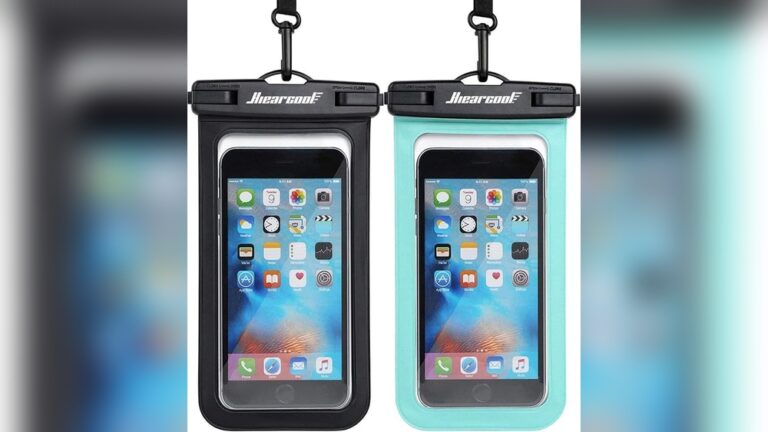
- Locking Clasps or Zips: Many pouch-style cases use a special locking mechanism or a heavy-duty zip closure that, when properly engaged, presses the material together to prevent water entry.
- Adhesives: Some hard-shell cases use strong, waterproof adhesives to bond different parts together, ensuring no gaps for water to penetrate.
- Port Covers: Charging ports, headphone jacks, and speaker grilles are common entry points for water. Waterproof cases usually feature rubber stoppers or membranes to cover these openings securely.
The effectiveness of these seals depends heavily on the quality of manufacturing and the proper use of the case. A tiny imperfection in a gasket or a poorly closed clasp can render the entire case useless.
Types Of Waterproof Phone Cases
There are several types of waterproof phone cases available, each with its own pros and cons. Understanding these differences can help you choose the best option for your needs.
1. Hard-shell Cases
These cases are typically made of two rigid parts that snap together, encasing the phone completely. They often have built-in screen protectors and port covers.
- Pros: Offer robust protection against drops and impacts in addition to water. They provide a secure fit and can be quite slim.
- Cons: Can be more expensive. Installation and removal can be a bit more involved. Touchscreen responsiveness might be slightly reduced due to the built-in screen protector.
2. Pouch Or Bag Cases
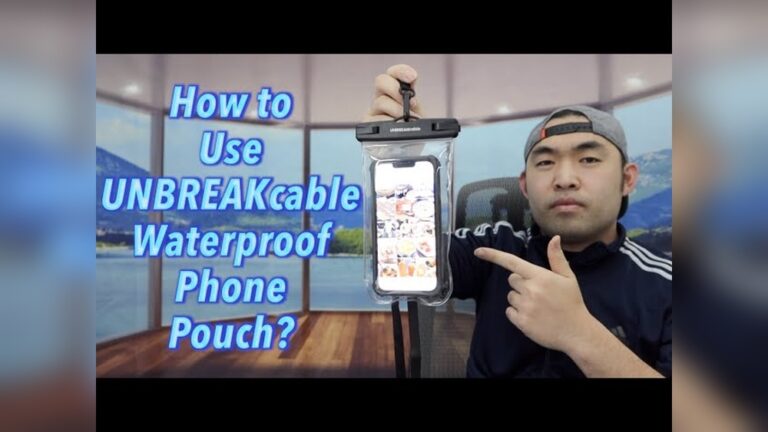
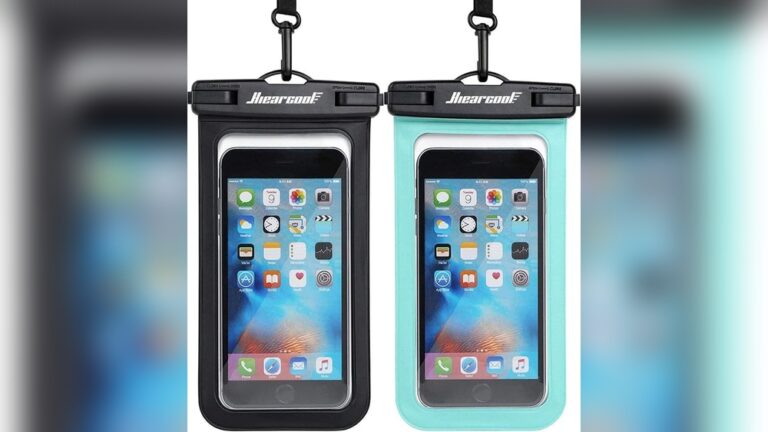
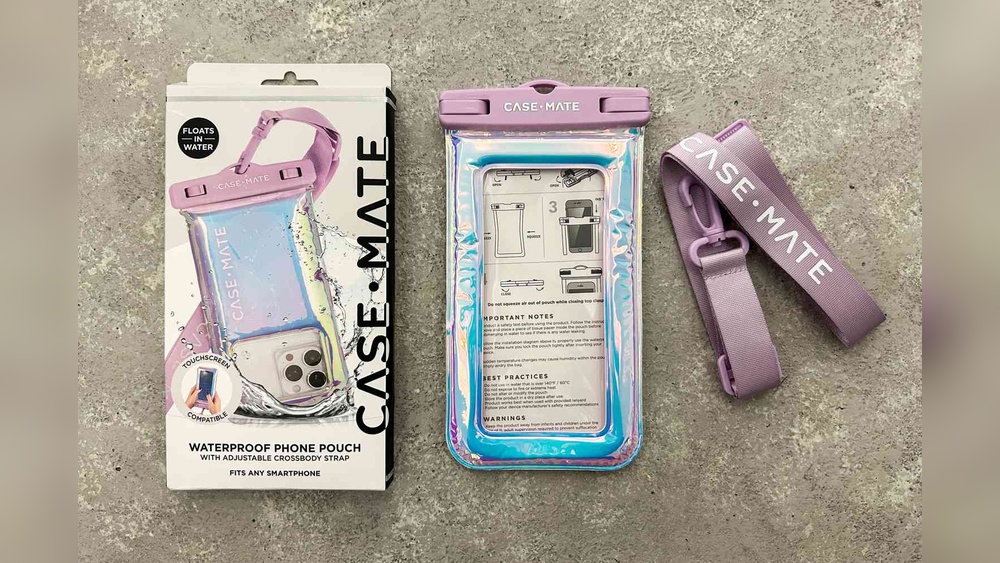
These are soft, flexible bags made from waterproof material, usually with a secure zip-lock or clamp system at the top. You place your phone inside the pouch, seal it, and can often still operate the touchscreen through the plastic.
- Pros: Generally more affordable. Easy to use and remove the phone. Offer a universal fit for various phone sizes. Many allow for touchscreen use underwater.
- Cons: Less protection against drops and impacts. Can be bulky. Touchscreen sensitivity can vary, and some materials might not be as responsive as others. The sealing mechanism is critical and can be a point of failure if not closed perfectly.
3. Waterproof Housings
These are more heavy-duty, often bulkier cases designed for extreme environments, such as diving or intense water sports. They are usually made of strong polycarbonate and feature robust sealing mechanisms.
- Pros: Offer the highest level of water protection, often rated for significant depths and durations. Excellent protection against impacts.
- Cons: Significantly increase the size and weight of the phone. Can be very expensive. May interfere with camera quality or button access.
4. Waterproof Phone Skins/wraps
Some newer products are essentially waterproof skins that adhere to the phone, offering a degree of water resistance.
- Pros: Very slim and don’t add much bulk.
- Cons: Limited water protection, usually only for splashes and brief submersion. Not as reliable as sealed cases.

Credit: maria-montessori-schule.de
Key Features To Look For In A Waterproof Case
When shopping for a waterproof phone case, several features are crucial to ensure it will actually protect your device.
Ip Rating And Manufacturer Specifications
As mentioned, look for cases with a high IP rating, ideally IP68. Beyond the IP rating, check the manufacturer’s specific claims. Do they state a maximum depth and time the case can withstand? For example, a case might be rated for 1.5 meters for 30 minutes, or even deeper for shorter periods. Don’t rely solely on the “waterproof” label; investigate the details.
Seal Integrity
The quality of the seals is paramount. Inspect the O-rings, gaskets, or locking mechanisms. Are they made of durable, flexible material? Do they fit snugly without gaps? For pouch-style cases, examine the closure system closely. Is it a simple zip, a clamp, or a multi-stage locking mechanism? More complex and secure closures generally offer better protection.
Port Access And Protection
How does the case handle charging ports, headphone jacks (if applicable), speakers, and microphones? Look for rubberized plugs that fit securely into ports. Some cases have membranes that allow sound to pass through while blocking water. Ensure these are well-integrated and not flimsy.
Screen Protection
Does the case include a built-in screen protector or rely on your phone’s own screen? A built-in protector, often made of clear plastic, adds an extra layer of defense against scratches and water ingress. Ensure it’s well-attached and doesn’t significantly impair touch sensitivity.
Durability And Build Quality
Feel the materials. Does the case feel solid and well-constructed? Cheap, flimsy plastic is a red flag. Look for reinforced corners, robust hinges (if applicable), and a generally sturdy feel.
Camera Access
If you plan to take photos or videos underwater, ensure the case provides clear, unobstructed access to your phone’s camera lens. The plastic covering the lens should be crystal clear and free from distortion.
Ease Of Use
While robust protection is key, a case that’s too difficult to open, close, or operate your phone with defeats its purpose. Consider how often you’ll need to access your phone. A pouch might be better for frequent access, while a hard-shell case might be fine if it stays on for longer periods.
Testing Your Waterproof Case: A Crucial Step
Never trust a waterproof case straight out of the box without testing it. Even the best cases can have manufacturing defects or be damaged during shipping. A simple test can save you from a costly mistake.
The Paper Test
This is a quick and easy way to check for leaks before putting your phone inside.
- Prepare: Ensure the case is completely dry on the outside.
- Insert: Place a dry piece of paper towel or tissue inside the case.
- Seal: Close the case exactly as you would with your phone. Make sure all latches are secured, zippers are fully closed, and port covers are in place.
- Submerge (Carefully): Immerse the sealed case in a sink or bucket of water for the duration recommended by the manufacturer (e.g., 30 minutes). You can also gently agitate it or run it under a tap.
- Inspect: Remove the case from the water and dry the exterior thoroughly.
- Check: Carefully open the case and inspect the paper towel. If there is any sign of moisture, the case is not waterproof and should not be used with your phone.
What To Do If You Find A Leak
If your paper test reveals a leak, do not hesitate to return the case or contact the manufacturer. It’s better to discover a faulty case *before* it damages your expensive smartphone.
When Do Waterproof Cases Work Best?
Waterproof cases are most effective in specific scenarios where the risk of water damage is high, and the case’s limitations are understood.
1. Casual Water Exposure
For everyday situations like heavy rain, accidental splashes at the pool, or using your phone in the bathroom, a good quality waterproof case provides excellent peace of mind. These scenarios typically involve minimal submersion or brief exposure to water, well within the capabilities of most reputable IP68-rated cases.
2. Beach And Poolside Use
Being near water doesn’t mean you have to leave your phone behind. A waterproof case allows you to take photos, listen to music, or stay connected without worrying about sand or splashes. Pouch-style cases are particularly popular for this as they often allow touchscreen use.
3. Water Sports And Activities
For activities like kayaking, paddleboarding, or even light snorkeling, a truly waterproof case or housing is essential. These situations involve a higher risk of submersion. It’s crucial here to choose a case specifically rated for the depths and durations you expect.
4. Extreme Weather Conditions
If you live in an area prone to hurricanes or heavy monsoons, or if you frequently engage in outdoor activities during unpredictable weather, a waterproof case adds a vital layer of protection against water damage.
When Waterproof Cases Might Fail (and What To Do)
Despite their design, waterproof cases are not infallible. Understanding their limitations is as important as knowing their strengths.
1. Exceeding Depth Or Time Limits
Every waterproof case has a maximum depth and submersion time it can handle. Going beyond these limits, even by a small margin, can overwhelm the seals and lead to water ingress. For instance, a case rated for 1.5 meters is not designed for deep-sea diving.
2. Damage To The Case
A crack in the plastic, a torn gasket, or a deformed seal can compromise the case’s waterproof integrity. Dropping the case itself can cause unseen damage that leads to leaks later. Always inspect your case for wear and tear.
3. Improper Sealing
This is one of the most common reasons for failure. If the zipper isn’t fully closed, a port cover is left open, or the two halves of a hard case aren’t snapped together correctly, water will find its way in. User error is a significant factor.
4. Extreme Temperatures
Sudden changes in temperature can cause condensation inside the case, even if it’s perfectly sealed. If you take a hot phone into a cold environment, or vice-versa, moisture can form on the inside.
5. Chemical Exposure
Most waterproof cases are designed for fresh or salt water. Exposure to other liquids like chlorine, oils, or solvents can degrade the materials and seals, leading to failure.
What To Do If Your Phone Gets Wet (even With A Case)
If, despite your best efforts, water gets into your phone:
- Act Immediately: The faster you act, the better the chance of saving your phone.
- Remove from Water: Get the phone out of the water as quickly as possible.
- Turn Off: If the phone is still on, turn it off immediately. Do not try to turn it on or check if it works.
- Remove Case: Take the phone out of the waterproof case.
- Dry Exterior: Wipe down the phone with a soft, dry cloth.
- Remove Water: Gently shake out any visible water from ports and openings. Do NOT use a hairdryer, as the heat can damage internal components.
- Rice or Desiccants: Place the phone in a sealed bag or container filled with uncooked rice or silica gel packets. These absorb moisture. Leave it for at least 24-48 hours.
- Seek Professional Help: Even after drying, internal corrosion can occur. It’s highly recommended to take your phone to a professional repair shop for cleaning and inspection.
Protecting Your Phone: Beyond The Waterproof Case
While a waterproof case is a great first line of defense, other measures can further protect your phone from water damage.
1. Be Mindful Of Your Environment
The simplest way to protect your phone is to keep it away from water when possible. Use a water-resistant phone if you have one, but still exercise caution. Avoid using your phone near open water unless you have a reliable case.
2. Consider A Phone Lanyard
A lanyard can prevent your phone from falling into the water in the first place. Many waterproof pouches come with lanyards, which is a practical addition for activities like boating or swimming.
3. Back Up Your Data Regularly
In the event of water damage, your photos, contacts, and other important data can be lost forever. Regularly backing up your phone to the cloud or a computer is essential. Services like iCloud, Google Drive, or manufacturer-specific backup tools can save you from heartbreak.
4. Understand Your Phone’s Water Resistance (if Applicable)
Many modern smartphones are now water-resistant (e. g. , IP67 or IP68). However, this resistance can degrade over time, especially if the phone has been dropped or the seals are damaged. Relying solely on your phone’s built-in water resistance, especially in submersion scenarios, is risky.
A dedicated case offers superior protection.
5. Insurance Or Extended Warranties
For added peace of mind, consider purchasing phone insurance or an extended warranty that covers accidental damage, including water damage. While it’s an added cost, it can save you a significant amount if disaster strikes

I am an outdoor enthusiast and gear researcher passionate about camping, hiking, backpacking, and outdoor adventures. I enjoy testing gear, comparing products, and sharing practical advice to help readers make informed decisions. At BestOutsideGear, I create honest gear reviews, buying guides, and outdoor tips to help adventurers choose the right equipment with confidence.