Hiking Boots for Beginners: Top Picks for Comfort & Durability
If you’re new to hiking, choosing the right boots can feel overwhelming. You want something that fits well, keeps your feet comfortable, and handles different trail conditions without weighing you down.
The right hiking boots aren’t just about style—they protect your feet, prevent injuries, and make your outdoor adventure much more enjoyable. In this guide, you’ll discover exactly what to look for in hiking boots designed for beginners, helping you step confidently on every trail ahead.
Keep reading, and you’ll learn how to pick boots that fit your needs perfectly, so your hiking journey starts off on the right foot.
Choosing The Right Fit
Choosing the right fit is the most important step in buying hiking boots for beginners. Boots that fit well protect your feet and prevent blisters. Poorly fitting boots cause discomfort and may cut your hike short. Take time to find boots that support your feet properly. This guide helps you find the perfect fit for your hiking adventures.
Measuring Your Foot Size
Measure your foot size at the end of the day. Feet swell slightly after walking or standing. Use a ruler or tape to find your foot length and width. Wear the socks you plan to hike in during measurement. Compare your measurements with the boot brand’s sizing chart. Always choose the size that fits best, not just the number you expect.
Checking Heel And Arch Support
Heel support keeps your foot stable inside the boot. Look for boots with firm heel counters that hold your heel in place. Arch support helps reduce foot fatigue and pain. Choose boots with good arch support matching your foot shape. Walk around to feel if the support feels natural and secure.
Trying Boots On For Comfort
Try boots on in the store or at home with your hiking socks. Lace them up fully to check how they feel on your feet. Walk on different surfaces to test comfort and fit. There should be no pinching, slipping, or pressure points. Your toes need enough room to wiggle but not slide forward. Comfort is key for long hikes and happy feet.
Types Of Hiking Boots
Choosing the right type of hiking boot makes a big difference for beginners. Different boots suit different trails and hiking styles. Understanding the main types helps you pick boots that match your needs. Here are three common types of hiking boots.
Lightweight Hiking Shoes
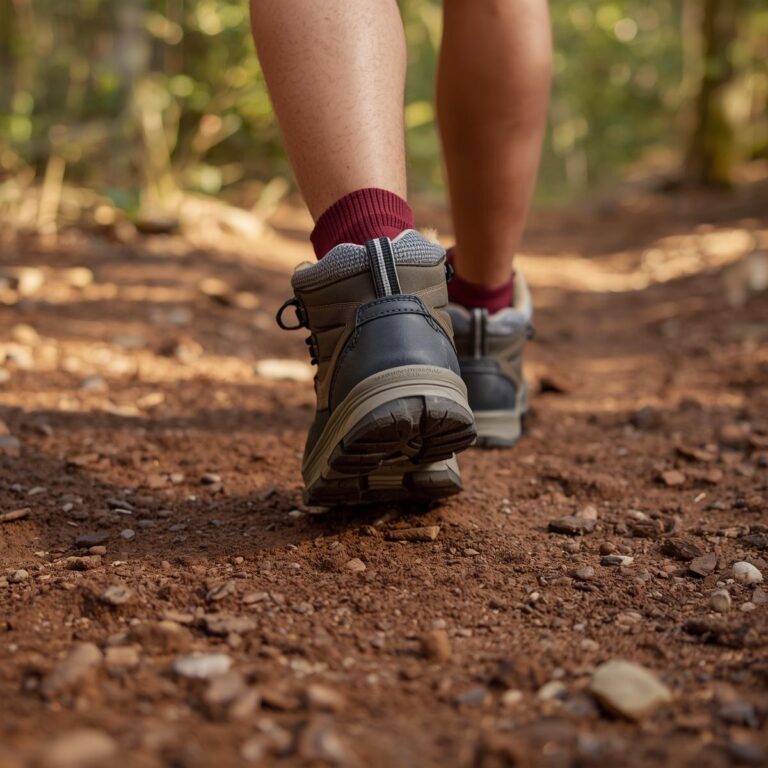
Lightweight hiking shoes are perfect for easy and short trails. They feel like regular sneakers but offer better grip and support. These shoes are breathable and flexible. They help your feet stay cool and comfortable. They are best for dry, well-maintained paths.
Midweight Boots
Midweight boots offer more support and protection than lightweight shoes. They work well on uneven and rocky trails. These boots provide ankle support to prevent injuries. They are often waterproof to keep your feet dry. Midweight boots balance comfort and durability for longer hikes.
Heavy-duty Boots
Heavy-duty boots are strong and built for tough conditions. They protect your feet from sharp rocks, mud, and water. These boots usually have thick soles and high ankle support. They are heavier but offer great stability. Heavy-duty boots suit long hikes with rough terrain or bad weather.
Key Features To Consider
Choosing the right hiking boots starts with understanding key features. These features affect comfort, safety, and performance on trails. For beginners, knowing what to check helps make a smart choice. Focus on waterproofing, sole traction, and weight. Each plays a vital role during your hikes.
Waterproofing And Breathability
Waterproof boots keep your feet dry in wet conditions. They prevent water from entering but allow sweat to escape. Breathability stops your feet from overheating. Wet feet cause blisters and discomfort. Look for boots with waterproof membranes like Gore-Tex. This balance ensures dry, comfortable feet all day.
Sole Traction And Durability
The sole grips the ground and provides stability. Deep lugs offer better traction on mud, rocks, and loose dirt. Durable soles resist wear and tear from rough trails. Rubber compounds vary in toughness and grip. Choose boots with soles made for hiking terrain you expect. Good traction reduces slips and falls.
Weight And Flexibility
Lightweight boots reduce leg fatigue on long hikes. Heavy boots can slow you down and cause discomfort. Flexibility helps your foot move naturally while walking. Boots that are too stiff cause pain and blisters. Balance weight and support for easy, comfortable steps. Try boots on and walk around before buying.
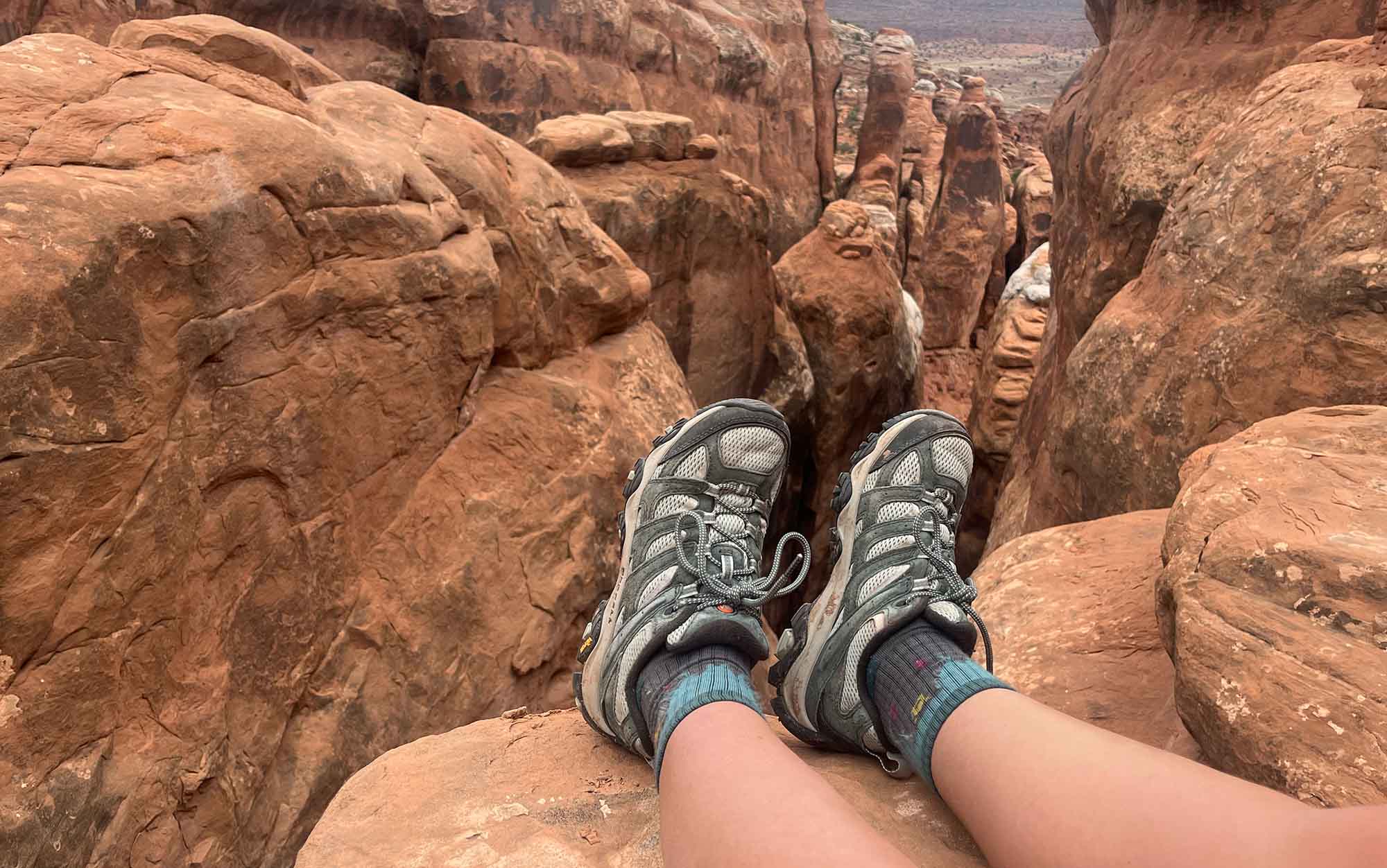
Credit: www.outdoorlife.com
Materials And Construction
Choosing the right materials and construction is important for beginner hiking boots. These features affect how boots feel and last on the trail. Understanding the basics helps you pick boots that fit your needs and keep your feet safe.
Materials determine the boot’s weight, breathability, and water resistance. Construction affects support and durability. Both work together to give you a better hiking experience.
Leather Vs Synthetic
Leather boots offer strong support and last longer. They resist water and protect your feet well. Leather can feel stiff at first but softens over time. These boots are heavier and take more care to dry.
Synthetic boots weigh less and dry faster. They use materials like nylon or mesh. These boots breathe better, keeping feet cooler. Synthetic boots may wear out sooner but are easier to break in.
Seam Sealing And Gore-tex Linings
Seam sealing blocks water from entering through stitches. It helps keep your feet dry in wet conditions. Boots with sealed seams are better for rainy hikes.
Gore-Tex is a waterproof lining inside boots. It lets sweat escape but stops water from coming in. Gore-Tex boots keep feet dry and comfortable. They are ideal for wet or muddy trails.
Impact On Durability And Comfort
Durable boots protect your feet from rocks and rough ground. Leather boots usually last longer than synthetic ones. Strong stitching and sealed seams add to durability.
Comfort depends on materials and how boots fit your feet. Boots with breathable linings reduce sweat and blisters. Proper cushioning and support make long hikes easier.
Breaking In Your Boots
Breaking in your new hiking boots is essential for comfort on the trail. Fresh boots can feel stiff and tight. This might cause pain or blisters during long hikes. Taking time to break them in helps soften the material and shapes the boots to your feet.
Start slow and gentle. Short walks allow the boots to adjust without pressure. Gradually increase wear time before hitting tougher trails. This process protects your feet and improves your hiking experience.
Tips For Short Hikes
Choose easy, flat paths for your first hikes in new boots. Walk for 30 minutes to an hour at a time. This helps your feet get used to the feel of the boots. Take breaks to check for any tight spots or discomfort. Adjust laces to avoid pinching. Repeat these short hikes over several days.
Using Socks And Insoles
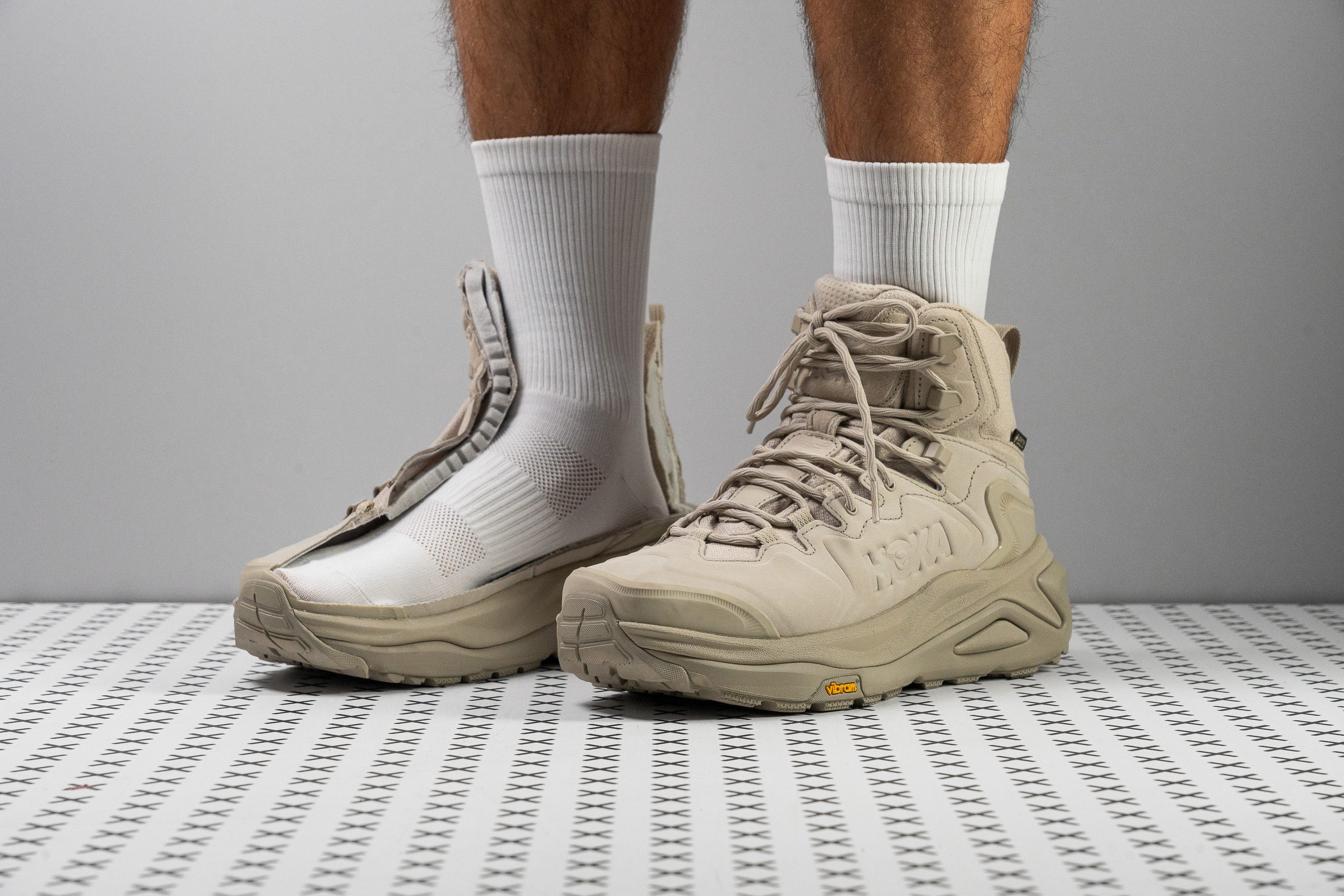
Wear good hiking socks to reduce friction and moisture. Thick or cushioned socks add extra comfort and support. Consider using insoles made for hiking boots. They improve fit and arch support. Insoles can reduce pressure points and fatigue. Test socks and insoles during your short hikes to find the best combination.
Preventing Blisters
Blisters form from rubbing and moisture. Keep feet dry by changing socks if they get wet. Apply blister prevention tape or balm on spots prone to rubbing. Check your boots for rough seams or areas causing friction. Make sure boots fit well and are not too tight or loose. Proper break-in and care lower the chance of painful blisters.
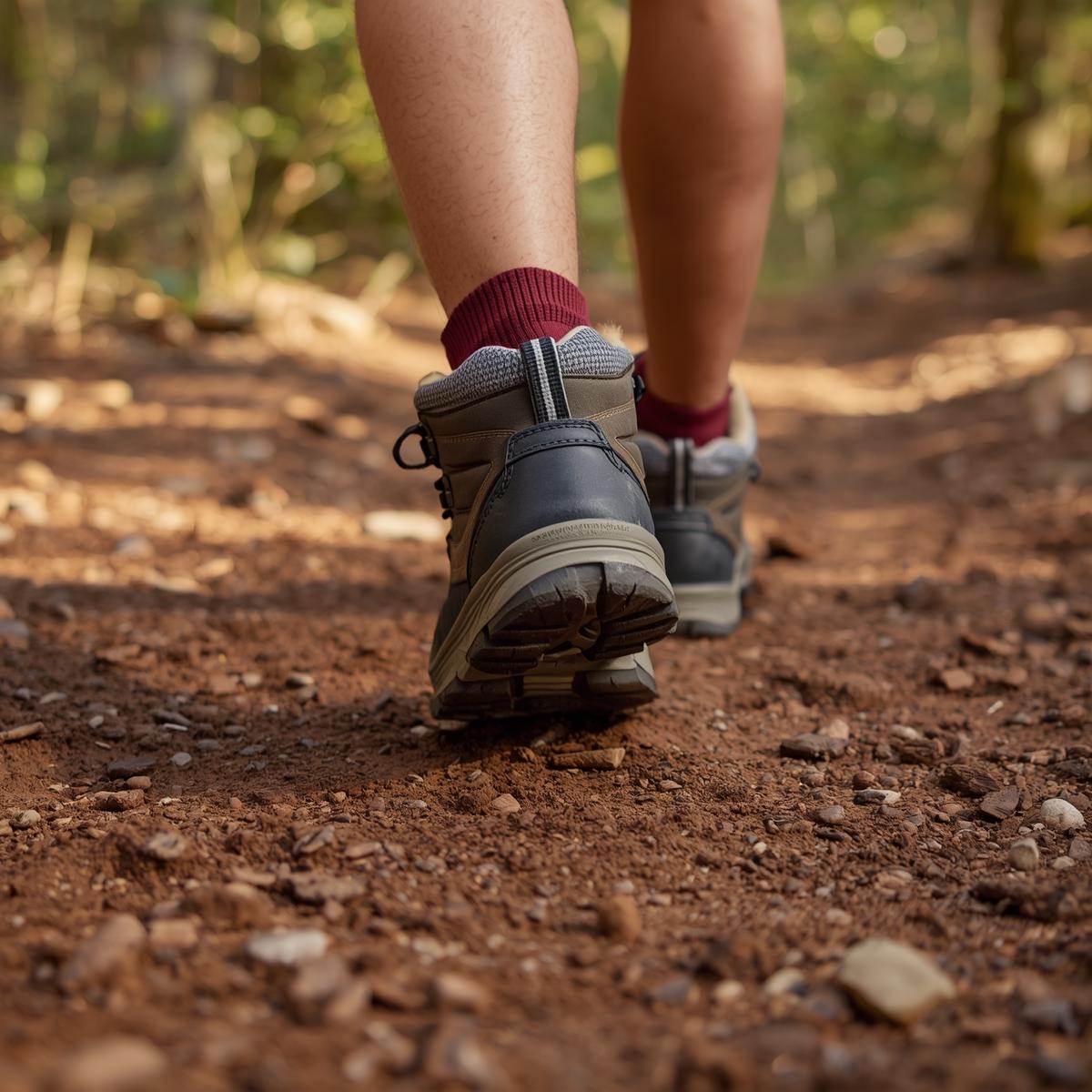
Credit: runrepeat.com
Recommended Boots For Beginners
Choosing the right hiking boots is important for beginners. Proper boots protect your feet and make hiking more enjoyable. The right pair should offer comfort, support, and durability. Here are some recommended boots to help you start your hiking journey with confidence.
Top Picks For Comfort
Comfort is the most important factor for beginners. Boots with good cushioning and soft insoles reduce foot fatigue. Look for lightweight models that do not feel heavy on your feet. Waterproof materials keep your feet dry in wet conditions. Brands like Columbia and KEEN offer comfortable boots that fit well from the first wear.
Best Durable Options
Durability matters for long hikes and rough trails. Boots made with strong leather and reinforced stitching last longer. Thick soles with good grip prevent slips and protect your feet from sharp rocks. Durable boots may cost more but save money over time. Consider options from Timberland and Ariat for rugged durability that stands up to tough trails.
Budget-friendly Choices
Good hiking boots do not have to be expensive. Many affordable brands provide quality and comfort for beginners. Look for sales or discounts at stores like Walmart and REI. Columbia’s Newton Ridge boots offer solid features at a low price. Budget-friendly boots help new hikers test the trails without a big investment.
Caring For Your Hiking Boots
Caring for your hiking boots keeps them strong and comfortable. Proper care extends their life and improves performance. Simple steps after each hike protect your investment. Clean boots prevent damage from dirt and moisture. Drying them right stops mold and bad smells. Regular maintenance keeps waterproofing effective. Good storage avoids shape loss and material cracks. Follow these easy tips to enjoy every trail.
Cleaning And Drying
Remove mud and dirt with a soft brush. Use lukewarm water and mild soap for stains. Avoid harsh chemicals that can harm materials. Rinse boots gently to clear all soap. Never put boots in a washing machine or dryer. Air dry boots at room temperature away from heat. Stuff boots with newspaper to absorb moisture faster. Change the paper often until boots feel dry.
Reapplying Waterproof Treatments
Waterproofing keeps feet dry in wet conditions. Check boots regularly for signs of water absorption. Use sprays or waxes made for your boot type. Clean boots before applying any treatment. Follow product instructions for best results. Apply evenly and let boots dry fully. Repeat treatment every few hikes or after heavy rain. Proper waterproofing protects materials and comfort.
Storage Tips
Store boots in a cool, dry place to avoid mold. Keep them away from direct sunlight or heat sources. Avoid storing boots in plastic bags or airtight containers. Use boot trees or stuff with paper to keep shape. Loosen laces to reduce stress on eyelets. Regularly check boots for damage during storage. Good storage helps boots stay ready for your next adventure.
Credit: www.outdoorgearlab.com
Frequently Asked Questions
How Do You Pick The Right Hiking Boots For Beginners?
Choose hiking boots that fit snugly with room for toes, offer good ankle support, and have sturdy, non-slip soles. Prioritize comfort and waterproof materials. Break them in before hiking to avoid blisters and discomfort. Select boots suitable for your trail type and weather conditions.
What Is The Difference Between A Hiking Shoe And A Hiking Boot?
Hiking shoes are lighter and low-cut, offering flexibility and breathability. Hiking boots are heavier, high-cut, and provide more ankle support and protection. Choose shoes for easy trails and boots for rough, uneven terrain or heavy loads.
What Is A Good Beginner Hike Length?
A good beginner hike length ranges between 2 to 4 miles. This distance balances enjoyment and endurance for new hikers. Choose trails with gentle terrain to build confidence and stamina gradually. Keep hikes under 3 hours to avoid fatigue and ensure a positive experience.
What Is The Most Comfortable Hiking Boot?
The most comfortable hiking boot fits well, offers strong arch support, and cushions every step. Popular models include KEEN Targhee IV and Columbia Newton Ridge. Choose boots with breathable, waterproof materials for lasting comfort on varied trails.
Conclusion
Choosing the right hiking boots makes your outdoor adventures safer and more fun. Pick boots that fit well and feel comfortable from the start. Consider support, durability, and weather resistance for your hikes. Remember, good boots help prevent blisters and injuries.
Start with shorter hikes to break in your new boots. Enjoy nature and keep exploring with confidence and comfort. Your feet will thank you on every trail you take.

I am an outdoor enthusiast and gear researcher passionate about camping, hiking, backpacking, and outdoor adventures. I enjoy testing gear, comparing products, and sharing practical advice to help readers make informed decisions. At BestOutsideGear, I create honest gear reviews, buying guides, and outdoor tips to help adventurers choose the right equipment with confidence.