Weather Planning for Outdoor Trips: Ultimate Guide for Perfect Adventures
Planning an outdoor trip? The weather can be your best friend or your biggest challenge.
Imagine setting out for a hike or a camping weekend, only to be caught off guard by sudden rain or extreme heat. You don’t want that. Knowing how to check and understand the weather before you go can save you from discomfort, danger, and ruined plans.
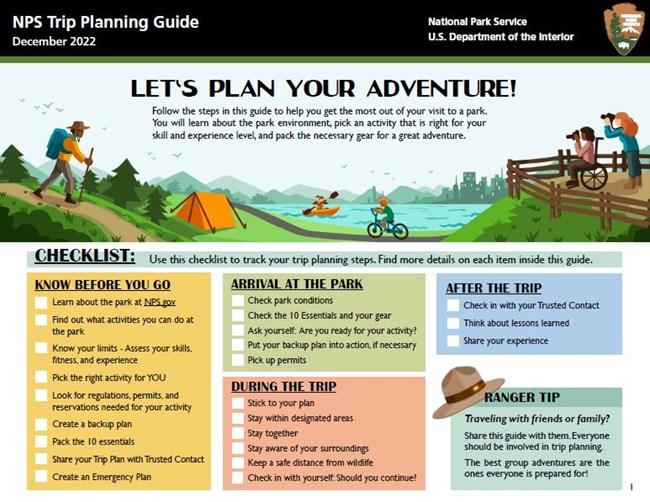
In this guide, you’ll discover simple, smart ways to plan around the weather so your outdoor adventures are safe, enjoyable, and stress-free. Ready to take control of your next trip’s weather? Keep reading to learn how.
Credit: www.nps.gov
Weather Basics For Trips
Understanding weather basics is essential for any outdoor trip. Weather affects safety, comfort, and enjoyment. Knowing simple weather facts helps you prepare and pack smartly. It also guides your daily plans and activities outdoors.
Weather can change fast. Learning key terms, seasonal patterns, and regional climates gives you an edge. This knowledge helps you expect what might happen. It makes your trip smoother and more fun.
Key Weather Terms
Weather has many terms that describe conditions. Temperature tells how hot or cold it is. Humidity shows the amount of moisture in the air. Wind speed and direction affect how the weather feels. Precipitation means rain, snow, or other moisture falling from clouds. Forecasts predict weather for hours or days ahead. Understanding these words helps you read weather reports easily.
Seasonal Weather Patterns
Seasons bring different weather types. Spring often has rain and mild temperatures. Summer usually means heat and occasional storms. Fall brings cooler air and changing leaves. Winter can bring cold, snow, or ice. Each season requires different gear and plans. Knowing seasonal trends helps you choose the best time to visit.
Regional Climate Factors
Climate varies by region. Mountains often have cooler temperatures and quick weather changes. Coastal areas may have mild temperatures but more humidity. Deserts are hot and dry during the day and cold at night. Urban areas can be warmer due to buildings and roads. Learning local climate helps you pack right and stay safe.
Forecast Sources And Tools
Planning outdoor trips needs good weather information. Knowing the weather helps you pack right and stay safe. There are many sources and tools to get weather updates. Using these tools can make your trip smoother and more fun.
Popular Weather Apps
Weather apps give quick and easy weather updates on your phone. Some popular apps are Weather Channel, AccuWeather, and WeatherBug. These apps show temperature, rain chances, and wind speed. Many apps also send alerts for bad weather. You can check weather anytime and anywhere.
Using Weather Maps
Weather maps show real-time weather conditions over large areas. They use colors and symbols to display rain, storms, or sun. Radar maps help track storms and rain movement. Satellite maps show cloud cover and temperature patterns. Using weather maps helps you understand the bigger picture.
Hourly And Long-term Forecasts
Hourly forecasts tell you the weather for each hour of the day. This helps plan activities for the best times. Long-term forecasts predict weather days or weeks ahead. They are useful for planning trips in advance. Both types help avoid surprises and prepare well.
Route Weather Planning
Planning the weather along your route is vital for a safe outdoor trip. Weather can change quickly during your journey. Knowing the conditions ahead helps you prepare properly. This planning reduces risks and improves your experience. Route weather planning keeps you informed about what lies ahead.
Checking Weather Along Routes
Start by checking the weather for each part of your route. Weather may vary in different areas. Use detailed forecasts for towns or landmarks along the way. Look for rain, wind, temperature, and storms. Checking multiple sources ensures accuracy. Check the weather repeatedly before and during your trip.
Adjusting Plans Based On Weather
Be ready to change your plans if weather worsens. Delay your trip or choose a safer path. Carry extra gear for cold or wet conditions. Avoid risky routes during storms or heavy winds. Staying flexible keeps you safe and comfortable. Always have a backup plan ready.
Apps For Route Weather Alerts
Many apps provide weather alerts along your route. These apps send updates about storms, temperature changes, and more. Some allow you to enter your exact route for precise alerts. Popular apps include AccuWeather, Weather.com, and specialized travel weather apps. Use these tools to stay updated on the go.

Credit: www.rainviewer.com
Packing For Weather
Packing for weather is a crucial step in planning any outdoor trip. The right clothing and gear keep you comfortable and safe. Understanding the weather conditions helps you choose what to bring. Proper packing reduces the risk of being cold, wet, or overheated during your adventure.
Layering Strategies
Layering clothes lets you adjust to changing temperatures easily. Start with a base layer that wicks moisture away from your skin. Add a middle layer for insulation, such as fleece or wool. Finish with an outer layer to block wind and rain. This system keeps you warm without overheating.
Essential Gear For Different Conditions
Bring gear that matches the environment and weather you expect. In cold weather, pack gloves, hats, and thermal socks. For sunny conditions, sunglasses and sun hats protect you. Hot weather calls for lightweight, breathable fabrics. Always include a good hat and sunscreen to avoid sunburn.
Waterproof And Windproof Options
Waterproof jackets and pants keep you dry in rain or snow. Look for breathable fabrics to avoid sweating inside your gear. Windproof layers block cold winds and keep your body heat in. Carry compact rain gear even if the forecast looks clear. Weather can change quickly outdoors.
Safety And Preparedness
Safety and preparedness are vital for every outdoor trip. Weather can change fast and pose risks. Being ready helps protect you and your group. Planning ahead lowers dangers and keeps your adventure fun.
Knowing how to watch the weather and act quickly is key. Have a clear plan in case of bad weather. Learn how to stay safe at campgrounds during storms. These steps make your trip safer and more enjoyable.
Monitoring Weather Changes
Check the weather forecast before your trip starts. Use a reliable weather app or website. Keep updates on your phone or a portable device.
Watch for sudden changes in clouds, wind, or temperature. These signs can warn you of storms or harsh weather. Act fast if conditions look unsafe. Share weather info with your group regularly.
Emergency Weather Plans
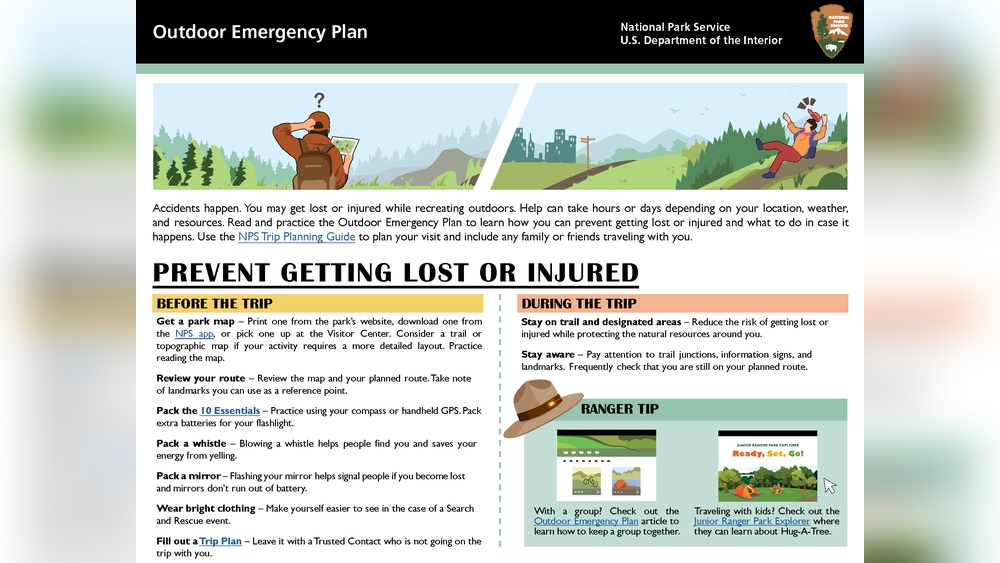
Create a plan for what to do in bad weather. Decide where to take shelter and how to reach it. Make sure everyone knows the emergency steps.
Pack an emergency kit with essentials like water, food, and first aid. Include a flashlight, whistle, and extra clothing. Practice your plan before the trip to avoid confusion.
Campground Weather Safety
Choose a safe spot for your tent, away from low areas that flood. Avoid setting up under dead trees or branches that could fall. Secure your tent against strong winds.
Keep an eye on weather alerts while camping. Follow campground rules and advice from rangers. Move to a safe shelter if severe weather approaches.
Predicting Weather Outdoors
Predicting weather outdoors is a key skill for any adventurer. Understanding upcoming weather helps keep trips safe and enjoyable. It also lets you pack the right gear and plan activities better.
Weather can change fast outdoors. Watching for natural signs and using tools improves your ability to forecast conditions. Basic meteorology knowledge adds another layer of confidence.
Natural Weather Signs
Nature shows many clues about weather changes. Clouds are the easiest signs to watch. Dark, heavy clouds often mean rain or storms soon. Thin, wispy clouds usually signal fair weather.
Wind shifts can also hint at weather changes. A sudden strong breeze may bring a storm. Birds and animals react too. If birds fly low or animals act restless, weather might turn bad.
Basic Meteorology For Adventurers
Knowing simple weather facts helps predict outdoor conditions. Warm air holds more moisture than cold air. Rising warm air can cause clouds and rain. Falling pressure often means a storm is approaching.
Temperature changes can warn you as well. Rapid drops in temperature may signal rain or snow. Learning how to read these signs adds safety to your trips.
Using Technology To Predict Conditions
Technology offers many tools for accurate weather forecasts. Weather apps give hourly updates and alerts for your location. GPS-based apps show weather along your travel route.
Portable weather devices measure temperature, pressure, and humidity. These tools work well in remote areas without cell service. Combining natural signs with tech helps you prepare smartly.
Flexibility In Outdoor Plans
Flexibility in outdoor plans is essential for a successful trip. Weather can change quickly, and adapting your schedule helps keep the fun going. Planning with flexibility means you can enjoy your adventure, no matter the conditions.
Adjusting Activities By Weather
Choose activities that suit the weather forecast. On sunny days, hiking or swimming work well. If rain comes, switch to indoor options like visiting a local museum or a covered picnic area. This way, your trip stays enjoyable despite weather changes.
Backup Plans For Bad Weather
Always prepare backup plans before your trip. Research nearby shelters, visitor centers, or cafes where you can wait out storms. Having alternative activities ready reduces stress and keeps everyone safe and entertained.
Timing And Daylight Considerations
Plan activities around daylight hours for safety and better visibility. Shorter days in winter mean less time for outdoor fun. Start early to make the most of daylight. Check sunset times to avoid being caught outside in the dark.

Credit: www.indianeagle.com
Frequently Asked Questions
Is There An App That Shows Weather Along A Travel Route?
Yes, apps like Morecast and Weather on Google Maps show weather forecasts along travel routes, helping plan trips effectively.
What’s A Good Travel Weather Packing Strategy?
Pack versatile layers to adjust to changing temperatures. Include waterproof gear and check forecasts daily. Prioritize lightweight, quick-dry fabrics and sun protection.
Can Google Maps Show Weather Along A Route?
Google Maps does not show weather along a route. Use dedicated weather apps for accurate route forecasts.
How To See Weather Months In Advance?
Check seasonal climate averages on reliable weather websites or use long-range forecast tools from meteorological services.
Conclusion
Planning outdoor trips with the weather in mind keeps you safe and happy. Check forecasts often and pack smart for changing conditions. Choose flexible plans to adjust your activities easily. Use reliable weather apps to stay informed on the go.
Being prepared helps you enjoy nature without surprises. Simple steps make your adventure smooth and fun. Always respect the weather—it guides your best outdoor experience.

I am an outdoor enthusiast and gear researcher passionate about camping, hiking, backpacking, and outdoor adventures. I enjoy testing gear, comparing products, and sharing practical advice to help readers make informed decisions. At BestOutsideGear, I create honest gear reviews, buying guides, and outdoor tips to help adventurers choose the right equipment with confidence.