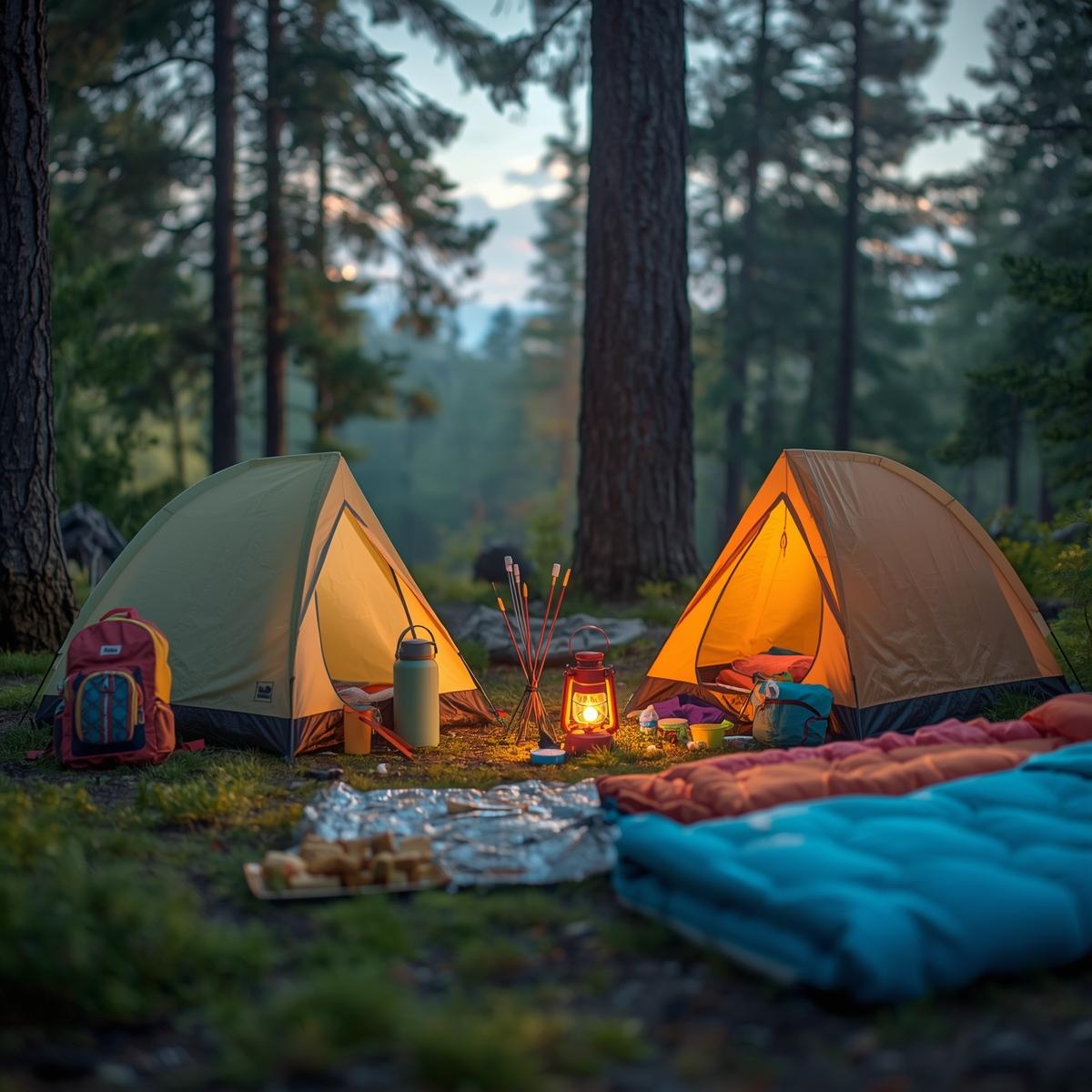
Camping With Kids Tips: Ultimate Guide for Stress-Free Adventures
Planning a camping trip with your kids can feel both exciting and a little overwhelming. You want everyone to have fun, stay safe, and create memories that last a lifetime.
But how do you make sure your kids stay happy and engaged while outdoors? This guide is packed with simple, practical tips designed just for you. From packing the right gear to keeping little ones entertained, you’ll learn how to turn your camping adventure into a smooth, enjoyable experience for the whole family.
Ready to discover how to make camping with kids easier and more fun? Keep reading!
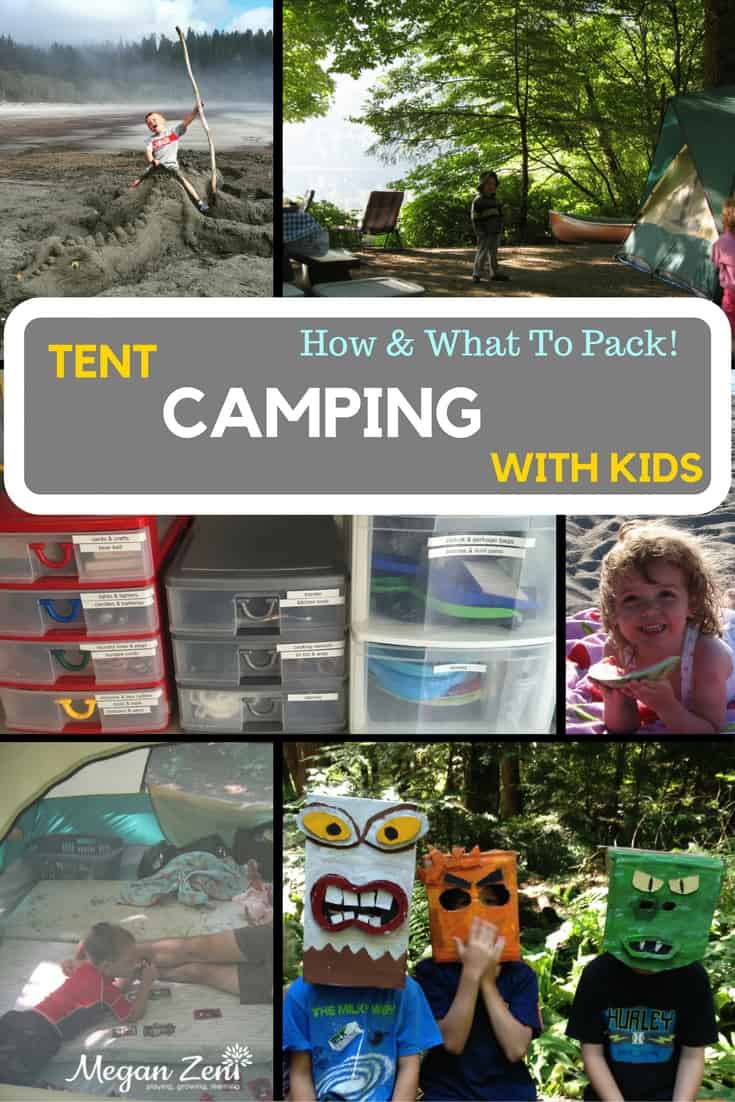
Credit: meganzeni.com
Gear Essentials
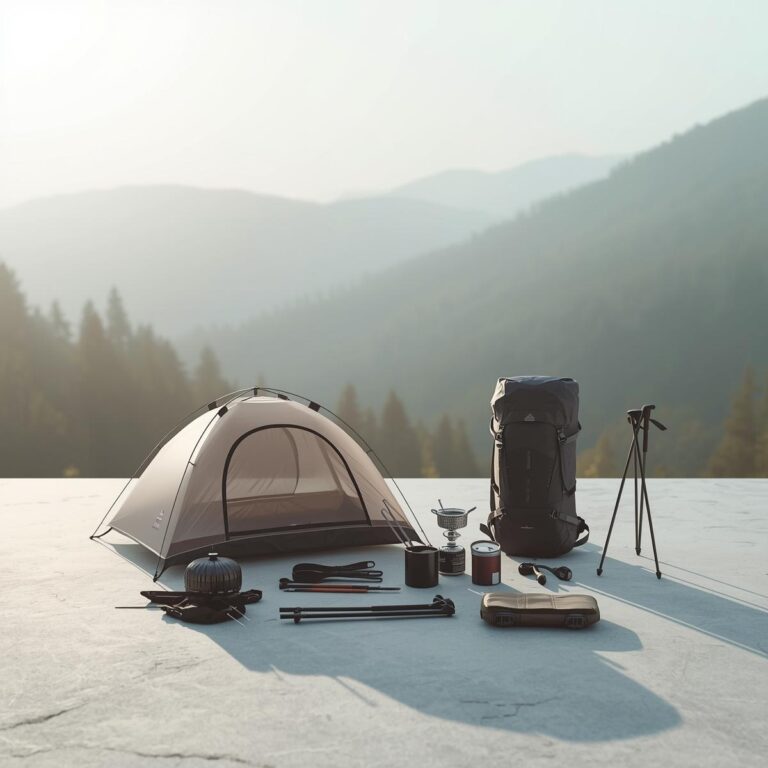
Packing the right gear makes camping with kids easier and more fun. Proper equipment helps keep children safe and comfortable. It also ensures a smooth adventure from start to finish.
Choosing kid-friendly items and safety supplies is important. Smart packing can save space and reduce hassle. Here are the essentials to bring along.
Kid-friendly Camping Gear
Select gear made for children’s size and needs. Small sleeping bags and tents fit kids better. Bright colors help keep track of their belongings.
Bring fun items like child-sized chairs and mess-free plates. Headlamps and flashlights with easy switches work well. Toys that encourage outdoor play add excitement.
Safety And First Aid Supplies
Always carry a basic first aid kit. Include bandages, antiseptic wipes, and allergy medicine. Sunscreen and insect repellent protect sensitive skin.
Teach kids how to use safety items. Carry a whistle for emergencies. Keep all medicines out of reach when not in use.
Packing Smart For Comfort
Pack layers for changing weather. Soft blankets and pillows improve sleep quality. Keep extra socks and hats handy.
Organize gear in labeled bags. This helps find items quickly. Prepare snacks and water bottles for easy access.
Choosing The Campsite
Choosing the right campsite makes camping with kids more fun and safe. The site sets the tone for your entire trip. Pick a spot that suits your family’s needs and keeps children comfortable. Think about space, safety, and nearby activities. A well-chosen site helps avoid stress and lets everyone relax and enjoy nature.
Family-friendly Locations
Select campsites near playgrounds or easy trails for kids. Parks with clean bathrooms and picnic areas work well. Check if the site allows campfires and fishing. These features keep children entertained and engaged. Choose spots with short walks from parking to tents. This reduces hassle carrying gear and tired kids.
Finding A Level Tent Spot
Look for flat ground to pitch your tent. Uneven spots can cause discomfort and restless sleep. Avoid rocky or sloped areas that make sleeping hard. Clear the site of sticks and stones before setting up. A smooth, level area keeps tents stable and cozy. It also helps prevent water pooling in rain.
Weather Considerations
Check the weather forecast before picking a campsite. Avoid low spots that collect water if rain is expected. Find sites with natural windbreaks like trees or hills. These protect your tent from strong gusts and cold winds. Consider shade for hot days to keep kids cool. Proper shelter makes camping safer and more enjoyable.
Setting Up Camp
Setting up camp is a fun part of camping with kids. It helps children feel involved and responsible. A well-organized campsite makes the trip safer and more enjoyable for everyone. Teaching kids how to set up the tent, organizing the area, and using camping gear correctly are key steps. These tasks build skills and confidence in young campers.
Teaching Kids Tent Setup
Show kids how to choose a flat spot for the tent. Teach them to lay out the tent footprint first. Next, help them insert poles and raise the tent. Let them practice securing stakes in the ground. Explain why the rainfly is important. Encourage teamwork to make the process fun and quick.
Organizing The Campsite
Keep the campsite tidy by assigning areas for gear, food, and trash. Use bins or bags for trash to avoid mess. Create a safe zone for kids to play away from the fire. Set a spot for cooking and eating. Clear walkways help prevent tripping at night. A clean campsite keeps everyone happy and safe.
Using Camping Equipment
Teach kids how to handle camping tools carefully. Show them how to use flashlights and lanterns. Explain the importance of keeping gear dry and stored. Let them help pack and unpack backpacks. Practice using water bottles and cooking utensils together. Knowing equipment well makes camping easier for kids.
Meal Planning
Meal planning is a key part of camping with kids. It helps keep everyone happy and full. Preparing meals ahead saves time and reduces stress. Simple, healthy food keeps energy high for all the fun activities. Planning meals also means fewer trips to the store or packing extras.
Easy And Nutritious Meals
Choose meals that cook fast and need few ingredients. Sandwiches with lean meat and cheese work well. Fresh fruit and veggies add vitamins and crunch. Pasta with tomato sauce is filling and easy to make. Trail mix with nuts and dried fruit makes a great snack. Avoid heavy or spicy foods that upset little stomachs.
Involving Kids In Cooking
Kids love to help with meal prep. Let them wash veggies or mix ingredients. Teach simple tasks like spreading peanut butter or arranging sandwiches. Cooking together builds skills and excitement. It also keeps them busy and interested. Praise their efforts to boost confidence and joy.
Food Safety Outdoors
Keep food safe by storing it in coolers with ice packs. Wash hands and utensils before handling food. Cook meat thoroughly to avoid illness. Cover food to protect from bugs and dirt. Dispose of leftovers properly to avoid attracting wildlife. Stay alert to temperature changes that can spoil food.
Keeping Kids Engaged
Keeping kids engaged during camping trips makes the experience fun for everyone. Kids have lots of energy and curiosity. Giving them activities to do helps prevent boredom. It also teaches them about nature and teamwork. Planning simple, exciting tasks keeps their minds and bodies active.
Kids enjoy hands-on activities outside. They love to explore and create. Outdoor time helps them connect with nature and learn new skills. Here are some ideas to keep children busy and happy during camping.
Fun Outdoor Activities
Set up games like scavenger hunts or nature bingo. These games get kids moving and observing closely. Bring balls, frisbees, or jump ropes for free play. Simple sports and races can fill a lot of time. Outdoor activities boost energy and build friendships.
Nature Exploration
Encourage kids to look for bugs, birds, or plants. Give them a magnifying glass or binoculars. Teach them to identify trees and flowers by their shapes and colors. Nature walks with a guidebook make exploring more exciting. This kind of learning feels like an adventure.
Creative Play Ideas
Bring art supplies like crayons and paper for drawing what they see. Use natural materials like leaves and sticks to build small crafts. Storytelling around the campfire sparks imagination and sharing. Role-playing games with camping themes keep children entertained. Creative play helps kids express themselves and relax.
:max_bytes(150000):strip_icc()/102748200-5158d15505d7421b8c428e6b3fc4eee1.jpg)
Credit: www.parents.com
Managing Comfort
Keeping kids comfortable during camping trips helps everyone enjoy nature more. Comfort means more than just a soft tent. It involves staying warm, rested, and clean. Preparing well makes trips easier and happier for kids and parents alike.
Handling Weather Changes
Weather can change fast outdoors. Pack clothes for warm and cold weather. Layering works best. Waterproof jackets protect from rain and wind. Hats and gloves keep kids warm in chilly air. Check weather forecasts before leaving. Teach kids to dress in layers. This helps them adjust quickly.
Sleep Strategies For Kids
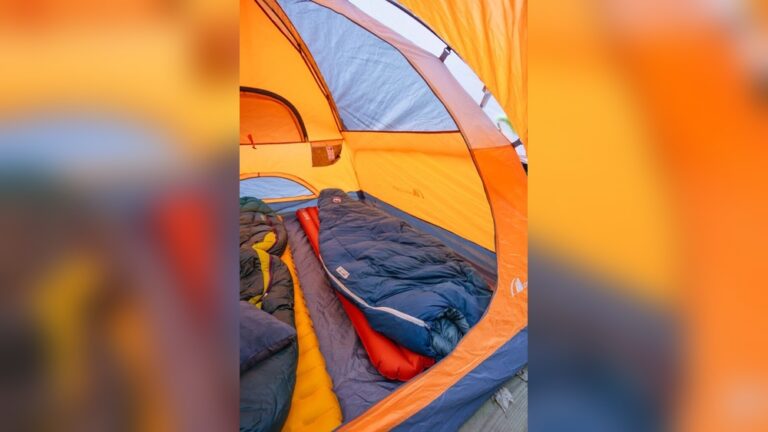
Sleep is key to happy kids on camping trips. Bring familiar blankets or stuffed toys. These give comfort in new places. Use sleeping bags rated for the night temperature. Create a bedtime routine like at home. Dim lights and tell a calm story. This helps kids relax and fall asleep faster.
Maintaining Hygiene
Cleanliness keeps everyone healthy and happy. Pack biodegradable soap for washing hands and face. Use wet wipes for quick cleanups. Bring a small towel for each child. Teach kids to wash hands before eating. Set up a clean area for meals. This reduces germs and keeps bugs away.
Safety Tips
Camping with kids brings joy and adventure but also requires careful safety planning. Ensuring children stay safe outdoors helps everyone enjoy the trip. Simple, clear safety tips make camping stress-free and fun.
Supervision And Boundaries
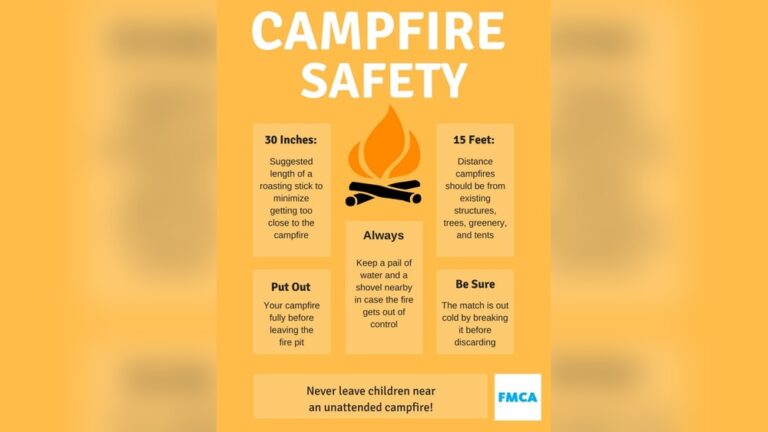
Always watch children closely during camping activities. Set clear boundaries about where they can go. Explain the dangers of wandering off alone. Use landmarks or natural markers to define safe zones. Keep young kids within arm’s reach near water or fire. Regular check-ins provide peace of mind for parents and kids alike.
Bug And Sun Protection
Apply insect repellent regularly to prevent bites. Dress kids in long sleeves and pants during peak bug hours. Use hats and sunglasses to protect their face and eyes. Sunscreen is essential, even on cloudy days. Reapply sunscreen every two hours or after swimming. Shade breaks help avoid sunburn and heat exhaustion.
Emergency Preparedness
Carry a first aid kit with bandages, antiseptic, and allergy medicine. Teach kids how to call for help in an emergency. Keep a whistle for each child to signal if lost or scared. Know the location of the nearest hospital or ranger station. Have a simple plan for what to do if someone gets hurt or lost. Staying calm and prepared reduces panic and keeps everyone safe.
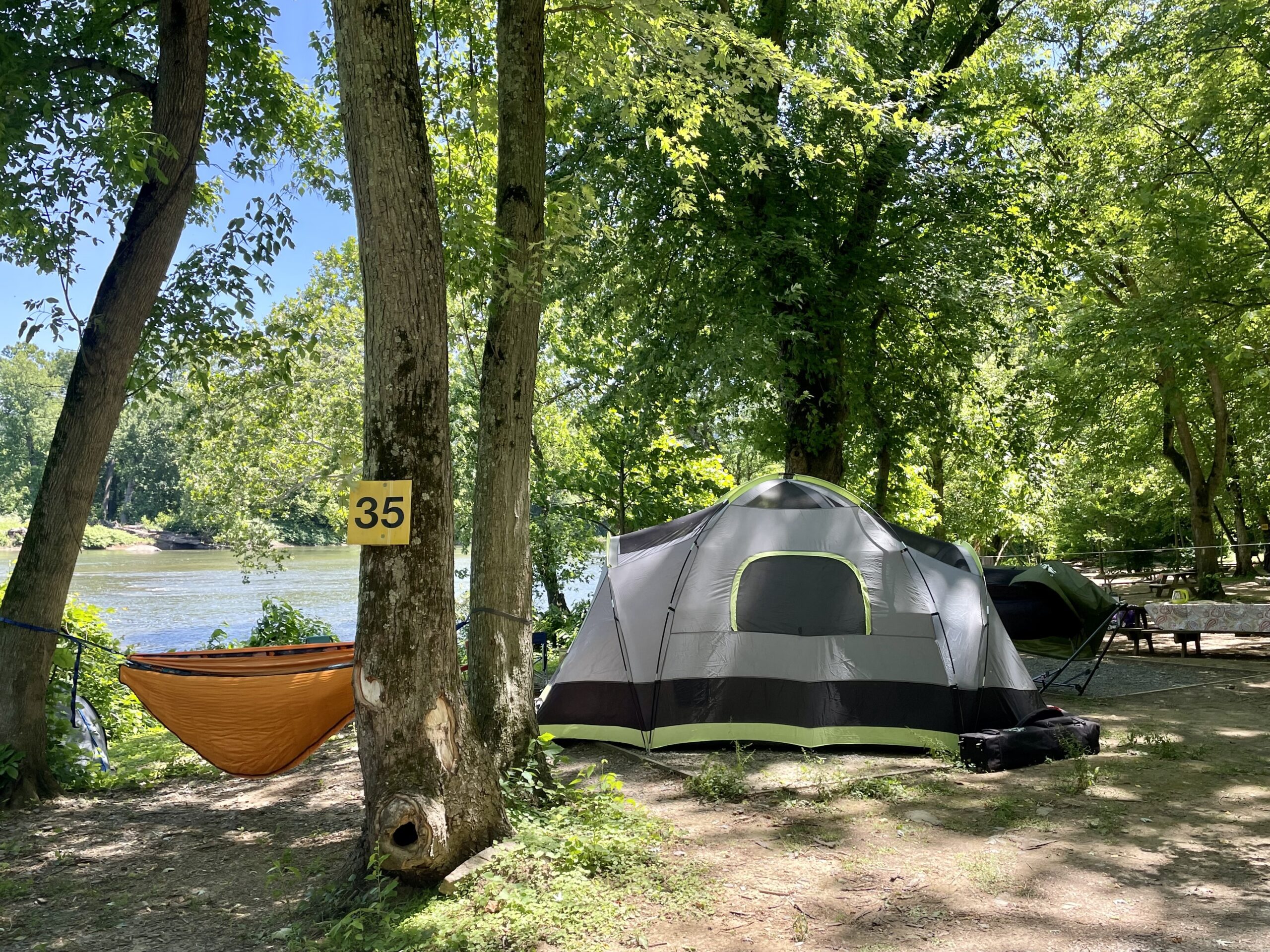
Credit: harpersferryadventurecenter.com
Planning And Flexibility
Camping with kids can be a joyful adventure filled with discovery and fun. Planning and flexibility play a key role in making the trip smooth and enjoyable. Thoughtful preparation helps avoid stress and keeps the family happy.
Being flexible means adjusting to unexpected moments. Kids may get tired or want to explore more. Balancing plans and openness allows everyone to enjoy the experience fully.
Setting Realistic Expectations
Kids have different energy levels and moods. Set simple goals for each day. Avoid packing the schedule with too many activities. Expect delays and extra breaks. Prepare for changes in weather or moods. Realistic plans reduce pressure on parents and kids alike.
Adjusting Plans On The Go
Be ready to change your plans during the trip. If a trail is too hard or a child feels tired, switch to an easier activity. Use downtime for rest or play. Flexibility helps keep spirits high and prevents frustration. Listen to your children and follow their pace.
Balancing Rest And Adventure
Children need regular rest to stay happy and healthy. Mix fun activities with quiet moments. Plan short hikes or games followed by naps or calm time. This balance keeps energy up and prevents meltdowns. Rested kids enjoy adventure more and create lasting memories.
Frequently Asked Questions
What Is The 2 2 2 Rule For Camping?
The 2-2-2 rule for camping means: set up your tent within 2 minutes, unpack in 2 steps, and rest for 2 hours before exploring.
What Makes Camping Easier With Kids?
Camping with kids becomes easier by packing essentials, assigning simple tasks, planning meals ahead, keeping a flexible schedule, and bringing entertainment.
What Are The 7 C’s Of Camping?
The 7 C’s of camping are: Cutlery, Clothing, Container, Candle, Cord, Canvas, and Cooking gear. They cover essential camping items.
What Is The 200 Rule For Camping?
The 200 rule for camping means pitching your tent at least 200 feet away from water sources to protect wildlife and prevent pollution.
Conclusion
Camping with kids can be a fun and rewarding experience. Keep plans simple and stay flexible. Prepare well and bring all essentials for comfort. Teach kids small tasks to keep them engaged. Enjoy nature together and make lasting memories. With patience and a positive attitude, camping becomes easier.
Every trip teaches something new for the whole family. Try these tips for a happy camping adventure.
I am an outdoor enthusiast and gear researcher passionate about camping, hiking, backpacking, and outdoor adventures. I enjoy testing gear, comparing products, and sharing practical advice to help readers make informed decisions. At BestOutsideGear, I create honest gear reviews, buying guides, and outdoor tips to help adventurers choose the right equipment with confidence.