What Is an Over-Fire Griddle: How It Transforms Your Fire Pit
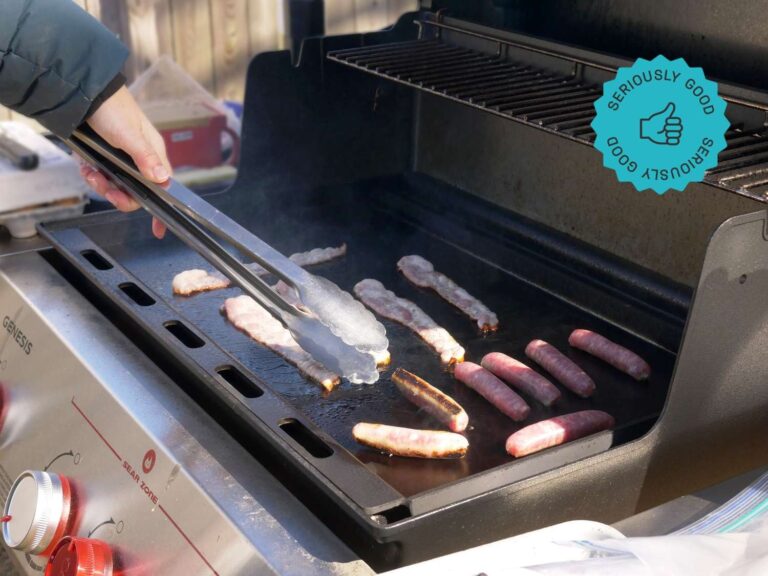
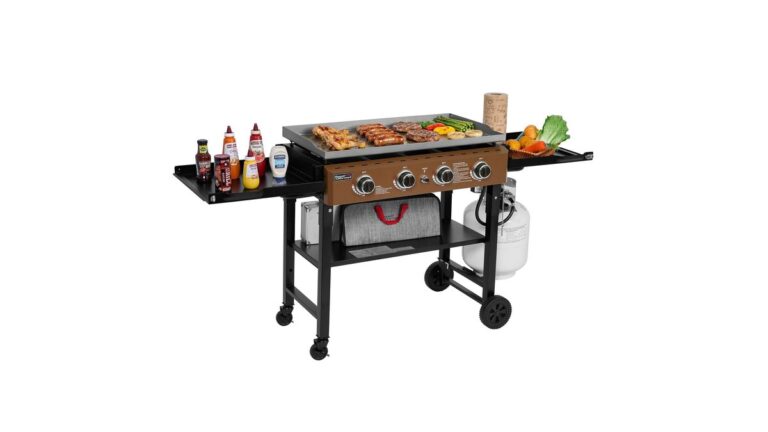
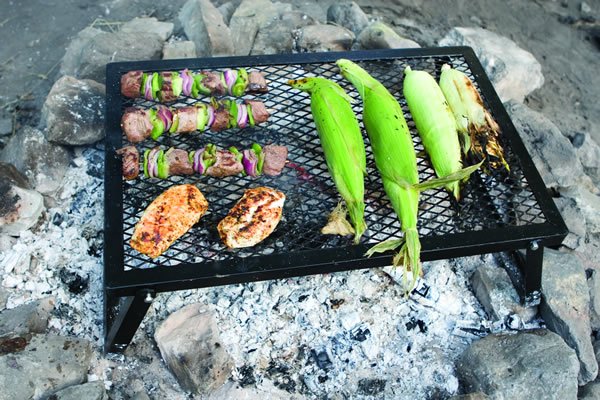
An over-fire griddle is a heavy metal cooking plate designed to sit directly on top of an open flame, such as a wood-burning fire or a charcoal grill. It turns a standard fire pit into a flat-top cooking station, letting you sear meats, fry eggs, or sauté vegetables without the food falling through the grate.
How to Use an Over-Fire Griddle Safely

Cooking over an open fire requires a different approach than using a standard stove. You’ll need to manage your heat source carefully to avoid burning your food or damaging the metal plate.
- Level the surface: Ensure your fire pit or grill grate is stable and flat before you place the griddle on top.
- Build the fire: Start your charcoal or wood fire and let it burn until you have a consistent bed of glowing embers.
- Preheat the metal: Place the griddle over the heat for 10 to 15 minutes before adding any oil or food.
- Test the temperature: Drop a tiny bead of water onto the surface; if it sizzles and dances, the metal is hot enough to cook.
- Add oil and food: Apply a light layer of high-smoke-point oil like avocado or grapeseed, then add your ingredients.
- Adjust the heat: If the food browns too quickly, use a long-handled tool to rake some embers away from the center of the griddle.
Temperature and Cooking Guide
Because you don’t have a dial to set the heat, you must rely on the thickness of the metal and the density of your fuel. Thicker plates hold heat longer, which is ideal for steaks, while thinner plates respond faster to changes in the fire.
| Fuel Type | Heat Intensity | Best For |
|---|---|---|
| Hardwood logs | High/Variable | Searing thick steaks, cast-iron crusts |
| Lump charcoal | Consistent/High | Smash burgers, bacon, eggs |
| Wood embers | Medium/Steady | Pancakes, delicate vegetables, fish |
Always keep a designated “cool zone” on one side of your fire pit. If a flare-up occurs or your food starts to burn, you can quickly slide the griddle or the food to this cooler section. According to the USDA Food Safety and Inspection Service, you should use a food thermometer to ensure meats reach the proper internal temperature, as open-fire cooking can create uneven heat spots that might leave parts of the food undercooked.
Choosing the Right Material
When you’re picking a griddle for your fire, you’ll generally choose between cast iron and carbon steel. Each has distinct traits that change how you manage your cooking session.
- Cast Iron: This material is naturally heavy and retains heat for a long time. It’s perfect for long cooking sessions, but it’s brittle and can crack if you drop it on a hard stone fire pit or expose it to extreme thermal shock.
- Carbon Steel: These plates are lighter and thinner, making them easier to move around. They heat up very quickly and are highly durable, though they require more frequent seasoning to prevent rust.
Avoid using aluminum or thin, non-stick coated pans over an open fire. High flames can cause aluminum to warp or release harmful fumes from damaged non-stick coatings. Stick to raw, heavy-gauge metals that can withstand the intense, direct contact of flames and embers.
Common Mistakes to Avoid

The most frequent error is placing the griddle directly into a roaring, high-flame fire. Flames that lick the bottom of the plate cause hot spots that burn the food while leaving the rest of the surface cold. You want to cook over the heat of the coals, not the tongues of the fire itself. Aim for a steady, glowing bed of embers that provides consistent, radiant heat across the entire metal surface.
Another mistake is neglecting to season the plate properly. If you don’t build up a layer of polymerized oil, your food will stick, and the metal will rust when exposed to the moisture of the outdoors. After every use, clean the plate while it’s still warm, dry it completely, and rub a thin layer of oil over the entire surface before you store it away.
If you notice a sticky or gummy residue, you have applied too much oil. Wipe it down until the surface looks matte, not wet, to ensure a durable, non-stick finish that lasts for years.
Related guides
Frequently Asked Questions
Can I use a regular kitchen griddle over a fire?
No, most kitchen griddles have thin bases or plastic handles that will warp, melt, or shatter when exposed to the intense heat of an open fire. Only use equipment specifically rated for high-heat outdoor use.
How do I clean a griddle after fire cooking?
Scrape off any food bits while the metal is warm, then scrub it with a stiff brush and hot water. Avoid harsh soaps that strip the seasoning, and always dry it over the fire for a few minutes to remove all moisture.
Does the metal need to be seasoned before the first use?
Yes, you must season a new griddle by coating it in oil and heating it until the oil smokes and turns into a dark, slick layer. This process creates a non-stick surface and protects the raw metal from oxidation and rust.
Conclusion
Before your next trip, practice setting up your griddle on a stable, flat surface in your backyard to get a feel for how your specific fuel source affects the heat. Once you’re comfortable managing the embers, you’ll find that this simple tool provides a much better sear than any indoor pan.
{“@context”:”https://schema.org”,”@type”:”FAQPage”,”mainEntity”:[{“@type”:”Question”,”name”:”Can I use a regular kitchen griddle over a fire?”,”acceptedAnswer”:{“@type”:”Answer”,”text”:”No, most kitchen griddles have thin bases or plastic handles that will warp, melt, or shatter when exposed to the intense heat of an open fire. Only use equipment specifically rated for high-heat outdoor use.”}},{“@type”:”Question”,”name”:”How do I clean a griddle after fire cooking?”,”acceptedAnswer”:{“@type”:”Answer”,”text”:”Scrape off any food bits while the metal is warm, then scrub it with a stiff brush and hot water. Avoid harsh soaps that strip the seasoning, and always dry it over the fire for a few minutes to remove all moisture.”}},{“@type”:”Question”,”name”:”Does the metal need to be seasoned before the first use?”,”acceptedAnswer”:{“@type”:”Answer”,”text”:”Yes, you must season a new griddle by coating it in oil and heating it until the oil smokes and turns into a dark, slick layer. This process creates a non-stick surface and protects the raw metal from oxidation and rust.”}}]}
I am an outdoor enthusiast and gear researcher passionate about camping, hiking, backpacking, and outdoor adventures. I enjoy testing gear, comparing products, and sharing practical advice to help readers make informed decisions. At BestOutsideGear, I create honest gear reviews, buying guides, and outdoor tips to help adventurers choose the right equipment with confidence.