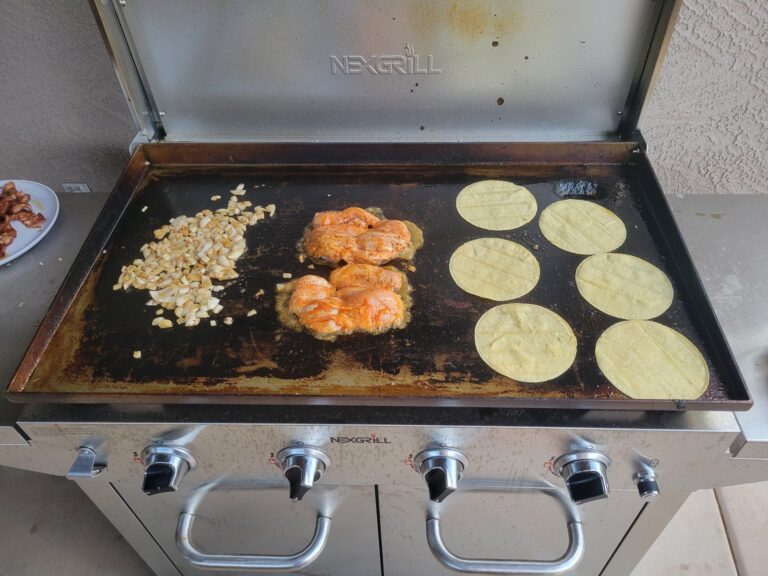
How Many BTU Does a Portable Griddle Need for Best Results
A portable griddle typically requires between 10,000 and 20,000 BTU per burner to maintain consistent heat across a large cooking surface. You’ll find that most single-burner models perform best at 12,000 BTU, while larger, multi-burner units often demand up to 30,000 total BTU to ensure the metal stays hot enough to sear meat without losing temperature when you add cold ingredients.
How many BTU your portable griddle needs

Choosing the right amount of power depends on the surface area of your griddle plate and the type of food you plan to cook. A small, single-burner unit needs less energy, but it won’t handle a full breakfast spread as quickly as a larger model.
- Measure your total surface area in square inches to understand how much space the burners must cover.
- Check the BTU rating per burner provided by the manufacturer, as this tells you the intensity of the heat you’ll have available.
- Divide the total BTU by the surface area to find the power density, which should ideally be around 80 to 100 BTU per square inch for professional results.
- Assess your fuel capacity because high-BTU units drain small 1-pound propane canisters very quickly during long cooking sessions.
- Verify the regulator compatibility to ensure your gas supply can provide the flow rate required for the burners to function at their peak.
Tip: Always check the connection points for leaks before you ignite the burners, as loose fittings can cause significant fuel loss and inconsistent heating.
The following table shows how different griddle sizes and burner configurations affect your total energy requirements for standard cooking tasks.
| Griddle Size | Burner Count | Total BTU Output | Best Use Case |
|---|---|---|---|
| 17-inch | 1 | 12,000 | Camping and small meals |
| 22-inch | 2 | 24,000 | Weekend trips for 3-4 people |
| 28-inch | 2 | 28,000 | Backyard cooking for groups |
| 36-inch | 4 | 60,000 | Large events and heavy searing |
Is It Safe to Use High-BTU Griddles Anywhere?
You shouldn’t use high-output griddles in enclosed spaces because they produce significant amounts of carbon monoxide during operation. Proper ventilation is essential to prevent the buildup of dangerous fumes that can occur when propane burns in a small area. According to the Consumer Product Safety Commission, you must always operate fuel-burning appliances outdoors to avoid the risk of carbon monoxide poisoning.
If you’re cooking on a porch or under a canopy, ensure the area is open on at least three sides to allow for constant airflow. Never place your griddle near flammable materials like dry grass, wooden siding, or low-hanging branches. The heat output from a 30,000+ BTU system can easily ignite nearby items.
A common mistake is assuming a garage with the door cracked open provides enough ventilation. It does not. If you can’t see daylight on three sides of your cooking station, move it further into the open. If the flame color shifts from crisp blue to yellow or orange, the griddle is starving for oxygen and producing lethal fumes. Shut it down immediately.
Common Mistakes That Ruin Your Cooking

Many users struggle with temperature control because they don’t account for the thermal mass of the griddle plate. A heavy steel plate takes longer to heat up but holds that heat much better than a thin aluminum or stamped steel surface. If you try to cook on a cold surface, your food will stick, steam, and result in a poor texture. Always wait until a drop of water dances and evaporates instantly before adding your oil.
Underestimating fuel needs is a common pitfall. If you’re cooking for more than four people, a single 16-ounce canister will likely fail you halfway through the meal. Always keep a backup tank connected or ready to swap.
Ignoring wind conditions is equally costly. Even a light breeze can strip heat from the metal, forcing your burners to work double-time. If the flame flickers, use a wind guard or reposition the unit to shield the intake.
Overloading the surface is the fastest way to ruin a sear. Adding more than two pounds of cold meat at once drops the surface temperature below the point of caramelization. If you need to cook in bulk, work in batches to keep the metal hot.
Finally, check your burner ports for carbon buildup. If the flame burns yellow rather than blue, your heat output is compromised, leading to uneven cooking. Clean these ports with a wire brush to restore full power.
Related guides
- Best Ways to Clean Portable Grill for Sparkling Results
- Best Ways to Clean Portable Espresso Maker: Ultimate Guide for Sparkling Results
- Benefits of Portable Espresso Maker
Frequently Asked Questions
Can I increase the BTU output of my existing griddle?
No, you can’t increase the BTU output of a factory-built griddle burner. The burner design and the size of the gas orifice are calibrated for a specific flow rate, and changing these components can create a fire hazard or cause incomplete combustion.
How long does a 20-pound tank last on a 30,000 BTU griddle?
A standard 20-pound propane tank contains about 430,000 BTU of energy. If your griddle is running at a constant 30,000 BTU, you can expect roughly 14 hours of continuous cooking time before the tank is empty.
Does a higher BTU rating always mean better food?
Not necessarily, because heat distribution is more important than raw power. A high-BTU burner that creates narrow, intense hot spots often burns food in the center while leaving the edges undercooked, whereas a balanced burner system provides more even results.
Conclusion
Check the specific square inches of your cooking area against the manufacturer’s listed BTU rating before you make a purchase. If you frequently cook for large groups, prioritize a model with at least two independent burners to give you better control over different heat zones.
{“@context”:”https://schema.org”,”@type”:”FAQPage”,”mainEntity”:[{“@type”:”Question”,”name”:”Can I increase the BTU output of my existing griddle?”,”acceptedAnswer”:{“@type”:”Answer”,”text”:”No, you can’t increase the BTU output of a factory-built griddle burner. The burner design and the size of the gas orifice are calibrated for a specific flow rate, and changing these components can create a fire hazard or cause incomplete combustion.”}},{“@type”:”Question”,”name”:”How long does a 20-pound tank last on a 30,000 BTU griddle?”,”acceptedAnswer”:{“@type”:”Answer”,”text”:”A standard 20-pound propane tank contains about 430,000 BTU of energy. If your griddle is running at a constant 30,000 BTU, you can expect roughly 14 hours of continuous cooking time before the tank is empty.”}},{“@type”:”Question”,”name”:”Does a higher BTU rating always mean better food?”,”acceptedAnswer”:{“@type”:”Answer”,”text”:”Not necessarily, because heat distribution is more important than raw power. A high-BTU burner that creates narrow, intense hot spots often burns food in the center while leaving the edges undercooked, whereas a balanced burner system provides more even results.”}}]}
I am an outdoor enthusiast and gear researcher passionate about camping, hiking, backpacking, and outdoor adventures. I enjoy testing gear, comparing products, and sharing practical advice to help readers make informed decisions. At BestOutsideGear, I create honest gear reviews, buying guides, and outdoor tips to help adventurers choose the right equipment with confidence.