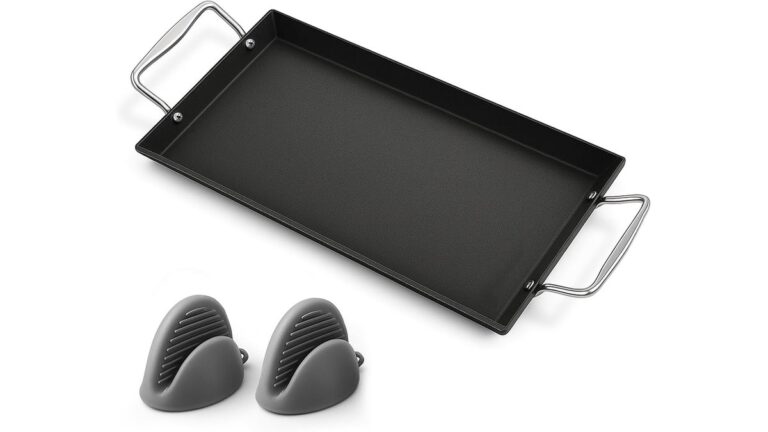
Portable Griddle Buying Guide: How to Choose the Right Model
When you choose a portable griddle, you should prioritize a cooking surface of at least 200 square inches and a heat output of 10,000 to 15,000 BTUs per burner for consistent results. These units typically weigh between 15 and 40 pounds, meaning they’re best suited for stable surfaces like picnic tables or sturdy camping stands rather than light plastic furniture.
How to choose your portable griddle size and power
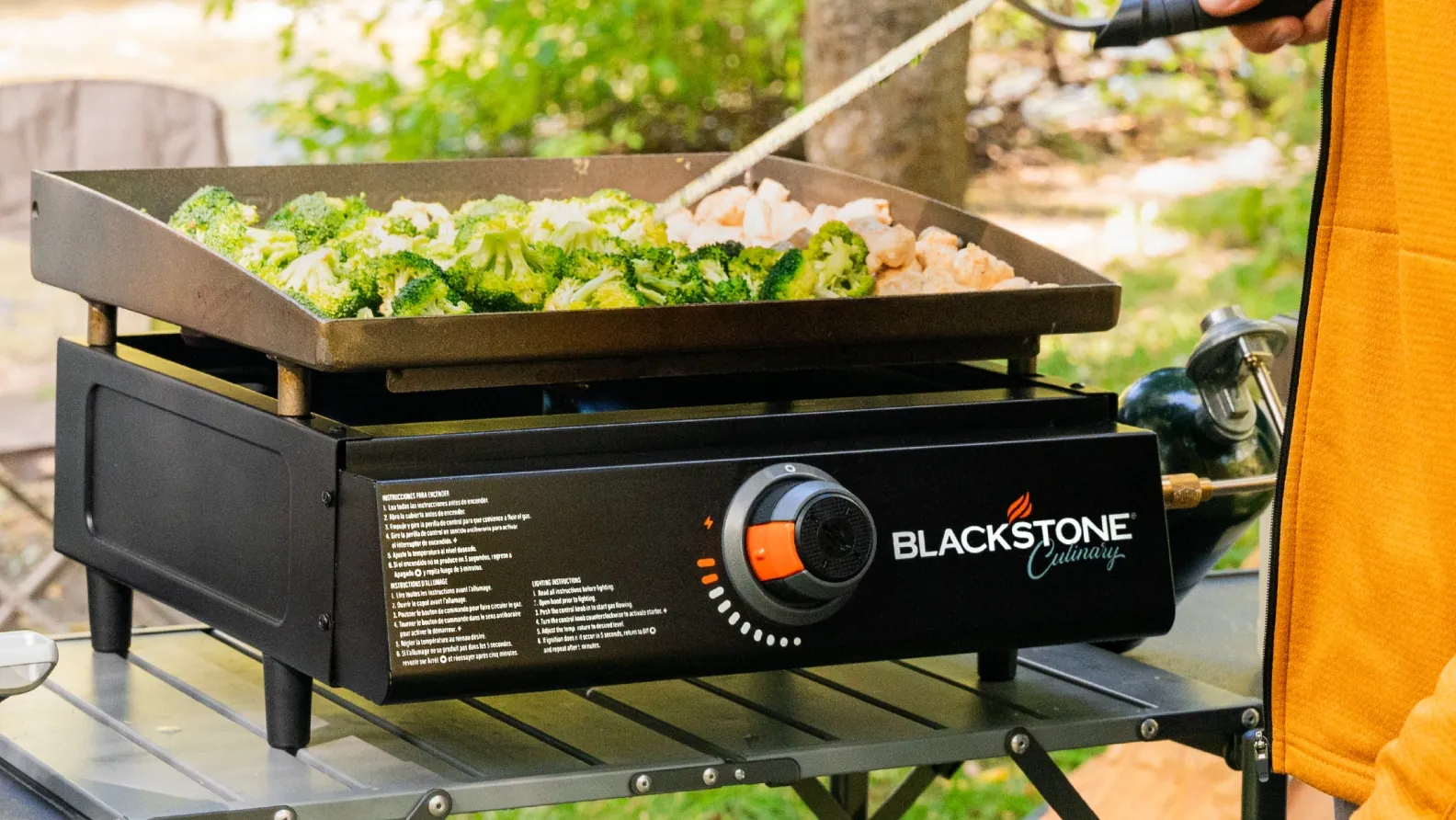
The most important factor is the cooking area compared to the number of people you’re feeding. A small unit works well for two people, but you’ll want a larger surface if you’re cooking for a family or group. You should also check the burner configuration, as dual-zone controls allow you to keep one side on low heat for warming while the other side sears meat at high temperatures.
Aim for at least 60 square inches of surface per person. If you choose a unit too small for your group, you’ll end up cooking in staggered shifts, leaving half your guests waiting while the first batch cools.
Check the BTU output relative to the total surface area. A high-power burner on a small plate heats up in under five minutes, but that same power spread across a large surface often results in cold spots near the edges. If you plan to cook thick cuts of meat, prioritize BTU density over total width.
| Unit Size | Capacity | Best Use Case |
|---|---|---|
| Small (17-inch) | 1-2 people | Solo trips or tight spaces |
| Medium (22-inch) | 3-5 people | Family camping or tailgating |
| Large (28-inch+) | 6+ people | Backyard parties or big groups |
Is It Safe to Use These Units on Every Surface?
You shouldn’t place a hot griddle directly on wood, plastic, or folding tables that aren’t heat-resistant. These appliances reach temperatures well above 400 degrees Fahrenheit, which can melt synthetic materials or warp thin metal surfaces. Always use a dedicated stand or a non-combustible surface like stone or concrete to prevent fire hazards.
If you’re unsure about your table’s tolerance, perform the touch test. Place a heavy ceramic tile between the unit and the surface.
Before you start your first cook, check the manufacturer’s manual to verify if your specific model requires a formal seasoning process to protect the metal from rust.
To ensure safe operation, always keep your equipment at least 10 feet away from any structure or low-hanging branches when cooking outdoors. If you’re using a model that connects to a large propane tank, ensure the hose is kept away from the hot sides of the unit to avoid melting the fuel line. A common mistake is routing the hose underneath the griddle frame. Always route it behind or to the side to prevent heat exposure.
Common Mistakes That Ruin Your Cooking Experience

Many people struggle because they don’t preheat the surface for at least 10 minutes before adding food. If the metal isn’t hot enough, your food will stick to the surface and become difficult to flip or clean. You should also avoid using metal scrapers on non-stick coatings, as this will destroy the surface and force you to replace the griddle plate much sooner than expected.
How do I clean it without damaging the finish?
Use warm water and a soft cloth while the griddle is still slightly warm, but never pour cold water onto a scorching hot plate. This thermal shock can cause the metal to warp or crack, making the cooking surface uneven for future meals.
Can I use these units indoors?
No, you should never use a propane-powered griddle inside a house, garage, or tent. These units produce carbon monoxide, a colorless and odorless gas that’s dangerous in enclosed spaces, so you must always operate them in well-ventilated outdoor areas.
Does the weight of the unit affect performance?
Thicker, heavier steel plates hold heat longer and provide more even cooking than thin, lightweight aluminum models. While a heavier unit is harder to carry to your campsite, it’s far less likely to develop hot spots that burn your food in one area while leaving it raw in another.
Related guides
- Benefits of Portable Espresso Maker
- Step by Step Guide to Using Portable Grill Easily
- How to Use Portable Grill for Perfect BBQ Anywhere
Frequently Asked Questions
Which fuel type is better for travel?
Propane canisters are the most convenient choice for travel because they’re easy to find and connect quickly. If you’re planning long trips, look for an adapter hose that lets you hook the unit up to a standard 20-pound propane tank to save money on fuel.
How do I know if my griddle is properly seasoned?
A well-seasoned surface will have a smooth, dark, and non-stick sheen that resists moisture and prevents oxidation. If you see patches of light grey metal or small spots of rust, you need to apply a thin layer of oil and heat the surface again to build up the protective coating.
Is it worth buying a model with a lid?
A lid is essential if you want to speed up cooking times or melt cheese on burgers during your meal. It also protects the cooking surface from debris, rain, or dust when you’re storing the unit between camping trips, which helps keep the metal in good condition for longer.
Conclusion
Before you finalize your purchase, measure your vehicle’s trunk space to ensure you have room for the unit and your propane supply. Once you’ve selected your model, practice the seasoning process at home on a low setting to get familiar with how your specific burner controls react to adjustments.
{“@context”:”https://schema.org”,”@type”:”FAQPage”,”mainEntity”:[{“@type”:”Question”,”name”:”Which fuel type is better for travel?”,”acceptedAnswer”:{“@type”:”Answer”,”text”:”Propane canisters are the most convenient choice for travel because they’re easy to find and connect quickly. If you’re planning long trips, look for an adapter hose that lets you hook the unit up to a standard 20-pound propane tank to save money on fuel.”}},{“@type”:”Question”,”name”:”How do I know if my griddle is properly seasoned?”,”acceptedAnswer”:{“@type”:”Answer”,”text”:”A well-seasoned surface will have a smooth, dark, and non-stick sheen that resists moisture and prevents oxidation. If you see patches of light grey metal or small spots of rust, you need to apply a thin layer of oil and heat the surface again to build up the protective coating.”}},{“@type”:”Question”,”name”:”Is it worth buying a model with a lid?”,”acceptedAnswer”:{“@type”:”Answer”,”text”:”A lid is essential if you want to speed up cooking times or melt cheese on burgers during your meal. It also protects the cooking surface from debris, rain, or dust when you’re storing the unit between camping trips, which helps keep the metal in good condition for longer.”}}]}
I am an outdoor enthusiast and gear researcher passionate about camping, hiking, backpacking, and outdoor adventures. I enjoy testing gear, comparing products, and sharing practical advice to help readers make informed decisions. At BestOutsideGear, I create honest gear reviews, buying guides, and outdoor tips to help adventurers choose the right equipment with confidence.