How to Use a Hibachi at Camp Safely and Effectively
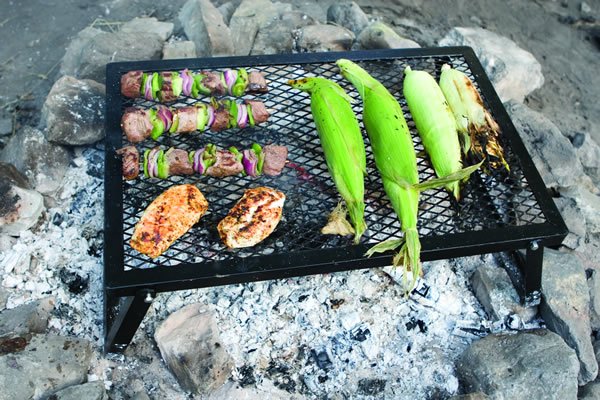
You can safely use a portable hibachi at camp by choosing a level, non-flammable surface like bare dirt or gravel and keeping it at least 15 feet away from tents, dry grass, or low-hanging branches. Always check local fire regulations before you start, as many parks or wilderness areas restrict open flames or require specific types of contained grills during dry seasons.
How to Set Up Your Grill Safely

Setting up a portable grill in the woods requires more care than a backyard patio. You’ll need a stable base that won’t shift while you’re cooking, and you must manage your fuel carefully to prevent accidental sparks from escaping the cooking area.
- Clear the ground: Remove all leaves, pine needles, and twigs from a 5-foot circle around your grill site to create a bare dirt or mineral soil perimeter.
- Level the surface: Use flat stones or dig a shallow depression if the ground is uneven, as a wobbly grill is a major safety hazard when you’re handling hot food.
- Establish a windbreak: Place a non-flammable barrier like a large rock or a metal shield upwind to protect the flame, but never place it so close that it traps excessive heat against the grill body.
- Prepare your fuel: Use only charcoal briquettes or lump charcoal designed for cooking, and light them in a chimney starter rather than using liquid starter fluid, which can flare up unexpectedly.
- Monitor the heat: Keep a bucket of water or a large shovel with a pile of dirt nearby at all times to extinguish any stray embers that might pop out during the cooking process.
Tip: Always bring a dedicated metal container with a lid to store and pack out your used charcoal, as you should never leave hot or smoldering ash in the fire pit or on the ground.
Essential Gear and Safety for Hibachi at Camp
When you choose to cook with this method, the equipment you bring determines how much heat you can manage and how easily you can pack everything back out. A compact, cast-iron or heavy-gauge steel model works best because it retains heat well and won’t tip over as easily as thin, cheap aluminum alternatives. Aim for a base weight of at least five pounds to ensure stability on uneven ground.
| Item | Importance | Safety Requirement |
|---|---|---|
| Metal Tongs | High | Use at least 12-inch handles to keep your hands away from the heat. |
| Fire Extinguisher | Critical | Keep a portable extinguisher or 5 gallons of water within arm’s reach. |
| Heat-Resistant Gloves | Medium | Wear leather or silicone gloves to adjust the grill grates while hot. |
| Ash Bucket | High | Use a non-combustible metal bin to fully cool ashes before disposal. |
Most beginners make the mistake of using standard plastic utensils. These melt instantly near high-heat charcoal, often causing painful burns or ruined meals. If you’re cooking on a windy day, bring a collapsible metal wind guard to prevent stray embers from igniting nearby brush.
Always check the local fire danger rating before you strike a match. If the rating is “High” or “Extreme,” skip the charcoal entirely and use a liquid-fuel stove. If the land management agency has issued a formal fire ban, you can’t use a charcoal-burning grill, even if it’s elevated off the ground. If you see smoke drifting toward dry vegetation, extinguish your coals immediately with water until the hiss stops entirely.
Common Mistakes to Avoid
The biggest mistake campers make is failing to account for residual heat after cooking. Many assume that because the flames have died down, the grill is safe to leave unattended or store in a vehicle. Charcoal remains hot enough to ignite materials for 24 hours or longer. If you must pack up early, submerge the coals in water until they stop hissing, then stir them to ensure no embers remain hidden.
Placing a grill directly on a picnic table is another frequent error. The intense heat radiating from cast-iron or steel units scorches wood, melts plastic coatings, and warps surfaces. Always use a heat-resistant mat or place the unit on bare dirt. If the ground is covered in dry grass or pine needles, clear a 5-foot perimeter first to prevent surface fires.
Never dump ashes under trees or near bushes. Heat kills root systems and can smolder underground, triggering a wildfire hours after you depart. If you’re in a high-wind area, double the distance between your grill and any vegetation. When in doubt, pack your cold, dampened ashes into a metal container and carry them out rather than burying them in a fire pit.
Frequently Asked Questions
Can I use wood instead of charcoal in a hibachi?
No, it’s safer to use only charcoal briquettes. Standard firewood produces flames that are too high and unpredictable for a shallow grill, which increases the risk of embers escaping and starting a fire in the surrounding brush.
How do I know when it’s safe to pack up?
The grill and ashes are safe to pack only when they’re cool to the touch. You should stir the ashes with water, ensure there are no glowing spots, and verify the metal body of the grill has reached ambient temperature before placing it in your gear bag.
Is it safe to cook hibachi style under a canopy?
Never cook under a canopy, tent, or any covered structure. Charcoal grills produce carbon monoxide, an odorless and invisible gas that can be fatal in enclosed or poorly ventilated spaces, and the heat can easily ignite the fabric of your camping gear.
Conclusion
Before you head out, check the official website of the park or forest where you plan to camp to confirm their specific rules on charcoal use. Always practice the “leave no trace” principle by packing out every scrap of ash and charcoal residue to keep the wilderness pristine for the next visitor.
{“@context”:”https://schema.org”,”@type”:”FAQPage”,”mainEntity”:[{“@type”:”Question”,”name”:”Can I use wood instead of charcoal in a hibachi?”,”acceptedAnswer”:{“@type”:”Answer”,”text”:”No, it’s safer to use only charcoal briquettes. Standard firewood produces flames that are too high and unpredictable for a shallow grill, which increases the risk of embers escaping and starting a fire in the surrounding brush.”}},{“@type”:”Question”,”name”:”How do I know when it’s safe to pack up?”,”acceptedAnswer”:{“@type”:”Answer”,”text”:”The grill and ashes are safe to pack only when they’re cool to the touch. You should stir the ashes with water, ensure there are no glowing spots, and verify the metal body of the grill has reached ambient temperature before placing it in your gear bag.”}},{“@type”:”Question”,”name”:”Is it safe to cook hibachi style under a canopy?”,”acceptedAnswer”:{“@type”:”Answer”,”text”:”Never cook under a canopy, tent, or any covered structure. Charcoal grills produce carbon monoxide , an odorless and invisible gas that can be fatal in enclosed or poorly ventilated spaces, and the heat can easily ignite the fabric of your camping gear.”}}]}
I am an outdoor enthusiast and gear researcher passionate about camping, hiking, backpacking, and outdoor adventures. I enjoy testing gear, comparing products, and sharing practical advice to help readers make informed decisions. At BestOutsideGear, I create honest gear reviews, buying guides, and outdoor tips to help adventurers choose the right equipment with confidence.