Propane vs Electric Portable Griddle: How to Choose the Best One
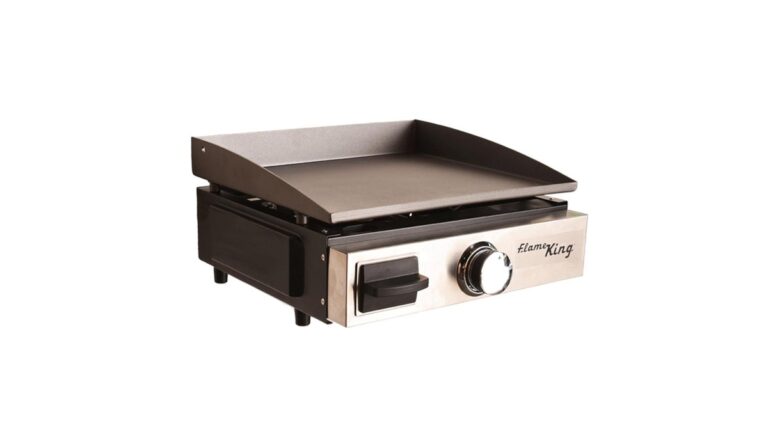
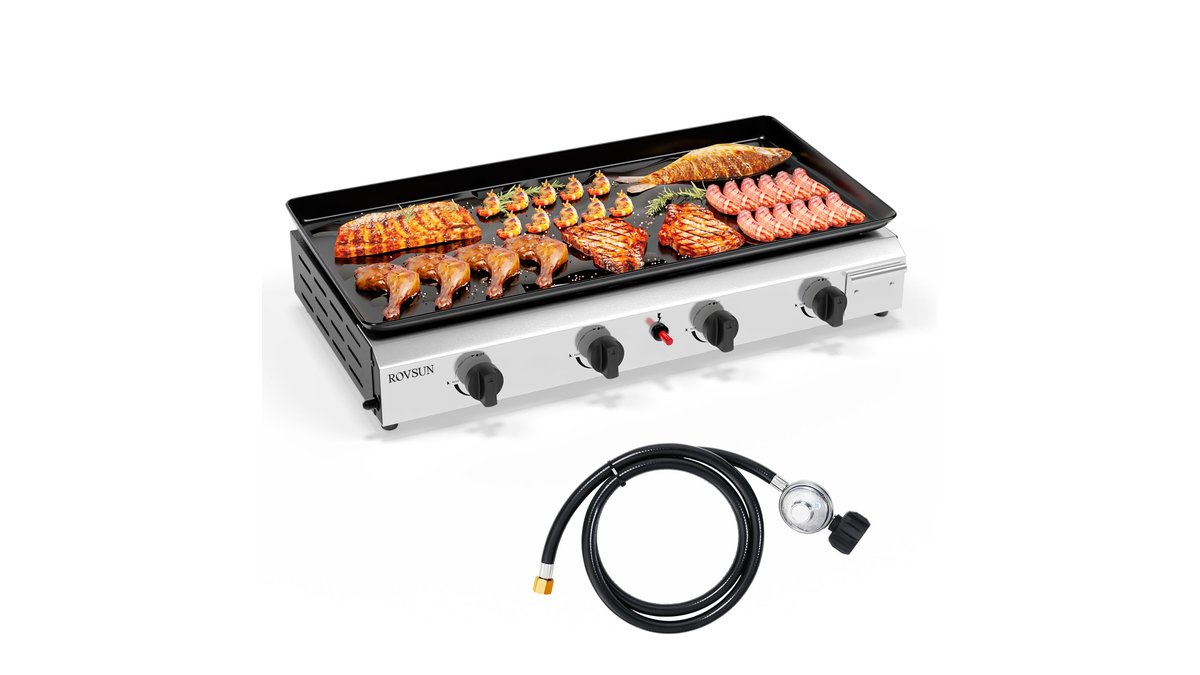
Choosing between a propane or electric portable griddle depends on where you plan to cook and how much heat control you need. Propane models offer superior portability and higher heat output for outdoor use, while electric versions provide consistent, steady temperatures indoors or in areas where open flames are restricted.
Propane versus electric portable griddle performance

Choosing the right heat source makes a significant difference in how your food cooks. Propane units rely on gas canisters, which allow you to cook anywhere without needing an outlet. They heat up very fast and reach higher temperatures, which is helpful if you want a deep sear on meats. Electric models need a standard wall outlet. They don’t get as hot as gas, but they maintain a constant, even temperature that won’t fluctuate when the wind blows.
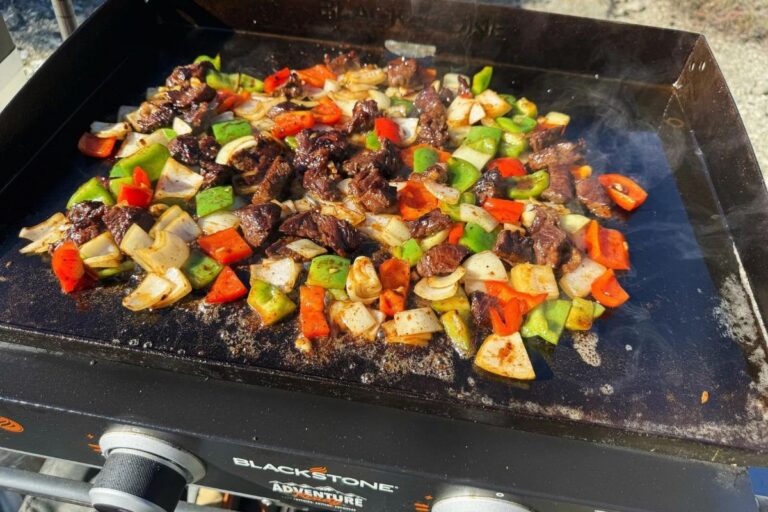
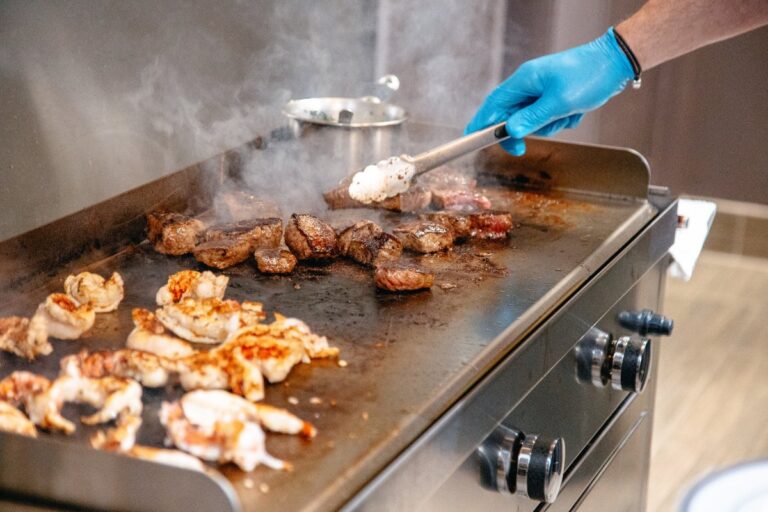
If your primary goal is searing thick steaks or achieving a crispy crust on smash burgers, choose propane. The higher BTU output creates the necessary thermal intensity for the Maillard reaction. If you prefer delicate pancakes, eggs, or slow-cooked breakfast items, choose electric. The consistent heat prevents the scorched edges often caused by the uneven flame distribution found in entry-level gas burners.
A common mistake is assuming that “more heat” is always better. Using a high-heat propane model for pancakes often leads to a burnt exterior and a raw, doughy center. If you’re cooking for a crowd, remember that propane tanks require monitoring; running out of fuel mid-meal is a frequent frustration. Keep a backup canister on hand if you’re planning an event longer than two hours.
| Feature | Propane Griddle | Electric Griddle |
|---|---|---|
| Heat Source | Gas canister | Power outlet |
| Best Location | Outdoors only | Indoors or outdoors |
| Temperature Control | High, variable | Consistent, steady |
| Warm-up Time | 3–5 minutes | 5–10 minutes |
Always check your local fire codes before using a propane appliance on a balcony or near apartment buildings, as many complexes prohibit open-flame cooking.
How to Choose the Right Model
Selecting the correct griddle requires looking at your specific cooking habits and available space. If you frequently host large groups in a backyard, the raw power of a gas unit is usually the better choice. If you cook mostly for one or two people in a small kitchen or a dorm room, an electric unit is safer and easier to store.
Assess your power access. If you lack a dedicated outdoor outlet, a propane model is your only practical option. Don’t rely on extension cords for electric griddles, as the high wattage often causes voltage drops that prevent the surface from reaching a proper sear.
Determine your volume. Surfaces exceeding 30 inches work best with gas because they maintain even heat across a wide metal plate. Electric units often struggle with cold spots once you cover the entire surface with cold proteins.
Check storage space. Electric units are flatter and slide into cabinets, while propane units require space for the heavy chassis and bulky canisters. If you lack a garage or shed, the propane tank storage becomes a major logistical hurdle.
Identify your main dish. If you prioritize crispy smash burgers or steaks, the higher heat of propane is essential for a true Maillard reaction. If you stick to pancakes, eggs, or delicate vegetables, the precise temperature control of an electric unit prevents burning.
Review safety requirements. Only use propane appliances in well-ventilated outdoor areas to prevent carbon monoxide buildup.
Mistakes That Ruin Your Cooking

One common mistake is using an electric griddle on a circuit that already powers other high-wattage appliances, which often trips your breaker. You should always plug the griddle directly into a wall outlet rather than using an extension cord. If your griddle fails to reach heat, check your breaker box first; if the switch is flipped, you’re overloading the circuit and must move the appliance to a dedicated outlet.
For propane users, the most frequent error is failing to check for leaks at the connection point between the regulator and the tank. Always use a soapy water solution to check for bubbles before lighting the burner. If you see bubbles forming, tighten the connection immediately. If the bubbles persist, replace the O-ring or the regulator hose before attempting to cook.
Never store propane tanks inside your home or a closed garage, even if the tank seems empty. Small amounts of residual gas can leak into the air and create a hazardous environment. If you smell a rotten egg odor, leave the area immediately and call emergency services. Never attempt to light a burner until the scent has completely dissipated and you have verified the seal.
Related guides
- Benefits of Portable Espresso Maker
- Step by Step Guide to Using Portable Grill Easily
- How to Use Portable Grill for Perfect BBQ Anywhere
Frequently Asked Questions
Can I use an electric griddle outside?
Yes, you can use an electric griddle outside if you have a weather-proof outlet and stay away from rain or damp surfaces. Ensure your extension cord is rated for outdoor use to prevent electrical shorts or damage to the unit.
Do propane griddles cost more to operate?
Generally, propane costs more per use than electricity because you must buy fuel canisters regularly. However, the exact cost depends on how often you cook and the current price of gas versus your local residential electricity rates.
Is it hard to clean these appliances?
Both types require careful cleaning, but you must never submerge the base of an electric unit in water because it contains electrical components. Propane griddles are often easier to deep clean because you can remove the top plate and wash it thoroughly without worrying about internal wiring.
Conclusion
Decide based on your primary cooking location to narrow your choice quickly. If you need a versatile tool for your kitchen counter, buy an electric model today. If you want high-heat power for backyard events, look for a propane unit that fits your available storage space.
{“@context”:”https://schema.org”,”@type”:”FAQPage”,”mainEntity”:[{“@type”:”Question”,”name”:”Can I use an electric griddle outside?”,”acceptedAnswer”:{“@type”:”Answer”,”text”:”Yes, you can use an electric griddle outside if you have a weather-proof outlet and stay away from rain or damp surfaces. Ensure your extension cord is rated for outdoor use to prevent electrical shorts or damage to the unit.”}},{“@type”:”Question”,”name”:”Do propane griddles cost more to operate?”,”acceptedAnswer”:{“@type”:”Answer”,”text”:”Generally, propane costs more per use than electricity because you must buy fuel canisters regularly. However, the exact cost depends on how often you cook and the current price of gas versus your local residential electricity rates.”}},{“@type”:”Question”,”name”:”Is it hard to clean these appliances?”,”acceptedAnswer”:{“@type”:”Answer”,”text”:”Both types require careful cleaning, but you must never submerge the base of an electric unit in water because it contains electrical components. Propane griddles are often easier to deep clean because you can remove the top plate and wash it thoroughly without worrying about internal wiring.”}}]}
I am an outdoor enthusiast and gear researcher passionate about camping, hiking, backpacking, and outdoor adventures. I enjoy testing gear, comparing products, and sharing practical advice to help readers make informed decisions. At BestOutsideGear, I create honest gear reviews, buying guides, and outdoor tips to help adventurers choose the right equipment with confidence.