How to Pack With Camp Tent: Essential Tips for Easy Camping
Packing your camp tent the right way can make or break your entire camping experience. If you’ve ever struggled with a tangled mess of poles or a soggy tent that won’t fit back into its bag, you know how frustrating it can be.
But what if you could learn simple, effective steps to pack your tent quickly, keep it in great shape, and save space in your backpack or car? This guide will show you exactly how to pack with your camp tent like a pro, so you can spend less time wrestling gear and more time enjoying the great outdoors.
Keep reading, and you’ll discover practical tips that make packing your tent easier than ever before.

Credit: www.youtube.com
Choosing The Right Tent
Choosing the right tent is the first step for a great camping trip. A good tent keeps you safe and comfortable. It also makes packing and carrying easier. Understanding your needs helps pick the perfect tent. Consider where you will camp and how many people will join.
Types Of Camping Tents
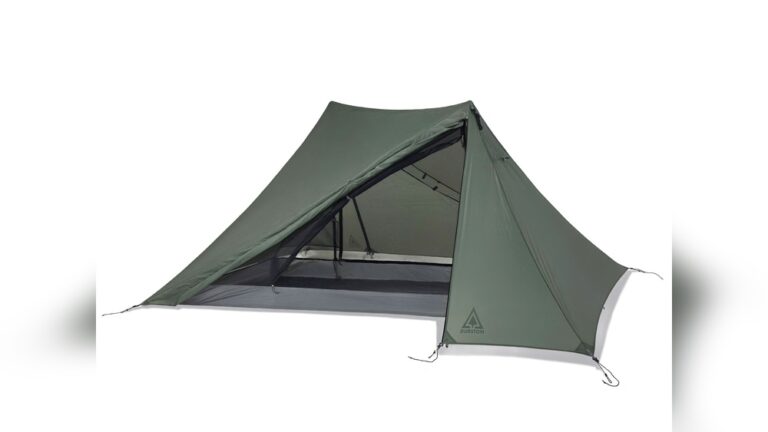
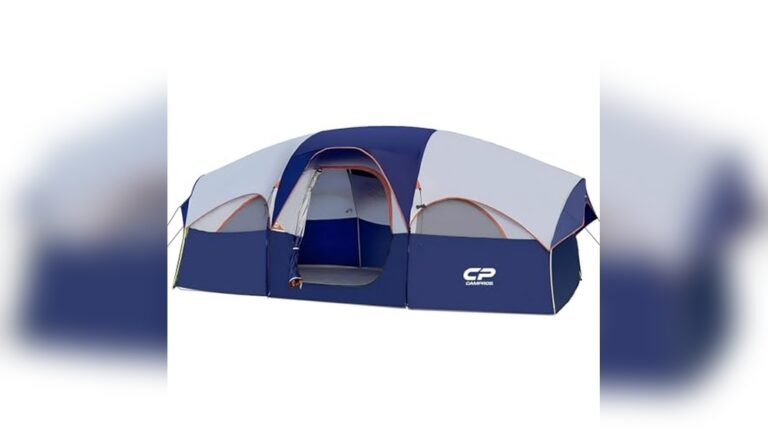
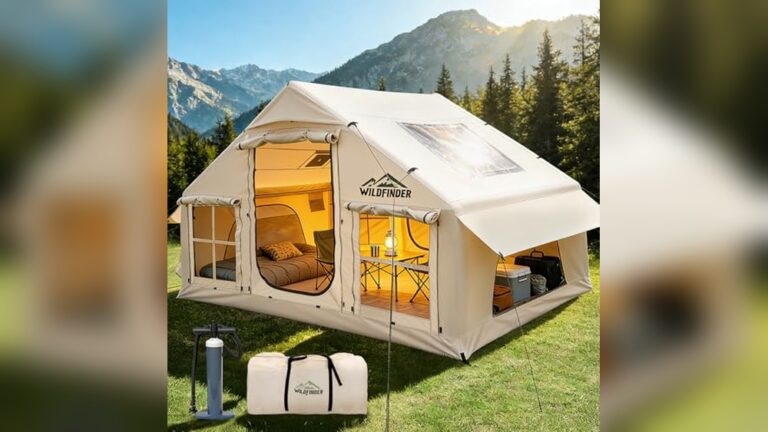
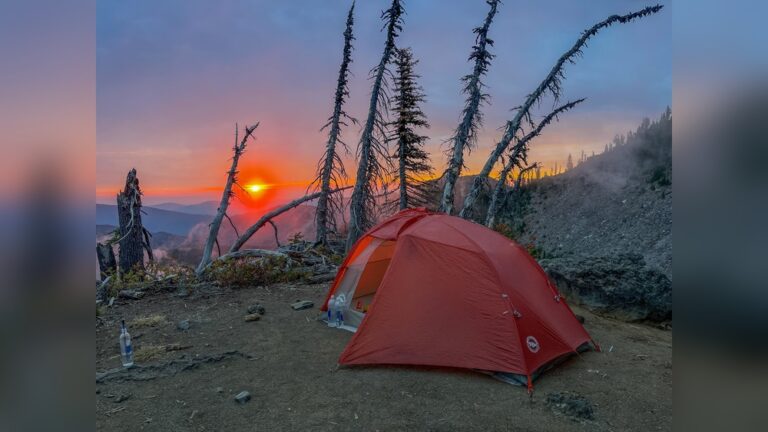
There are several types of tents. Dome tents are popular for their easy setup and good ventilation. Cabin tents offer more space and headroom. Backpacking tents are lightweight and compact. They suit long hikes and rough terrain. Each type fits different camping styles and needs.
Tent Size And Capacity
Pick a tent size based on the number of campers. A tent labeled for two people fits two, but no extra gear. Choose a tent with extra room for comfort. Think about space for backpacks and sleeping bags. A larger tent feels better for longer stays.
Material And Durability
Tent materials affect weight and strength. Nylon tents are light and dry quickly. Polyester tents resist UV damage better. Check the tent’s waterproof rating. Strong poles made of aluminum last longer. Durable tents stand up to wind, rain, and rough use.
Preparing Your Tent For Packing
Preparing your tent for packing is key to keeping it in good shape for your next trip. Proper care extends the tent’s life and makes packing easier. Follow simple steps to clean and dry your tent before packing it away.
Cleaning And Drying Tips
Start by removing all gear and loose items from inside the tent. Shake the tent gently to get rid of dust and small debris. Use a soft brush or cloth to wipe down the fabric and poles. Avoid harsh cleaners; plain water works best. Let your tent dry completely before packing to prevent mold and mildew growth.
Removing Dirt And Debris
Check the tent floor and corners for stuck dirt or leaves. Use a small brush or your hand to clear away any debris. Clean the zippers carefully to avoid dirt buildup that can cause damage. Do not rub too hard to avoid tearing the fabric. Keeping the tent clean helps maintain its waterproof coating.
Handling A Wet Tent
Never pack a wet tent tightly; it can cause mold and bad smells. Set up the tent in a shaded area to air dry if possible. If drying outside is not an option, hang the tent indoors with good airflow. Use towels to blot excess water from the fabric. Only pack the tent once it is completely dry to protect the material.
Packing Techniques
Packing a camp tent properly saves space and protects the tent fabric. Using the right techniques helps keep your tent in good shape. Efficient packing also makes setting up and breaking camp easier.
Stuffing Vs Rolling
Stuffing a tent means pushing it loosely into its bag. This method avoids creating sharp folds. It reduces stress points on the fabric, which helps the tent last longer.
Rolling, on the other hand, involves folding the tent flat and rolling it tightly. This can cause creases and wear over time. Stuffing is better for tent longevity and quick packing.
Folding Strategies
Folding your tent neatly before stuffing helps save space. Lay the tent flat and smooth out wrinkles. Fold it in half or thirds, depending on size.
Keep the tent poles and stakes separate from the fabric. Folding the rainfly separately also prevents tangling. A tidy fold makes stuffing faster and easier.
Organizing Tent Components
Keep all tent parts organized to avoid losing anything. Use small bags or pouches for stakes, poles, and accessories. Label them if needed.
Place the folded tent in the main bag first. Then add poles and stakes around it. This method keeps everything compact and easy to carry.

Credit: www.amazon.com
Using The Tent Bag Efficiently
Packing your camp tent properly keeps it safe and ready for your next trip. Using the tent bag efficiently helps save space and protects the tent parts. It also makes carrying easier and keeps everything organized. Follow simple steps to use the tent bag the right way.
Maximizing Space
Start by shaking out the tent to remove dirt and loose debris. Stuff the tent into the bag instead of folding it. Stuffing avoids sharp creases that can damage fabric over time. Roll or bundle the tent poles and stakes separately. Place heavier items at the bottom of the bag. Fill gaps with small items like ropes or stakes. This method uses every inch of space inside the bag.
Protecting The Tent Fabric
Keep the tent fabric clean and dry before packing. Avoid packing the tent when it is wet to prevent mold and mildew. Use a small cloth or towel to wipe off moisture and dirt. Store the tent loosely in the bag to reduce stress on the fabric. Avoid tight packing that can create permanent creases. Handle the bag gently during transport to prevent tearing or damage.
Separating Poles And Stakes
Poles and stakes can poke holes if packed with the tent fabric. Use a separate pouch or sleeve for poles and stakes inside the tent bag. Keep them bundled tightly with elastic bands or Velcro straps. This prevents scratches and punctures on the tent material. Separating these parts also makes setup quicker at the campsite. Label the pole sections if needed to avoid confusion later.
Packing The Tent For Backpacking
Packing a tent for backpacking requires smart planning. You must save space and keep the tent safe. Proper packing makes your load lighter and your hike easier. Follow simple steps to fit the tent in your backpack without hassle.
Placement In Backpack
Put the tent in the bottom or middle of your backpack. This spot keeps the weight close to your body. It helps balance and reduces strain on your back. Use the tent bag to keep it compact and tidy. Avoid placing the tent near sharp items to prevent damage.
Using Side And Front Pockets
Use side pockets for smaller tent parts like stakes and poles. This keeps them easy to reach and stops them from poking other gear. Front pockets work well for the tent rainfly or footprint. Organizing parts in pockets helps unpacking fast at camp.
Balancing Weight
Balance the backpack by spreading weight evenly. Place heavier items near the center and closer to your spine. Keep the tent weight balanced with food and water. Uneven weight can cause discomfort and affect your walking balance. Balanced packing saves energy on long trails.

Credit: www.thisoutdoormama.com
Additional Gear To Pack
Packing a camp tent requires more than just the tent itself. Bringing extra gear improves comfort and safety. It also helps you handle unexpected situations during your trip.
Focus on items that support your tent setup and protect you from weather. Tools and repair kits are vital for quick fixes. This section outlines essential gear to pack with your camp tent.
Essential Tent Accessories
Include tent stakes to secure your tent firmly to the ground. Carry a footprint or groundsheet to protect the tent floor. A rainfly keeps rain and dew away from your tent. Tent poles and guy lines help maintain structure and stability. A tent bag or stuff sack keeps everything organized and easy to carry.
Weather Protection Items
Pack a tarp for extra shelter and to cover your tent if heavy rain is expected. Bring a windbreaker or small sandbag weights to hold the tent down in strong winds. Use seam sealer to waterproof seams and prevent leaks. Consider a sunshade or reflective blanket for hot and sunny days. Extra stakes can help secure tarps or additional coverings.
Repair Kits And Tools
Carry a basic repair kit with needle, thread, and patches for fabric tears. A multi-tool or small knife helps with various fixes and adjustments. Tent pole splints or repair sleeves fix broken poles quickly. Extra guy line cord allows you to replace damaged lines on the spot. Duct tape is a versatile item for temporary fixes and sealing leaks.
Tips For Easy Setup And Breakdown
Packing a camp tent does not have to be hard. Easy setup and breakdown save time and effort. These tips help you handle your tent quickly. You get more time to enjoy your camping trip. Follow simple steps to keep your tent in good shape.
Marking Tent Parts
Mark each tent part before you pack. Use small colored stickers or tape. Match colors on poles, stakes, and fabric corners. This makes it easier to find the right pieces. It speeds up setup and breakdown. Avoid confusion and lost parts at the campsite.
Quick Assembly Tricks
Practice setting up your tent at home first. Learn how poles fit and how to stake corners. Start with spreading the tent flat. Insert poles in the marked sleeves or clips. Raise the tent and secure all stakes. Use simple knots to tie guylines fast. These tricks reduce setup time a lot.
Routine Maintenance
Keep your tent clean and dry after each use. Shake off dirt and dust before packing. Air it out to prevent mold and bad smells. Check for tears or broken parts regularly. Repair small holes with patch kits. Proper care extends your tent’s life and keeps it ready for next time.
Avoiding Common Packing Mistakes
Packing your camp tent correctly prevents damage and keeps it ready for the next trip. Many campers make simple mistakes that shorten the tent’s life or cause inconvenience. Avoiding these errors saves time and money. Follow these tips to pack your tent safely and efficiently.
Preventing Mold And Mildew
Always dry your tent fully before packing it away. Damp fabric traps moisture and creates mold quickly. Mold causes bad smells and weakens the tent’s material. Air out the tent in the sun or a dry place. Never pack the tent wet or damp. Use a clean, dry bag to store your tent. Check for wet spots inside the tent bag before closing it. If mold appears, clean the tent with a gentle soap and water solution immediately.
Avoiding Fabric Damage
Handle your tent fabric with care to avoid tears and holes. Do not fold the tent the same way every time. Folding always in the same pattern creates weak lines. Instead, stuff the tent loosely into its bag. Avoid sharp objects near the tent during packing. Keep zippers clean and free from dirt to avoid damage. Store the tent away from direct sunlight when not in use. UV rays can weaken fabric fibers over time.
Keeping Stakes Organized
Keep tent stakes in a separate pouch or container. Mixing stakes with other gear can cause loss or damage. Label the pouch so you find stakes quickly. Clean stakes before packing to avoid rust and dirt buildup. Secure stakes together using a rubber band or small bag. Organized stakes save time during setup and pack-up. Check stake condition regularly and replace bent or broken ones.
Frequently Asked Questions
How To Pack A Camping Tent?
Shake off dirt and water from the tent. Stuff the tent loosely into its bag without folding. Store poles separately. Pack stakes in a protective pouch. Keep the tent dry using a waterproof bag if possible. Open the tent daily to air it out and prevent damage.
What Is The Best Way To Pack For Tent Camping?
Pack efficiently by rolling clothes tightly and layering them. Stuff the tent loosely to avoid creases. Keep gear organized and use waterproof bags for protection. Pack only essentials to save space and ensure comfort during your tent camping trip.
Is It Better To Roll Or Stuff A Tent?
Stuffing a tent is better than rolling. Stuffing reduces creases and stress points, extending the tent’s lifespan. Always shake off water before packing.
How To Pack Your Tent In A Backpack?
Shake off dirt and moisture from the tent. Stuff the tent loosely into its bag, avoiding tight folds. Place poles and stakes separately in side or front backpack pockets. Use a dry bag to protect the tent from moisture. Pack heavier items low and close to your back for balance.
Conclusion
Packing a camp tent need not be hard or stressful. Shake off dirt and moisture before packing. Stuff the tent loosely to avoid damage. Keep stakes and poles organized for easy access. Pack gear efficiently to save space and weight.
Practice these simple steps to enjoy your camping trips more. A well-packed tent makes camping safer and more fun. Remember, careful packing helps your tent last longer. Prepare well, and your outdoor adventure will go smoothly.

I am an outdoor enthusiast and gear researcher passionate about camping, hiking, backpacking, and outdoor adventures. I enjoy testing gear, comparing products, and sharing practical advice to help readers make informed decisions. At BestOutsideGear, I create honest gear reviews, buying guides, and outdoor tips to help adventurers choose the right equipment with confidence.