Size Guide for Camping Mattress: Ultimate Tips for Perfect Comfort
Choosing the right camping mattress size can make or break your outdoor sleep experience. Imagine waking up refreshed, with no aches or cramped limbs, ready to take on the day.
But how do you know which mattress size fits your tent, your camper, or even your body perfectly? This guide is designed just for you—whether you camp solo, with a partner, or the whole family. Keep reading, and you’ll discover simple tips and clear size charts that take the guesswork out of picking the perfect camping mattress.
Your best night’s sleep under the stars starts here.

Credit: lunolife.com
Camping Mattress Sizes
Choosing the right camping mattress size improves your outdoor sleep quality. The size affects comfort and how well it fits your tent or camper. Camping mattresses come in various sizes to suit different needs. Some sizes match standard beds, while others fit RVs and campers.
Understanding mattress sizes helps you pick the best option for your adventure. Small tents need compact mats, while larger campers require bigger mattresses. Here is a guide to common camping mattress sizes and options.
Standard Dimensions
Standard camping mattresses usually mimic regular bed sizes. Common sizes include Twin, Full, Queen, and King. Twin measures about 38 by 75 inches. Full size is wider at 54 by 75 inches. Queen size is 60 by 80 inches. King is the largest, around 76 by 80 inches.
These sizes fit many tents and sleeping pads. They provide enough space for one or two people. Standard mattresses offer comfort similar to home beds.
Rv Mattress Sizes
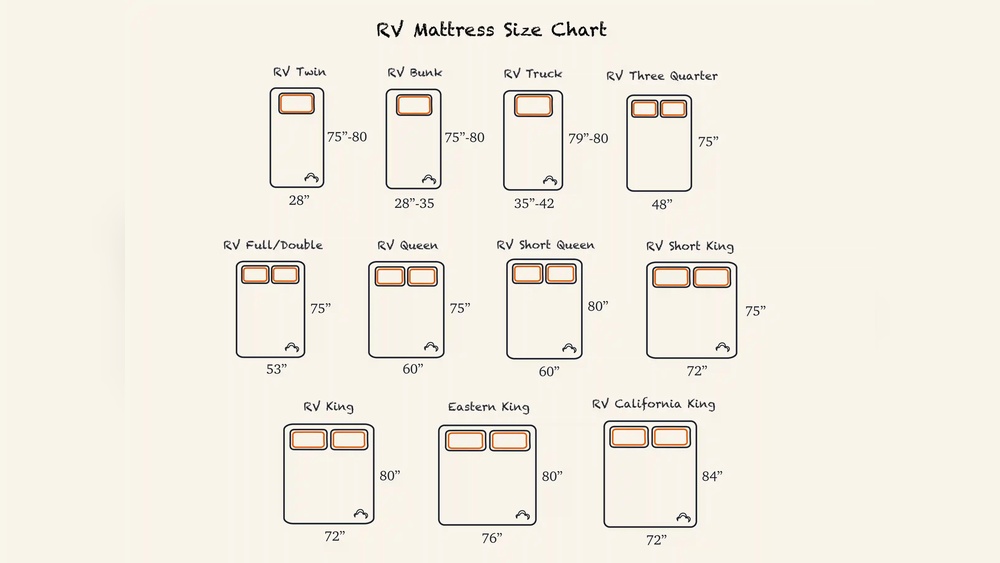
RV mattresses differ from standard sizes. They often have unique dimensions to fit camper beds. Common RV sizes include Short Queen, RV King, and RV Twin. RV mattresses may be shorter or narrower than home mattresses.
Choosing the right RV mattress size avoids gaps and discomfort. Measure your camper bed before buying. RV mattress sizes help maximize your sleeping space.
Short Queen Vs Queen
Short Queen mattresses are common in RVs. They measure about 60 by 75 inches. Regular Queen size is 60 by 80 inches. The Short Queen is five inches shorter than the Queen.
This size saves space in campers with limited room. It fits well in smaller RV bedrooms. Short Queen offers a balance between comfort and space-saving.
King And Twin Options
King size camping mattresses offer plenty of space. They measure around 76 by 80 inches. King mattresses fit larger tents or campers with big beds. Twin size is the smallest, about 38 by 75 inches. Twins are ideal for solo campers or kids.
Both King and Twin sizes serve specific needs. Choose based on tent size and who will sleep on the mattress.
Choosing Mattress Types
Choosing the right type of camping mattress is key for a good night’s sleep outdoors. Different mattresses suit different needs and camping styles. Some campers prefer extra comfort, while others want lightweight and easy-to-carry options. Understanding the main mattress types can help you pick the best fit for your trip.
Inflatable Mattresses
Inflatable mattresses offer great comfort and support. They can be inflated to your desired firmness. Most models pack down small, saving space in your backpack. These mattresses are ideal for car camping or base camps. Some come with built-in pumps for quick setup. Watch out for punctures and always carry a repair kit.
Foam Pads
Foam pads are simple, durable, and budget-friendly. They provide good insulation from cold ground. Foam pads are lightweight and do not require inflation. They are easy to clean and dry quickly. These pads work well for rough terrains. Their thickness varies, so choose one based on comfort needs.
Self-inflating Mattresses
Self-inflating mattresses combine foam and air for comfort. They inflate by opening a valve, drawing air inside. These mattresses balance comfort and convenience. They are thicker than foam pads but lighter than inflatable mattresses. Self-inflators are quick to pack and set up. They offer good insulation for cooler nights.
Ultralight Options
Ultralight mattresses focus on minimal weight and compact size. They suit backpackers and hikers who need to reduce load. Materials used are thin but strong and durable. Ultralight mattresses often use air or foam with minimal padding. Comfort may be less than heavier options. Choose ultralight if every ounce counts on your trip.
Matching Mattress To Tent
Choosing the right camping mattress means matching it to your tent size. A mattress that fits well makes your camping experience comfortable. Too large or too small mattresses can cause problems inside the tent. Consider the tent floor space and who will sleep on the mattress. This helps select the right size for your needs.
Tent Floor Space
Measure the tent floor before picking a mattress. Most tents list floor dimensions in their specs. The mattress should be smaller than the tent floor to fit properly. Leave room for gear and movement. A mattress that is too big may block tent doors or windows.
Single Vs Double Sleepers
For solo campers, a single mattress often works best. It saves space and fits most tents easily. Couples may prefer a double mattress for comfort. Check if the tent can fit a double mattress with some extra space. Sleeping close to tent walls can cause discomfort or damage the mattress.
Family And Group Needs
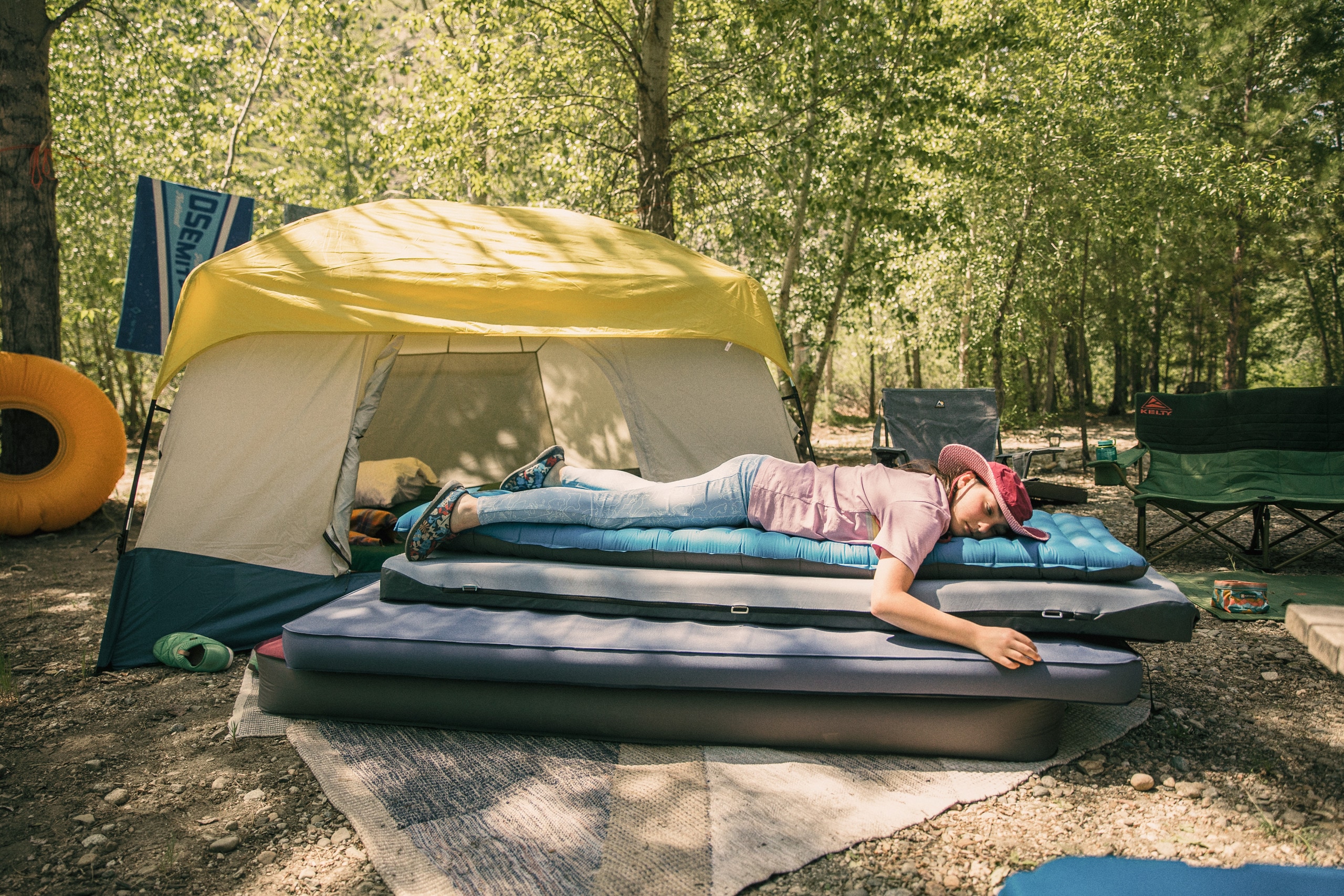
Families or groups need multiple mattresses or a large mattress. Large tents can fit queen or king-size mattresses. Each person may want their own mattress for better sleep. Consider mattress thickness and weight when sharing tent space. Choose mattresses that balance comfort and space.
Credit: www.rei.com
Comfort Factors
Choosing the right camping mattress means thinking about comfort. Comfort depends on several key factors. These include thickness, support, insulation, and how easy it is to carry. Each factor affects your sleep quality outdoors.
Understanding these comfort factors helps you pick a mattress that fits your needs. It ensures better rest and a more enjoyable camping trip.
Thickness And Support
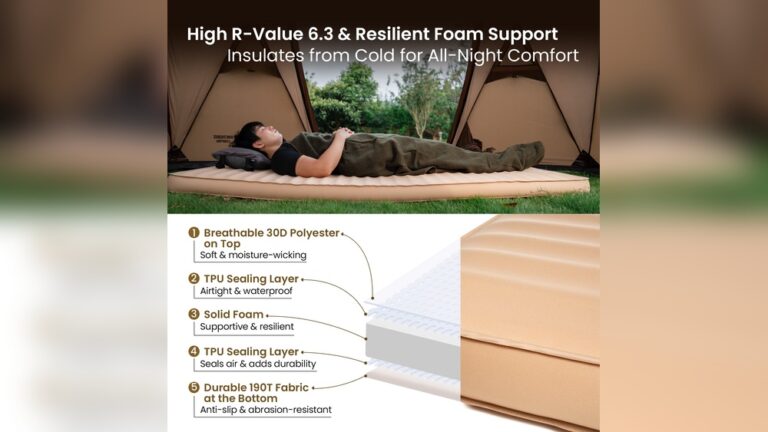
Thickness affects how soft or firm the mattress feels. Thicker mattresses usually offer more cushioning. They protect you from hard, uneven ground. Support helps keep your body aligned. A mattress with good support reduces pressure on joints. This prevents aches after a long day outdoors.
R-value And Insulation
R-value measures how well the mattress keeps heat. Higher R-values mean better insulation. Good insulation keeps you warm in cold weather. It blocks cold from the ground. Consider the climate where you camp. Choose a mattress with an R-value that fits those conditions.
Weight And Portability
Weight matters if you hike to your campsite. Lightweight mattresses are easier to carry. Some models pack down small for easy storage. Portability means less load on your back. Balance weight with comfort features for the best choice.
Special Mattress Features
Camping mattresses come with special features that improve your outdoor sleeping experience. These features protect the mattress and make it easier to use. Knowing what each feature offers helps you pick the best mattress for your camping needs.
Waterproof Materials
Waterproof materials keep moisture away from your mattress. This stops dampness and mold from forming. Mattresses with waterproof covers last longer and stay clean. They are perfect for camping in wet or humid places.
Durability And Repairability
Durability means the mattress can handle rough use. Strong fabrics and sturdy seams resist tears and holes. Repairability is how easy it is to fix damage. Some mattresses come with repair kits or patches. A durable and repairable mattress saves money and hassle on trips.
Ease Of Setup
Easy setup means the mattress inflates or unfolds quickly. Some mattresses use self-inflating foam, while others need pumps. Lightweight and compact designs make carrying simple. Quick setup lets you rest faster after a long day outdoors.

Credit: lunolife.com
Sizing Tips
Choosing the right size for your camping mattress is important for a good night’s sleep. The mattress should fit your sleeping area perfectly. It also needs to support your body comfortably. Proper sizing prevents discomfort and wasted space. Follow these simple tips to find the best mattress size for your camping needs.
Measuring Your Sleeping Area
Start by measuring the space where you will place your mattress. Use a tape measure for accuracy. Measure both the length and width of your sleeping area. Note any irregular shapes or obstacles nearby. This helps avoid buying a mattress too large or too small. Leave a little extra space for ease of setup.
Considering Body Size
Your body size affects mattress choice. Taller people need longer mattresses. A mattress at least 6 inches longer than your height is ideal. Wider mattresses suit those who move a lot in sleep. Add a few inches to your width for comfort. This ensures you rest without feeling cramped.
Account For Sleeping Gear
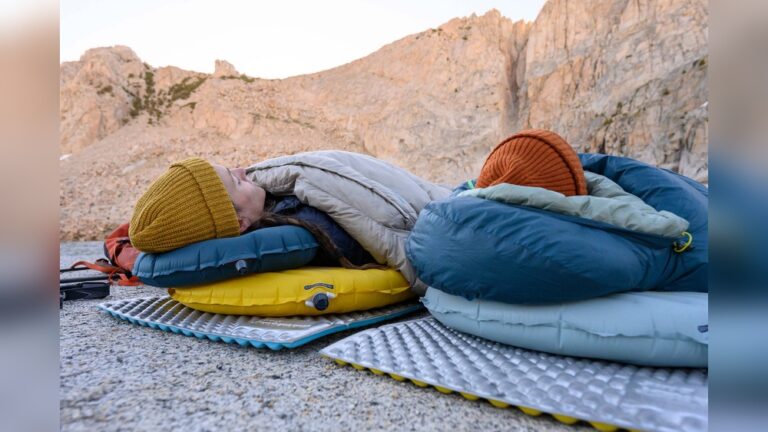
Consider the sleeping gear you use with your mattress. Sleeping bags and pads add thickness and width. Measure your gear when fully laid out. Choose a mattress that fits well with your gear stacked on top. This avoids tight spaces that limit movement. Proper space helps keep you warm and comfortable.
Care And Maintenance
Proper care and maintenance extend the life of your camping mattress. It keeps the mattress clean, comfortable, and ready for every trip. Simple steps help avoid damage and improve your camping experience.
Cleaning Guidelines
Clean your camping mattress regularly to avoid dirt buildup. Use a soft brush or cloth to remove dust and debris. Spot clean stains with mild soap and water. Avoid harsh chemicals that can damage the material. Let the mattress dry completely before storing it.
Storage Tips
Store your mattress in a cool, dry place away from sunlight. Roll or fold it gently according to the manufacturer’s instructions. Avoid placing heavy objects on top of it to prevent deformation. Use a storage bag to protect it from dust and moisture.
Repair Basics
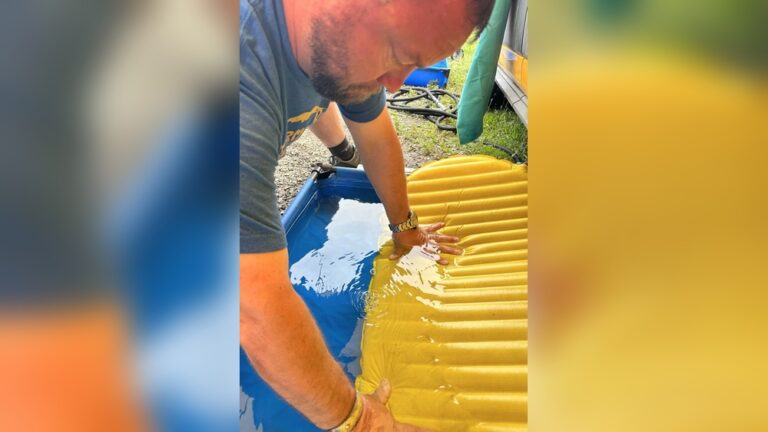
Small tears or holes reduce comfort and insulation. Patch minor damage using repair kits made for camping mattresses. Clean the area before applying the patch for better adhesion. Follow the kit instructions carefully to ensure a strong seal. Replace the mattress if damage is severe or affects safety.
Frequently Asked Questions
What Is The Standard Size Of A Camper Mattress?
The standard camper mattress size is typically 60″ x 75″, known as an RV queen. Sizes vary by camper model and bed space.
Is An Rv Queen The Same As A Queen?
An RV queen mattress is smaller than a standard queen. It typically measures 60″ x 75″ versus 60″ x 80″ for a regular queen. This size difference suits RV spaces better.
Can A Queen Size Air Mattress Fit In A 4 Person Tent?
A queen size air mattress may fit in a 4-person tent but can limit space for gear and movement. Check tent dimensions first.
Do Campers Need Special Mattresses?
Campers often need special mattresses to fit unique RV or camper bed dimensions. Standard sizes work if bed space is regular. Choose mattresses designed for irregular shapes to ensure comfort and proper fit while camping.
Conclusion
Choosing the right camping mattress size makes your trip more comfortable. Consider your sleeping space and body size carefully. Measure your tent or camper before buying a mattress. A well-fitted mattress helps you sleep better outdoors. Don’t forget to check mattress thickness and weight too.
This guide simplifies your mattress selection process. Enjoy restful nights and happy camping with the perfect mattress size.

I am an outdoor enthusiast and gear researcher passionate about camping, hiking, backpacking, and outdoor adventures. I enjoy testing gear, comparing products, and sharing practical advice to help readers make informed decisions. At BestOutsideGear, I create honest gear reviews, buying guides, and outdoor tips to help adventurers choose the right equipment with confidence.