How to Use Camping Mattress: Ultimate Tips for Cozy Outdoor Sleep
Are you ready to upgrade your camping experience with a good night’s sleep? Using a camping mattress might seem straightforward, but knowing how to properly set it up and pack it away can make all the difference in your comfort and convenience.
Whether you’re new to camping or looking to get the most out of your gear, this guide will walk you through everything you need to know about using a camping mattress. From inflating it the right way to storing it for long-lasting use, you’ll learn simple tips that save time and keep you cozy under the stars.
Keep reading to discover how to turn your camping mattress into your best outdoor companion.

Credit: www.kgcountry.com
Choosing The Right Mattress
Choosing the right camping mattress is key for a good night’s sleep outdoors. The right mattress gives comfort, warmth, and support. It also fits your camping style and gear. Knowing the types, size, and material helps you pick well. This guide breaks down what to consider for your camping mattress.
Types Of Camping Mattresses
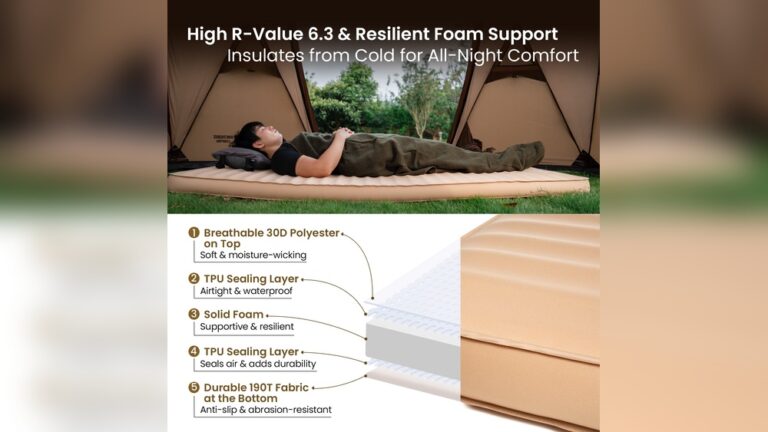
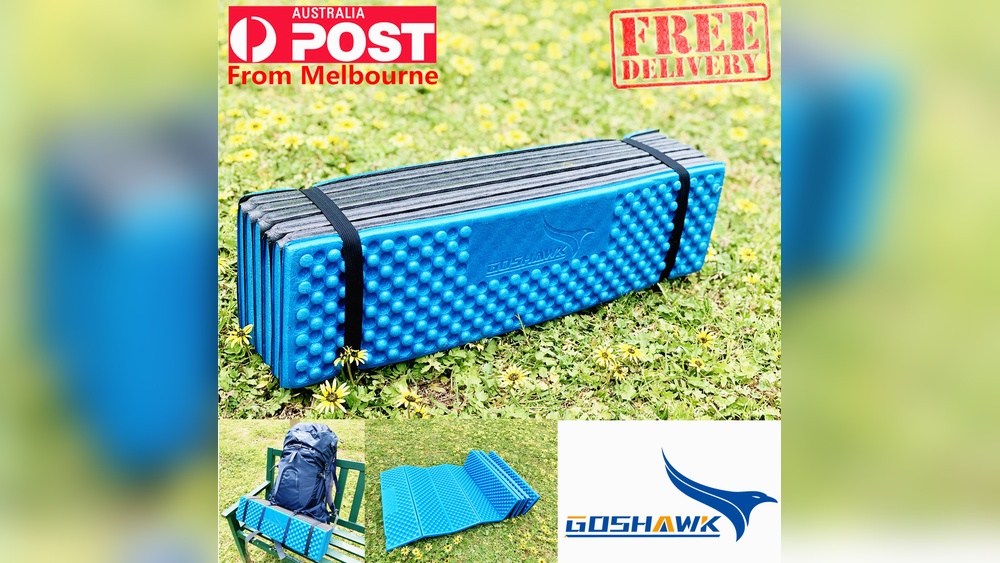
Camping mattresses come in several types. Air mattresses are light and inflatable. Foam mattresses are simple and durable. Self-inflating mattresses combine foam with air chambers. Each type offers different comfort and weight. Choose the one that fits your needs and camping style.
Size And Thickness Considerations
Size matters for comfort and fit inside your tent. Mattresses come in single, double, or queen sizes. Thickness affects how soft or firm the mattress feels. Thicker mattresses give better cushioning but weigh more. Pick a size and thickness that suit your body and tent space.
Material And Durability
Material impacts comfort and how long the mattress lasts. Look for durable fabrics like nylon or polyester. These resist tears and moisture. Foam density affects support and durability. Strong materials keep the mattress working through many trips. Choose materials that match your camping conditions.
Setting Up Your Mattress
Setting up your camping mattress correctly ensures a comfortable sleep outdoors. A proper setup helps avoid discomfort and restless nights. Follow simple steps to unfold, inflate, and adjust your mattress with ease. This guide breaks down the process into clear parts for quick understanding.
Unfolding And Positioning
Start by placing the mattress on a flat surface. Unroll or unfold it fully to reveal its shape. Position it where you want to sleep, avoiding sharp objects beneath. Check for any debris or rocks that might cause damage. Smooth out wrinkles and folds for a better rest.
Inflation Techniques
Open the valve on your mattress to begin inflation. For self-inflating types, let the foam expand naturally. It may take a few minutes to fill with air. Add extra breaths if needed to reach desired firmness. For manual mats, use a pump or blow air in slowly. Close the valve tightly once inflated.
Adjusting Firmness
Test the mattress by lying down gently. Open the valve slightly to let air out if too firm. Add more air if it feels too soft. Repeat until you find your comfort level. Proper firmness supports your body and improves sleep quality. Secure the valve after adjusting to keep air inside.
Using Self-inflating Mattresses
Self-inflating mattresses are a popular choice for campers. They offer comfort without needing a pump. Using them is simple and saves time at your campsite.
These mattresses combine foam and air to create a cushioned surface. Understanding how to use them helps you get the best rest outdoors. Follow these steps to use your self-inflating mattress properly.
How Self-inflating Works
Self-inflating mattresses use open-cell foam inside. The foam is sealed in airtight fabric with a valve. When you open the valve, the foam expands. This pulls air into the mattress automatically. It fills with air without you needing to blow into it. The foam acts like a sponge, drawing air in to create padding. This process takes a few minutes to complete.
Opening And Closing The Valve
Start by unrolling the mattress on a flat surface. Find the valve, usually near one end. Turn or pull the valve open to let air in. The foam will start to expand and pull air inside. Leave the valve open while the mattress inflates. Once the mattress feels firm enough, close the valve tightly. Closing the valve traps the air inside. This keeps your mattress firm and ready to use.
Adding Extra Air
The mattress may need more air for extra firmness. You can add air by blowing into the valve. Take a few deep breaths and gently blow air inside. Check the mattress firmness after each breath. Stop adding air once it feels comfortable. Avoid over-inflating, as this can damage the foam. Adjust the air level to suit your sleeping style. This step helps make your camping nights cozy and restful.
Maintaining Comfort Outdoors
Staying comfortable outdoors is key to a good night’s sleep on your camping trip. Using a camping mattress right helps keep your body supported and relaxed. Simple steps make your rest better, even on rough ground. Focus on keeping warm, adding soft touches, and avoiding dampness. These tips ensure your mattress works well and feels cozy all night long.
Protecting Against Cold Ground
Cold ground can make sleep uncomfortable and chill your body. Place a groundsheet or tarp under your mattress. This adds a layer of insulation and blocks cold from the earth. Choose a thick camping mattress with good insulation value. Avoid sleeping directly on bare soil or rocks. Keep your mattress dry and clean for better heat retention.
Using Pillows And Extras
Small comforts can improve your sleep quality outdoors. Bring a compact camping pillow for neck support. Use extra blankets or a sleeping bag liner for added warmth. Stuff soft clothes inside a pillowcase for a DIY cushion. Arrange your gear to create padding under your mattress edges. These extras help reduce pressure points and add softness.
Preventing Moisture Build-up
Moisture ruins comfort and can damage your mattress. Air out your mattress each morning by opening valves and letting it dry. Avoid placing your mattress on wet grass or damp areas. Store it in a dry bag or cover when not in use. Use moisture-wicking sheets or liners to keep sweat away. Proper drying and storage extend your mattress life and keep it fresh.
Packing And Storage Tips
Packing and storing your camping mattress the right way extends its life. It keeps the mattress clean and ready for your next trip. Careful packing also saves space in your backpack or car.
Proper deflating removes trapped air to make rolling easier. Rolling with care avoids damage and keeps the mattress compact. Good storage protects the foam inside from moisture and pressure.
Deflating Properly
Open the valve fully to let air escape quickly. Press down gently on the mattress to push air out. Avoid sharp bends or squeezing too hard. Close the valve once most air is out to keep it flat.
Rolling Techniques
Start rolling from the end opposite the valve. Roll tightly but without forcing it. Keep the roll even to prevent creases. Use straps or cords to hold the roll firmly. This keeps the mattress small and easy to carry.
Storage To Preserve Foam
Store the mattress in a dry, cool place away from sunlight. Avoid heavy objects on top to prevent foam damage. Keep the mattress unrolled or loosely rolled if storing long-term. Use a breathable bag to protect it from dust and moisture.
Troubleshooting Common Issues
Camping mattresses make outdoor sleep more comfortable. Sometimes, issues like air leaks, valve troubles, or tears happen. These problems reduce mattress comfort and usability. Fixing them quickly keeps your camping trip enjoyable. Below are simple ways to solve common mattress problems.
Fixing Air Leaks
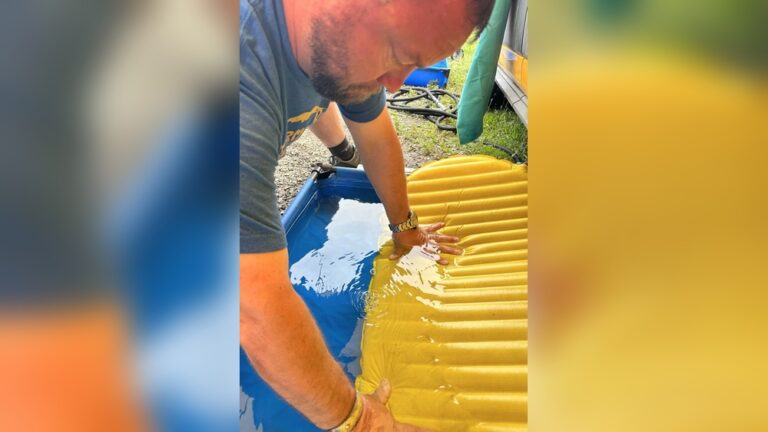
Air leaks cause the mattress to lose firmness. To find leaks, listen closely for hissing sounds. Another way is to press soapy water on the mattress surface. Bubbles show where air escapes. Mark the spot with a pen. Use a repair kit with patches and glue. Clean and dry the area first. Apply the patch firmly and let it dry fully before use.
Handling Valve Problems
Valves control the air flow in and out. Dirt or damage can block them. Remove the valve cap and clean it with a cloth. Check for cracks or broken parts. Tighten loose valves carefully, but do not overtighten. If a valve is broken, replace it with a new one from the manufacturer. Test the valve by inflating the mattress and listening for leaks near it.
Repairing Tears And Holes
Tears and holes let air escape quickly. Small cuts can be sealed with special adhesive patches. For larger tears, use strong repair tape or patch kits designed for camping gear. Clean the damaged area well before applying. Press the patch down firmly and let it set for several hours. Avoid using regular tape, as it may not hold air. Check the repair before your next trip.
Enhancing Sleep Quality
Good sleep is essential for a fun camping trip. A camping mattress can improve your rest. Using it right helps you feel fresh and ready to explore the next day.
Small changes in how you use your mattress make a big difference. Focus on your sleep position, how you use your sleeping bag, and adding extra insulation.
Choosing The Best Sleep Position
Your sleep position affects comfort on a camping mattress. Lying on your back spreads weight evenly. This reduces pressure on your body. Side sleeping needs more padding for hips and shoulders. Try to keep your spine straight. Adjust your position if you feel pain or stiffness.
Using Mattresses With Sleeping Bags
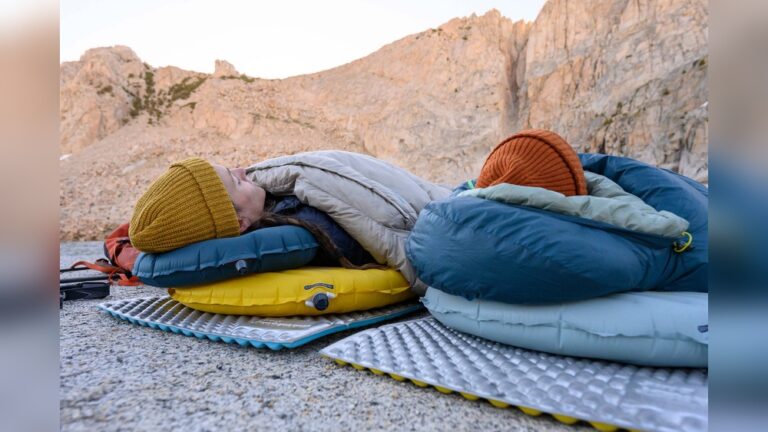
Pair your mattress with the right sleeping bag. A sleeping bag adds warmth and comfort. Make sure the bag fits well on the mattress. Avoid gaps that let cold air in. Place the sleeping bag inside or on top of the mattress. This helps trap heat and keeps you cozy all night.
Adding Insulation Layers
Insulation stops cold from reaching your body. Use a foam pad or blanket under the mattress. This layer blocks cold ground and keeps warmth in. You can also add a thin reflective layer. It reflects your body heat back to you. These extra layers improve comfort and help you sleep better outdoors.

Credit: www.youtube.com

Credit: zempirecamping.com
Frequently Asked Questions
How To Use A Camping Mattress?
Unroll the camping mattress on a flat surface. Open the valve to let air fill the foam. Add breaths to adjust firmness. Close the valve once inflated. Lay your sleeping bag on top and enjoy a comfortable rest. Deflate by opening the valve and rolling tightly.
How Does A Self-inflating Camping Mattress Work?
A self-inflating camping mattress uses open-cell foam sealed inside an airtight cover. When you open the valve, the foam expands, creating a vacuum that draws air in. This inflates the mattress automatically. You can add extra air by blowing into the valve for firmness.
How To Fill An Air Mattress While Camping?
To fill an air mattress while camping, unfold it completely. Open the valve and use a pump or blow air manually. Close the valve once fully inflated to keep air inside. Adjust firmness by adding or releasing air as needed for comfort.
How To Get A Self-inflating Mattress To Inflate?
Unroll the mattress and open its valve. The foam expands, drawing air in automatically. Add breaths to reach desired firmness. Close valve to seal. Store unrolled or loosely rolled for faster inflation next time.
Conclusion
Using a camping mattress makes outdoor sleep more comfortable and restful. Inflate it fully for best support and warmth. Remember to close the valve tightly after use. Roll it up carefully to save space in your bag. Clean and dry the mattress before storing it to avoid damage.
A good mattress helps you wake up refreshed for your adventure. Simple steps ensure your camping mattress lasts many trips. Enjoy your time outdoors with better sleep every night.

I am an outdoor enthusiast and gear researcher passionate about camping, hiking, backpacking, and outdoor adventures. I enjoy testing gear, comparing products, and sharing practical advice to help readers make informed decisions. At BestOutsideGear, I create honest gear reviews, buying guides, and outdoor tips to help adventurers choose the right equipment with confidence.