Size Guide for Tent Footprint: Ultimate Tips for Perfect Fit
When you’re setting up your tent, one detail often overlooked can make all the difference—choosing the right size footprint. You might wonder, “How big should my tent footprint be?” Getting this just right isn’t complicated, but it’s crucial to protect your tent’s floor, keep water out, and ensure a comfortable night’s sleep.
If your footprint is too large, rainwater can pool underneath, turning your shelter into an unwanted bathtub. Too small, and you risk leaving your tent floor exposed to rough ground and dirt. This guide will help you understand the key sizing rules and why a properly fitted footprint matters for every camping trip.
Keep reading to discover how to pick the perfect footprint size that matches your tent and keeps you dry and comfortable in the great outdoors.

Credit: www.lifeintents.com
Footprint Size Basics
Choosing the right size for your tent footprint is key to a comfortable and dry camping experience. A footprint acts as a protective layer between your tent floor and the ground. It shields against sharp rocks, dirt, and moisture. Knowing the basics of footprint sizing helps you avoid common problems like water pooling or fabric damage.
Ideal Size Relative To Tent
Your tent footprint should be slightly smaller than your tent floor. This size prevents the footprint edges from sticking out. If the footprint is larger, rainwater can collect on it. A smaller footprint fits well under the tent and keeps water away.
Avoiding Water Collection
An oversized footprint can act like a small pond. Water collects on the footprint edges and seeps under your tent floor. This leads to a wet and uncomfortable night. Make sure the footprint matches your tent size or is a bit smaller. This design helps water run off the sides naturally.
Custom Sizing Tips
If you have a footprint that is almost the right size but a bit too large, you can customize it. Folding the edges under the tent floor works well. Use clips or tape to secure the folds. This method avoids buying a new footprint and still protects your tent.
Adjusting Oversized Footprints
Oversized footprints can be trimmed carefully with scissors. Use a marker to outline the correct size first. Cut slowly and evenly to keep the shape. After trimming, test the footprint under your tent. Make small adjustments as needed for the best fit.
Benefits Of A Proper Footprint
A proper tent footprint adds important benefits to your camping experience. It protects your tent floor and helps it last longer. It also improves comfort by insulating you from the cold ground. A well-sized footprint helps manage water, keeping your tent dry and safe. These advantages make camping easier and more enjoyable.
Floor Protection
The footprint shields your tent floor from dirt and sharp objects. It stops rocks and sticks from poking through the tent’s bottom. This prevents tears and holes, saving repair costs. A clean floor also keeps your tent interior tidy and comfortable.
Abrasion Resistance
Camping rough terrain can wear out your tent quickly. A footprint adds a tough layer that resists scrapes and rubbing. This reduces damage from constant friction on rough ground. The tent material stays strong and intact for many trips.
Insulation From Ground
The ground can be cold and damp, especially at night. A footprint creates a barrier that blocks cold air from seeping in. This extra layer helps keep you warmer inside the tent. It also reduces moisture buildup under your sleeping area.
Water Management
A footprint sized just right prevents water from pooling under your tent. If it is too large, water can collect and soak through. A good footprint directs rainwater away, helping keep your tent dry. It works with the rainfly to channel water safely to the ground.
Choosing The Right Footprint
Choosing the right footprint for your tent is essential for a comfortable camping experience. A well-fitted footprint protects your tent floor from rough ground and moisture. It also helps in keeping your tent clean and dry. Selecting the correct size and material ensures durability and better performance during your outdoor adventures.
Measuring Your Tent Floor
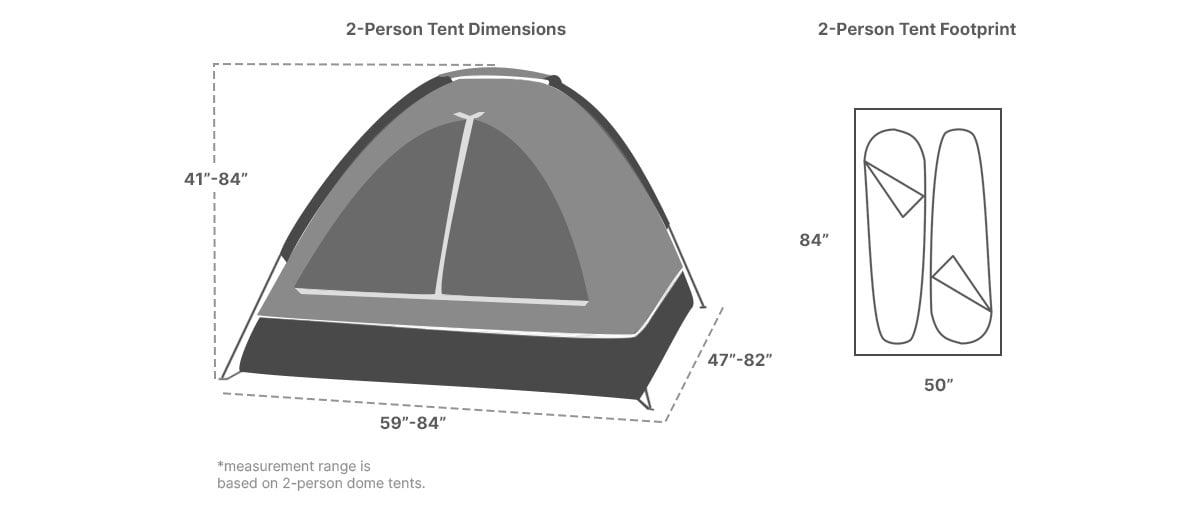
Start by measuring the length and width of your tent floor. Use a tape measure for accuracy. Measure from edge to edge at the base, not the outer rainfly. Record the dimensions in inches or centimeters for reference. This will help you find or create a footprint that fits well.
Recommended Size Margins
Choose a footprint slightly smaller than your tent floor. About two inches less on each side works well. A smaller footprint prevents water from collecting under your tent. Avoid footprints that extend beyond the tent edges, as they can trap rainwater. Folding extra material under can fix minor size issues.
Material Considerations
Select a durable, waterproof material for your footprint. Common options include ripstop nylon and polyester with a waterproof coating. The material should resist tears and abrasions from rocks and sticks. Lightweight fabrics are better for backpacking. Heavy-duty materials suit car camping and rough terrains.
Store-bought Vs Custom
Store-bought footprints offer convenience and standard sizes. They are usually made to fit popular tent models. Custom footprints allow exact sizing and preferred materials. You can sew your own or order a tailored footprint. Custom options may cost more but provide a perfect fit and extra protection.
Credit: www.sportsmans.com
Footprints Vs Tarps
Choosing between footprints and tarps is a common question for campers. Both protect your tent floor from rough ground and moisture. Each option offers unique benefits and drawbacks. Understanding their differences helps you select the right gear for your trip.
Durability Differences
Footprints are made from tough, tear-resistant fabric. They match your tent’s floor material for extra protection. Tarps come in various materials, some less durable than footprints. Thin tarps can tear easily on sharp rocks or sticks.
Footprints resist wear better over time. Tarps may need replacement more often if used directly under tents. Durability depends on material quality for both options.
Fit And Coverage
Footprints fit your tent floor exactly or slightly smaller. This prevents water from pooling under the tent edges. Tarps are usually larger or irregularly shaped. They do not fit the tent floor perfectly.
A footprint’s precise fit helps keep dirt and water away. Tarps can offer extra coverage around the tent but may trap water if too big. Proper size matters for both footprints and tarps.
Weight And Packability
Footprints are lightweight and designed to pack small. They add minimal weight to your backpack. Tarps vary in weight and pack size depending on fabric type.
Ultralight tarps are popular for minimalist campers. Some tarps pack smaller than footprints but may sacrifice durability. Choose based on your weight preference and trip length.
Setting Up Your Footprint
Setting up your tent footprint correctly helps protect your tent floor from damage. It also keeps moisture and dirt away. A well-laid footprint extends your tent’s life and improves comfort during camping.
Follow simple steps to ensure your footprint fits and stays in place. This guide covers attachment methods, securing with stakes, and aligning with the tent floor.
Attachment Methods
Many footprints come with attachment points like buckles or loops. Connect these points to your tent’s corresponding clips or straps. This keeps the footprint from slipping around inside the tent. If your footprint lacks attachment points, use small clips or bungee cords to secure it.
Securing With Stakes
Place stakes through the footprint’s corners to hold it firmly on the ground. This prevents wind from lifting the footprint. Use lightweight stakes for backpacking or sturdy ones for longer trips. Make sure the footprint lies flat and taut before staking.
Aligning With Tent Floor
Lay the footprint slightly smaller than your tent floor. It should not extend beyond the edges. This prevents water from collecting under the tent. Align the footprint so it matches the shape of your tent floor closely. Folding excess edges under works if the footprint is a bit large.

Credit: www.greenbelly.co
Footprint Maintenance
Maintaining your tent footprint keeps it durable and effective. Proper care extends its life and protects your tent floor. Regular attention helps avoid damage and keeps the footprint clean. Follow simple steps to clean, repair, and store your footprint correctly.
Cleaning Tips
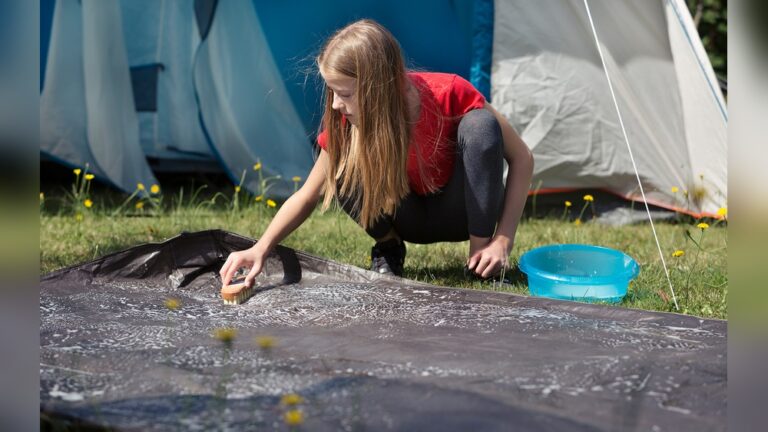
Remove loose dirt by shaking or brushing the footprint. Use a soft brush and mild soap for stains. Avoid harsh chemicals that can damage the fabric. Rinse thoroughly with clean water to remove soap. Let it air dry completely before packing.
Repairing Damage
Inspect the footprint for holes or tears after each trip. Use repair tape or patches designed for tent materials. Clean the area before applying any patch. Press firmly and let it set as per instructions. Small repairs prevent bigger problems later.
Storage Advice
Store the footprint in a cool, dry place away from sunlight. Avoid folding it tightly to prevent creases and wear. Roll or loosely fold the footprint before packing. Keep it separate from sharp objects that may cause damage. Proper storage keeps it ready for your next adventure.
Common Sizing Mistakes
Choosing the right size for your tent footprint is crucial. Many campers make simple mistakes that affect comfort and protection. Knowing common sizing errors helps you avoid damage and discomfort during your trip.
Too Large Footprints
A footprint that is too big can cause problems. It collects water like a small pond. Rainwater pools on the excess fabric and flows under the tent. This leads to wet floors and discomfort. Large footprints also create extra weight and bulk to carry. Folding the footprint under can help, but it’s better to have a closer fit.
Too Small Footprints
Small footprints do not cover the tent floor completely. This leaves parts of the tent floor exposed to rocks and dirt. Abrasion and damage to the tent floor happen faster. Moisture can seep through uncovered areas, making the tent damp inside. A footprint that is slightly smaller than the tent base is ideal, but never too small.
Ignoring Terrain Factors
Terrain plays a big role in choosing footprint size. Uneven or rocky ground needs more coverage to protect the tent floor. Soft, sandy soil may require a smaller footprint to avoid sinking or sliding. Not adjusting footprint size for terrain can cause wear or instability. Always consider ground type before selecting your footprint size.
Frequently Asked Questions
What Size Should My Tent Footprint Be?
Choose a tent footprint slightly smaller than your tent floor by about 2 inches. This prevents water pooling and protects the tent floor from abrasion. Folding excess edges works if the footprint is slightly large. Proper sizing ensures water drains away, keeping your shelter dry and insulated.
What Size Footprint Is A 4 Person Tent?
A 4-person tent footprint typically measures about 84 x 84 inches (7 x 7 feet). It should be slightly smaller than the tent floor to prevent water pooling.
Can I Just Use A Tarp As A Tent Footprint?
Yes, you can use a tarp as a tent footprint. Cut it slightly smaller than your tent floor to prevent water pooling. Tarps protect the tent floor from abrasion but may not fit perfectly like custom footprints.
How To Properly Set Up A Tent Footprint?
Place the footprint on flat ground, slightly smaller than the tent floor. Align it under the tent. Secure corners with stakes or tent loops. Ensure no excess fabric collects water. This protects the tent floor from abrasion and moisture.
Conclusion
Choosing the right footprint size protects your tent and gear effectively. A footprint slightly smaller than your tent floor helps keep water out. It also prevents dirt and damage to the tent’s bottom. Folding extra edges works if your footprint is a bit large.
Proper sizing improves comfort and extends your tent’s life. Remember, a well-fitted footprint makes camping easier and more enjoyable. Keep these simple tips in mind for your next outdoor adventure.

I am an outdoor enthusiast and gear researcher passionate about camping, hiking, backpacking, and outdoor adventures. I enjoy testing gear, comparing products, and sharing practical advice to help readers make informed decisions. At BestOutsideGear, I create honest gear reviews, buying guides, and outdoor tips to help adventurers choose the right equipment with confidence.