Maintenance Tips for Tent Footprint: Essential Care for Longevity
Your tent footprint is more than just an extra layer beneath your tent—it’s your first line of defense against rough ground, moisture, and wear. But if you don’t take care of it properly, your footprint can wear out quickly, leaving your tent floor vulnerable.
You want your gear to last through countless adventures, right? That’s why knowing the right maintenance tips for your tent footprint is essential. You’ll discover simple yet effective ways to clean, protect, and store your footprint so it stays strong and reliable every time you head outdoors.
Keep reading to make sure your tent’s foundation stays in top shape for all your future trips.
Choosing The Right Footprint
Choosing the right tent footprint is key to protecting your tent and improving your camping experience. A good footprint shields the tent floor from rocks, dirt, and moisture. It also extends the life of your tent by reducing wear and tear. Picking the proper footprint depends on several factors like material, size, and waterproof features.
Material Types
Tent footprints come in different materials such as nylon, polyester, and polyethylene. Nylon is light and strong, ideal for backpackers. Polyester is durable and resists stretching. Polyethylene is heavier but very tough and affordable. Choose a material that matches your camping style and weight needs.
Size And Fit
The footprint should fit your tent’s floor perfectly. A footprint too small leaves parts exposed to damage. Too large means extra fabric that can collect water under your tent. Measure your tent’s floor size before buying. Some footprints are custom-made for specific tent models.
Waterproof Vs. Non-waterproof
Waterproof footprints keep moisture from soaking your tent floor. This is useful on wet or muddy ground. Non-waterproof footprints mainly protect against abrasion and dirt. They are lighter and often less expensive. Consider the weather and ground conditions where you camp most.

Credit: cascadedesigns.com
Cleaning Your Footprint
Cleaning your tent footprint is essential for its longevity and performance. Dirt, mud, and moisture can damage the fabric and reduce its protective qualities. Regular cleaning keeps the footprint in good condition and ready for your next adventure.
Removing Dirt And Mud
Start by shaking off loose dirt and debris. Use a soft brush to remove stuck mud. Avoid harsh scrubbing that can tear the fabric. For tough mud, let it dry before brushing it off. This method protects the material from damage.
Gentle Washing Techniques
Fill a basin with cold water and mild soap. Avoid strong detergents or bleach. Gently scrub the footprint with a soft cloth or sponge. Focus on stained or dirty areas. Rinse thoroughly to remove all soap residues. This keeps the fabric clean without weakening it.
Drying Properly
Air dry the footprint in a shaded area. Avoid direct sunlight to prevent fading and damage. Do not use a dryer or heater. Ensure it is completely dry before storage. Proper drying prevents mold and odors from forming.
Waterproofing Tips
Keeping your tent footprint waterproof protects it from moisture and damage. Proper waterproofing extends its life and keeps your tent dry. Regular care of the waterproof coating is key to strong protection.
When To Reapply Waterproof Coating
Check your footprint before each camping trip for water absorption. If water soaks in or beads no longer form, it’s time to reapply the coating. Also, reapply after heavy use or washing. This helps maintain reliable water resistance.
Types Of Waterproof Treatments
Spray-on waterproofing is easy and quick to apply. It works well for surface protection and dries fast. Silicone-based treatments offer strong, lasting water resistance. They also add some durability against abrasion. Wax-based treatments can be used but require more effort to apply evenly.
Avoiding Over-application
Apply waterproof coating evenly in thin layers for best results. Thick layers can cause cracking or peeling over time. Let each layer dry completely before adding another. Too much treatment can reduce breathability and flexibility of the fabric.
Storage Best Practices
Proper storage of your tent footprint extends its life and keeps it ready for your next trip. Storing it correctly prevents damage and avoids unnecessary wear. Follow simple steps to keep your footprint clean, dry, and undamaged between uses.
Dry And Ventilated Areas
Always store your tent footprint in a dry place. Moisture can cause mold and mildew, which weaken the fabric. Choose a spot with good air circulation to help the footprint stay fresh. Avoid damp basements or tight plastic containers that trap humidity.
Avoiding Fold Creases
Fold creases can break down the material over time. Instead of folding the footprint in the same way every time, roll it loosely. This reduces stress on the fabric and prevents permanent marks. If folding is necessary, change the fold lines regularly.
Using Storage Bags
Use a storage bag made for tent gear to protect your footprint. A breathable fabric bag is best to avoid trapping moisture. Keep the footprint lightly packed, not compressed, to maintain its shape and strength. Label the bag to find it easily in your gear collection.
Repairing Damage
Repairing damage on your tent footprint is crucial for extending its life. Small holes or tears can quickly worsen if left untreated. Timely repairs keep the footprint strong and reliable. This section covers simple ways to fix damage and protect your gear.
Patching Holes And Tears
Start by cleaning the damaged area with water and let it dry completely. Cut a patch slightly larger than the hole or tear. Use a patch made from the same or similar material as your footprint. Apply adhesive or sew the patch firmly over the damage. Press down firmly to avoid air bubbles. Allow the patch to set before using the footprint again.
Using Repair Kits
Repair kits are handy for quick fixes on the trail. Most kits include patches, adhesive, and instructions. Choose a kit designed for tent fabrics or footprints. Follow the instructions carefully for the best results. Keep a repair kit in your camping bag for emergencies. It saves time and prevents further damage during trips.
Preventing Further Damage
Inspect your footprint regularly for signs of wear or damage. Avoid dragging it on rough surfaces to reduce tears. Store the footprint dry and folded loosely to prevent creases. Use a groundsheet or tarp under the footprint for extra protection. Proper care keeps your footprint durable and ready for many adventures.

Credit: cascadedesigns.com
Proper Setup And Use
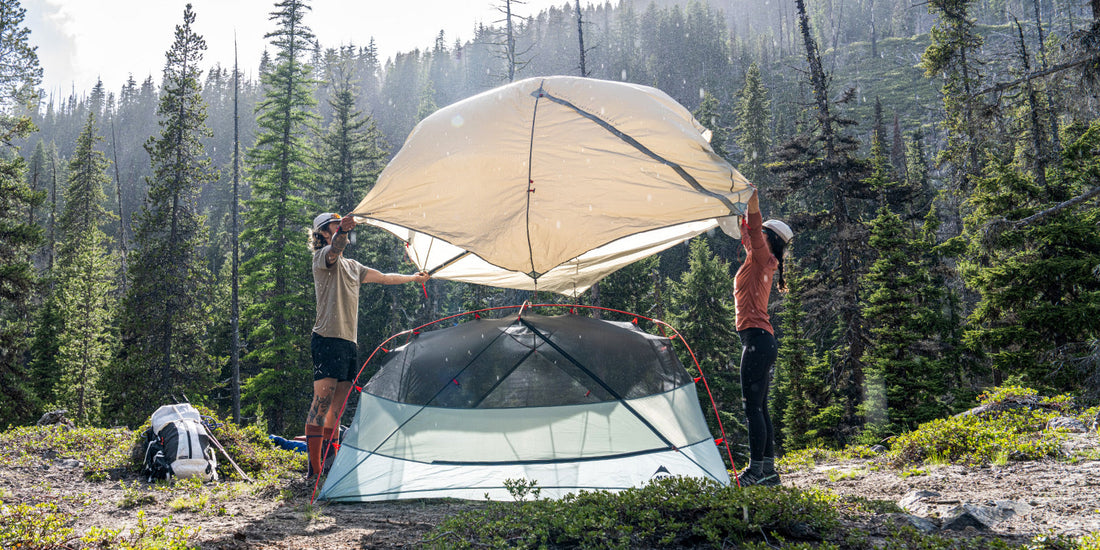
Proper setup and use of your tent footprint extend its life and improve camping comfort. Careful placement and securing prevent damage and wear. Follow simple steps to keep it effective and durable for many trips.
Peghing Down The Footprint
Secure the footprint by pegging it to the ground. This stops it from moving and bunching up under the tent. Use sturdy pegs and place them through the footprint loops. Tighten the footprint so it lays flat and smooth.
Positioning For Protection
Place the footprint exactly where the tent will sit. Align it to cover the entire tent floor area. This shields your tent from dirt, moisture, and sharp objects. Avoid letting the footprint stick out beyond the tent edges to prevent water pooling underneath.
Avoiding Abrasive Surfaces
Choose a smooth, clean ground spot to set your footprint. Remove sharp stones, sticks, and debris before laying it down. Rough surfaces cause tears and holes over time. Keeping the footprint on gentle ground helps it last longer and keeps your tent safe.
Regular Maintenance Routine
Maintaining your tent footprint regularly ensures it lasts longer and protects your tent effectively. A simple, consistent routine keeps the fabric strong and clean. It also prevents damage from dirt, moisture, and rough surfaces.
Follow these easy steps after every trip. Keep your footprint ready for the next adventure by inspecting, cleaning, and storing it properly.
Post-trip Inspection
Check your tent footprint immediately after use. Look for tears, holes, or worn spots on the fabric. Examine the edges and corners carefully. Small damages can become bigger if left unattended. Repair any issues with patches or fabric glue. Check for stuck dirt or debris that may cause abrasion.
Cleaning Schedule
Clean your footprint after every trip or when visibly dirty. Use cold water and a soft sponge or cloth. Avoid harsh soaps or detergents that can damage the material. Gently scrub to remove mud, leaves, and stains. Let it dry completely in shade before packing. Never use a washing machine or dryer. This keeps the fabric strong and waterproof.
Long-term Care Tips
Store your footprint in a cool, dry place away from sunlight. Avoid folding it in the same way every time to prevent creases. Occasionally air it out to prevent mold and mildew. Reapply waterproof spray once or twice a year to maintain water resistance. Replace your footprint if it becomes very worn or damaged. Proper care extends its life and protects your tent floor effectively.
Credit: cascadedesigns.com
Frequently Asked Questions
How To Properly Use A Tent Footprint?
Place the footprint under your tent to protect the floor from abrasion and moisture. Secure it with stakes or tent buckles. Keep it clean and dry before storage to prolong lifespan. Avoid covering footprint edges beyond tent boundaries to prevent water pooling.
Use a footprint matching your tent size for best fit.
Do You Peg Down A Tent Footprint?
Yes, pegging down a tent footprint helps position your tent accurately and protects the groundsheet from damage.
Should A Tent Footprint Be Waterproof?
A tent footprint should be waterproof to protect the tent floor from moisture and damage. Waterproofing prevents sogginess and keeps the footprint lightweight.
How Often Should You Seal Your Tent?
Seal your tent every 1-2 years or after heavy use to maintain waterproof protection. Check seams annually for wear.
Conclusion
Proper care keeps your tent footprint strong and lasting longer. Clean dirt and debris gently after every trip. Always dry it fully before storing to avoid mold. Store your footprint in a cool, dry place away from sunlight. Check for tears or holes regularly and repair them promptly.
These simple steps protect your tent and improve camping comfort. A well-maintained footprint saves money and hassle over time. Keep your gear ready for many adventures ahead.

I am an outdoor enthusiast and gear researcher passionate about camping, hiking, backpacking, and outdoor adventures. I enjoy testing gear, comparing products, and sharing practical advice to help readers make informed decisions. At BestOutsideGear, I create honest gear reviews, buying guides, and outdoor tips to help adventurers choose the right equipment with confidence.