Travel Tips for Tent Footprint: Essential Hacks for Perfect Camping
Are you gearing up for your next camping adventure and wondering if a tent footprint is really worth it? You might think it’s just an extra piece of gear, but using a tent footprint can make a huge difference in protecting your tent floor and making your trip more comfortable.
Imagine setting up your tent on rocky or wet ground without worrying about tears or leaks. Sounds great, right? You’ll discover practical travel tips for choosing, using, and caring for your tent footprint. By the time you finish reading, you’ll know exactly how to keep your tent in top shape no matter where your travels take you.
Let’s dive in and make your camping experience smoother and more enjoyable!
Credit: www.rei.com
Benefits Of Tent Footprints
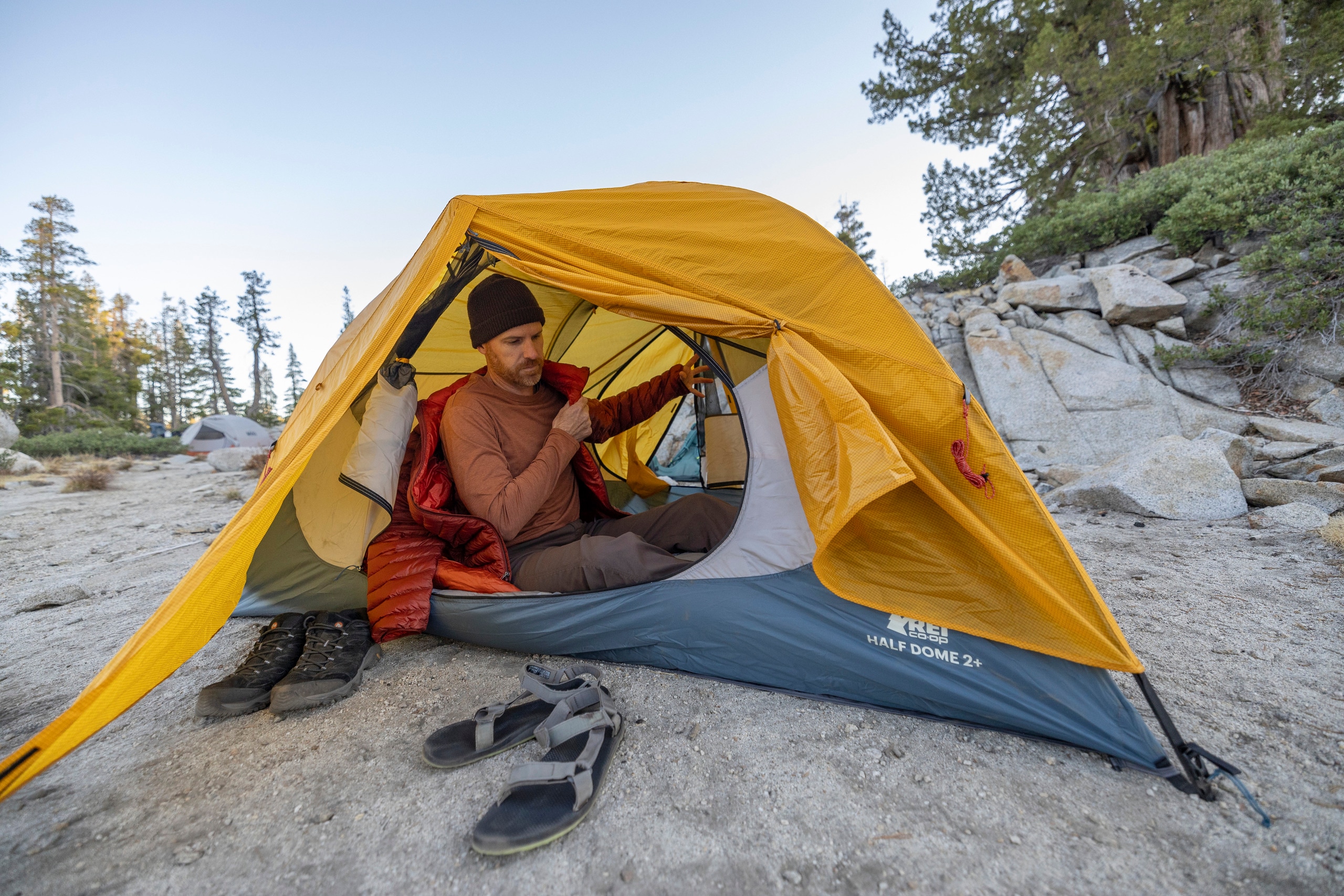
Tent footprints offer several important benefits for campers. They act as a protective layer between your tent and the ground. This small addition can save your tent from damage and dirt. Using a footprint helps keep your tent cleaner, drier, and in better condition over time. Here are some key advantages of using a tent footprint.
Protecting Tent Floor
A tent footprint shields the bottom of your tent from sharp rocks and sticks. It reduces wear caused by rough or uneven ground. This protection prevents holes and tears, which can ruin your tent floor. It also keeps dirt and mud from sticking to your tent. A clean tent floor makes camping more comfortable and helps maintain the tent’s condition.
Improving Tent Longevity
Using a footprint extends the life of your tent. It takes the brunt of ground abrasion and moisture exposure. This reduces stress on the tent fabric and seams. Over time, a footprint helps prevent damage that leads to costly repairs or replacements. A well-maintained tent saves money and ensures reliable shelter on future trips.
Enhancing Waterproofing
A footprint adds an extra barrier against water seeping into your tent. It keeps moisture from the ground from soaking through the tent floor. This extra layer helps keep the interior dry during rain or dew. Staying dry inside your tent improves comfort and protects your gear. A tent footprint is a simple way to boost your tent’s waterproof abilities.

Credit: www.battlbox.com
Choosing The Right Footprint Material
Choosing the right footprint material is important for tent protection and comfort. A footprint acts as a barrier between the tent floor and the ground. It prevents damage from rocks, sticks, and moisture. The material you select affects the weight, durability, and pack size of your gear. Understanding different materials helps you pick the best option for your trip.
Polycryo And Tyvek Options
Polycryo is a thin, tough plastic often used for tent footprints. It resists water and tears well. Tyvek is another popular choice made from spun polyethylene fibers. It is lightweight and strong. Both materials offer good protection against rough surfaces. Polycryo is usually cheaper, while Tyvek is more durable and slightly heavier.
Lightweight Alternatives
Ultralight campers prefer materials that save weight and space. Some use silnylon or cuben fiber as footprint materials. These fabrics are water-resistant and very light. They fold small and fit easily in a backpack. Lightweight footprints may cost more but reduce carrying burden on long hikes. Choose based on how much weight you can carry comfortably.
Durability Vs. Weight
Durability and weight often trade off in footprint materials. Heavy-duty fabrics last longer and protect better. They can resist tears and abrasion from rough terrain. Lighter materials reduce pack weight but may wear out faster. Consider how often you camp and the ground conditions. For rocky areas, choose durable material. For short trips on soft ground, lighter options work well.
Setting Up Your Tent Footprint
Setting up your tent footprint correctly protects your tent floor from damage. It adds an extra layer between the ground and your tent. This simple step increases your tent’s life and comfort. Follow these tips to set your footprint with ease and precision.
Aligning Footprint With Tent
Lay the footprint flat on the ground. Make sure it matches the tent’s shape exactly. Align corners and edges carefully to cover the entire tent floor. Avoid folding or bunching the footprint under the tent. Proper alignment prevents wear and keeps moisture away.
Securing Footprint With Stakes
Use stakes to fix the footprint in place before pitching the tent. Insert stakes through the footprint’s corner grommets or loops. Pull the footprint tight to avoid wrinkles. Firm stakes keep the footprint steady, stopping it from shifting underfoot. This makes setup faster and safer.
Attaching Buckles And Loops
Some footprints have buckles or loops to attach to the tent. Connect these buckles to the tent’s corresponding points. This keeps the footprint and tent together during wind or movement. Loops and buckles prevent sliding and protect the tent floor better. Check that all attachments are secure before use.
Footprint Alternatives And Diy Options
Choosing the right footprint for your tent protects it from rough ground and moisture. Some campers prefer alternatives or DIY options to save money and reduce weight. These choices still offer good protection and extend your tent’s life. Here are simple ideas for footprint alternatives and how to make your own.
Using Tarps And Ground Sheets
Tarps and ground sheets provide a cheap, lightweight base under your tent. They shield the tent floor from rocks, sticks, and dirt. Choose a tarp slightly smaller than your tent’s footprint to avoid water collecting underneath. Nylon or polyethylene tarps work best for durability and water resistance. Fold or cut them to fit your tent shape exactly. This method saves weight and space in your pack.
Repurposing Window Wrap Plastic
Window wrap plastic is a strong, thin material often used for insulation. It works well as a tent footprint alternative. This plastic is water-resistant and tough enough to handle rough terrain. Cut it to match your tent’s floor size. It’s lightweight and packs small, ideal for backpackers. Using repurposed materials helps reduce waste and keeps costs low.
Crafting Custom Footprints
Custom footprints fit your tent perfectly and can be made with simple materials. Use silnylon or waterproof fabric for durability and water resistance. Sew or tape the edges to prevent fraying. Add grommets or loops to secure the footprint to your tent stakes. Tailoring your footprint saves weight and improves protection. It also allows you to choose colors and fabrics that suit your style.
Packing And Caring For Your Footprint
Proper packing and caring for your tent footprint extends its life and keeps it ready for every trip. A footprint protects the tent floor from rough ground and moisture. Treat it well to maintain its strength and usefulness. Follow simple steps to fold, clean, and store your footprint after each use.
Folding And Rolling Techniques
Lay the footprint flat and remove any dirt or debris first. Fold it neatly along its natural creases to reduce wrinkles. Avoid tight, sharp folds that can cause damage over time. Roll the footprint loosely from one end to the other. Use straps or ties to keep it secure and compact. This method saves space and prevents damage.
Cleaning And Maintenance Tips
Brush off loose dirt before cleaning the footprint. Use lukewarm water and mild soap to clean stubborn spots. Avoid harsh chemicals or strong detergents that can weaken the fabric. Rinse thoroughly to remove soap residue. Let the footprint air dry completely before packing it away. Check for small tears and repair them promptly to avoid bigger problems.
Storage Recommendations
Store the footprint in a dry, cool place away from direct sunlight. Avoid leaving it folded for long periods to prevent permanent creases. Use a breathable storage bag or container to allow air circulation. Keep it separate from sharp objects that can puncture the material. Regularly inspect the footprint during storage to ensure it stays in good condition.
When To Skip The Footprint
Deciding whether to use a tent footprint depends on your travel style and camping conditions. Skipping the footprint can save weight and simplify your setup. Knowing when not to use one helps you pack smarter and move faster.
Many campers carry footprints for extra protection. Yet, some trips benefit from leaving it behind. Consider your gear, terrain, and weather before choosing.
Minimalist Backpacking Considerations
Minimalist backpackers often skip the footprint to reduce weight. Every ounce counts on long hikes. The footprint adds bulk and weight to your pack. If your tent floor is durable, you might not need extra protection. Skip the footprint to save space and move quicker.
Conditions Where Footprints May Not Help
In rocky or uneven terrain, footprints offer limited protection. They can bunch up and create discomfort under the tent. Wet or muddy conditions might cause the footprint to trap water. Some footprints do not add waterproofing but only protect from abrasions. If the ground is smooth and dry, footprints might be unnecessary.
Pros And Cons Summary
Pros of skipping the footprint include less weight and simpler setup. It reduces packing volume and gear complexity. Cons include less floor protection and possible damage to the tent. Using a footprint can extend tent life and keep it clean. The choice depends on your trip style and environment.
Additional Camping Tips For Tent Protection
Protecting your tent footprint is key to extending your tent’s life. Simple actions prevent tears and wear. These tips help keep your camping gear safe and dry. Follow these to enjoy many trips without damage.
Choosing Campsite Location
Pick flat ground to avoid pressure on the tent floor. Avoid rocky or rough areas that can cut the footprint. Look for spots with grass or soft soil. Stay clear of places with sticks or sharp debris. This reduces damage and keeps your tent steady.
Using Ground Tarps Effectively
Place a tarp under your tent footprint for extra protection. Make sure the tarp is smaller or the same size as the footprint. If the tarp sticks out, rainwater can collect under your tent. Secure the tarp edges to stop it from moving. This layer blocks moisture and rough ground.
Avoiding High-friction Surfaces
Set your tent away from abrasive surfaces like gravel or sand. These cause wear by rubbing against the footprint. Move your tent if wind causes it to slide on rough ground. Use a footprint to shield the tent floor from constant friction. This keeps your tent strong and dry.

Credit: www.cabinzero.com
Frequently Asked Questions
Are Footprints Worth It For Tents?
Footprints protect tents from abrasion, moisture, and dirt, extending tent life. They add lightweight waterproofing and improve campsite comfort. For frequent campers, footprints offer great value.
What To Use Instead Of Tent Footprint?
Use ultralight groundsheets like Tyvek home wrap or Polycryo plastic as tent footprint alternatives. Window insulation wrap also works well.
How To Properly Use A Tent Footprint?
Place the footprint on the ground before pitching your tent. Align it with the tent’s floor size. Secure corners with stakes or tent loops. Attach buckles if available to connect it with the tent fly. This protects your tent floor from damage and moisture.
How To Pack A Tent For A Flight?
Fold the tent body and fly neatly. Place poles together, then roll the tent tightly around poles. Start rolling from the rain fly top to avoid trapped air. Secure the roll in the pole sack for easy carrying on a flight.
Conclusion
A tent footprint protects your tent floor from damage and moisture. It adds an extra layer between your tent and the ground. Using a footprint extends your tent’s life and comfort. Choose the right size and material for your tent.
Always set up your footprint carefully to avoid water pooling. Remember, a simple footprint can make camping easier and more enjoyable. Keep your camping gear safe and dry with these easy tips. Enjoy your outdoor adventures with confidence and comfort.

I am an outdoor enthusiast and gear researcher passionate about camping, hiking, backpacking, and outdoor adventures. I enjoy testing gear, comparing products, and sharing practical advice to help readers make informed decisions. At BestOutsideGear, I create honest gear reviews, buying guides, and outdoor tips to help adventurers choose the right equipment with confidence.