How to Use Multi-Fuel Stove: Ultimate Guide for Efficiency & Safety
If you want to enjoy cozy warmth and efficient heating, learning how to use your multi-fuel stove properly is key. Whether you’re new to this versatile heating option or looking to improve your technique, understanding the right steps can save you time, fuel, and effort.
Imagine having a fire that lights easily, burns cleanly, and keeps your space comfortable for hours. In this guide, you’ll discover simple, practical tips to get your multi-fuel stove working perfectly every time. Ready to make the most of your stove and enjoy its full benefits?
Keep reading to learn exactly how to use your multi-fuel stove with confidence.
Choosing Fuel Types
Choosing the right fuel for your multi-fuel stove is key to safe and efficient heating. Different fuels burn in different ways. Picking the right fuel helps your stove work better and last longer. It also affects the heat output and the amount of smoke produced. Understanding the types of fuel and their benefits will help you enjoy your stove more.
Wood Vs Smokeless Coal
Wood is a natural fuel that burns with a bright flame. It gives a cozy feel and a pleasant smell. Wood burns faster and needs frequent refueling. Smokeless coal burns slowly and produces more heat. It creates less smoke and fewer sparks. Smokeless coal is good for longer, steady heat. Wood is better for quick warmth and ambiance.
Benefits Of Mixed Fuels
Using a mix of wood and smokeless coal can improve stove performance. Coal helps keep the fire hot for longer. Wood helps start the fire quickly and adds a nice flame. Mixing fuels can reduce smoke and soot. It also helps prevent tar build-up inside the stove. This mix saves fuel and keeps the stove cleaner.
Avoiding Unapproved Materials
Only use fuels approved for your stove. Burning unapproved materials can damage the stove. It also causes harmful fumes and heavy smoke. Avoid burning plastics, treated wood, or rubbish. These materials create toxic gases and dangerous residue. Stick to clean, dry wood and certified smokeless coal. This protects your health and stove.

Credit: firemaplegear.com
Preparing The Stove
Preparing your multi-fuel stove correctly ensures safe and efficient use. A well-prepared stove burns fuel better and lasts longer. Take time to check and clean key parts before lighting your fire.
Cleaning The Firebox
Remove old ashes and debris from the firebox. Use a small shovel or brush to clear it out. A clean firebox helps air flow and improves burning. Check the walls for any soot build-up and wipe if needed.
Checking The Grate And Ashpan
Look at the grate inside the stove. Make sure it is not damaged or blocked. A clear grate allows air to reach the fuel. Empty the ashpan below the grate to avoid ash build-up. Replace it securely before lighting your fire.
Inspecting Air Vents
Check all air vents on your stove. Make sure they open and close smoothly. Clean any dust or soot that blocks them. Proper air flow controls how well the fire burns. Keep vents open when lighting and adjust as the fire grows.
Lighting The Fire
Lighting the fire in a multi-fuel stove is the first step to a warm, cozy room. It needs care and attention for a strong, steady flame. A good fire starts with proper preparation and technique. Follow these simple steps to light your stove safely and efficiently.
Arranging Firelighters
Place firelighters in the center of the stove base. Use two or three small firelighters for best results. Surround them with kindling sticks, arranged in a crisscross pattern. This allows air to flow and helps the fire catch quickly. Avoid overpacking the stove with fuel at this stage.
Opening Air Vents Fully
Open all air vents completely before lighting the fire. This increases airflow, making the firelighter burn hotter. Good air supply helps the fuel ignite faster and burn cleaner. Keep vents open until the fire is burning well and the flames are steady. Then adjust vents to control the burn.
Using The Door Crack Method
Light the firelighters and close the stove door just a little. Leave a small gap to let fresh air in. This gap helps the fire get enough oxygen to grow strong. Watch the flames through the crack and keep the door slightly open until the fire is stable. Close the door fully once the fire is burning well.
Maintaining The Fire
Keeping the fire steady in a multi-fuel stove is key to efficient heating. Proper fire maintenance ensures warmth and safety. It also helps save fuel and reduce smoke.
Adjusting Air Flow
Air controls regulate the fire’s strength. Open vents allow more oxygen, making flames burn hotter. Closing vents slows the burn and saves fuel. Adjust the air flow slowly to avoid smothering the fire. Watch the flames change as you move the controls.
Adding Fuel Safely
Always add fuel carefully to keep the fire stable. Open the stove door slowly to prevent smoke escaping. Add small amounts of fuel at a time. Use dry wood or approved fuels for best results. Close the door fully after adding fuel to maintain airflow.
Monitoring Burn Rate
Check the fire regularly to keep it burning well. Too fast means wasting fuel and more ash. Too slow causes smoke and poor heat. Adjust air flow and add fuel as needed. A steady, bright fire gives the best warmth and fuel use.
Maximizing Efficiency
Maximizing the efficiency of your multi-fuel stove saves fuel and keeps your home warm longer. Proper techniques help you get the most heat from each burn. Understanding key factors like moisture in logs, heat output, and avoiding overfiring makes a big difference. Follow these tips to improve stove performance and reduce waste.
Managing Moisture In Logs
Use dry logs with moisture below 20%. Wet wood burns poorly and produces less heat. Store logs in a dry, ventilated place for at least six months. Split large logs to speed up drying. Dry logs create a cleaner fire and reduce smoke and creosote buildup. This keeps your stove cleaner and safer to use.
Optimizing Heat Output
Start with small kindling to get a strong flame quickly. Add larger logs gradually to keep the fire steady. Control air vents to supply enough oxygen for burning. Too little air causes smoke; too much cools the fire. Adjust vents as the fire grows to maintain a bright, hot flame. A steady fire heats the room efficiently and uses less fuel.
Avoiding Overfiring
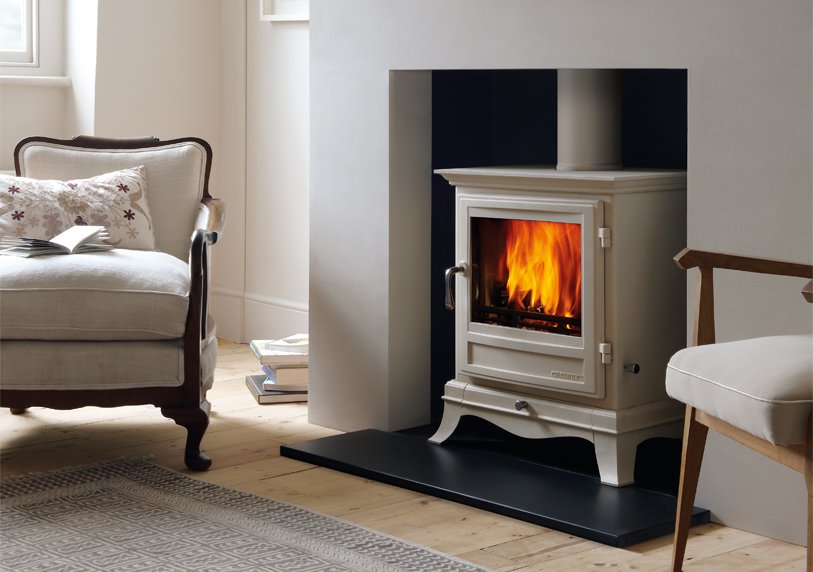
Do not overload the stove with fuel. Too much fuel blocks airflow and causes poor burning. Overfiring can damage stove parts and chimney. Watch the flame size; it should be bright but not too high. Use the correct air settings to control the fire’s intensity. Maintaining a balanced fire protects your stove and increases its lifespan.
Credit: chesneys.co.uk
Ensuring Safety
Using a multi-fuel stove safely protects your home and family. Safety helps prevent accidents and fire hazards. Follow simple steps to keep your stove secure and efficient.
Using Stove Guards
Stove guards create a barrier around the stove. They stop children and pets from touching hot surfaces. Guards also help avoid accidental burns and injuries. Install a guard that fits your stove size. Check it regularly for stability and wear.
Proper Ventilation
Good ventilation removes smoke and harmful gases. Always keep vents open during stove operation. Ensure air flows freely through the room. Use extractor fans if needed to improve air movement. Proper ventilation reduces the risk of carbon monoxide buildup. Test your carbon monoxide detector regularly.
Regular Chimney Sweeping
Chimneys collect soot and creosote from burning fuel. These deposits can cause dangerous chimney fires. Schedule chimney sweeping at least once a year. More frequent cleaning may be needed if you use the stove often. Hire a professional chimney sweep for safe, thorough cleaning. Clear chimneys improve stove efficiency and reduce fire risks.
Troubleshooting Common Issues
Troubleshooting common issues in a multi-fuel stove helps keep it running safely and efficiently. Small problems can reduce heat output or cause smoke inside your home. Understanding basic fixes saves time and keeps your stove working well. This guide covers three frequent problems and simple ways to solve them.
Smoke Backflow
Smoke backflow happens when smoke moves back into the room. It often occurs due to poor ventilation or a blocked chimney. Check that the chimney is clear of debris and soot. Open a window slightly to improve airflow before lighting the stove. Make sure the stove door is fully closed during use. Avoid overloading the stove with fuel as this can cause smoke to escape. Regular chimney cleaning helps prevent smoke backflow.
Poor Combustion
Poor combustion means the fire burns weakly or produces too much smoke. It can result from damp fuel or restricted air supply. Use dry, well-seasoned wood and approved fuels only. Keep the air vents open enough to feed the fire with oxygen. Clean the grate and ashpan regularly to allow air flow under the fuel. Avoid closing all vents too soon after lighting, as this starves the fire of air. Good combustion saves fuel and keeps the stove hot.
Clogged Flue Problems
A clogged flue blocks smoke and gases from leaving the stove. This causes poor burning and can be dangerous. Look for soot buildup or nests inside the flue pipe. Hire a professional chimney sweep to clean the flue at least once a year. Inspect the flue for cracks or damage that may trap soot. Remove ash from the stove regularly to prevent blockages. Keep burning only recommended fuels to reduce creosote buildup.

Credit: www.youtube.com
Routine Maintenance
Routine maintenance keeps your multi-fuel stove working safely and efficiently. Regular care prevents damage and extends the stove’s life. It also helps maintain good air quality in your home. Follow these simple steps to keep your stove in top condition.
Cleaning Ash Regularly
Remove ash from the stove after every use. Ash blocks airflow and reduces heating efficiency. Use a metal container to collect and dispose of ashes safely. Avoid leaving ash buildup inside the firebox for too long. Keep the grate clean to allow proper air circulation.
Inspecting Seals And Gaskets
Check door seals and gaskets every few weeks. Worn or damaged seals let smoke escape and reduce heat output. Replace any cracked or hardened gaskets quickly. A good seal keeps the stove airtight and burning clean. Use a soft cloth to clean the seals and check for gaps.
Professional Servicing Tips
Schedule a professional inspection once a year. Experts clean hard-to-reach parts and check the chimney. They identify hidden issues before they become serious problems. Professional service ensures your stove meets safety standards. Always use a certified technician for thorough maintenance.
Frequently Asked Questions
What Is The Best Way To Use A Multi-fuel Stove?
Light firelighters directly and keep air vents fully open for airflow. Add fuel gradually to maintain a steady burn. Adjust vents based on fuel type to control heat and smoke efficiently. Clean regularly to prevent tar buildup and ensure safe operation.
Should The Grate Be Open Or Closed On A Multi-fuel Stove?
Keep the grate open during lighting to allow airflow. Close it when burning wood only. For other fuels, keep it at least half open.
What Is The Best Thing To Burn In A Multifuel Stove?
The best fuel for a multifuel stove is a mix of dry firewood and smokeless coal. This combination burns hotter and reduces tar buildup. Always use well-seasoned wood to ensure efficient, clean combustion and prolong stove life. Avoid wet or green wood to prevent smoke and creosote.
Can I Just Burn Wood In A Multi-fuel Stove?
Yes, you can burn wood in a multi-fuel stove. It handles logs like a wood-burning stove but also burns other fuels.
What Fuels Can I Use In A Multi-fuel Stove?
You can burn wood, coal, peat, and smokeless fuels in a multi-fuel stove. This flexibility helps you choose the best fuel for your needs and availability.
Conclusion
Using a multi-fuel stove is simple and practical. Start with dry fuel and good airflow. Keep vents open during lighting to help the fire grow. Add fuel slowly to maintain heat. Clean the stove regularly to avoid buildup. Always follow safety tips to prevent accidents.
Enjoy the warmth and efficiency your stove provides. With proper care, it will serve you well for years.

I am an outdoor enthusiast and gear researcher passionate about camping, hiking, backpacking, and outdoor adventures. I enjoy testing gear, comparing products, and sharing practical advice to help readers make informed decisions. At BestOutsideGear, I create honest gear reviews, buying guides, and outdoor tips to help adventurers choose the right equipment with confidence.