How to Choose Multi-Fuel Stove: Ultimate Guide for Smart Buyers
Choosing the right multi-fuel stove can transform your home into a cozy, warm haven. But with so many options available, how do you know which one fits your needs perfectly?
Whether you want to heat a small room or a large living space, your choice affects comfort, efficiency, and even your budget. In this guide, you’ll discover simple tips to pick a stove that matches your space, style, and fuel preferences.
Keep reading to find out how to make a smart decision that keeps you warm and happy all year round.
Credit: dovre.co.uk
Types Of Multi-fuel Stoves
Multi-fuel stoves come in various types, each designed to meet different needs. Choosing the right one depends on your home’s style and heating requirements. Understanding the main types helps you make a better decision.
Most multi-fuel stoves are made from either cast iron or steel. Their design styles also range from classic to modern. These factors affect the stove’s look, heat efficiency, and durability.
Cast Iron Vs Steel
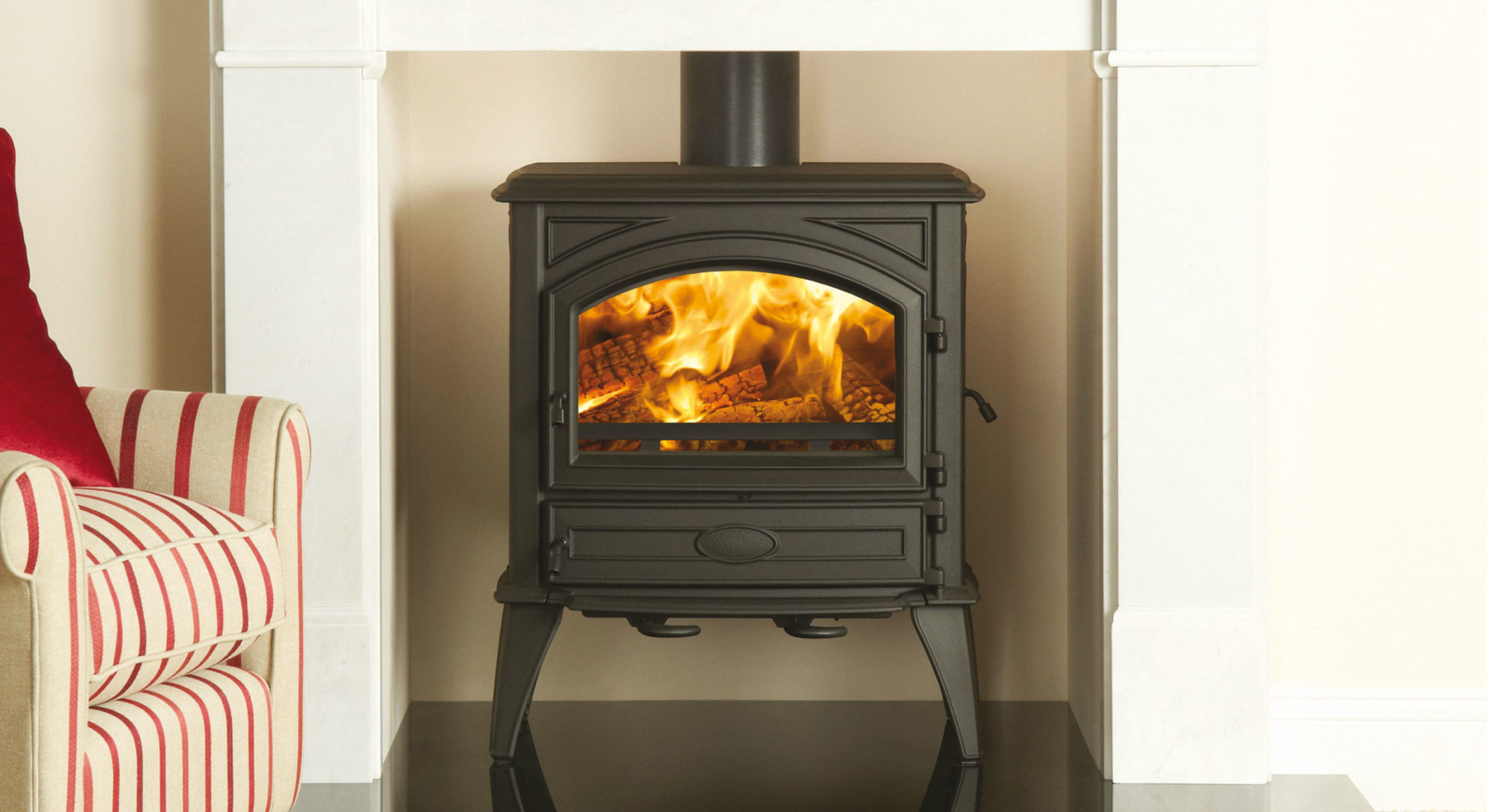
Cast iron stoves are heavy and strong. They hold heat for a long time, even after the fire dies down. This makes them very efficient for steady warmth.
Steel stoves heat up faster but cool down quicker too. They tend to be lighter and often come in sleek, modern shapes. Steel stoves suit homes that want quick, adjustable heat.
Your choice between cast iron and steel depends on how you use the stove and your style preference.
Contemporary Vs Traditional Designs
Traditional multi-fuel stoves have a classic, rustic look. They fit well in country-style or older homes. These designs often feature ornate details and a timeless feel.
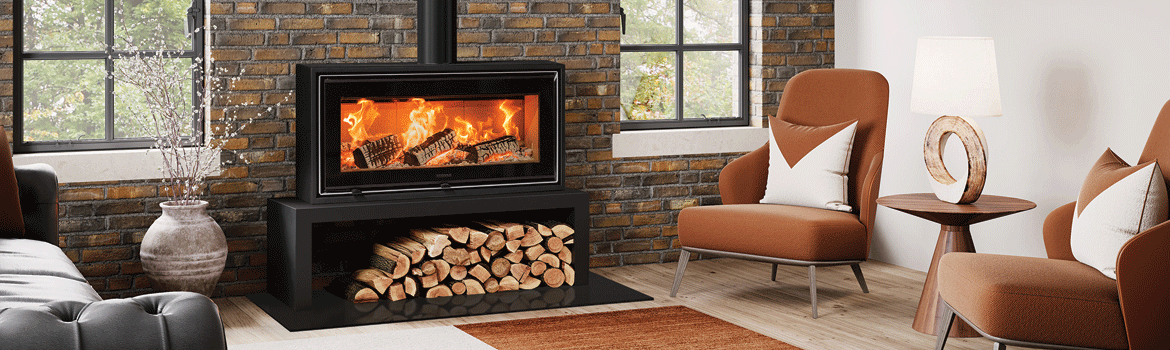
Contemporary stoves offer clean lines and minimal designs. They match modern interiors and often use steel as a material. These stoves focus on simplicity and efficiency.
Select the design that best complements your home’s décor and your personal taste.
Credit: www.stovax.com
Fuel Options
Choosing the right fuel for your multi-fuel stove is vital. Different fuels burn in unique ways. Each type affects heat output, ease of use, and stove maintenance. Understanding fuel options helps pick the best stove for your needs.
Wood
Wood is a popular fuel for multi-fuel stoves. It produces a warm, natural heat and a pleasant aroma. Use dry, seasoned wood for best results. Wet wood creates smoke and less heat. Wood logs are easy to find and affordable in many areas.
Smokeless Fuels
Smokeless fuels burn cleanly with less smoke and ash. They are ideal for areas with strict smoke control rules. These fuels include coal-based briquettes and compressed wood products. Smokeless fuels burn longer and produce steady heat. They need proper air control to burn efficiently.
Other Fuel Types
Multi-fuel stoves can burn other fuels like peat, charcoal, and manufactured fuels. Peat is traditional but less common today. Charcoal burns hot and clean but can be expensive. Manufactured fuels offer convenience and consistent heat. Always check your stove’s manual for approved fuels.
Sizing Your Stove
Choosing the right size for your multi-fuel stove is key to effective heating. A stove too large can waste fuel and overheat the room. A stove too small may not warm the space adequately. Understanding your room size and heat needs helps find the perfect fit.
Room Size Considerations
Measure your room’s length, width, and height to find the volume. Larger rooms require stoves with higher heat output. Small rooms need smaller stoves to avoid overheating. Also, consider how well your room retains heat. Rooms with poor insulation might need a bigger stove.
Heat Output Requirements
Heat output is measured in kilowatts (kW). Calculate the kW needed by dividing your room volume by 14. For example, a 70 cubic meter room needs about 5 kW. Extra factors like cold climates or high ceilings may increase heat needs. Choose a stove with adjustable settings to control heat output easily.
Credit: zlinekitchen.com
Key Features To Look For
Choosing the right multi-fuel stove means focusing on key features. These features affect how well the stove works and fits your needs. Paying attention to heat retention, air control systems, and ease of operation helps make a smart choice. Here is what to consider about each feature.
Heat Retention
Heat retention means how long the stove keeps the room warm. Cast iron stoves hold heat longer than steel ones. This helps keep your space cozy even after the fire dies down. Good heat retention saves fuel and keeps the room comfortable. Choose a stove with strong heat retention for better warmth and efficiency.
Air Control Systems
Air control systems manage how much air reaches the fire. Proper controls help the fire burn well and cleanly. They also allow you to adjust the flame size and heat output. Look for stoves with easy-to-use air controls. This feature improves fuel use and reduces smoke and ash.
Ease Of Operation
A stove should be simple to use and maintain. Easy operation means less hassle adding fuel and adjusting settings. Look for stoves with clear instructions and smooth mechanisms. This makes daily use safer and more enjoyable. A well-designed stove saves time and effort.
Installation And Placement
Installing and placing a multi-fuel stove correctly is vital for its performance and safety. Proper setup ensures efficient heating and reduces risks. Think about the space, air flow, and safe distances before installing your stove. These factors impact both comfort and compliance with building rules.
Space Requirements
Measure the area where you want to put the stove. The stove should fit well without crowding the room. Leave enough room around for maintenance and fuel storage. Consider the stove size based on the room’s heating needs. A too-large stove wastes fuel. A too-small stove may not heat enough.
Ventilation Needs
Multi-fuel stoves need good air flow to burn fuel cleanly. Make sure the room has enough fresh air. Check for vents or windows that can open. Poor ventilation causes smoke and harmful gases to build up. This can be dangerous and reduce stove efficiency. Use a carbon monoxide alarm for safety.
Safety Clearances
Keep the stove away from walls and furniture. Follow the manufacturer’s guidance on safe distances. Use heat-resistant materials like hearths or fireproof boards. Clearances prevent fire hazards and heat damage. Never block the stove’s air vents or flues. Safety clearances protect your home and family.
Cost Factors
Understanding the cost factors is crucial when choosing a multi-fuel stove. This helps you plan your budget clearly and avoid surprises. Costs go beyond just buying the stove. Consider ongoing expenses to manage your investment well.
Initial Investment
The first cost is the price of the stove itself. Multi-fuel stoves often cost more than single-fuel options. Prices vary by size, brand, and material. Cast iron stoves usually cost more than steel ones. Installation charges add to the initial cost. A proper chimney or flue system might also be needed.
Fuel Storage Costs
Multi-fuel stoves use different fuels like wood, coal, or pellets. You need space to store these fuels safely. Proper storage prevents moisture and keeps fuel dry. Dry fuel burns more efficiently and reduces smoke. Storage containers or sheds may require an extra budget. Location and size of storage affect cost too.
Maintenance Expenses
Regular maintenance keeps your stove safe and efficient. Cleaning the stove and chimney is essential to avoid blockages. Some parts may wear out and need replacement over time. Annual inspections by professionals are recommended. Maintenance costs vary depending on stove type and usage. Budgeting for upkeep saves money in the long run.
Pros And Cons
Choosing a multi-fuel stove means weighing its benefits and drawbacks. This helps you decide if it suits your home and lifestyle. Understanding the pros and cons can make your choice easier and more informed.
Advantages Of Multi-fuel Stoves
Multi-fuel stoves can burn different types of fuel, such as wood, coal, and peat. This flexibility allows you to use what is available or affordable. They often provide strong heat output, warming rooms quickly and effectively.
These stoves are built to last, usually made from cast iron or steel. Cast iron stoves hold heat longer, even after the fire goes out. Steel stoves heat up faster and often have a modern look. Multi-fuel stoves also give you control over the flame, helping to save fuel and manage warmth.
Common Drawbacks
Multi-fuel stoves can cost more upfront compared to single-fuel models. They need more care and knowledge to operate well because air controls must be adjusted for different fuels. This can be tricky for beginners.
Fuel storage may become a problem since you must store several types of fuel. This can take up space and require extra effort to keep dry and ready. Cleaning is also more demanding, as burning coal or other fuels produces more ash and soot.
Top Brands And Models
Choosing the right multi-fuel stove means knowing which brands and models deliver quality and reliability. Top brands offer stoves that suit different needs, styles, and budgets. Understanding popular models helps make a smart choice that lasts for years.
These stoves vary in materials, size, and fuel efficiency. Some focus on traditional designs, while others have modern looks. Exploring trusted brands ensures you find a stove that fits your home perfectly.
Popular Choices
Many buyers trust brands like Stovax, Esse, and Morso. These names have a strong reputation for durability and performance. Their stoves often use cast iron or steel, offering excellent heat retention.
Models like the Stovax Vogue, Esse 500, and Morso 3110 are favorites. They combine good airflow control and easy maintenance. These stoves work well with wood and solid fuels, making them versatile for any home.
Customer Favorites
Users often praise stoves that heat rooms quickly and evenly. The Hunter Herald 5 and Aarrow Ecoburn are popular for this reason. Customers like their simple controls and clean burn technology.
These models also score high for style and size options. They fit both large living rooms and smaller spaces. Positive reviews highlight reliability and fuel efficiency, important for long-term use.
Tips For Smart Buying
Choosing the right multi-fuel stove takes more than just picking a style. Smart buying means thinking about your daily needs and future use. This approach saves money and avoids disappointment. Consider key factors before making your final choice.
These tips help you focus on what really matters. They guide you to a stove that fits your life and home perfectly.
Matching Stove To Lifestyle
Think about how often you will use the stove. Daily use needs a durable, easy-to-clean model. For occasional use, a simpler stove may work well. Size matters too. Large rooms need bigger stoves to heat properly. Small spaces call for compact models to avoid overpowering the room.
Consider fuel types you can access easily. Some stoves burn wood, coal, or peat. Choose one that matches your fuel availability. Also, check the stove’s heat output. It should meet your heating needs without wasting fuel.
Checking Warranty And Support
Always check the warranty before buying. A good warranty covers defects and repairs for several years. This protects your investment and gives peace of mind.
Look for brands with strong customer support. Easy access to help saves time and stress. Ask about spare parts availability. Parts should be easy to find and replace.
Read reviews from other buyers. Their experience shows how the stove holds up over time. Reliable support and warranty make a big difference in satisfaction.
Frequently Asked Questions
What Makes A Good Multi-fuel Stove?
A good multi-fuel stove offers efficient heat, easy fuel switching, durable materials like cast iron or steel, and fits your room size.
What Are The Disadvantages Of A Multi-fuel Stove?
Multi-fuel stoves cost more upfront and need space to store different fuels. They require skill to manage air controls for each fuel type.
What Size Multi-fuel Stove Do I Need?
Choose a multi-fuel stove based on your room size and heating needs. Match stove output (kW) to room volume for efficient warmth. Avoid stoves too large or small to maintain comfort and fuel efficiency.
What Is The Best Multi-fuel Burner To Buy?
The best multi-fuel burner fits your room size, heating needs, and style. Choose durable cast iron for heat retention or steel for quick heating. Popular brands include Stovax, Gazco, and MSR. Prioritize efficiency, ease of use, and fuel compatibility for optimal performance.
What Fuel Types Can A Multi-fuel Stove Burn?
Multi-fuel stoves burn wood, coal, peat, and smokeless fuels. This versatility allows you to choose fuels based on availability and cost. It also helps keep your home warm using different fuel options.
Conclusion
Choosing the right multi-fuel stove improves comfort and efficiency. Consider your room size and heating needs carefully. Think about the fuel types you can store easily. Pick a stove material that matches your style and budget. Remember, simple controls make operation easier daily.
A well-chosen stove keeps your space warm longer. Take time to compare features before deciding. This way, you enjoy safe and cozy heating all winter.

I am an outdoor enthusiast and gear researcher passionate about camping, hiking, backpacking, and outdoor adventures. I enjoy testing gear, comparing products, and sharing practical advice to help readers make informed decisions. At BestOutsideGear, I create honest gear reviews, buying guides, and outdoor tips to help adventurers choose the right equipment with confidence.