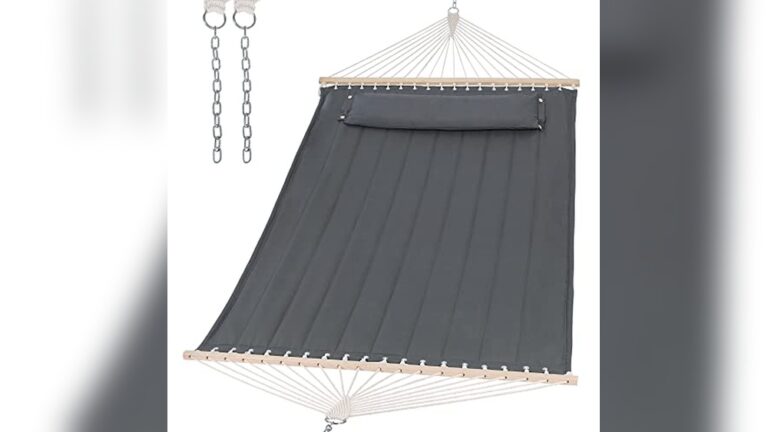
How to Pack With Camping Hammock: Ultimate Space-Saving Tips
If you love the idea of sleeping suspended between two trees, a camping hammock is your perfect companion. But do you know how to pack it properly so it stays safe, compact, and ready for your next adventure?
Packing your camping hammock the right way can save you time, protect your gear, and make your outdoor experience much more enjoyable. In this guide, you’ll discover simple, step-by-step tips to pack your hammock like a pro—whether you’re heading out for a quick weekend trip or a long trek.
Keep reading, and you’ll never struggle with your hammock pack again.
Credit: hobohammocks.com
Choosing The Right Hammock
Choosing the right hammock makes your camping trip more comfortable and enjoyable. A good hammock fits your needs and the environment. Consider the material, weight, size, and extra features. These factors affect how easy the hammock is to carry and use. Below are some important points to help you pick the best hammock for camping.
Material Options
Hammocks come in different materials like nylon, polyester, and cotton. Nylon is strong, light, and dries quickly. Polyester is also durable and resists UV rays well. Cotton feels soft but takes longer to dry and is heavier. Pick a material that suits the weather and your comfort. Quick-drying materials are best for wet or humid areas.
Weight And Size Considerations
Light hammocks save space and reduce pack weight. Backpackers prefer hammocks under two pounds. Consider packed size too; smaller is easier to carry. Bigger hammocks offer more room but take more space. Balance size and weight based on your trip length and how much gear you carry. Always check the hammock’s packed size before buying.
Built-in Features
Some hammocks include extra features like bug nets, rain tarps, or pockets. Bug nets protect against insects during warm nights. Rain tarps keep you dry in bad weather. Pockets help organize small items like phones or flashlights. These features add convenience but can increase weight. Choose features that fit your camping style and climate.
Essential Gear For Hammock Camping
Packing for hammock camping requires specific gear to ensure comfort and safety. Essential gear protects you from weather and insects. It also supports your hammock securely and keeps you warm through the night. Choosing the right items makes your camping experience enjoyable and restful. Below are key gear categories every hammock camper should consider.
Suspension Systems
Strong suspension keeps your hammock stable and safe. Use tree straps that are wide to avoid damaging trees. Carabiners should be lightweight but durable for easy setup. A ridgeline helps maintain hammock shape and supports accessories. Check that all parts are easy to pack and quick to install. Proper suspension prevents accidents and enhances comfort.
Insulation Solutions
Insulation stops heat loss and keeps you warm overnight. An underquilt hangs beneath your hammock, trapping warm air effectively. Inflatable sleeping pads fit inside the hammock to add comfort. Use a top quilt or sleeping bag to cover yourself without compressing insulation. Elevate your feet slightly to improve blood flow and warmth. Good insulation is key to a restful night outdoors.
Shelter And Protection
A tarp shields you from rain, wind, and falling debris. Bug nets are essential to keep insects away while you sleep. Choose a tarp size that fully covers your hammock and setup area. Secure your tarp with sturdy cords and stakes for strong wind protection. A clean ground sheet under your hammock keeps gear dry and organized. Shelter gear increases comfort and safety during your camping trip.
Packing Techniques For Space Saving
Packing a camping hammock efficiently saves space and eases your travel. Proper techniques reduce bulk and keep gear organized. These methods help fit your hammock and accessories into smaller packs. They also protect your gear and speed up setup and breakdown.
Rolling Vs Folding
Rolling your hammock tightly compresses the fabric, saving more space. It prevents creases that can weaken material over time. Folding creates bulkier shapes that are harder to fit in small bags. Rolling also makes it easier to slide the hammock into its sack. Choose rolling for compactness and protection during travel.
Using Stuff Sacks Efficiently
Select stuff sacks that match your hammock size to avoid extra space. Pack your hammock from one end to the other, pushing out air as you go. Use compression sacks for even more space saving. Stuff sacks also keep your hammock dry and clean. Store your hammock inside the sack immediately after use to maintain shape.
Organizing Straps And Accessories
Wrap straps neatly to avoid tangles and save space. Use small pouches or mesh bags for carabiners and other hardware. Attach straps inside or outside the stuff sack to keep everything together. Organized gear reduces stress and saves time during setup. Label pouches for quick access to important items.
Maximizing Backpack Space
Packing efficiently for a camping trip with a hammock saves space and reduces load. Maximizing backpack space helps carry all essentials comfortably. Smart packing makes your outdoor experience more enjoyable and less stressful.
Compressing Gear
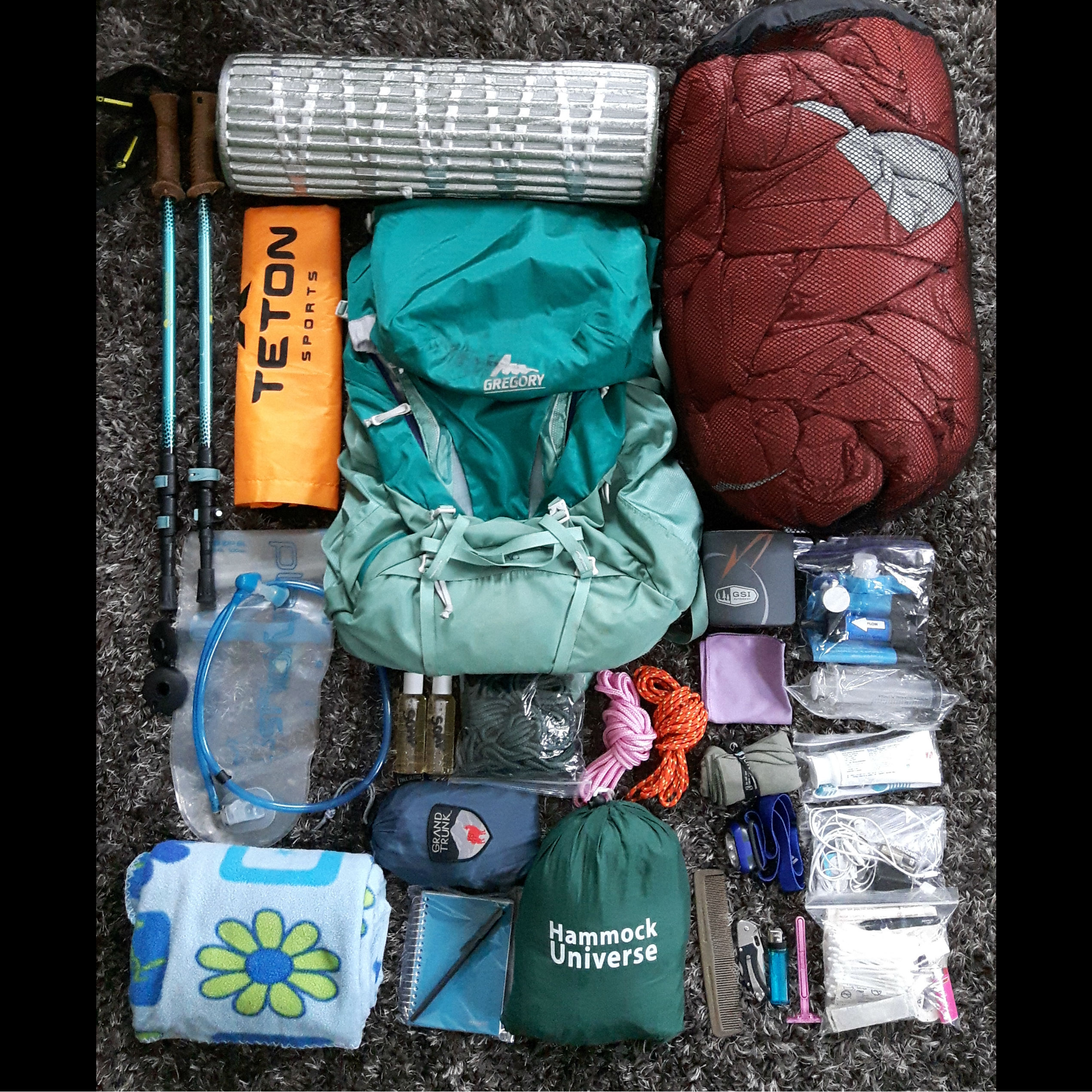
Use compression sacks to reduce the volume of bulky items. Sleeping bags and clothes fit tighter when compressed. This method frees up room for other gear. Rolling clothes tightly also saves space inside your pack.
Multi-use Items
Choose gear that serves more than one purpose. A bandana can be a towel, sun shield, or pot holder. A sturdy knife can cut food and prepare wood. Multi-use items reduce the total number of things to carry.
Packing Order Strategy
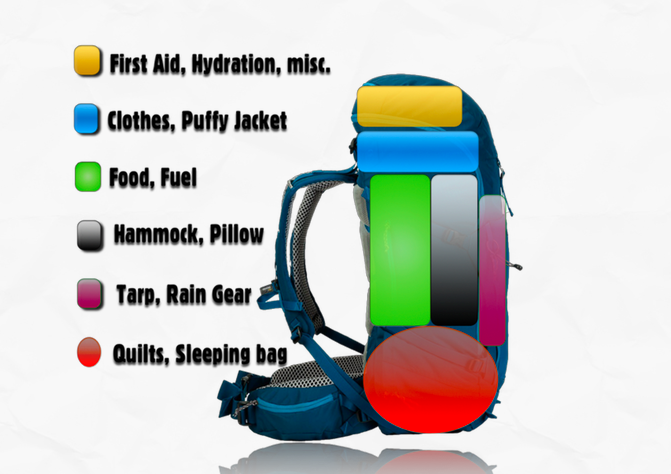
Place heavy items at the bottom of the pack for balance. Keep frequently used items near the top for easy access. Store your hammock in a side pocket or external pouch. This keeps it handy without unpacking everything.
Storing Gear While Hammock Camping
Storing gear while hammock camping requires smart planning. Keeping your belongings dry and safe is important. You must avoid placing your pack directly on the ground. Dirt, moisture, and insects can damage your gear. Organizing your items helps you find them quickly and keeps your campsite tidy.
Hanging Packs Safely
Use carabiners to hang your pack from the hammock suspension. Choose strong, secure tree branches nearby. Hanging your pack keeps it off wet or muddy ground. It also protects your gear from insects and small animals. Make sure the pack is tightly secured and balanced. Avoid hanging heavy items on one side to prevent tipping.
Ground Protection Tips
Place a small tarp or groundsheet under your hammock. This creates a clean spot to set your gear. A tarp protects items from dirt and moisture. Fold the tarp neatly to cover your gear during rain. Use waterproof bags or dry sacks inside your pack. This adds extra protection against water and dust.
Using Tarps And Chairs
Set up a tarp above your gear to shield it from rain. It also blocks wind and falling debris. You can use a camp chair as a gear holder. Place your backpack and smaller items on the chair seat. This keeps your gear off the ground and easy to reach. Chairs also help keep your campsite organized and comfortable.
Credit: www.esseg.eu
Comfort Tips For Hammock Setup
Packing and setting up a camping hammock can be simple with the right comfort tips. Proper setup helps you relax and enjoy the outdoors. Small changes can make a big difference in how you feel during the night. Here are key tips to improve your hammock comfort.
Diagonal Lay Position
Lying diagonally in your hammock spreads your body weight evenly. This position helps keep your back straight and reduces pressure points. Instead of lying straight, shift your body slightly to the side. You will feel more stable and comfortable. Many hammock campers find this method improves sleep quality.
Ridgeline Adjustment
A ridgeline runs between your hammock’s suspension points above your head. It controls how much your hammock sags. Adjust the ridgeline so the hammock forms a gentle curve. This shape supports your body well and prevents you from rolling to the sides. Check the ridgeline tension each time you set up to keep comfort consistent.
Foot Box Elevation
Raising the foot end of your hammock slightly higher than your head helps reduce calf pressure. This small incline moves your body toward the head end, easing stress on your legs. Use extra suspension or tie-offs to lift the foot box. This tip can prevent numbness and improve circulation during sleep.
Protecting Trees And Environment
Protecting trees and the environment is essential when packing and using a camping hammock. Trees provide the support needed for your hammock, but they can also be harmed if you do not take care. Small actions can reduce damage and keep nature safe for future campers. Respecting the environment helps maintain the beauty of camping spots.
Using the right gear and following good habits can protect trees from harm. It also helps prevent soil erosion and keeps plants healthy around your campsite. Always think about the impact your hammock setup has on the natural world.
Wide Tree Straps
Wide tree straps spread the weight of your hammock over a larger area. This reduces pressure on the bark and prevents cuts or damage. Straps that are at least one inch wide work best. Avoid thin ropes that dig into the tree and cause wounds.
Using straps also makes setup easier. They wrap around trees smoothly and keep your hammock stable. Choose straps made from durable, weather-resistant material for long-lasting use.
Avoiding Bark Damage
Bark protects the tree’s inner layers. Damaged bark can hurt the tree and cause infections. Never tie knots directly around a tree trunk or branch. This can cut into the bark and leave scars.
Instead, use tree-friendly straps or suspension systems. Check your setup often to make sure it is secure but not too tight. Avoid hanging your hammock on young or fragile trees to prevent harm.
Leave No Trace Principles
Leave No Trace means camping without harming nature. Pack out all trash and gear. Avoid breaking branches or disturbing plants near your campsite. Set up your hammock in areas that already show signs of use.
Limit noise and light pollution to keep wildlife safe. Respect all local rules and guidelines for camping. These small steps help keep forests clean and healthy for everyone.

Credit: www.youtube.com
Additional Space-saving Hacks
Saving space while packing your camping hammock can improve your outdoor experience. Small tricks help keep your load light and organized. These hacks reduce bulk and make setup faster. Learn how to use your gear smarter and maintain it on the trail.
Carabiner Uses
Carabiners are more than just clips for your hammock. Use them to hang your backpack from a tree or the hammock suspension. This keeps your gear off the ground and easy to reach. Attach water bottles or small bags to your hammock strap. This frees up space inside your pack. Carabiners help keep your campsite tidy and gear accessible.
Packing Light Essentials
Choose only what you truly need for your trip. Pack multi-use items to save space. For example, a bandana can serve as a towel, pot holder, or sunshade. Select lightweight clothing made from quick-dry materials. Use small, refillable containers for toiletries instead of full bottles. Keeping your essentials minimal reduces weight and bulk.
Gear Maintenance On The Trail
Proper care extends your gear’s life and keeps it working well. Dry your hammock and straps completely before packing to prevent mildew. Clean dirt and debris from carabiners and zippers regularly. Repair small tears or loose threads right away to avoid bigger damage. A well-maintained kit stays compact and ready for your next adventure.
Frequently Asked Questions
What Do You Do With Your Pack When Hammock Camping?
Hang your pack from your hammock suspension using a carabiner or place it on a tarp beneath the hammock. Keep gear off the ground to stay dry and accessible. Using a camp chair or hanging from a nearby tree also works well.
Where To Put Your Gear When Hammock Camping?
Hang your gear using a carabiner from your hammock suspension or a nearby tree. Use a tarp or groundsheet below for clean storage. Keep your pack dry by lining it with a trash bag. Avoid placing gear inside the hammock to maximize sleeping space and comfort.
How To Camp Comfortably In A Hammock?
Use wide tree straps and set a ridgeline for proper suspension. Lay diagonally to lie flat. Add an underquilt or sleeping pad for insulation. Use a tarp for weather and a bug net for protection. Adjust height and foot position for comfort.
Is It Safe To Sleep In A Hammock While Camping?
Sleeping in a hammock while camping is safe with proper setup. Use strong tree straps, hang at correct height, and secure insulation to stay warm and comfortable. Avoid sharp objects nearby and ensure stable knots to prevent falls.
Conclusion
Packing a camping hammock need not be hard or stressful. Keep your gear organized and use stuff sacks for easy packing. Roll straps tightly to save space and avoid tangles. Protect your hammock from moisture by storing it in a dry spot.
Hanging your pack with a carabiner keeps it off the ground and safe. Remember to pack light and only bring essentials. This simple approach helps you enjoy your hammock camping trip comfortably and hassle-free. Happy camping!

I am an outdoor enthusiast and gear researcher passionate about camping, hiking, backpacking, and outdoor adventures. I enjoy testing gear, comparing products, and sharing practical advice to help readers make informed decisions. At BestOutsideGear, I create honest gear reviews, buying guides, and outdoor tips to help adventurers choose the right equipment with confidence.