Best Ways to Clean Camping Hammock: Ultimate Guide for Spotless Gear
You love the freedom and comfort your camping hammock brings, but keeping it clean can be tricky. Dirt, sweat, and outdoor grime can build up quickly, making your hammock less inviting and even damaging the fabric over time.
You might wonder, “How do I clean my hammock without ruining it? ” or “What’s the easiest way to get rid of stubborn stains? ” This guide is here to answer those questions and more. By following simple, effective steps, you’ll learn the best ways to clean your camping hammock so it stays fresh, comfy, and ready for your next adventure.
Keep reading to discover tips that save you time and protect your hammock’s lifespan.

Credit: altongoods.com
Cleaning Methods
Cleaning your camping hammock regularly keeps it fresh and extends its life. Different cleaning methods suit various hammock materials and dirt levels. Choose a method that fits your hammock type and how dirty it is.
Below are easy ways to clean your camping hammock effectively. Follow these simple steps for best results.
Hand Washing Steps
Fill a large basin with cold or lukewarm water. Add a mild detergent safe for delicate fabrics. Submerge the hammock and gently agitate it by hand. Use a soft brush for stubborn stains. Rinse thoroughly to remove all soap. Avoid wringing the fabric to prevent damage. Hang it to air dry in a shaded area. Hand washing is gentle and protects the hammock’s fibers.
Machine Washing Tips
Remove all metal parts before washing. Place the hammock inside a laundry bag or pillowcase. Use cold water and a gentle cycle on your machine. Add a mild powder detergent without bleach or fabric softeners. Wash the hammock alone to avoid tangling. After washing, hang it in a warm, dry place away from direct sunlight. Machine washing saves time but requires care to avoid damage.
Using Natural Cleaners
Natural cleaners are safe and eco-friendly options. Mix white vinegar with water to create a gentle solution. Lemon juice also works well for removing odors and stains. Apply the solution with a soft cloth or spray bottle. Let it sit for 10-15 minutes before rinsing. Baking soda can be sprinkled on tough spots and scrubbed lightly. Natural cleaners avoid harsh chemicals that may harm the fabric.
Removing Stains And Spots
Removing stains and spots from your camping hammock keeps it fresh and comfortable. Dirt, sweat, and outdoor elements cause marks that need special care. Treating stains correctly stops damage and extends hammock life. Use gentle methods to protect the fabric and colors.
Treating Black Spots
Black spots often come from mold or mildew. Mix equal parts water and white vinegar in a spray bottle. Spray the spots lightly and let sit for 10 minutes. Use a soft brush to scrub gently. Rinse with clean water and air dry in sunlight. Sunlight helps kill mold and prevent return.
Dealing With Tough Stains
Tough stains like mud or grass need extra attention. Make a paste with baking soda and water. Apply the paste to the stain and let it sit for 15 minutes. Gently scrub with a soft brush or cloth. Rinse thoroughly with cold water. Avoid hot water as it can set stains. Repeat if necessary but do not scrub hard to avoid fabric damage.
Odor Removal Techniques
Odors come from sweat and moisture buildup. Fill a basin with warm water and add a small amount of mild detergent. Soak the hammock for 30 minutes. Add a cup of baking soda to the soak to neutralize smells. Rinse well with fresh water to remove all soap. Hang the hammock in a breezy, sunny spot to dry fully. Proper drying stops odors from returning.
Drying And Storage
Drying and storing your camping hammock correctly helps keep it in great shape. Proper care prevents mold, mildew, and fabric damage. This section covers key steps for drying and storing your hammock safely.
Proper Drying Practices
Always dry your hammock completely before storing. Hang it in a well-ventilated area away from direct sunlight. Avoid damp or humid places to stop mold growth. Use a clothesline or spread it flat to dry evenly. Check that the fabric feels dry to the touch. Never store a damp hammock as this causes odors and damage.
Storage Preparation
Clean your hammock before storage. Remove dirt, leaves, and debris carefully. Fold it loosely to avoid creases and stress points. Use a breathable storage bag or cotton sack. Avoid plastic bags as they trap moisture. Store the hammock in a cool, dry place. Keep away from sharp objects or rodents that can damage the fabric.
Seasonal Storage Tips
For long breaks, clean and dry your hammock thoroughly. Store it indoors during winter or rainy seasons. Check the hammock regularly for signs of pests or moisture. Consider using cedar blocks or lavender sachets to repel insects. Air out the hammock every few months to keep it fresh. Proper seasonal care extends the life of your hammock.
Maintenance Frequency
Proper maintenance frequency keeps your camping hammock clean and durable. Regular cleaning prevents dirt buildup and fabric damage. The frequency depends on how often you use your hammock. Follow a suitable schedule to keep it fresh and ready for your next adventure.
Cleaning Schedule For Light Use
For occasional lounging, clean your hammock every few months. Wipe off dust and debris after each use. Hand wash gently if stains appear. Avoid harsh detergents to protect the fabric. Air dry completely before storing.
Routine For Frequent Use
Use your hammock weekly or bi-weekly? Clean it more often. Wash it every one to two weeks to remove sweat and dirt. Use mild soap and cold water for cleaning. Rinse well and dry fully to prevent mold or mildew growth.
Pre And Post-storage Cleaning
Clean your hammock before storing it for a long time. Remove all dirt and moisture to avoid fabric damage. After storage, inspect and wash the hammock before use. This keeps it fresh and extends its lifespan. Always store in a dry, cool place.
Gear Care Tips
Proper gear care keeps your camping hammock in top shape. It helps the hammock last longer and stay comfortable. Small steps during cleaning make a big difference. Focus on removing parts carefully, threading slings correctly, and protecting fabric colors. These tips save time and avoid damage.
Following these simple steps ensures your hammock stays clean and durable. Use gentle methods to protect the fabric and hardware. Here are key care tips to keep in mind.
Removing Carabiners And Slings
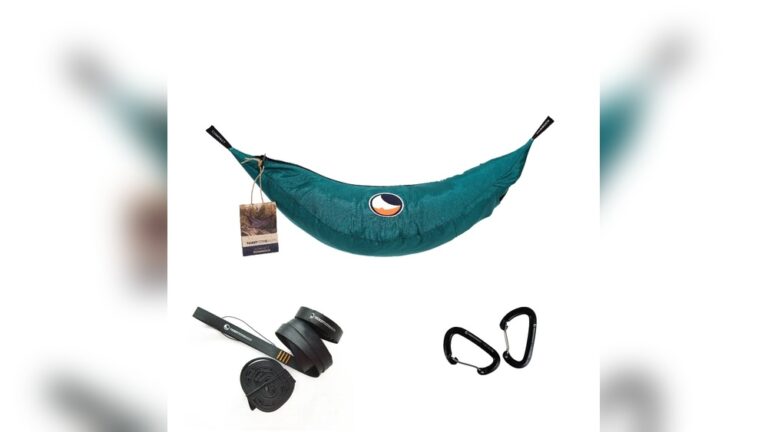
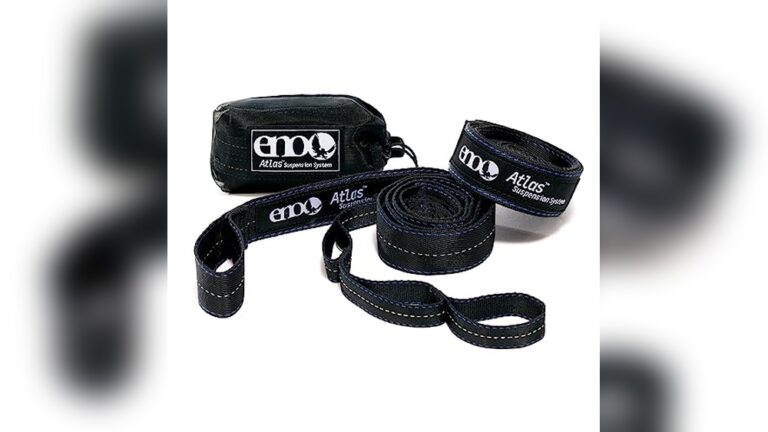
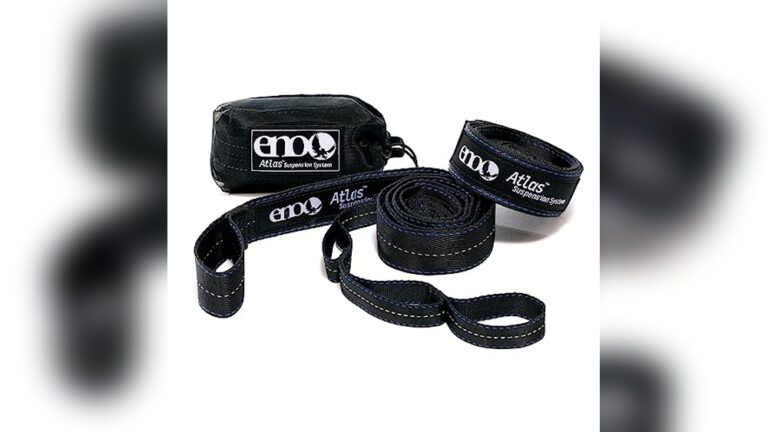
Always remove carabiners and slings before cleaning your hammock. These metal parts can scratch or damage the fabric in the washer. Detaching them also prevents rust and keeps the cleaning process safe. Handle carabiners gently to avoid bending or breaking them.
Threading Slings Back
After washing and drying, reattach the slings carefully. Use a small tool like a pen to guide the sling through the fabric channels. This makes threading faster and prevents twisting. Ensure the slings lie flat and secure to maintain proper support and comfort.
Protecting Fabric Colors
Wash your hammock with mild detergent to keep colors bright. Avoid bleach and harsh chemicals that fade or weaken fabric. Use cold water and gentle cycles in the washing machine. Dry the hammock in shade or indoors to prevent sun damage and color fading.
Credit: www.grandtrunk.com
Common Questions
Many campers have questions about cleaning their camping hammocks. Proper care keeps hammocks fresh and lasting longer. Here are answers to common concerns about washing and maintaining your hammock.
Is It Okay For Hammocks To Get Wet?
Yes, hammocks can get wet during camping or rain. Most camping hammocks use quick-dry fabric. Allow the hammock to dry fully before storing to avoid mold. Wet hammocks should never be packed away damp.
Can You Use Fabric Softeners?
No, avoid fabric softeners when cleaning your hammock. Fabric softeners can damage the hammock’s fibers. They reduce the material’s breathability and strength. Use mild detergent without softeners to keep fabric in good shape.
Best Detergents To Use
Choose gentle, non-bleach detergents for cleaning hammocks. Powder detergents designed for delicate fabrics work well. Avoid harsh chemicals that weaken the fabric. A mild, eco-friendly detergent is best for long-term care.
Credit: sectionhiker.com
Frequently Asked Questions
How To Wash A Camping Hammock?
Remove carabiners and slings. Hand wash or machine wash hammock fabric separately on gentle, cold cycle with mild detergent. Avoid bleach and fabric softener. Hang dry in warm, dry area until fully dry. Reattach slings and carabiners after drying.
How Often Should You Wash Your Hammock?
Wash your hammock after every few uses or at least once a month. For camping hammocks, clean after each use. Always wash before and after long-term storage. Use gentle detergent and cold water on a gentle cycle. Hang dry completely before storing or using again.
How To Get Black Spots Out Of A Hammock?
To remove black spots from a hammock, soak it in warm water with mild detergent. Gently scrub spots using a soft brush. Rinse thoroughly with clean water and air dry completely before use. Avoid bleach or harsh chemicals to protect fabric and colors.
Is It Okay For Hammocks To Get Wet?
Most hammocks tolerate getting wet, especially those made from synthetic materials. Dry them thoroughly to prevent mold and mildew. Avoid soaking canvas hammocks often, as colors might bleed. Regular cleaning and proper drying keep hammocks durable and comfortable.
Conclusion
Keeping your camping hammock clean extends its life and comfort. Regular washing removes dirt and prevents stains. Use gentle detergents and avoid harsh chemicals. Always dry your hammock fully before storing it away. Proper care ensures your hammock stays fresh for every adventure.
Simple steps make a big difference. Enjoy your hammock with confidence and cleanliness.

I am an outdoor enthusiast and gear researcher passionate about camping, hiking, backpacking, and outdoor adventures. I enjoy testing gear, comparing products, and sharing practical advice to help readers make informed decisions. At BestOutsideGear, I create honest gear reviews, buying guides, and outdoor tips to help adventurers choose the right equipment with confidence.