How to Choose Camping Hammock: Ultimate Guide for Comfort & Durability
Choosing the right camping hammock can make all the difference between a restless night and waking up refreshed in the great outdoors. You want comfort, durability, and ease of use—but with so many options available, how do you pick the one that fits your needs perfectly?
Whether you’re a seasoned camper or just starting out, this guide will help you understand what really matters when selecting a camping hammock. Keep reading to discover simple tips that will ensure your next adventure includes the best hammock experience possible.

Credit: www.youtube.com
Types Of Camping Hammocks
Camping hammocks come in several types. Choosing the right one depends on your needs and comfort. Understanding these types helps you pick a suitable hammock for your outdoor adventures.
Single Vs Double Hammocks
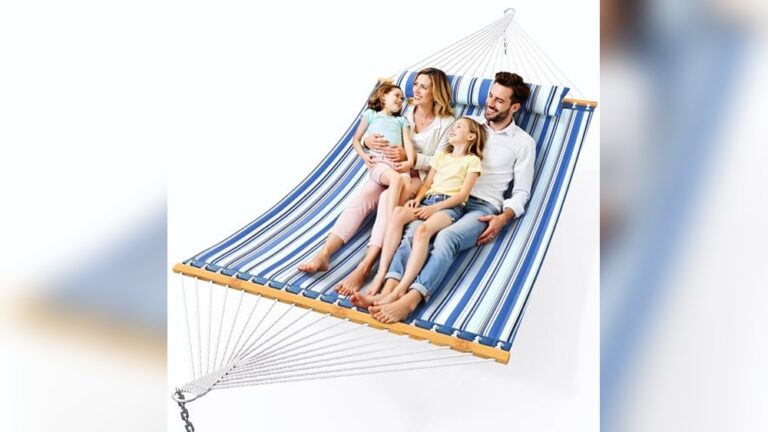
Single hammocks fit one person comfortably. They are lightweight and easy to carry. Double hammocks offer more space and can hold two people. They are wider and perfect for relaxing with a friend. Consider your size and whether you want extra room. Double hammocks are slightly heavier but provide more comfort.
Material Options
Hammocks come in different materials like nylon, polyester, and cotton. Nylon is strong, light, and dries quickly. It suits backpackers who need durability and quick drying. Polyester resists UV rays and lasts longer in sunlight. Cotton is soft and comfortable but heavier and slower to dry. Choose material based on weather and how often you camp.
Rope Vs Fabric Hammocks
Rope hammocks have an open weave and good airflow. They keep you cool in hot weather but may leave marks on your skin. Fabric hammocks are solid and offer better warmth and privacy. They prevent bugs and are easier to use with sleeping pads. Pick rope for summer and fabric for cooler or buggy places.

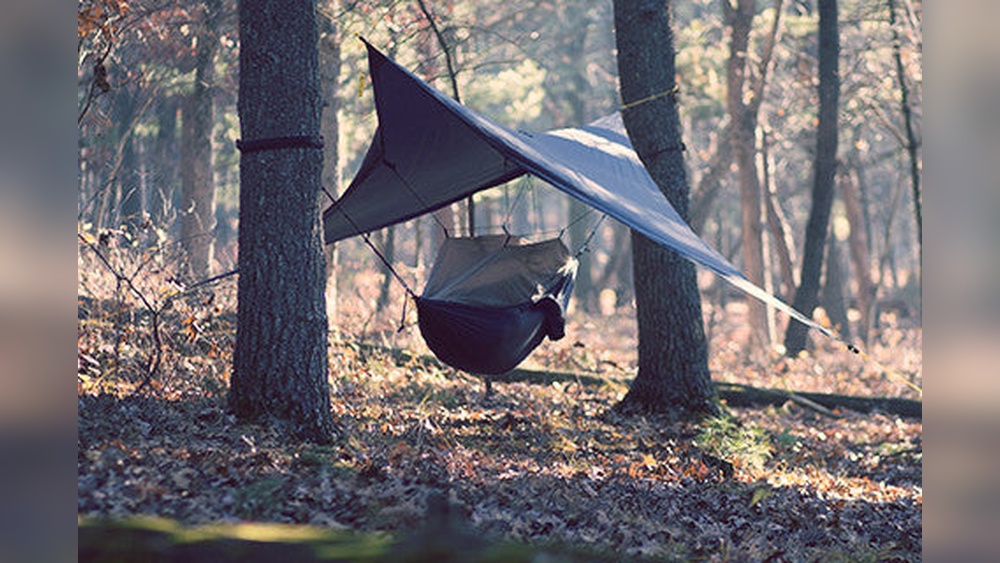
Credit: hennessyhammock.com
Size And Weight Considerations
Choosing the right size and weight for your camping hammock affects comfort and ease of use. A hammock that fits your body well feels relaxing. It also needs to be light enough to carry on trips. Consider these factors to find the perfect balance.
Choosing The Right Length
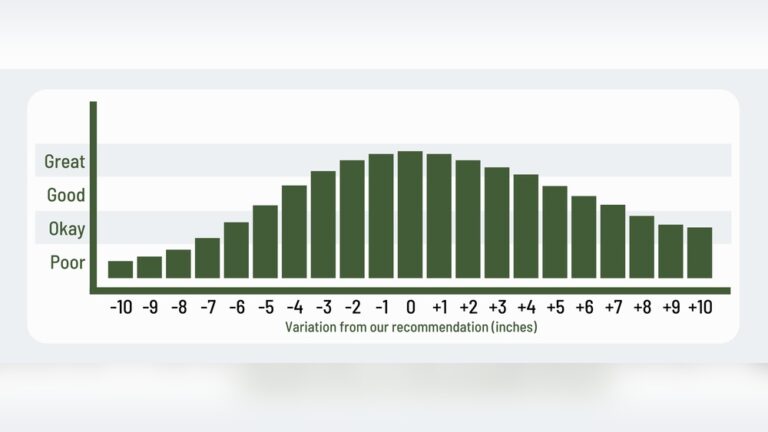
The hammock length should match your height. A longer hammock suits taller people. It lets you stretch out fully without feeling cramped. Most camping hammocks range from 9 to 11 feet. Pick a length that gives you room to lie diagonally for comfort.
Width For Comfort
Width affects how flat and cozy the hammock feels. Wider hammocks allow you to spread out more. A 54-inch width is common and works well for one person. If you want extra space or plan to share, choose a wider model. Comfort depends on enough space to move freely.
Weight For Portability
Weight matters for carrying your hammock on hikes. Lightweight hammocks pack small and are easy to carry. Look for hammocks made from nylon or other light materials. Aim for something under two pounds for easy transport. A light hammock makes your camping trip less tiring.
Suspension Systems
Choosing the right suspension system is crucial for a camping hammock. It supports your weight and ensures safety. The suspension system also affects how easy and fast you can set up your hammock. Understanding different parts of the suspension helps you pick the best option for your needs.
Straps Vs Ropes
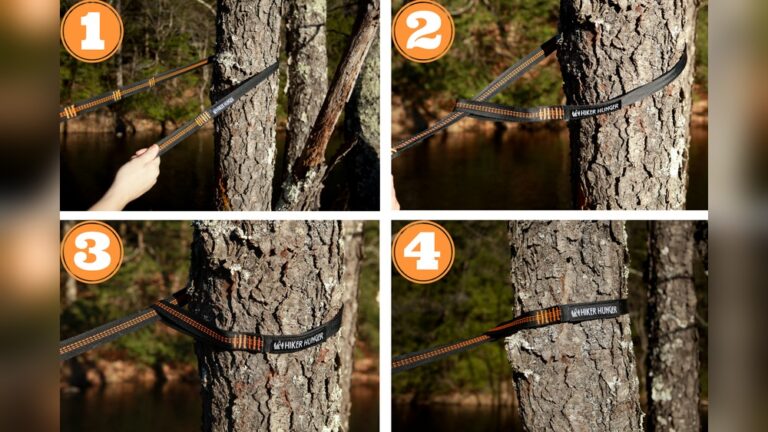
Straps are wide and flat, making them gentle on tree bark. They spread the weight evenly and reduce damage to trees. Ropes are thinner and can tighten into the bark, causing harm. Straps often come with multiple loops for easy adjustment. Ropes may require knots or extra hardware to secure. Straps tend to be quicker to set up and adjust than ropes. They are also stronger and less likely to stretch over time.
Carabiners And Hardware
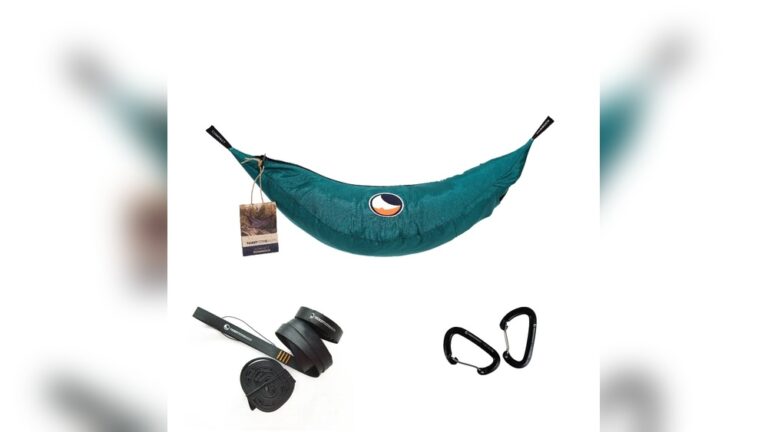
Carabiners connect your hammock to straps or ropes. Choose carabiners made of aluminum or stainless steel for strength and rust resistance. Look for carabiners with a locking mechanism to prevent accidental opening. Some come with a simple snap gate, which is easier to use but less secure. Quality hardware improves safety and longevity of your suspension system. Avoid cheap metal that bends or breaks easily.
Ease Of Setup
A good suspension system should be fast and simple to set up. Straps with pre-made loops reduce the time needed to hang your hammock. Carabiners allow quick attachment and detachment. Ropes need knots, which take practice to tie correctly. A system that works well in the dark or cold is ideal. Test your suspension system before heading outdoors to ensure quick and safe setup.
Weather And Seasonal Use
Choosing the right camping hammock means thinking about the weather and seasons. Your comfort depends on how well the hammock suits hot, cold, or wet conditions. Different fabrics and features work better in certain seasons. Picking the right type helps you enjoy your outdoor time without trouble.
Breathable Fabrics For Summer
Summer camping needs fabric that lets air flow freely. Lightweight nylon or polyester fabrics are good choices. They dry quickly and keep you cool. Avoid heavy materials that trap heat and moisture. Breathable fabrics help reduce sweat and discomfort on hot nights.
Insulation Options For Winter
Cold weather calls for extra warmth in your hammock. Use an underquilt or sleeping pad for insulation below you. Some hammocks come with built-in insulation layers. Look for materials like fleece or down that trap body heat. Proper insulation stops cold air from chilling you at night.
Water Resistance And Protection
Rain and dew can soak your hammock quickly. Choose hammocks made with water-resistant fabrics. Look for coatings like silicone or polyurethane for better protection. A rainfly or tarp adds an extra shield from wet weather. Keeping dry improves comfort and prevents damage to your gear.
Durability And Strength
Durability and strength are vital factors when selecting a camping hammock. A strong hammock ensures safety and comfort during outdoor use. It must hold your weight and resist wear from nature. Understanding these aspects helps you pick a reliable hammock for many trips.
Load Capacity
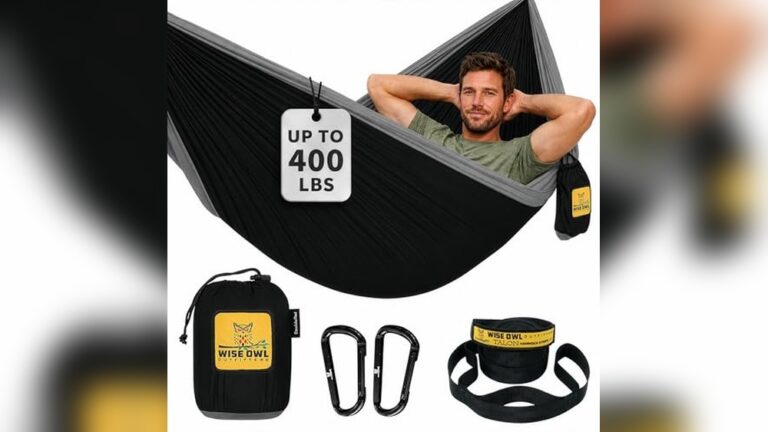
Load capacity shows how much weight the hammock can hold. Choose a hammock that supports more than your weight. This adds safety and durability. Check the manufacturer’s weight limit before buying. A higher load capacity means a stronger, safer hammock.
Tear Resistance
Tear resistance measures how well the fabric withstands rips and holes. Durable materials like ripstop nylon or polyester resist tears better. These fabrics last longer in rough outdoor conditions. Avoid thin, cheap fabrics that tear easily. Strong fabric protects you and extends your hammock’s life.
Quality Of Stitching
Stitching holds the hammock together and affects its strength. Look for tight, even stitches with strong thread. Double or reinforced stitching adds extra durability. Poor stitching can cause the hammock to fail under pressure. Good stitching ensures the hammock stays secure and safe during use.
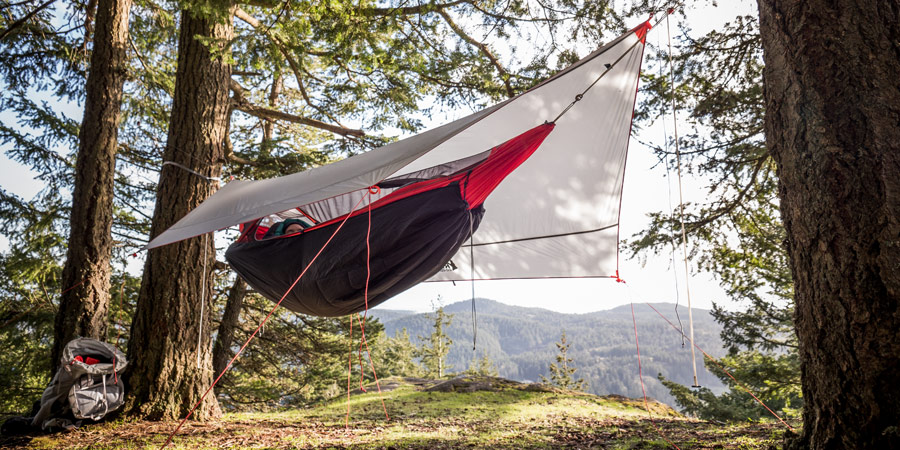
Credit: www.rei.com
Comfort Features
Comfort features define the quality of your camping hammock experience. A hammock that supports your body well and protects you from insects and cold can make your outdoor stay much better. Consider these key comfort elements before picking your hammock.
Diagonal Lying Position
Lying diagonally in a hammock helps keep your body flat. This position reduces pressure on your back and shoulders. It feels more like sleeping on a bed than in a curved sling. Choose a hammock wide enough to allow this diagonal lying. This feature is important for a restful night outdoors.
Integrated Bug Nets
Bug nets keep mosquitoes and other insects away while you rest. An integrated bug net is attached to the hammock, so you do not need to carry extra gear. It creates a protective barrier around you. This feature is especially useful in buggy or humid areas. It keeps you safe and comfortable without hassle.
Underquilts And Sleeping Pads
Underquilts and sleeping pads add insulation under your hammock. They protect you from cold air and rough surfaces below. An underquilt hangs beneath the hammock, trapping warm air close to your body. Sleeping pads lay inside the hammock for extra cushioning. Both improve warmth and comfort during chilly nights.
Portability And Packability
Portability and packability are key when choosing a camping hammock. A hammock that fits easily into your pack makes your trip lighter and easier. Small size and light weight help you move faster and enjoy more. The right hammock packs compactly without taking much space. It should balance comfort and ease of carrying.
Packed Size
The packed size shows how small your hammock becomes. Smaller packed size saves space in your backpack. Look for hammocks that compress tightly into a small bundle. This helps when you carry many items. A hammock with a large packed size can be bulky and hard to fit.
Weight Vs Comfort Trade-off
Lightweight hammocks are easy to carry but may feel less cozy. Heavier hammocks often offer more comfort and durability. Choose based on how far you hike and how long you stay. If you hike long distances, pick a lighter model. For short trips, comfort might be more important.
Storage Bags
Storage bags keep your hammock clean and protected. A good bag fits the hammock snugly and closes securely. Some bags have extra pockets for straps or accessories. Durable bags help keep your gear organized and ready to use. Always check if the hammock comes with a storage bag included.
Price And Warranty
Price and warranty play a key role when choosing a camping hammock. They affect your budget and peace of mind. A good hammock should balance cost with quality. Warranty protects your investment from defects or damage. Understanding price ranges and what warranties cover helps pick the best option for your needs.
Budget Options
Budget hammocks offer good value without breaking the bank. These models use basic materials and simple designs. They fit casual campers or beginners well. Expect lighter fabrics and fewer extra features. Many budget hammocks still provide comfort and durability. Check user reviews to ensure reliability before buying.
Premium Features
Premium hammocks cost more but include better materials and design. They use stronger, breathable fabrics and reinforced stitching. Extra features like mosquito nets or rain tarps often come included. These hammocks last longer and perform well in tough conditions. Ideal for frequent campers or those wanting extra comfort and protection.
Manufacturer Guarantees
Warranty terms vary by brand and product type. Some offer limited warranties covering defects for one year or more. Others provide lifetime guarantees on materials and workmanship. Always read warranty details before purchase. A strong warranty means the manufacturer trusts their product. It also gives you support if problems arise after buying.
Setup Tips And Best Practices
Setting up a camping hammock correctly makes your outdoor rest safe and comfortable. Follow simple tips to ensure a stable and cozy hammock experience. Proper setup also protects trees and keeps you secure throughout the night.
Choosing Anchor Points
Select strong trees or posts that are about 12 to 15 feet apart. Check their health and stability before hanging your hammock. Avoid trees with loose bark or signs of damage. Use tree-friendly straps to protect bark and prevent injury to the tree. Secure the straps tightly to prevent slipping.
Proper Hanging Angle
Hang your hammock at a 30-degree angle from the horizontal. This angle offers the best balance of comfort and support. It helps reduce pressure on your back and shoulders. Too tight or too loose can cause discomfort or risk falling. Adjust the height so you sit about 18 inches off the ground.
Safety Precautions
Test your hammock before fully trusting it. Gently sit and shift your weight to check stability. Avoid hanging near sharp objects or uneven ground. Keep clear of fire pits or water sources. Always inspect straps and knots for wear or damage. Replace any weak components before use.
Frequently Asked Questions
What Size Hammock Is Best For Camping?
Choose a hammock at least 10 feet long and 4-6 feet wide. This size fits most body types comfortably and allows diagonal lying for better support while camping.
Which Material Is Ideal For Camping Hammocks?
Look for lightweight, durable, and quick-drying materials like nylon or polyester. These fabrics resist moisture and wear, making them perfect for outdoor camping conditions.
How Do I Select The Right Hammock Suspension System?
Opt for adjustable straps with strong tree-friendly webbing. Easy-to-use suspension systems protect trees and allow quick setup and secure hanging.
Can I Use A Camping Hammock In Cold Weather?
Yes, but use an underquilt or sleeping pad for insulation. These accessories help retain body heat and keep you warm during cold camping nights.
Conclusion
Choosing the right camping hammock makes outdoor rest much better. Focus on comfort, size, and ease of use. Consider the hammock material and weight capacity. Think about where and how often you will camp. Remember, a good hammock fits your body and camping style.
Take time to compare options before buying. Enjoy peaceful nights and relaxing days on your new hammock. Happy camping!

I am an outdoor enthusiast and gear researcher passionate about camping, hiking, backpacking, and outdoor adventures. I enjoy testing gear, comparing products, and sharing practical advice to help readers make informed decisions. At BestOutsideGear, I create honest gear reviews, buying guides, and outdoor tips to help adventurers choose the right equipment with confidence.