Safety Tips for Camping Hammock: Essential Guide for Secure Outdoor Sleep
Planning to enjoy the great outdoors with a camping hammock? That’s a fantastic choice for comfort and relaxation!
But before you hang your hammock between those trees, there are some important safety tips you need to know. Using your hammock the right way can keep you safe from falls, protect the trees, and make your camping experience much more enjoyable.
You’ll discover simple yet essential advice on how to set up, secure, and use your camping hammock safely. Stick with us, and you’ll learn how to relax under the stars with confidence and peace of mind. Ready to make your next camping trip both cozy and safe? Let’s dive in!

Credit: www.hammockuniverse.com
Choosing The Right Hammock
Choosing the right hammock is vital for safe and comfortable camping. A well-selected hammock can support your weight, resist wear, and fit your space. It also adds to your overall camping experience by providing a cozy spot to rest. Focus on key factors like materials, weight capacity, and size to find the best option for your needs.
Materials And Durability
Look for hammocks made from strong and weather-resistant fabrics. Nylon and polyester are popular choices for camping hammocks. These materials dry quickly and resist tearing. Check the stitching and hardware to ensure they are sturdy. Durable materials reduce the risk of accidents caused by fabric failure.
Weight Capacity
Every hammock has a weight limit. Choose a hammock that supports at least 50 pounds more than your body weight. This extra capacity provides safety margin. Overloading a hammock can cause it to tear or collapse. Always check the manufacturer’s weight rating before purchase.
Size And Shape Options
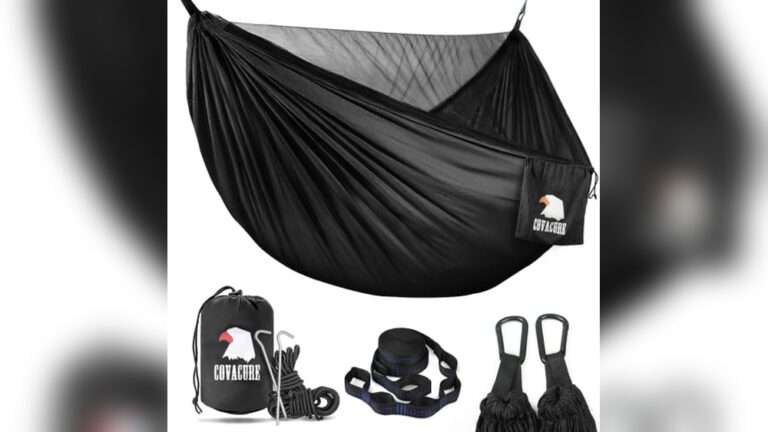
Hammocks come in various sizes and shapes. Single hammocks fit one person, while double hammocks offer more space. Rectangular hammocks provide more room to move. Gather information about the size and shape to match your camping style. A proper fit improves comfort and safety during use.
Credit: www.scouting.org
Safe Setup Practices
Setting up a camping hammock safely is essential for a comfortable and secure experience. Proper setup reduces risks of injury and protects nature. Follow these safe setup practices to enjoy your hammock without worry.
Selecting Suitable Trees
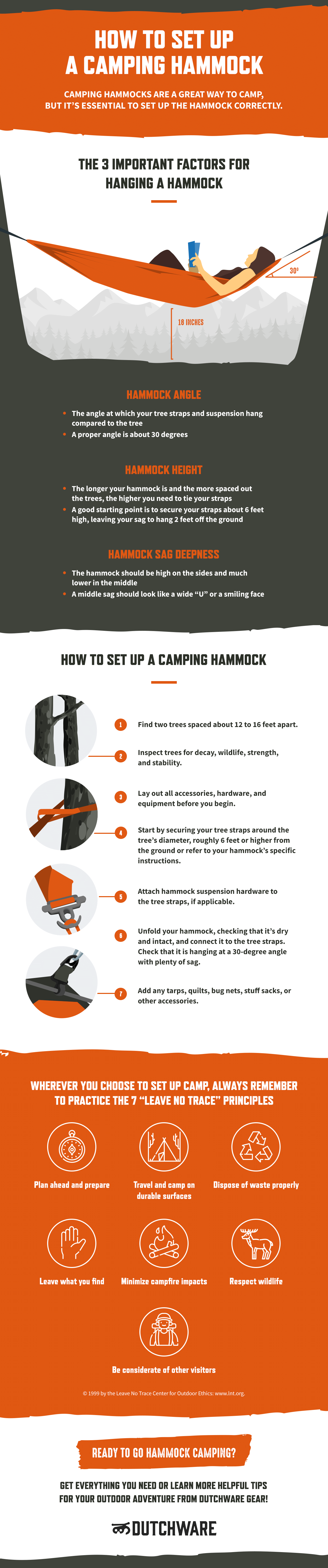
Choose trees that are healthy and strong. Avoid trees with cracks, dead branches, or signs of disease. The tree trunk should be at least six inches wide to support your weight safely. Trees too close or too far apart make setup difficult. Pick trees that stand firm and stable to hold your hammock securely.
Using Tree Straps
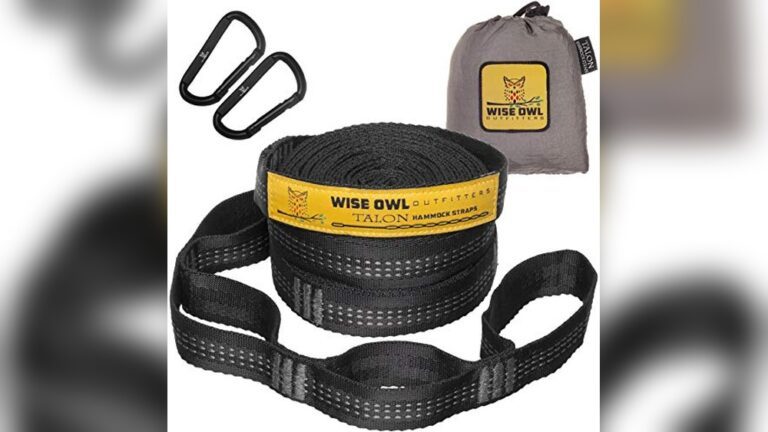
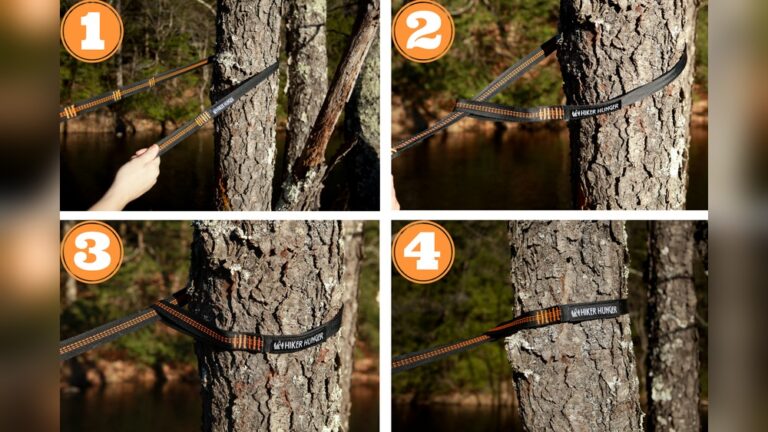
Use wide tree straps instead of ropes. Wide straps spread the load and protect the tree bark from damage. Straps should be at least one inch wide to prevent cutting into the tree. Wrap straps around the tree carefully and avoid knots that could harm the bark. Tree-friendly straps help preserve the environment and keep your hammock steady.
Proper Suspension Techniques
Attach your hammock to the straps using secure knots or carabiners. Ensure the suspension system can handle your weight without slipping. Avoid twisting the hammock fabric during setup to prevent wear and tear. Double-check all connections before use. A stable suspension keeps your hammock safe and comfortable throughout the night.
Recommended Height And Angle
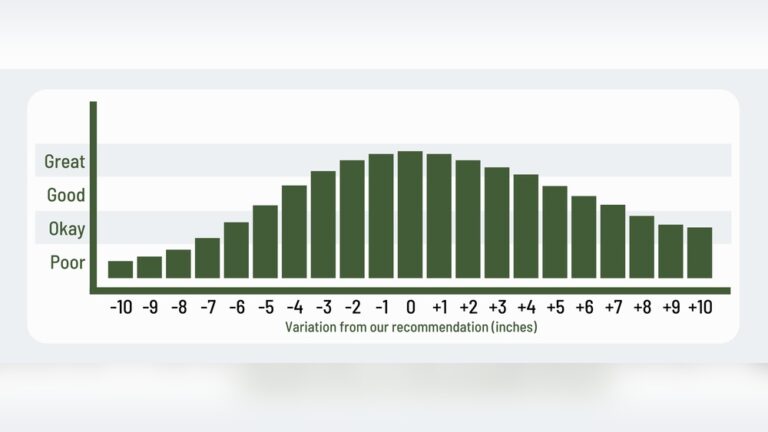
Hang your hammock so the lowest point is about 18 inches from the ground. This height allows easy entry and exit while minimizing injury risk from falls. Aim for a 30-degree angle between the straps and the tree. This angle provides the best balance of comfort and safety. Adjust height and angle to suit your body size and terrain.
Enhancing Comfort And Warmth
Camping in a hammock offers a unique outdoor experience. Comfort and warmth are key to enjoying a good night’s sleep. Without proper insulation, cold air can seep in from below, making you shiver. Simple gear and techniques help keep you cozy and rested throughout the night.
Using Underquilts And Sleeping Pads
Underquilts hang beneath the hammock to block cold wind and trap warm air. They prevent heat loss caused by compressed insulation. A quality underquilt is often warmer than a sleeping pad alone. Sleeping pads fit inside the hammock, adding another layer of insulation. Inflatable pads work well when slightly deflated to mold to your body. Closed-cell foam pads are durable and provide steady warmth. Combining an underquilt with a sleeping pad offers the best insulation.
Top Insulation Tips
Use a sleeping bag or a quilt as top insulation. Sleeping bags work better if unzipped and used like a quilt. This avoids compressing the insulation, which reduces warmth. Choose insulation rated for cooler temperatures than you expect. Layering lightweight blankets or clothing can also help. Keep your insulation dry to maintain its warmth and effectiveness. Always test your setup before heading out.
Foot Box Positioning
Elevate the foot end of your hammock slightly higher than the head end. This simple trick moves your body toward the head area. It reduces the “calf ridge”—a common discomfort caused by pressure on your lower legs. Proper foot box positioning helps maintain blood flow and comfort. Adjust the angle to find a natural, relaxed position for your feet and legs.
Pillow And Neck Support
A small pillow or rolled-up clothes provide neck support inside the hammock. Proper neck support prevents stiffness and soreness in the morning. Lightweight camping pillows are easy to pack and improve sleep quality. Position your pillow to keep your head aligned with your spine. Experiment with different pillow sizes for the best comfort.
Protection From Elements
Protection from the elements is key for a safe and comfortable hammock camping trip. Weather can change fast. Rain, wind, and bugs can spoil your rest and cause discomfort. Preparing your hammock setup to handle these challenges keeps you dry, warm, and safe. Use simple tools and smart choices to create a reliable shelter around your hammock.
Installing Tarps For Shelter
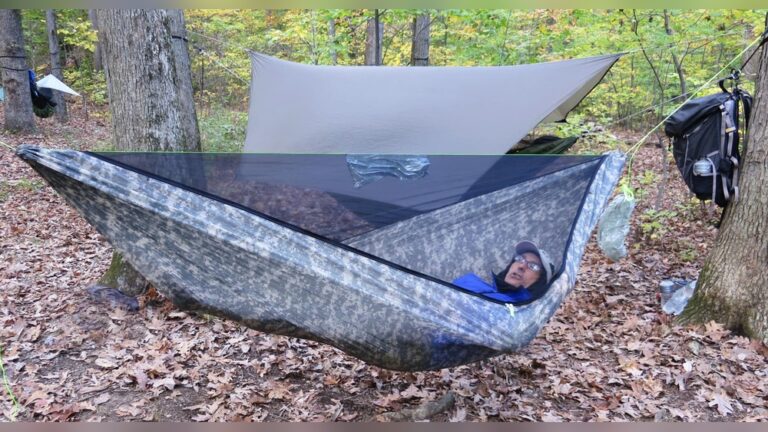
Tarps block rain and wind effectively. Set the tarp above your hammock, covering it fully. Angle it so rainwater flows away from you. Use sturdy ropes or cords to tie the tarp to trees or poles. Keep the tarp low to reduce wind exposure. Check for tight knots to avoid tarp flapping in strong wind. A well-installed tarp keeps your hammock dry and shields you from cold drafts.
Bug Net Usage
Bug nets protect you from biting insects. Mosquitoes and other bugs can cause irritation and spread disease. Choose a net that fits your hammock snugly. Make sure it has no holes or gaps. Close the net completely while inside. Some hammocks come with built-in bug nets, or you can add a separate one. Using a bug net helps you sleep peacefully without bug bites.
Weather Considerations
Check weather forecasts before camping. Avoid setting up under weak or dead trees that may fall in wind. Dress in layers to stay warm or cool as needed. Bring extra blankets or insulation for cold nights. Stay alert for sudden storms or temperature drops. Plan your camp spot with natural windbreaks like bushes or hills. Good weather preparation protects you from surprises and keeps your trip safe.
Safe Usage Guidelines
Using a camping hammock is fun and relaxing. Following safe usage guidelines keeps you secure and comfortable. These tips help prevent accidents and damage to your gear. Safety starts with how you use and care for your hammock every time.
Avoiding Swinging And Standing
Swinging your hammock too much causes loss of balance. It can lead to falls and injuries. Standing inside the hammock is unsafe. The fabric and straps are not designed to hold weight this way. Always stay seated or lie down gently to avoid accidents.
Proper Entry And Exit Techniques
Getting in and out of a hammock requires care. Move slowly to keep balance. Sit first on the edge, then swing your legs inside. To exit, swing legs out and stand up carefully. Avoid sudden movements that can tip the hammock.
Regular Equipment Inspection
Check all parts before each use. Look for frayed straps, loose knots, or tears in fabric. Damaged equipment increases risk of failure. Replace any worn or broken parts right away. Proper inspection ensures your hammock stays strong and safe.
Credit: dutchwaregear.com
Additional Tips For Beginners
Starting hammock camping can feel tricky. Safety and comfort matter most to enjoy your outdoor rest. These additional tips help beginners set up right and feel cozy. Taking time to adjust your hammock and gear makes a big difference. Simple changes improve your experience and keep you safe under the stars.
Finding Your Comfort Zone
Test different angles to lie in your hammock. Try a diagonal lay to reduce pressure on your back. Avoid lying straight across; it causes discomfort. Adjust the hammock height to keep your feet off the ground but easy to get out. Listen to your body and make small changes. Your comfort zone is unique; find it through practice.
Adjusting Setup For Personal Preference
Use tree straps that are wide and protect bark. Choose a ridgeline to keep consistent sag and support. Add a foot box by raising one end slightly. This helps reduce leg pressure and calf ridge. Experiment with pillow placement for neck support. A tarp overhead shields you from wind and rain. Small tweaks create a better night’s rest.
Essential Gear Recommendations
Bring an underquilt to keep your back warm and insulated. Use a sleeping pad inside the hammock for extra comfort. Carry a bug net to avoid bites during sleep. Pick a tarp large enough to cover your hammock fully. Pack a small pillow or roll clothes for neck support. These items improve safety and comfort on every trip.
Frequently Asked Questions
Is It Safe To Sleep In A Hammock While Camping?
Sleeping in a hammock while camping is safe with proper setup, quality suspension, and tree-friendly straps. Use insulation and bug protection for comfort. Secure the hammock at a suitable height and angle to prevent falls. Always follow safety guidelines to enjoy a secure and cozy sleep outdoors.
Are Hammock Accidents Common?
Hammock accidents are uncommon but can happen due to improper setup or unsafe use. Always follow safety guidelines.
How To Comfortably Camp In A Hammock?
Use wide tree straps and a ridgeline for secure setup. Lay diagonally to lie flat. Add an underquilt or sleeping pad for insulation. Elevate your feet slightly to reduce calf pressure. Protect with a bug net and tarp. Adjust height and pillow for personal comfort.
How To Get In A Hammock Safely?
Sit in the middle of the hammock, hold the sides firmly, then swing your legs in slowly. Keep your weight centered. Avoid sudden movements to maintain balance and prevent tipping.
Conclusion
Camping with a hammock can be safe and fun when you follow simple rules. Always check your straps and knots before use. Choose strong trees and hang your hammock at a safe height. Use insulation to stay warm and protect yourself from bugs and weather.
Adjust your setup to find comfort and avoid falls. Staying alert and prepared helps prevent accidents. Enjoy nature while keeping safety as your top priority. Your next hammock trip can be relaxing and secure with these tips. Stay safe, rest well, and embrace the outdoor adventure.

I am an outdoor enthusiast and gear researcher passionate about camping, hiking, backpacking, and outdoor adventures. I enjoy testing gear, comparing products, and sharing practical advice to help readers make informed decisions. At BestOutsideGear, I create honest gear reviews, buying guides, and outdoor tips to help adventurers choose the right equipment with confidence.