Safety Tips for Hammock Straps: Essential Guide for Secure Hanging
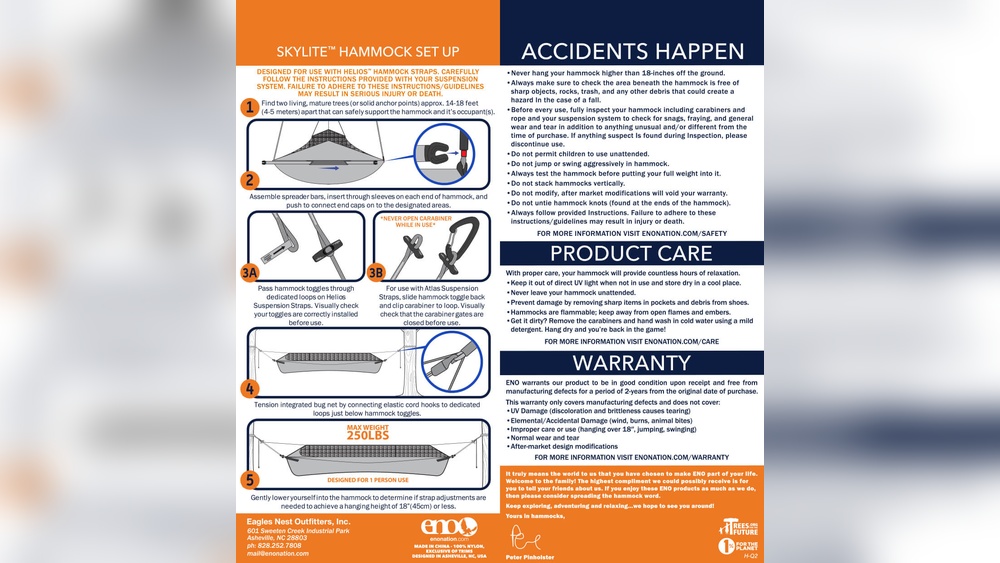
Hanging a hammock is one of the best ways to relax outdoors, but have you ever stopped to think about how safe your hammock straps really are? If you want to enjoy your hammock without worrying about sudden falls or damage to trees, paying attention to the right safety tips is a must.
You might be surprised how a few simple steps can make your hammock setup stronger, safer, and kinder to nature. Keep reading to discover easy, practical tips that will protect you, your gear, and the environment every time you hang your hammock.
Your next relaxing moment depends on it!

Credit: eaglesnestoutfittersinc.com
Choosing The Right Straps
Choosing the right hammock straps is key for safe and comfortable hanging. The right straps protect trees and keep you secure. Different straps suit different needs. Focus on material, size, and strength to find the best fit. This guide breaks down these factors clearly.
Material Options
Hammock straps come in various materials like polyester, nylon, and cotton. Polyester straps resist weather and stretch less. Nylon straps are strong but can stretch more. Cotton is soft but weaker and less durable. Choose material based on weather and how often you use your hammock.
Width And Length
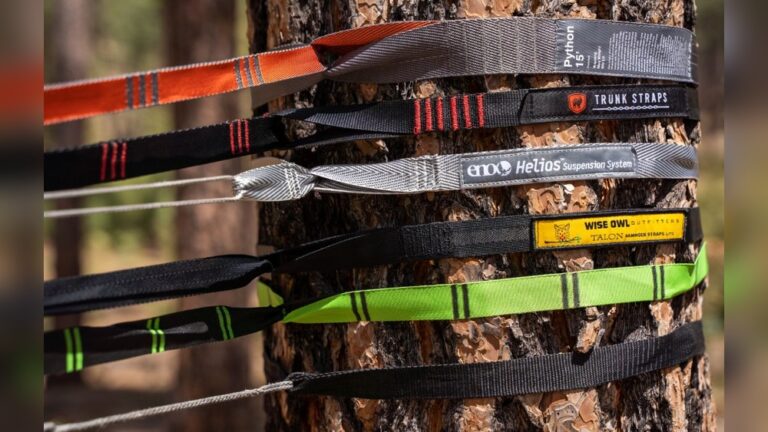
Straps at least 1 inch wide protect tree bark better. Narrow straps can cut into trees and damage them. Longer straps help wrap around big trees or poles easily. Make sure straps are the same length on both sides for balance. Proper length and width increase safety and ease of use.
Weight Capacity
Check the weight limit of your hammock straps before buying. Straps must hold more than the combined weight of users and gear. Higher weight capacity means more safety and durability. Avoid straps with low limits to prevent accidents. Always follow manufacturer weight guidelines for safe use.
Protecting Trees
Protecting trees is vital when using hammock straps. Trees can suffer damage from tight or rough straps. Taking care of trees helps preserve nature and ensures safe hammock use. Small efforts prevent bark injuries and support healthy tree growth.
Using Tree-friendly Straps
Choose straps that are wide and flat. Wider straps spread the weight over a larger area. This reduces pressure on the bark. Avoid thin ropes that cut into the tree. Tree-friendly straps often have a smooth surface. These straps cause less friction and protect bark better.
Avoiding Bark Damage
Never wrap straps tightly around the trunk. Leave some space to avoid choking the tree. Check the bark for any signs of wear or damage. Move the straps to a different spot each time. This prevents continuous stress on one area. Use padding between the strap and the bark if needed.
Environmental Considerations
Choose healthy trees with strong trunks for hanging your hammock. Avoid young or damaged trees that may break easily. Do not hang hammocks on protected or endangered tree species. Respect local rules about tree use in parks or forests. Leave no trace by removing all straps and gear after use.
Proper Hanging Techniques
Proper hanging techniques are essential for a safe and comfortable hammock experience. Using the right method to hang your hammock straps prevents accidents and protects trees. It also ensures your hammock stays secure and steady while you relax. Follow these simple steps to hang your hammock correctly.
Wrapping Straps Securely
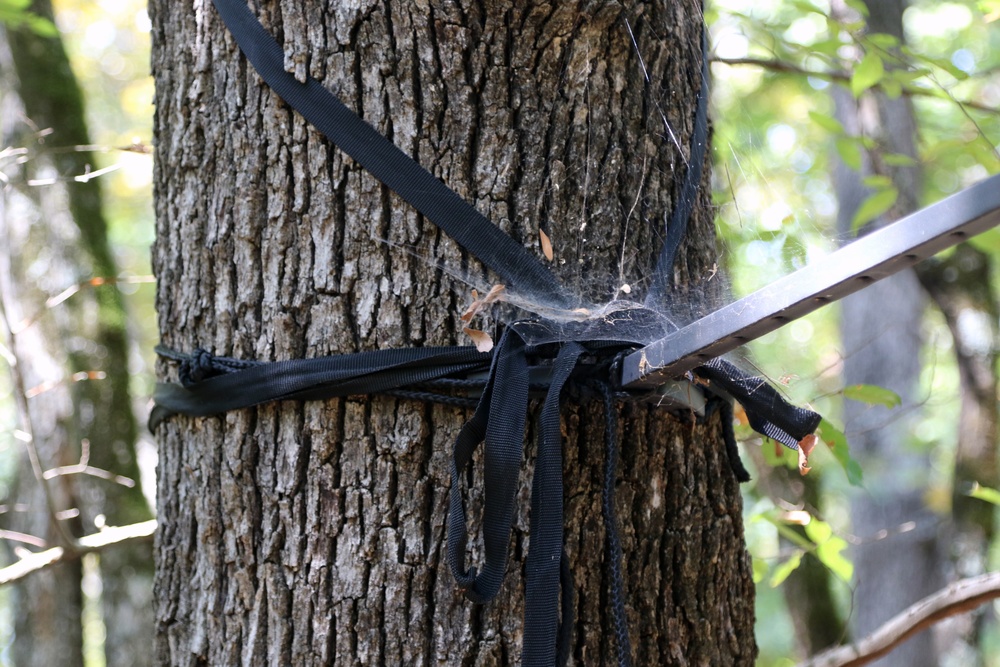
Start by wrapping your straps tightly around the tree or anchor point. Make sure the straps lie flat without twists. Wrap the strap at least twice around the tree for a firm hold. Secure the end through the buckle or loop to prevent slipping. Proper wrapping keeps the hammock from falling or shifting.
Adjusting Tension
Adjust the tension in your straps to find the perfect hang. Tighten the straps enough to hold your weight firmly. Avoid making them too tight, which can cause strain on the straps and trees. Aim for a slight sag in the hammock for comfort. Proper tension gives a smooth and safe suspension.
Maintaining Balanced Suspension
Ensure both straps have equal length and tension. Balanced suspension keeps the hammock level and stable. Uneven straps can cause tipping or discomfort. Check the height on both sides to prevent leaning. Balanced hanging protects your hammock and gives a better rest.
Common Mistakes To Avoid
Using hammock straps correctly is vital for safety and comfort. Many users make simple mistakes that can lead to accidents or damage. Avoiding common errors improves your hammock experience and protects your gear.
Incorrect Strap Placement
Placing straps too high or too low on a tree can cause instability. Always wrap straps around the tree’s trunk or a strong branch. Avoid thin branches that might break under weight. Ensure straps lie flat without twists to spread weight evenly. Incorrect placement increases the risk of falling.
Overstretching Materials
Using straps that stretch too much weakens support. Nylon straps often stretch more than polyester. Choose straps with low stretch to keep your hammock secure. Pulling straps too tight can damage trees and straps. Keep tension balanced to maintain safety and tree health.
Ignoring Weight Limits
Every strap has a weight limit set by the manufacturer. Exceeding this limit can cause straps to snap. Always check the weight rating before use. Consider the combined weight of all users and gear. Ignoring limits puts you at risk of injury and gear damage.
Safety Gear And Accessories
Using the right safety gear and accessories is vital for secure hammock hanging. These tools protect you and your gear, ensuring a safe and comfortable experience. Quality accessories help prevent accidents and damage to trees or equipment.
Carabiners And Connectors
Strong carabiners are essential for connecting hammock straps to your hammock. Choose locking carabiners to avoid accidental opening. Check their weight rating to match your hammock’s load capacity. Use connectors made from durable materials like stainless steel or aluminum. These parts provide a secure hold and easy setup.
Protective Padding
Protective padding guards trees from strap damage. It also extends the life of your straps by reducing wear. Use wide tree-friendly straps with built-in padding or add separate protectors. This keeps bark safe and prevents strap slippage. Padding helps maintain a stable and secure hang.
Using Ratchet Systems
Ratchet systems allow precise strap tension control. They help tighten straps safely without overstraining. Use ratchets designed for hammock use to avoid damage. Ratchets provide quick adjustments and hold straps firmly in place. Always inspect the ratchet for defects before use to ensure safety.

Credit: www.hammockuniverse.com
Maintenance And Inspection
Regular maintenance and inspection of hammock straps keep you safe during use. Straps endure stress from weight and weather. Check them often to avoid accidents. Small damage can worsen quickly. A careful look can save you from falls or injuries.
Checking For Wear And Tear
Examine your straps before every use. Look for frayed edges or cuts. Check for thinning areas where fabric looks worn. Pay attention to stitches and seams. Any loose threads can weaken the strap. Test the buckles and attachments. Make sure they move smoothly and hold tight. Replace straps showing signs of damage immediately.
Cleaning Your Straps
Keep your straps clean to extend their life. Use mild soap and water for washing. Avoid harsh chemicals that can weaken fibers. Rinse thoroughly to remove all soap. Let them air dry completely before storing. Avoid direct sunlight during drying to prevent damage. Clean straps grip better and last longer.
Replacing Damaged Components
Do not use straps with broken parts. Replace worn buckles and hooks without delay. Use parts made for your specific hammock model. Avoid makeshift repairs or using wrong components. Proper replacements ensure safety and strength. Regularly update your straps to maintain security.
Hanging Without Straps
Hanging a hammock without straps is possible but needs care and caution. Straps protect trees and provide secure holds. Without them, you must use alternative methods that are safe for both you and the environment. This section covers safe ways to hang your hammock without straps.
Using Ropes Safely
Ropes can replace straps but need proper handling. Use strong, durable ropes made of nylon or polyester. Avoid thin ropes that can cut into tree bark. Wrap the rope around the tree at least twice for better grip. Tie secure knots like the bowline or taut-line hitch to prevent slipping. Check the rope for wear before each use. Protect trees by placing a cloth or tree protector under the rope.
Alternative Suspension Methods
Look for other options if ropes or straps are not available. Use carabiners with heavy-duty cords or cords made for climbing. Tree-friendly hammock stands provide a secure and gentle option for trees. Some hammocks come with built-in suspension systems. Always ensure the anchor points can hold your weight safely. Avoid nails or screws in trees to prevent damage and accidents.
Tips For Festival And Outdoor Use
Using hammock straps at festivals or outdoor events needs extra care. Crowded places and fast setups require safety and smart handling. Follow these tips to keep your hammock secure and protect the trees.
Stay safe and enjoy your rest without worry.
Setting Up Quickly
Choose wide, tree-friendly straps to protect bark and hold weight. Use straps with multiple loops for fast adjustments. Wrap straps around strong trees or poles only. Clip your hammock carabiners securely to the loops. Check the tension before sitting to avoid falls.
Ensuring Stability In Crowded Areas
Pick a spot away from heavy foot traffic. Avoid unstable or soft ground under your hammock. Make sure trees or poles are sturdy and not damaged. Keep straps tight and recheck often. Use extra straps or anchors if the ground or trees are loose.
Transport And Storage
Roll your straps neatly to prevent tangling. Store them in a dry bag to avoid mildew. Clean dirt and sap off after each use. Check straps for wear and tear before packing. Replace any damaged straps to stay safe outdoors.
Credit: www.dvidshub.net
Frequently Asked Questions
How To Secure Hammock Straps?
Wrap the hammock straps around a sturdy tree or anchor. Tighten by pulling the strap’s end firmly. Ensure equal strap length on both sides for balance. Use wide, tree-friendly straps to prevent damage. Double-check knots and tension before use for safety.
How Common Are Hammock Injuries?
Hammock injuries are relatively rare but can occur due to falls or improper setup. Most injuries result from user error. Using quality straps and following safety guidelines greatly reduces risks. Always check weight limits and secure anchors to prevent accidents.
How To Safely Tie A Hammock?
Wrap wide tree-friendly straps around sturdy trees. Tie secure knots like the bowline or taut-line hitch. Ensure even tension on both sides. Test stability before use. Avoid sharp edges or thin ropes to protect trees and enhance safety.
How To Protect Trees From Hammock Straps?
Use wide, tree-friendly nylon straps at least one inch thick to avoid bark damage. Wrap straps loosely around trunks. Avoid ropes that can strip bark. Choose straps labeled “tree saver” for extra protection. Check straps regularly to prevent cutting into the tree.
Conclusion
Safe hammock strap use protects you and the trees. Always choose strong, wide straps designed for hammocks. Check straps for damage before each use. Wrap straps properly around sturdy trees to avoid slipping. Avoid knots that weaken the straps or cause imbalance.
Keep weight limits in mind to prevent accidents. Protect tree bark by using tree-friendly straps. Regularly inspect your setup for wear and tear. A safe hang makes your outdoor time relaxing and fun. Follow these simple safety tips every time you set up your hammock.

I am an outdoor enthusiast and gear researcher passionate about camping, hiking, backpacking, and outdoor adventures. I enjoy testing gear, comparing products, and sharing practical advice to help readers make informed decisions. At BestOutsideGear, I create honest gear reviews, buying guides, and outdoor tips to help adventurers choose the right equipment with confidence.