Step by Step Guide to Using Camping Cot: Ultimate Comfort Tips
Are you ready to upgrade your camping comfort? Using a camping cot can transform your outdoor sleep experience, giving you a cozy, elevated spot to rest after a long day of adventure.
But if you’ve never used one before, setting it up might seem tricky or confusing. Don’t worry—this step-by-step guide will walk you through everything you need to know to use your camping cot easily and effectively. By the end, you’ll feel confident setting it up quickly, so you can focus on relaxing and enjoying your time outdoors.
Keep reading to discover the simple steps that will make your next camping trip more comfortable than ever!

Credit: www.g-locbrakes.com
Choosing The Right Camping Cot
Choosing the right camping cot can make your outdoor sleep much more comfortable. A good cot supports your body well and keeps you off the cold ground. Many cots fit into different types of camping and sleeping styles. Knowing the right features helps you pick one that suits your needs perfectly.
Types Of Camping Cots
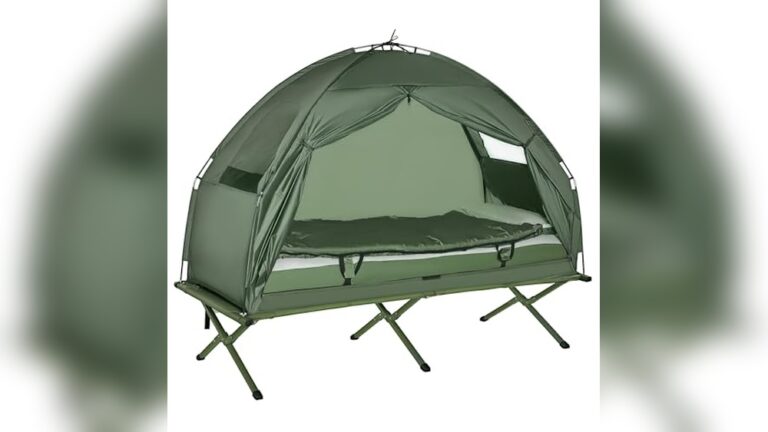
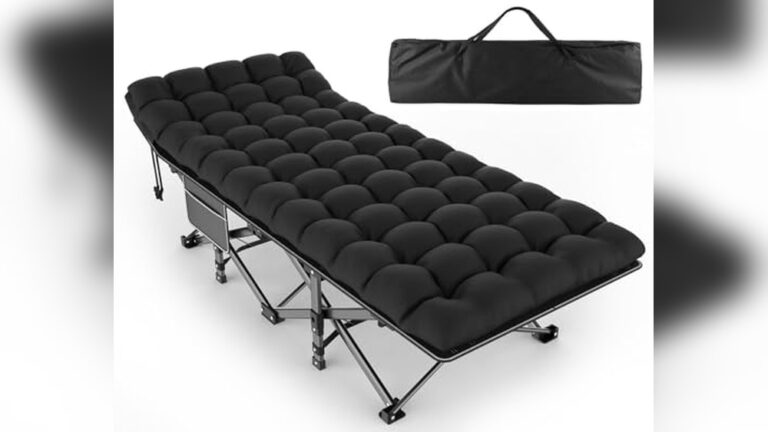
There are several types of camping cots available. Standard cots use a simple frame and fabric surface. Backpacking cots are lightweight and fold small for easy carrying. Elevated cots have higher legs to keep you well off the ground. Some cots come with added features like sleeping pads or mosquito nets.
Materials And Durability
Frame materials affect cot strength and weight. Aluminum frames are light and resist rust. Steel frames are heavier but very strong. Fabric also matters; polyester and nylon are common choices. These fabrics dry quickly and resist tearing. Durable materials last longer in rough outdoor conditions.
Size And Weight Considerations
Size influences comfort and portability. Longer and wider cots offer more sleeping space. Smaller cots are easier to carry and fit in tents. Weight is key if you hike to your campsite. Choose a cot that balances comfort with how much weight you can carry. Check the packed size for storage space.

Credit: manuals.plus
Setting Up Your Camping Cot
Setting up your camping cot correctly ensures a comfortable rest outdoors. This process is simple but requires attention. Follow these steps to prepare your cot quickly and safely. Proper setup prevents damage and makes your camping experience better.
Unfolding And Assembly Steps
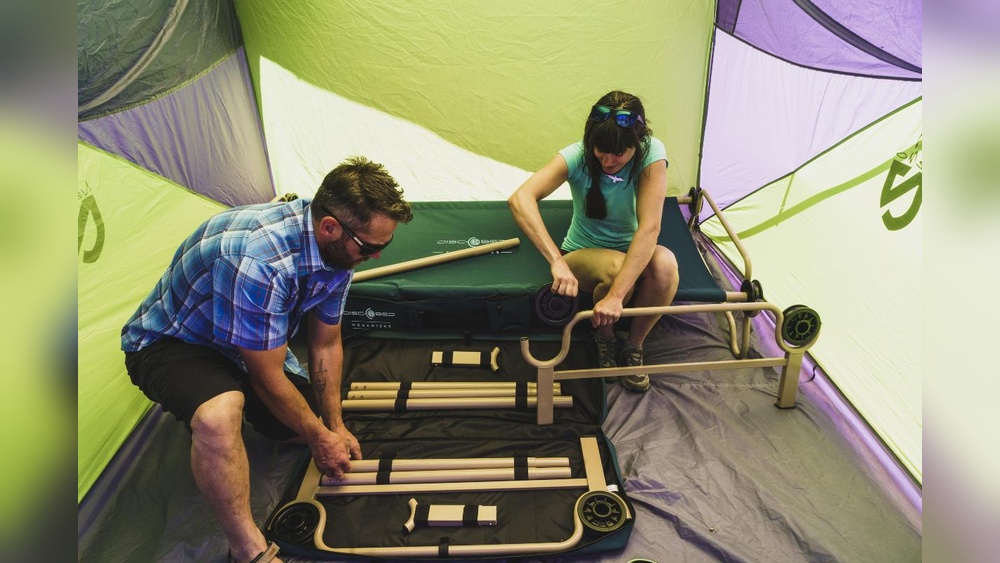
Start by removing the cot from its carrying bag. Place it on a flat surface. Unfold the frame carefully, spreading out each section. Insert the legs firmly into their slots. Make sure the fabric is stretched tight. Press down on the frame to secure it flat. Check for any loose parts before use.
Locking Mechanisms And Safety
Engage all locking mechanisms to hold the frame in place. Listen for clicks or snaps as locks secure. Test the cot by pressing gently on the surface. Confirm it does not collapse or shift. Double-check locks after moving the cot. Proper locking keeps you safe while sleeping.
Common Setup Mistakes To Avoid
Avoid setting the cot on uneven ground. This causes instability and discomfort. Do not skip locking the side rails. It may lead to sudden collapse. Avoid forcing parts together; this can break the frame. Ensure fabric is taut to prevent sagging. Taking your time prevents errors and keeps you safe.
Optimizing Comfort On The Cot
Optimizing comfort on your camping cot makes a big difference in your outdoor sleep. A cot alone can feel hard and cold. Adding a few simple touches helps you rest well. Comfort keeps you energized for the next day’s adventures. The following tips show how to improve your cot setup easily.
Adding Padding And Insulation
Place a foam pad or inflatable mattress on the cot frame. This softens the hard surface and adds cushion. Use a sleeping mat designed for camping to keep warmth. Insulation prevents cold from the ground reaching your body. Layer materials to get the right thickness and warmth for your needs.
Using Pillows And Blankets
Bring a small camping pillow or a regular one from home. Pillows support your neck and head, easing tension. Use blankets or a sleeping bag for warmth and softness. Layer blankets if nights are cold. Choose breathable fabrics to avoid overheating inside the tent or shelter.
Adjusting For Sleeping Positions
Shift your padding to support your favorite sleep pose. Back sleepers may want extra padding under the lower back. Side sleepers need cushioning for hips and shoulders. Stomach sleepers benefit from a thinner pad to keep spine aligned. Adjust pillows to fill gaps and keep your neck neutral.
Maintaining And Caring For Your Cot
Maintaining and caring for your camping cot ensures it stays comfortable and safe for every trip. A well-kept cot lasts longer and performs better. Small efforts after each use keep it in top shape. Learn simple steps to clean, store, and repair your cot.
Cleaning After Use
Remove dirt and dust with a soft brush or cloth. Wipe the fabric with mild soap and water. Avoid harsh chemicals that can damage the material. Let the cot dry completely before folding. Drying prevents mold and bad odors. Clean the frame with a damp cloth. Check for any stuck debris in joints or hinges.
Storage Tips To Extend Longevity
Store the cot in a cool, dry place. Avoid direct sunlight to prevent fabric fading. Keep it away from damp areas to stop rust and mold. Use a protective bag or cover for dust protection. Do not stack heavy items on top of the cot. Loosen straps or fasteners to reduce tension on fabric. Folding the cot properly prevents damage to the frame.
Repairing Common Issues
Check fabric for tears or holes regularly. Patch small holes with repair tape or patches made for camping gear. Tighten loose screws or bolts on the frame. Replace bent or broken parts if possible. Lubricate hinges and joints with light oil to keep them moving smoothly. Fixing issues early prevents bigger problems later. Keep a small repair kit handy during camping trips.
Camping Cot Vs Other Sleeping Options
Choosing the right sleeping option for camping affects your comfort and rest quality. Camping cots stand out among popular choices like air mattresses and sleeping pads. Each option has unique features that suit different camping styles and needs. Understanding these differences helps you pick the best gear for your outdoor sleep.
Comparing With Air Mattresses
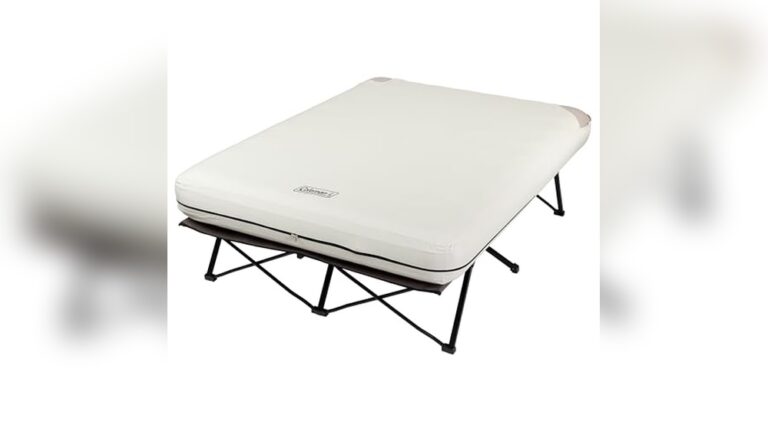
Air mattresses offer soft, cushioned sleep similar to a bed. They inflate to provide padding against hard ground. Cots keep you elevated, avoiding damp or uneven surfaces. Air mattresses are bulkier and heavier to carry. Cots fold into compact sizes, making them easier to transport. Air mattresses may puncture or leak, causing discomfort. Cots use sturdy frames and fabric, lasting longer in rough conditions. Setup time for air mattresses varies with pumps. Cots typically open and lock quickly. Air mattresses offer more softness, but cots provide stable support.
Pros And Cons Over Sleeping Pads
Sleeping pads are lightweight and easy to carry. They add cushioning directly on the ground. Pads are less expensive and take little space. Cots lift you off the ground completely. This keeps you warmer by avoiding cold soil. Cots offer better back support for those with aches. Pads can be uncomfortable on rocks or roots. Pads need inflating or rolling out, which can be slow. Cots are quicker to set up and more durable. Pads suit minimalist campers; cots suit those who want comfort and elevation.
When To Choose A Cot
Choose a cot if you want to stay off the ground. Cots are ideal for uneven or wet terrain. They provide better air circulation under your body. Campers with back pain benefit from cot support. Use a cot for longer camping trips or base camps. Cots work well when space allows in your tent. Avoid cots if you must pack very light. Also, if you camp in windy or very cold places, additional insulation may be needed. Cots suit car camping or short hikes with a vehicle nearby.
Credit: www.walmart.com
Tips For Camping Cot Use In Different Conditions
Using a camping cot adds comfort and convenience to outdoor sleeping. Different weather and terrain need specific care for the best experience. Adjusting your setup can improve rest and protect the cot from damage. Follow simple tips to make the most of your camping cot in various conditions.
Cold Weather Strategies
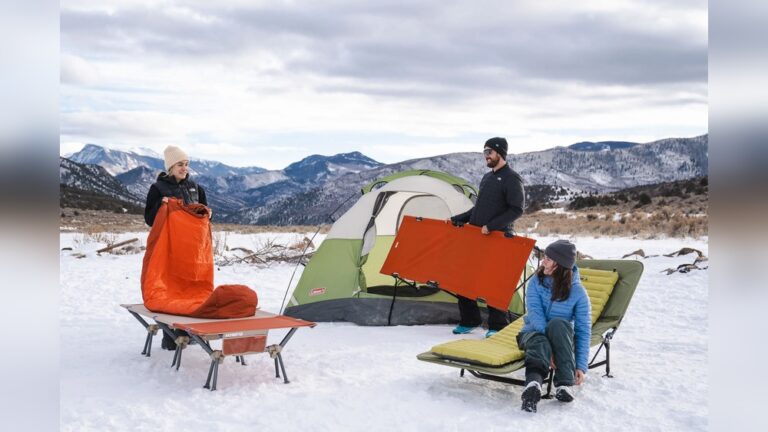
Cold air moves under the cot, making you colder. Use an insulated sleeping pad on top of the cot for warmth. Add a thick sleeping bag rated for low temperatures. Cover the cot with a blanket to block drafts. Keep your feet and hands warm with extra socks and gloves. Avoid placing the cot on frozen ground to protect its legs.
Hot Weather Adjustments
Heat rises, so sleeping off the ground helps you stay cool. Choose a cot with breathable fabric for better airflow. Use lightweight bedding and a thin sleeping bag or sheet. Set up your cot in the shade to avoid direct sun. Use a mosquito net if bugs are a problem. Stay hydrated and wear light clothing for comfort.
Using Cots In Various Terrains
Flat surfaces are best for setting up a camping cot. On rocky or uneven ground, clear sharp objects first. Use a ground tarp under the cot to protect it from dirt and moisture. On soft soil, ensure the cot legs do not sink by placing boards or flat stones underneath. Avoid setting up on steep slopes to prevent tipping. Test stability before sleeping to stay safe.
Enhancing Your Camping Experience
Camping cots offer a comfortable sleeping surface off the ground. They protect you from cold, moisture, and insects. Using a cot properly enhances rest and recovery during camping trips.
Combining your camping cot with the right accessories can improve your overall experience. This section covers useful tips on integrating cots with tents, choosing portable cot tents, and packing efficiently for travel.
Combining Cot With Tent Accessories
Pair your camping cot with a quality sleeping bag for warmth. Use a sleeping pad on top for extra cushioning. Attach a mosquito net to keep bugs away. Consider a cot-sized tarp for rain protection. These additions make sleeping more pleasant and safe.
Portable Cot Tent Options
Many tents now fit directly over camping cots. These cot tents save space and set up quickly. They offer ventilation and bug protection. Some models have built-in floors to keep dirt out. Portable cot tents are ideal for solo campers or minimalists.
Packing And Transport Tips
Fold your camping cot carefully to avoid damage. Use a carry bag to keep it compact. Pack lightweight accessories separately for balance. Load the cot flat to prevent bending. Label the bag for easy identification during trips.
Frequently Asked Questions
How To Use The Camping Cot In Animal Crossing?
Place the camping cot indoors in Animal Crossing: New Horizons. Lie down on it, then select “Sleep” to visit a dream island. Use it as a functional furniture item to relax or access special gameplay features.
How To Set Up A Portable Cot?
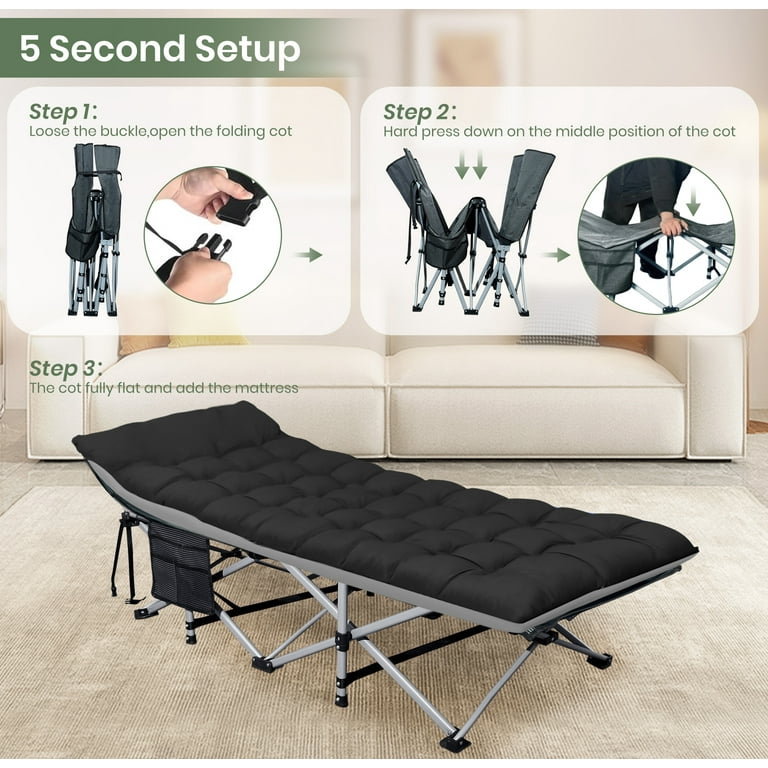
Unfold the portable cot frame fully and lock side rails into place. Press down the base until flat. Add mattress or padding if needed.
How To Set Up A Sleeping Cot?
Unfold the cot frame fully and lock side rails into place. Press down on the base until flat. Add mattress or padding for comfort.
What Are The Disadvantages Of Using A Tent Cot?
Tent cots are heavy and bulky, making them unsuitable for backpacking. They offer limited interior space and low headroom. They lack insulation, requiring extra padding for warmth. Tent cots also tend to be expensive and best suited for car camping due to their weight and size.
Conclusion
Using a camping cot makes outdoor sleeping more comfortable and easy. Follow the steps carefully to set it up right. A well-set cot keeps you off the cold ground. It helps improve your camping rest and energy. Practice assembling it before your trip for faster setup.
With simple care, your cot will last many trips. Enjoy peaceful nights under the stars with your camping cot.

I am an outdoor enthusiast and gear researcher passionate about camping, hiking, backpacking, and outdoor adventures. I enjoy testing gear, comparing products, and sharing practical advice to help readers make informed decisions. At BestOutsideGear, I create honest gear reviews, buying guides, and outdoor tips to help adventurers choose the right equipment with confidence.