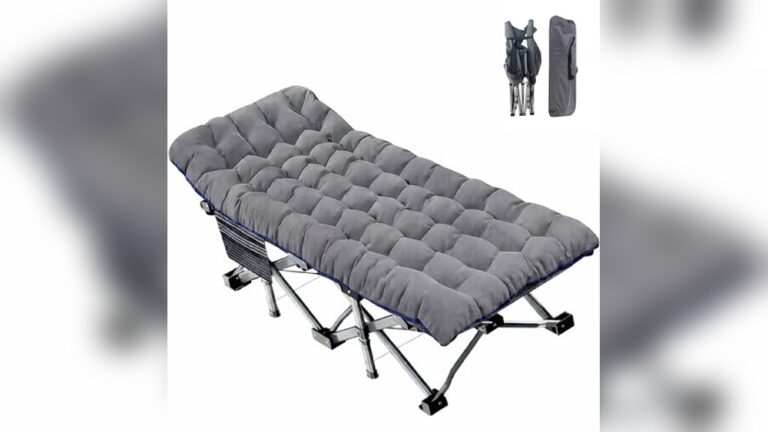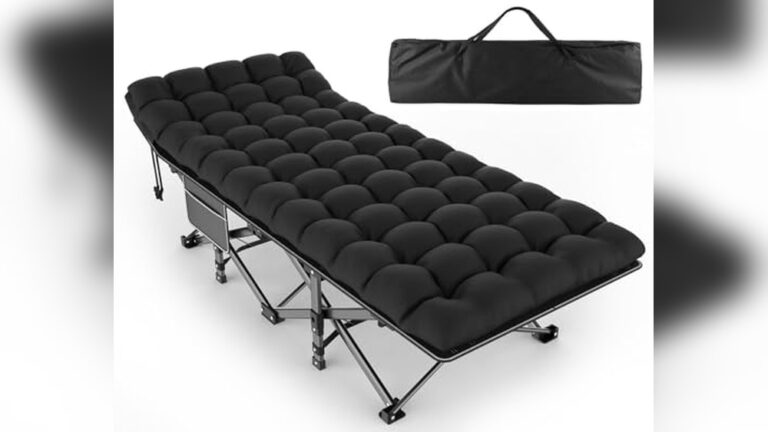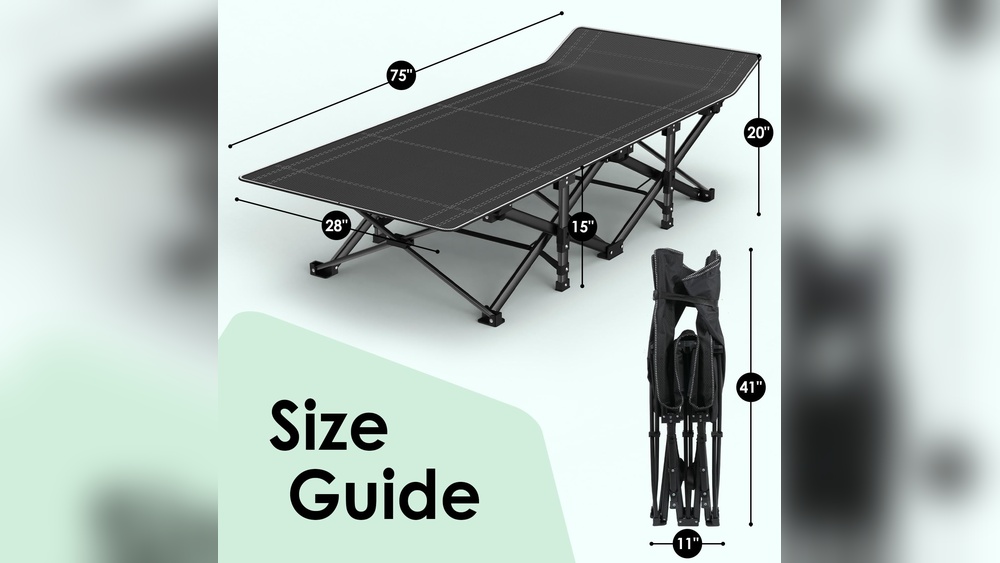
Size Guide for Camping Cot: Ultimate Tips for Perfect Fit
Finding the perfect camping cot can transform your nights outdoors from uncomfortable to truly restful. But how do you choose the right size that fits your body, your gear, and your tent?
If your cot is too small, you’ll wake up stiff and tired; too big, and it might not fit your camping space or pack well. This size guide for camping cots will help you understand the key measurements and features to look for, making sure you get a cot that supports your sleep and suits your adventure style.
Keep reading to discover how the right size cot can boost your comfort and make every camping trip better.
Size And Weight Capacity
Choosing the right size and weight capacity of a camping cot is crucial for a comfortable night’s sleep outdoors. The cot must fit your body length and width and support your weight safely. Understanding these details helps you pick a cot that suits your camping style and body type.
Length And Width Considerations
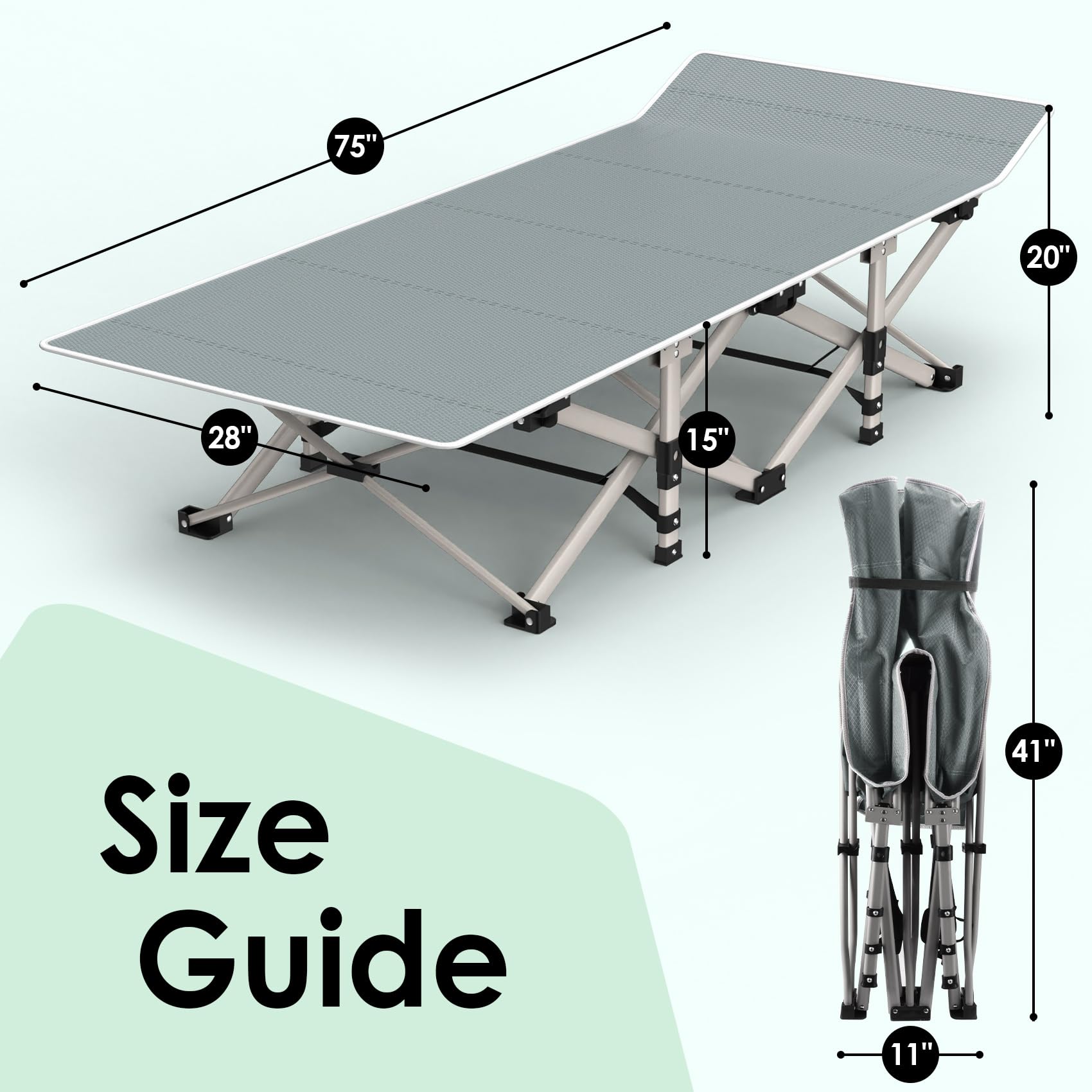
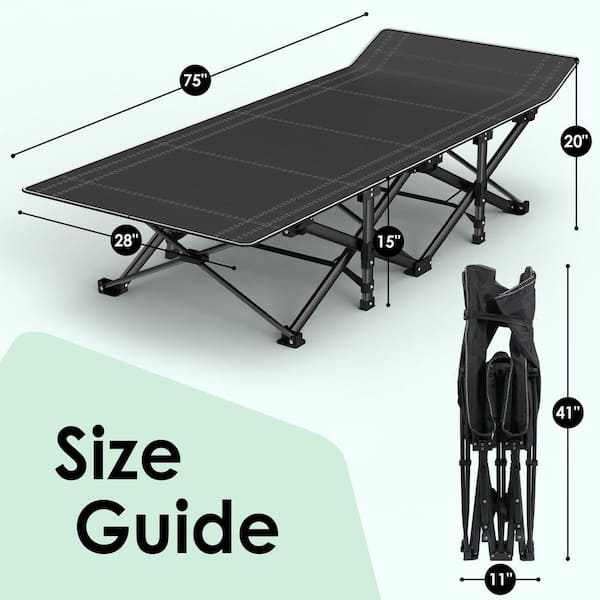
Camping cots come in different lengths and widths. Most standard cots are about 72 inches long and 25 inches wide. This size fits most people comfortably. Taller campers should check the cot length carefully to avoid feet hanging off the edge. Wider cots offer more space to move but add weight and bulk. Pick a size that balances comfort and portability.
Weight Limits For Safety
Each camping cot has a weight limit. This limit ensures the cot supports the user without breaking. Common weight capacities range from 250 to 350 pounds. Staying within the weight limit keeps the cot stable and safe. Check the product details before buying to avoid damage or injury. Remember, heavier users need stronger, more durable cots.
Extra-long Models For Taller Campers
Taller campers need extra-long cots for better comfort. These cots measure around 80 inches or more in length. Extra length prevents feet from hanging off, reducing discomfort and cold exposure. Some models also offer wider frames for added space. Choose extra-long cots for better rest on longer trips or if you are over 6 feet tall.
Credit: labiosthetique.ee
Material And Frame
Choosing the right material and frame for your camping cot affects comfort and durability. The frame supports your weight and shapes the cot. The fabric holds you securely and resists wear. Both parts must balance strength and weight. This ensures your cot lasts and stays easy to carry.
Aluminum Vs Steel Frames
Aluminum frames are lightweight and resist rust. They suit backpackers who carry gear long distances. Steel frames are heavier but very strong. They handle rough use and support more weight. Steel cots often cost less but add bulk. Aluminum cots cost more but save weight.
Durable Fabric Types
Polyester and canvas are common fabrics for cots. Polyester dries fast and resists stains. It stays firm but can feel stiff. Canvas is heavy but very tough and breathable. Both fabrics stretch less under pressure. Choose a fabric that feels comfortable and lasts through trips.
Weight Vs Strength Trade-offs
Lightweight materials make cots easy to carry. Heavy materials provide better durability and support. A strong frame with tough fabric lasts longer but weighs more. A light cot suits short trips or solo hikers. A heavy cot works well for car camping and longer stays.
Portability And Setup
Portability and setup are key factors when choosing a camping cot. A cot should be easy to carry and quick to set up. This makes your camping experience more enjoyable and less stressful. Different camping styles need different cot features. Backpackers want lightweight and compact models. Car campers prefer sturdier cots with simple assembly. Understanding these aspects helps pick the right cot for your trip.
Ultralight Options For Backpacking
Ultralight cots are perfect for backpackers. They weigh very little, often under 3 pounds. These cots use strong, lightweight materials like aluminum. Their designs fold small to fit in backpacks. Despite the light weight, they support a good amount of weight. These cots give comfort without adding bulk to your pack. Easy to carry on long hikes and rough trails.
Ease Of Assembly For Car Camping
Car camping cots often offer quick and simple setup. Most use foldable frames that snap open or slide into place. No tools are needed, saving time and effort. Some models feature clip-on fabric or pre-attached sleeping surfaces. These cots balance durability with fast assembly. Perfect for setting up camp after a long drive. Allows more time to relax and enjoy nature.
Packed Size And Storage
The packed size of a camping cot affects transport and storage. Ultralight models pack down very small, fitting inside backpacks. Larger car camping cots fold into compact bundles but take more space. Look for cots with carry bags or straps for easy handling. Consider storage space in your vehicle or tent. A smaller packed size means less hassle and better convenience.
Credit: www.amazon.com
Comfort Features
Comfort features play a key role in choosing the right camping cot. A cot must support your body well for a restful sleep. Various features improve comfort and can suit different sleeping styles and preferences. These features include added sleeping pads, support for side sleepers, and height with integrated accessories.
Adding Sleeping Pads
Sleeping pads add extra cushioning on top of a camping cot. They soften the hard surface and improve insulation from the cold ground. Pads come in foam, air, or self-inflating types. A good sleeping pad reduces pressure points, helping you wake up pain-free. It also keeps you warm during cold nights. Choose a pad that fits your cot size for the best comfort.
Support For Side Sleepers
Side sleepers need extra support to relieve pressure on hips and shoulders. Some cots have fabric that contours to your body shape. This design helps spread your weight evenly. Adding a thick sleeping pad also cushions sensitive areas. Side sleepers should look for cots with wide frames for more space. Proper support helps you avoid aches and ensures a better night’s rest.
Height And Integrated Accessories
The height of a camping cot affects comfort and ease of use. Taller cots are easier to get on and off, reducing strain on knees and back. Some cots include built-in headrests or pockets for small items. These accessories add convenience during camping trips. Consider height and extras based on your needs. A cot with the right height and accessories enhances your overall camping experience.
Types Of Camping Cots
Camping cots come in various types to suit different outdoor needs. Each type offers unique features for comfort, weight, and portability. Choosing the right cot depends on your camping style and space requirements. Understanding the main types helps you pick the best fit for your adventures.
Standard Car Camping Cots
Standard car camping cots are sturdy and heavy. They provide excellent comfort for longer stays. These cots often have strong frames made of steel or aluminum. They fold up but are bulkier and heavier. Car campers value their durability and support. These cots fit well in cars but are not ideal for backpacking.
Ultralight Backpacking Cots
Ultralight backpacking cots are designed for easy carrying. They use lightweight materials like aluminum and thin fabric. These cots fold small to fit into backpacks. They balance comfort with low weight and compact size. Backpackers prefer these cots to reduce load. Setup is usually quick, perfect for short trips.
Bunk And Modular Cots
Bunk and modular cots are versatile and space-saving. They stack for multiple sleepers in tents or cabins. Modular cots can be connected or separated as needed. They offer custom layouts for group camping. These cots are sturdy but may weigh more. Ideal for families or groups sharing limited space.
Fit For Tent And Body
Choosing the right camping cot means thinking about your tent space and your body size. A cot must fit inside your tent without crowding. It should also support your body comfortably during sleep. Proper fit improves rest and camping enjoyment. Size matters for both the cot and the tent.
Matching Cot Size To Tent Space
Measure your tent’s floor area before buying a cot. Consider space for sleeping bags and gear. Pick a cot that leaves room to move inside the tent. A cot too big will make the tent cramped. Smaller tents need compact cots for comfort. Check tent dimensions and cot size carefully.
Body Size And Sleeping Position
Your height and sleeping style affect cot choice. Taller people need longer cots for full body support. Wide cots help those who move or sleep on their side. Narrow cots can feel tight for larger bodies. Side sleepers benefit from a cot with extra width or padding. Match the cot size to your usual sleep position.
Checking Cot Dimensions
Look at cot length, width, and height before purchase. Length should exceed your height by several inches. Width depends on personal comfort and sleeping position. Height affects ease of getting in and out. Read product details for exact measurements. Confirm dimensions fit your tent and body comfortably.
Insulation And Warmth
Camping cots lift you above cold, hard ground. This helps reduce heat loss and improve sleep quality. Yet, cots alone do not provide enough insulation. Adding layers and using the right accessories keeps you warm through chilly nights. Understanding insulation options is key for cozy camping.
Using Sleeping Pads For Warmth
Sleeping pads add a critical layer between your body and the cot. They trap warm air close to you, boosting insulation. Closed-cell foam pads work well for insulation and durability. Inflatable pads offer extra comfort but may lose heat if thin. Pick a pad with a high R-value for colder conditions. Place it on top of the cot’s fabric for best warmth.
Cots And Ground Insulation
The cot frame stops direct contact with cold ground. Still, cold air flows underneath and cools the underside of your body. Use an insulated sleeping pad or blanket on the cot surface. Reflective emergency blankets can also block heat loss under your pad. Avoid letting cold drafts reach your sleeping area. Raising your cot slightly higher can improve airflow and reduce dampness.
Cold Weather Camping Tips
Layer clothing to trap heat around your body. Use a sleeping bag rated for your camping temperature. Add a liner for extra warmth inside the bag. Keep your head and feet covered to prevent heat loss. Store gear inside your tent to reduce cold drafts. Dry your sleeping pad and cot fabric before use to avoid moisture chills. Practice setting up your cot and insulation gear before cold trips.
Quick Selection Checklist
Choosing the right camping cot can make your outdoor sleep much better. Use this quick selection checklist to find a cot that fits your needs. Focus on your camping style, weight limits, and how easy it is to carry and set up. This way, you get comfort and convenience in one package.
Assessing Camping Style
Think about how you camp. Car campers can carry heavier, larger cots. Backpackers need lightweight, compact ones. Camping duration also matters. Short trips may not need extra features. Long stays benefit from durable, comfortable cots. Match the cot to your usual camping habits.
Verifying Weight Ratings
Check the cot’s weight capacity. It should support your body weight plus gear. Add extra weight for safety. Avoid cots that just barely hold your weight. Strong frames and sturdy fabric help keep you safe. Weight ratings ensure the cot lasts and stays stable.
Testing Setup And Portability
Try setting up the cot before buying. Quick and easy setup saves time. Check how much it weighs when packed. Smaller packed size fits better in backpacks or cars. Look for foldable designs with simple locks. Portability is key for comfort and convenience on the trail.
Credit: www.homedepot.com
Frequently Asked Questions
What Is The Standard Size For A Travel Cot?
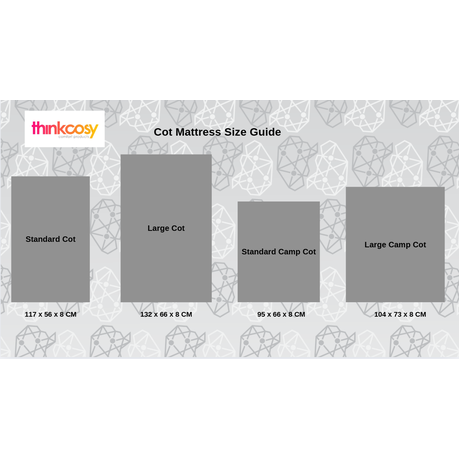
The standard travel cot size is approximately 120 cm by 60 cm (47″ by 24″). Sizes may vary slightly by brand.
How To Choose A Camping Cot?
Choose a camping cot by checking size and weight capacity, durable materials, ease of setup, portability, and comfort features like padding or height. Match the cot type to your camping style—ultralight for backpacking or sturdy for car camping. Ensure it fits your body and tent space.
How Long Can A Baby Use A Camp Cot?
Babies can use a camp cot from birth up to about 2-3 years old. Always check weight and size limits. Replace cot when your child outgrows it or starts climbing out. Ensure safety and comfort throughout use.
What Are The Standard Cot Sizes?
Standard cot sizes typically range from 72 to 80 inches long and 25 to 30 inches wide. Travel cots often measure around 40 x 20 inches. Choose sizes based on your height and available space for comfort and fit.
Conclusion
Choosing the right camping cot size makes your trip more comfortable. Measure your height and weight before buying. Pick a cot that fits your sleeping style and space needs. Remember, lightweight cots suit backpackers, while heavier ones fit car campers.
Add a sleeping pad for extra comfort and warmth. Think about features like height and storage pockets. A good-sized cot helps you rest well outdoors. Take time to compare options before deciding. Your perfect cot supports a better camping experience every time.

I am an outdoor enthusiast and gear researcher passionate about camping, hiking, backpacking, and outdoor adventures. I enjoy testing gear, comparing products, and sharing practical advice to help readers make informed decisions. At BestOutsideGear, I create honest gear reviews, buying guides, and outdoor tips to help adventurers choose the right equipment with confidence.