Best Ways to Clean Water Filter for Optimal Performance
You rely on your water filter every day to provide clean, fresh water for you and your family. But have you ever stopped to think about how to keep that filter working at its best?
Cleaning your water filter the right way is key to making sure your water stays pure and your filter lasts longer. You’ll discover the best, easy-to-follow methods to clean your water filter safely and effectively. By the time you finish reading, you’ll have simple tips that save you money and keep your water tasting great—so why wait?
Let’s dive in and get your filter sparkling clean!

Credit: www.youtube.com
Choosing The Right Filter
Deep cleaning water filters removes stubborn buildup and kills hidden germs. Regular cleaning keeps water fresh and filter effective. Simple rinsing may not clear all contaminants. Deep cleaning uses stronger solutions and methods. This restores flow and extends filter life.
Using Chlorine Dioxide Solutions
Chlorine dioxide kills bacteria and viruses inside filters. Use tablets or liquid forms made for water treatment. First, prepare a solution following product instructions. Then, run the solution through the filter slowly. Let the filter soak in the solution for 30 minutes. Rinse thoroughly with clean water before reuse. This method is safe and effective for deep disinfection.
Removing Calcium And Limescale
Hard water causes calcium and limescale buildup in filters. Use white vinegar or mild acid to dissolve these deposits. Soak the filter parts in vinegar for one hour. For thick buildup, gently scrub with a soft brush. Rinse all parts well with warm water after soaking. Removing scale improves water flow and filter performance.
Disinfecting With Bleach Safely
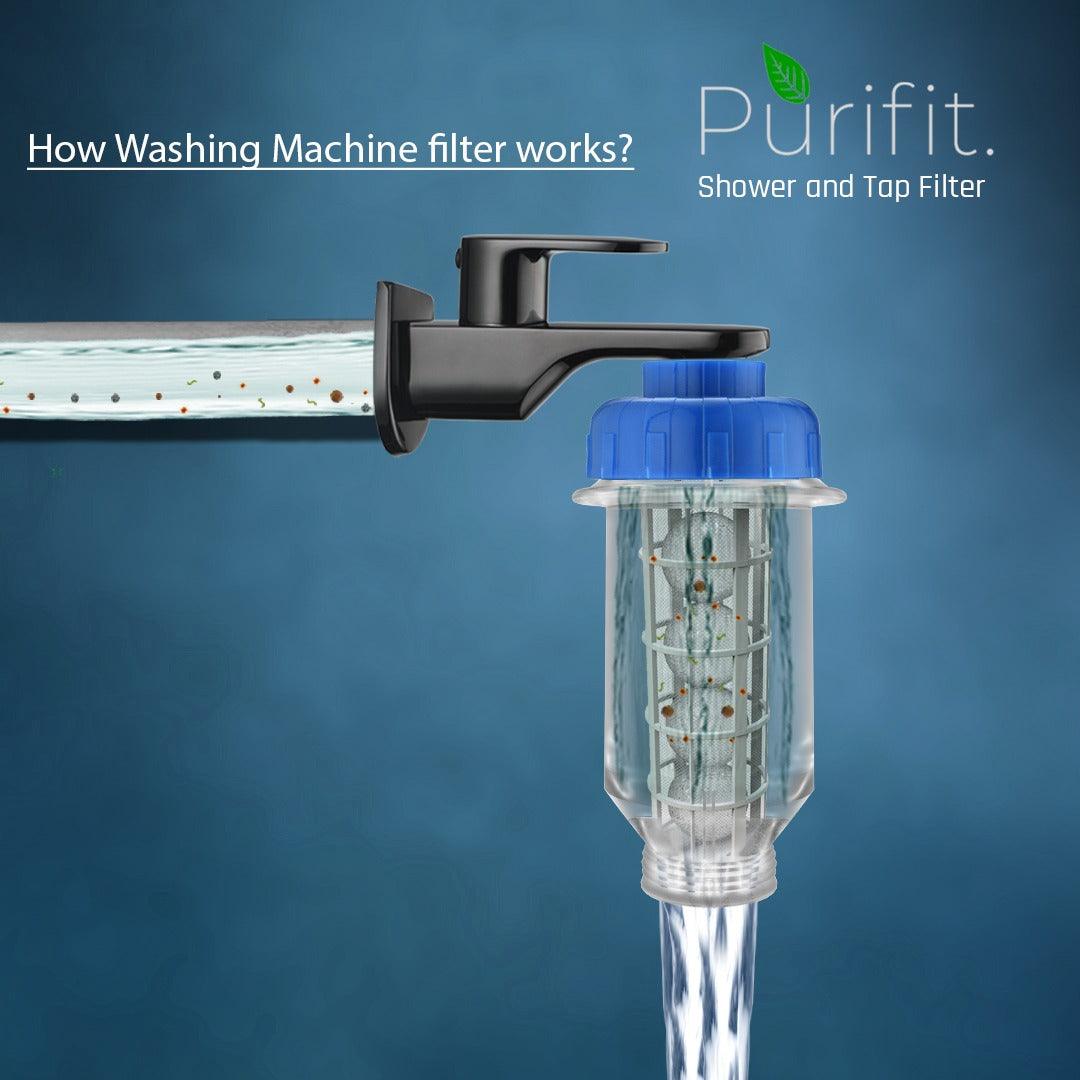
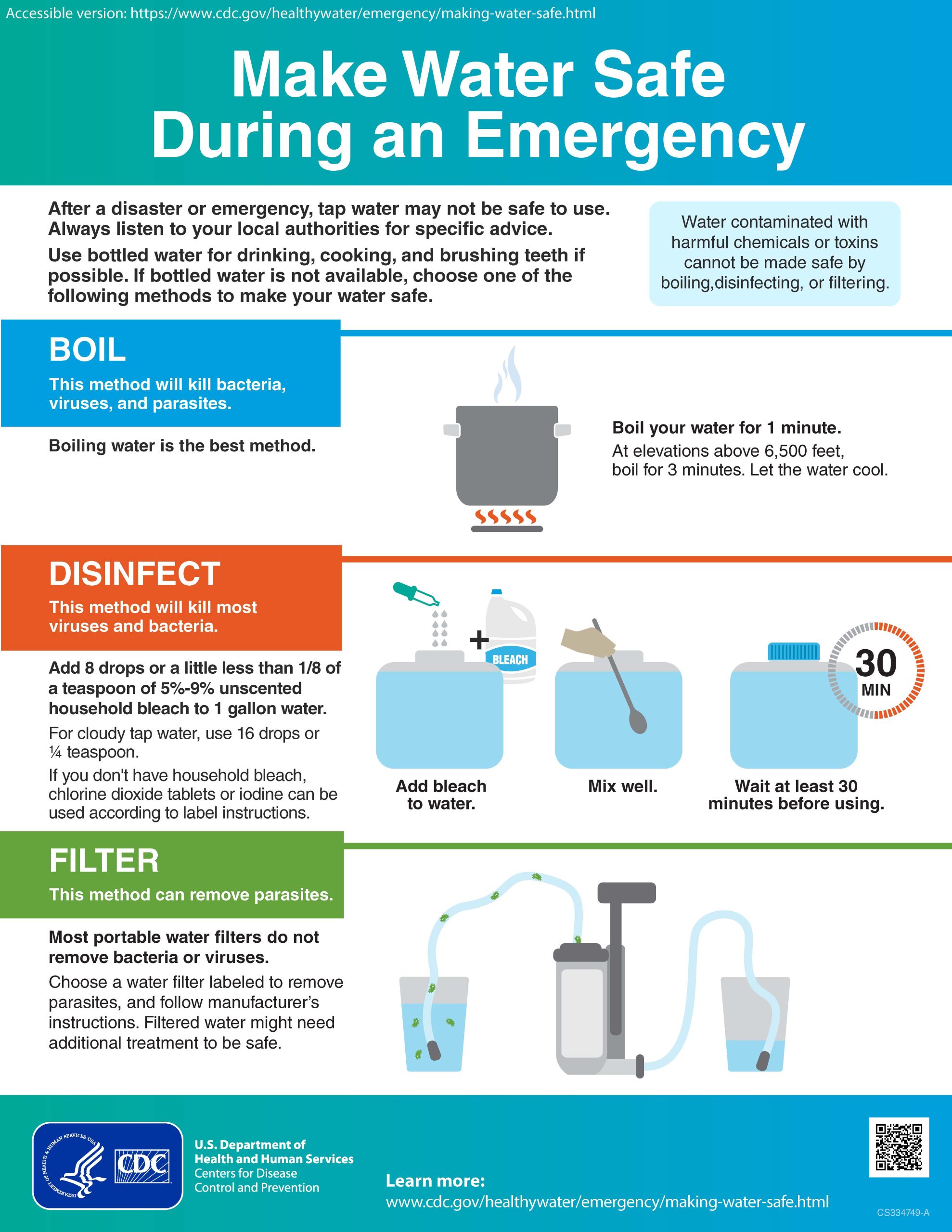
Bleach kills germs but must be used carefully. Mix one tablespoon of household bleach with one gallon of water. Soak the filter in this solution for 10 to 15 minutes only. Avoid longer soaking to prevent damage. After soaking, rinse the filter multiple times with clean water. Ensure no bleach smell remains before using the filter again.
Credit: purifit.in
Basic Cleaning Techniques
Different water filters need different cleaning methods. Knowing the right way to clean each filter type helps keep water fresh and safe. Proper cleaning also extends the life of your filter and keeps it working well.
Sediment Filters
Sediment filters catch dirt, sand, and rust particles. To clean them, first turn off the water supply. Remove the filter cartridge gently. Rinse the cartridge under running water to remove trapped particles. Use a soft brush if needed. Let it dry completely before reinstalling.
Carbon Filters
Carbon filters improve taste and remove chemicals. These filters usually cannot be cleaned deeply. Rinsing with water may remove surface debris. Avoid using soap or harsh chemicals. Replace carbon filters regularly as recommended by the manufacturer.
Ceramic Filters
Ceramic filters trap small particles and bacteria. Clean by scrubbing the surface with a soft brush. Use clean water to rinse off dirt. Avoid using soap or detergents. Regular cleaning keeps pores open and water flowing freely.
Pitcher Filters
Pitcher filters are easy to clean and maintain. Remove the filter cartridge and rinse it under cold water. Use a mild dish soap to clean the pitcher itself. Avoid soaking the filter cartridge in soap. Replace the cartridge as per the instructions for best results.
Deep Cleaning Methods
Proper maintenance extends the life of your water filter. Keeping it clean and cared for ensures fresh, safe water every day. Simple habits prevent damage and blockages in the system. Follow these tips to enjoy clear water longer.
Regular Cleaning Schedules
Set a routine to clean your water filter. Check the manufacturer’s instructions for timing. Usually, cleaning every 1 to 3 months works well. Regular cleaning stops buildup of dirt and minerals. This keeps water flowing smoothly and reduces wear on parts.
Proper Storage Techniques
Store the filter in a dry, cool place when not in use. Avoid leaving it in direct sunlight or damp areas. Remove and dry the filter completely before storage. Proper storage stops mold and bacteria growth. It also protects the filter’s materials from damage.
Avoiding Common Mistakes
Do not use harsh chemicals or bleach to clean the filter. These can damage the filter’s media and reduce effectiveness. Avoid scrubbing too hard, which may tear delicate parts. Never ignore slow water flow; it signals the need for cleaning. Replace filters on time to prevent clogging and water quality issues.
Cleaning Specific Filter Types
Troubleshooting common issues with your water filter helps maintain clean, fresh water. Problems can reduce filter efficiency and water quality. Knowing how to fix these issues saves time and money. Here are some frequent problems and simple solutions to keep your filter working well.
Slow Water Flow
Slow water flow often means the filter is clogged. Dirt and minerals build up inside the filter over time. To fix this, soak the filter in white vinegar for one hour. Vinegar dissolves mineral deposits and clears blockages. After soaking, flush the filter with warm water to remove loosened debris. Repeat this process if flow remains slow. Regular cleaning prevents clogs and maintains water speed.
Unpleasant Tastes Or Odors
Bad tastes or smells can come from bacteria or trapped chemicals in the filter. Clean the filter by rinsing it under cold water for several minutes. If the issue continues, soak the filter in a mixture of water and baking soda for 30 minutes. Baking soda neutralizes odors and refreshes the filter. Always replace filters according to the manufacturer’s schedule to avoid stale water.
Filter Damage And Replacement
Physical damage like cracks or tears in the filter reduces its effectiveness. Inspect your filter regularly for any signs of wear. If damaged, do not try to repair it. Replace the filter immediately to ensure safe water. Using a damaged filter risks contamination and poor water quality. Keep spare filters handy and follow replacement guidelines closely.
Credit: www.cdc.gov
Frequently Asked Questions
What Can I Use To Clean A Water Filter?
Use white vinegar to soak the water filter for an hour, then rinse thoroughly with warm water. Avoid harsh chemicals.
What Is The Best Water Filter For Giardia?
The best water filters for Giardia use microfiltration or hollow fiber technology. Brands like Sawyer and Katadyn effectively remove Giardia cysts. Choose filters with pore sizes of 0. 1 microns or smaller to ensure safe drinking water free from Giardia contamination.
When To Replace A Doulton Water Filter?
Replace your Doulton water filter every 6 to 12 months or after filtering 1,200 to 4,000 liters. Monitor flow rate; slow flow signals replacement. Clean with vinegar monthly to remove buildup and extend filter life.
Can I Put Vinegar In My Filter To Clean It?
You can soak your water filter in vinegar for about an hour to remove calcium buildup. Then, backflush it with warm water. This method helps restore flow and cleanliness effectively. Avoid using vinegar too often to prevent damage.
Conclusion
Keeping your water filter clean ensures fresh, safe water daily. Regular cleaning removes dirt, minerals, and buildup easily. Use simple methods like soaking in vinegar or backflushing with warm water. Clean filters last longer and work better. Remember to check your filter often and clean it when flow slows.
A clean filter protects your health and improves water taste. Follow these easy steps to maintain your water filter well. Clean water starts with clean filters. Simple care saves money and keeps water fresh.

I am an outdoor enthusiast and gear researcher passionate about camping, hiking, backpacking, and outdoor adventures. I enjoy testing gear, comparing products, and sharing practical advice to help readers make informed decisions. At BestOutsideGear, I create honest gear reviews, buying guides, and outdoor tips to help adventurers choose the right equipment with confidence.