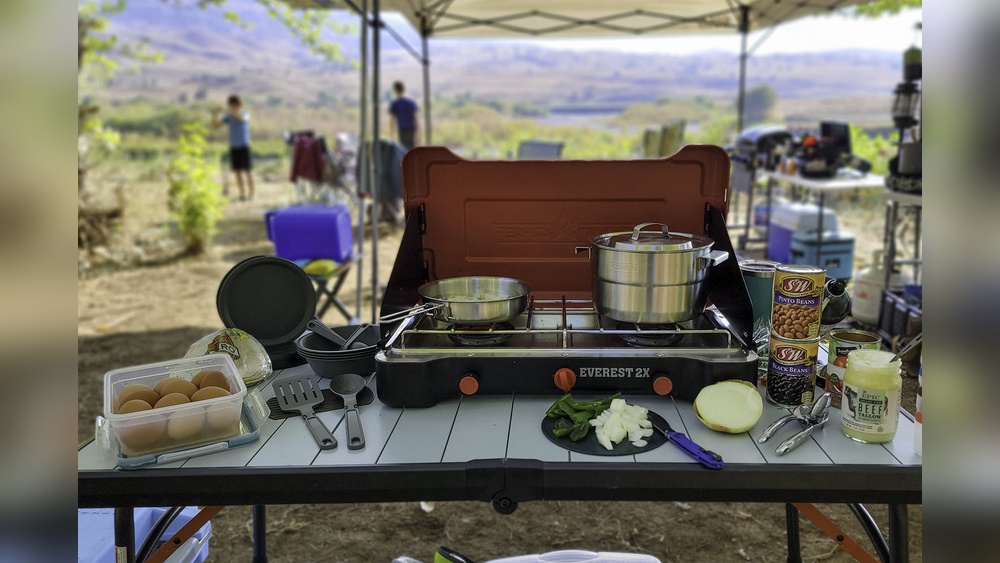
Maintenance Tips for Camping Pans
You love the freedom of cooking outdoors, but your camping pans can quickly become a hassle if not cared for properly. Imagine reaching for your favorite pan only to find it coated with stubborn stains or rust.
Frustrating, right? Keeping your camping pans in top shape not only makes cooking easier but also extends their life, saving you money and effort on your next adventure. You’ll discover simple, effective maintenance tips that anyone can follow—no fancy tools or complicated steps needed.
Stick with me, and you’ll learn how to keep your pans clean, rust-free, and ready for every meal under the sky.
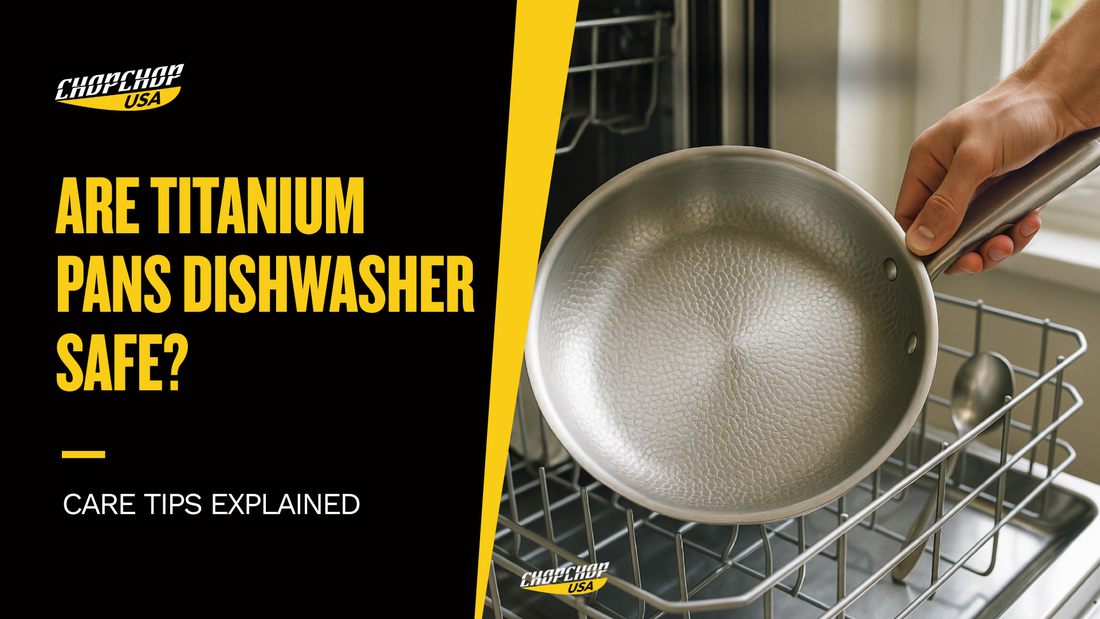
Credit: chopchopusa.com
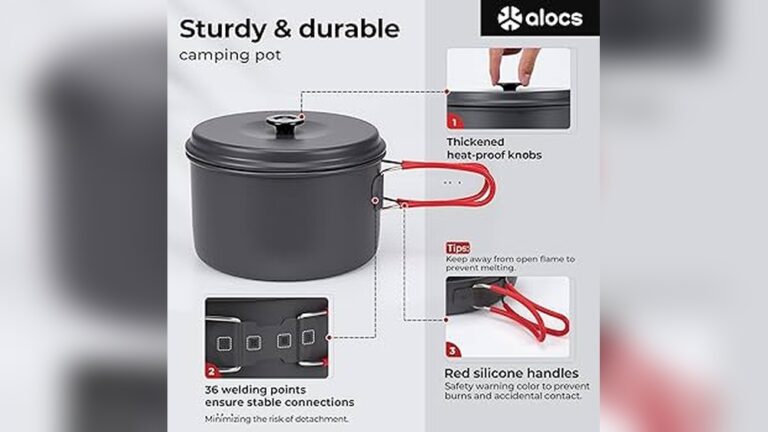
Choosing Durable Camping Pans
Proper drying and storage of camping pans extend their life and keep them safe to use. Moisture left on pans can cause rust and corrosion. Dirt or food residue stored inside pans invites bacteria and bad smells. Safe packing prevents dents and scratches during travel. Using protective cases adds a layer of defense against damage. Follow these tips to keep your camping pans clean and ready for your next trip.
Preventing Rust And Corrosion
Dry pans completely after washing. Use a clean towel to wipe off all moisture. Let pans air dry upside down to remove hidden water drops. Avoid storing pans while damp or wet. Apply a thin layer of cooking oil on cast iron pans to block moisture. Keep pans in a dry place to stop rust from forming. Check pans regularly for signs of rust and clean them promptly.
Proper Packing Methods
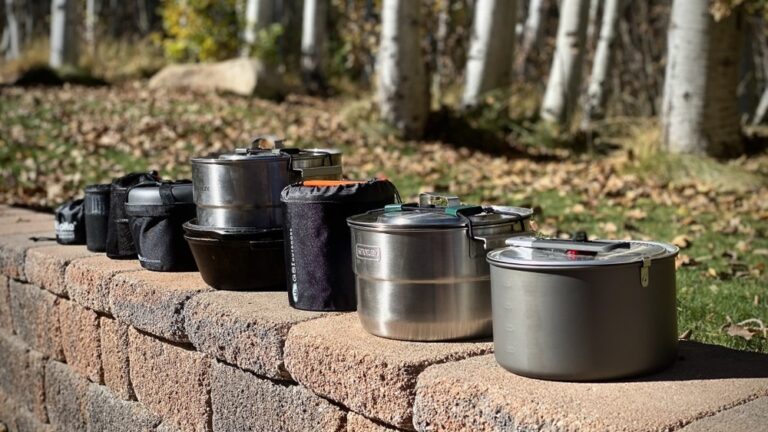
Stack pans carefully to avoid scratches. Place a soft cloth or paper towel between each pan. Do not overload your backpack with heavy pans to prevent bending. Keep lids separate or secured to avoid damage. Pack pans in an upright position if possible. Remove loose food particles before packing to stop mold growth. Organize your gear to keep pans easily accessible and safe.
Using Protective Cases
Use padded cases designed for camping cookware. These cases protect pans from impacts and dirt. Choose waterproof cases to keep moisture away during rain. A good case prevents pans from rubbing against other gear. Clean cases regularly to avoid transferring dirt to pans. Carry cases with handles or straps for easy transport. Replace worn-out cases to maintain full protection.

Credit: silverantoutdoors.com
Cleaning Techniques On The Trail
Camping pans are essential gear for outdoor cooking. Taking care of them ensures they last longer and perform better. Avoiding common mistakes can save you time and money. Here are three frequent errors to watch out for.
Using Abrasive Tools
Scrubbing your camping pans with steel wool or harsh brushes can damage their surface. It may scratch non-stick coatings or remove seasoning on cast iron pans. Use soft sponges or nylon brushes instead. Gentle cleaning protects the pan’s finish and cooking quality.
Storing While Wet
Putting away pans that are still wet invites rust and mold growth. Water trapped inside can cause corrosion, especially on cast iron and steel pans. Always dry your pans completely before storage. Air dry or wipe them down with a clean cloth to prevent damage.
Overheating Pans
Heating pans too much can warp their shape or ruin coatings. Non-stick surfaces can break down and release harmful fumes if overheated. Use moderate heat and avoid empty pans on high flames. Controlled heat keeps pans safe and cooking efficient.
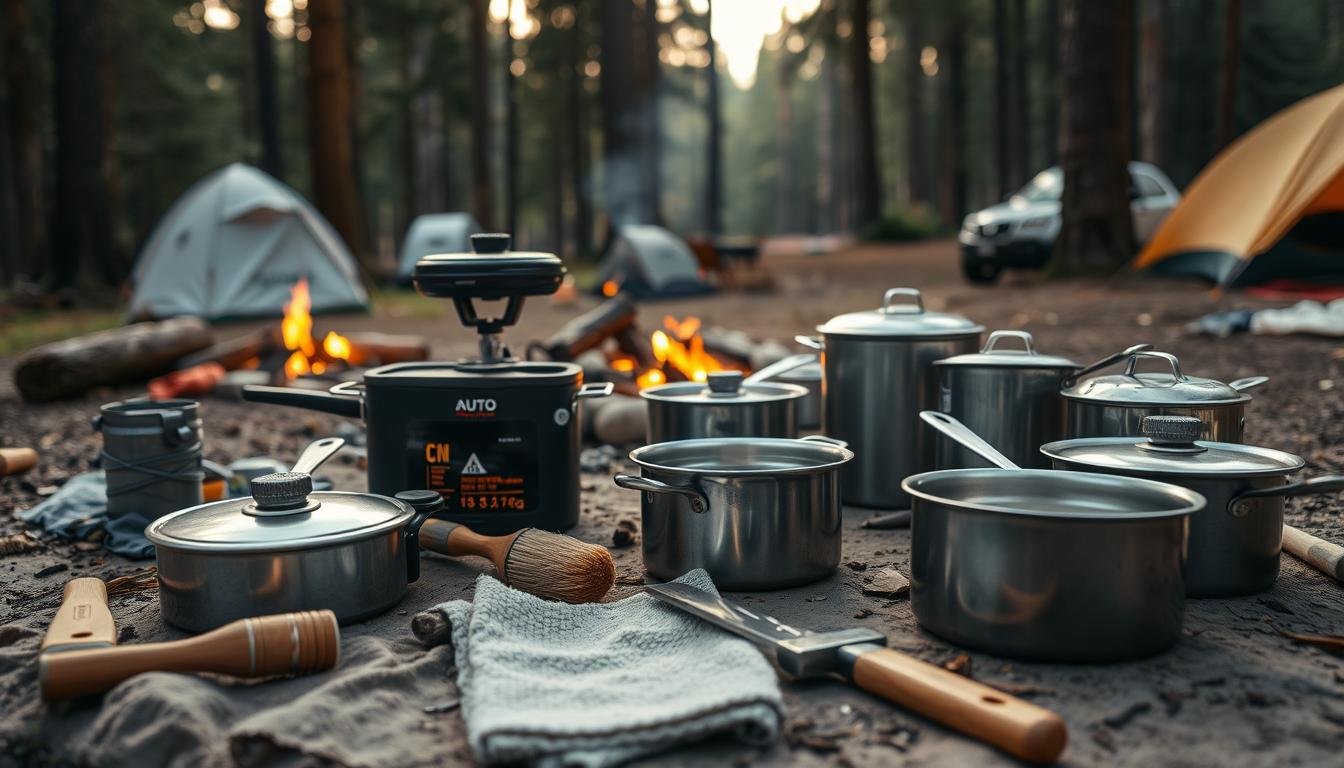
Credit: wanderonbudget.com
Frequently Asked Questions
What Are The 7 C’s Of Camping?
The 7 C’s of camping are: Campfire, Cooking, Clothing, Comfort, Cleanliness, Communication, and Caution.
How To Clean Camping Cookware?
Rinse camping cookware with hot water immediately after use. Scrub with a non-abrasive sponge and mild soap. Dry thoroughly to prevent rust. Use biodegradable soap for the environment. Store cookware in a dry place to keep it clean and ready for your next trip.
What Is The Most Forgotten Item When Camping?
The most forgotten camping items include extra batteries, insect repellent, first aid kits, and cooking utensils. These essentials ensure safety and convenience outdoors.
What Are Some Common Camping Stove Problems?
Common camping stove problems include clogged burner ports, uneven or weak flames, ignition failure, fuel leaks, and regulator issues. Dirt, food spills, and soot often cause blockages. Regular cleaning and proper storage help prevent these issues and ensure reliable stove performance during camping trips.
Conclusion
Caring for camping pans keeps them ready for every trip. Clean pans soon after use to avoid tough stains. Use gentle scrubbing tools to protect the surface. Dry pans completely to stop rust and damage. Store pans in a dry, cool place to keep them safe.
Regular care saves money and improves cooking results. Simple habits make camping cooking easier and more fun. Keep your pans well-maintained for many great adventures ahead.

I am an outdoor enthusiast and gear researcher passionate about camping, hiking, backpacking, and outdoor adventures. I enjoy testing gear, comparing products, and sharing practical advice to help readers make informed decisions. At BestOutsideGear, I create honest gear reviews, buying guides, and outdoor tips to help adventurers choose the right equipment with confidence.