How to Find Your Perfect Size Water Filter You Need
Choosing the right size water filter can feel confusing, but it doesn’t have to be. Your water quality, the type of filter you need, and how much water you use all play a key role in finding the perfect fit.
If you pick a filter that’s too small, it won’t clean your water properly. Too big, and you might waste money and space. This guide will help you understand how to measure and select the right water filter size for your home or well water system.
By the end, you’ll know exactly what to look for so your water stays fresh, clean, and safe every time you turn on the tap. Keep reading to make the best choice for your water and your health.
Filter Sizes And Micron Ratings
Understanding filter sizes and micron ratings is key to selecting the right water filter. These factors determine what contaminants the filter can remove and how well it works. Filters come in various sizes and micron levels to match different water quality needs.
Choosing the correct size and micron rating improves water taste, safety, and clarity. This section explains micron ratings and helps you pick the best filter for your water.
What Micron Rating Means
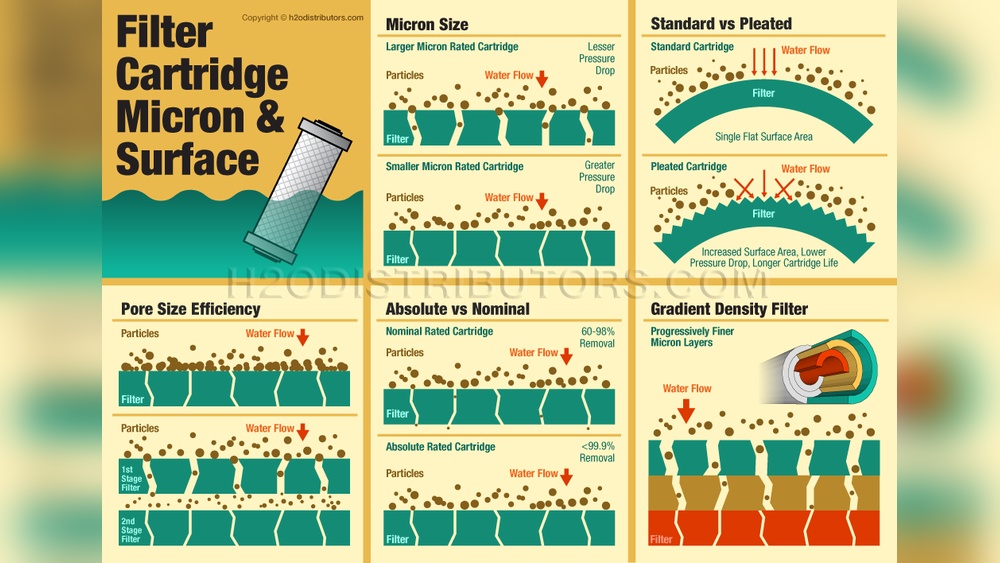
A micron rating measures the size of particles a filter can block. One micron equals one-millionth of a meter. Smaller micron numbers mean finer filtration. For example, a 5-micron filter traps larger particles than a 1-micron filter.
This rating shows the smallest particle size the filter removes. It helps decide if the filter suits your water issues.
Common Micron Ratings Explained
Filters typically range from 1 to 50 microns. A 50-micron filter catches sand and dirt. A 5-micron filter removes rust and sediment. A 1-micron filter can block bacteria and some parasites. Some filters go as low as 0.5 microns for finer protection.
Choosing the right micron rating depends on water source and contaminants present. Higher micron filters are less restrictive but remove fewer contaminants. Lower micron filters remove more but may reduce flow rate.
Choosing Micron Size For Contaminant Removal
Select a micron size based on the particles you want to remove. For sediment and dirt, 20 to 50 microns work well. For bacteria and cysts, choose 1 to 5 microns. For chemicals or viruses, consider filters with special media beyond micron ratings.
Use water test results to guide your choice. A smaller micron rating offers better protection but may need more frequent changes. Balance filtration needs with water flow and filter life.
Credit: www.starkefiltermedia.com
Types Of Water Filters
Water filters come in several types. Each type targets different contaminants. Choosing the right filter depends on the water source and needs.
Understanding filter types helps pick the correct size and model. Filters vary in size and function. Here are common types used in homes and businesses.
Sediment Filters
Sediment filters remove dirt, sand, and rust particles. They protect other filters and appliances. These filters usually have larger pore sizes.
Sediment filters come in various sizes. They are often the first filter in a system.
Carbon Filters
Carbon filters reduce chlorine, bad taste, and odors. They trap chemicals and organic compounds. These filters improve water flavor and safety.
Carbon filters vary in size and can be used alone or with others.
Reverse Osmosis Filters
Reverse osmosis filters remove many dissolved solids and contaminants. They use a thin membrane to separate impurities. These filters provide very clean water.
Reverse osmosis systems are larger and need space for tanks and membranes.
Multi-media Filters
Multi-media filters combine layers of different materials. They remove particles of varying sizes. These filters handle high sediment loads efficiently.
Sizes depend on media layers and water flow rates. They are common in large water treatment setups.
Measuring Your Water Filter Size
Measuring your water filter size is essential for finding the right replacement or upgrade. Accurate measurements help ensure your filter fits perfectly and works efficiently. Taking the right steps to measure your filter saves time and avoids errors. This guide breaks down the key methods to measure your water filter size easily.
Checking Cartridge Dimensions
Start by measuring the cartridge length and diameter. Use a ruler or tape measure for accuracy. Note the size in inches or centimeters. Check the cartridge label for any size information. Compare your measurements with product details to confirm compatibility.
Using Filter Size Charts
Filter size charts list standard cartridge sizes and dimensions. These charts help match your filter to available options. Find charts from manufacturers or online resources. Look for charts showing length, diameter, and thread size. Use these to select the right filter size without guessing.
Understanding Mesh And Decimal Inch Ratings
Mesh ratings show how fine the filter screen is. Higher mesh means smaller particles are filtered. Decimal inch ratings describe the pore size in inches. Both ratings affect filtering ability and water flow. Learn these ratings to pick filters that meet your needs precisely.
Sizing For Well Water Systems
Sizing for well water systems requires careful consideration of water quality and flow needs. Well water often contains unique contaminants that affect filter choice. Selecting the right size filter ensures effective removal of impurities and consistent water flow. Proper sizing avoids frequent replacements and maintains water pressure. This section explains typical contaminants, recommended filter sizes, and useful sizing tools for well water systems.
Typical Well Water Contaminants
Well water can contain sediment like sand, dirt, and rust. Iron and manganese are common minerals causing staining and taste issues. Bacteria and other microorganisms may be present in some wells. Hard water minerals like calcium and magnesium cause scale buildup. Chemicals from nearby agriculture or industry can also contaminate well water. Knowing these contaminants helps choose the right filter size and type.
Recommended Filter Sizes For Wells
Filters sized 5 microns or lower capture most sediment and rust particles. For iron and manganese, filters with catalytic or specialized media work best. Bacteria require filters rated at 1 micron or less, often combined with UV treatment. Flow rate matters; typical household wells need filters sized for 5 to 15 gallons per minute (GPM). Larger homes or farms might need bigger filters or multiple units to handle higher flow.
Sizing Calculators And Tools
Online sizing calculators help determine the correct filter size based on flow rate and contaminant level. Enter your well’s flow rate, water usage, and contaminant types to get recommended filter dimensions. Some tools also suggest filter micron ratings and replacement intervals. Using these tools reduces guesswork and ensures optimal filter performance. Many manufacturers provide free sizing guides on their websites.
Matching Filters To Water Quality
Matching the right water filter to your water quality is essential for effective purification. Different water sources contain different types and sizes of particles. Choosing a filter that suits your water ensures cleaner, safer water for daily use. Understanding your water’s condition helps you pick the best filter size and type.
Testing Your Water For Particles
Start by testing your water to know what it contains. Simple test kits can identify particles, sediments, and contaminants. You can also send a sample to a lab for detailed analysis. Knowing particle size and type guides you in selecting the correct filter. Testing helps avoid buying filters that do not match your water’s needs.
Selecting Filters By Particle Size
Particles in water vary from large sediments to tiny microorganisms. Filters must match these sizes for effective removal. Large particles require coarser filters, while small particles need finer filters. Choosing the right filter size improves water clarity and safety. Filtering particles too small or too large reduces filter lifespan and efficiency.
Micron Ratings Vs. Filtration Needs
Micron ratings measure the size of particles a filter can trap. Lower micron numbers mean finer filtration. For example, a 5-micron filter blocks larger particles than a 1-micron filter. Match micron ratings to your water’s particle sizes for best results. Filters with too low micron ratings may clog quickly with coarse water.
Credit: www.homedepot.com
Replacing And Maintaining Filters
Replacing and maintaining water filters is key to clean, safe drinking water. Filters trap dirt, chemicals, and other impurities. Over time, they get clogged and lose effectiveness. Regular care keeps your filter working well and extends its life.
Proper maintenance helps you avoid costly repairs. It also ensures water tastes fresh and pure. Knowing when to replace and how to handle old filters is important for every user.
When To Replace Filters
Replace filters according to the manufacturer’s instructions. Most filters last between three to six months. Some last longer depending on water quality and usage. Change the filter sooner if water flow slows down. Regular replacement keeps water clean and safe.
Signs Of Filter Wear
Watch for changes in water taste or smell. Cloudy or discolored water signals a worn filter. Reduced water pressure or slow flow also indicates wear. Sometimes, filters may leak or show visible damage. These signs mean it is time to replace the filter immediately.
Proper Disposal And Recycling
Dispose of used filters carefully. Many filters contain materials that can harm the environment. Check local recycling programs for filter disposal options. Some brands offer recycling programs for their filters. Proper disposal helps reduce waste and protect the planet.
Buying Tips For Water Filters
Choosing the right water filter size ensures clean and safe water for your home. Understanding key buying tips can help you avoid costly errors and pick the best fit. Knowing how to read product details and recognizing trusted brands makes the process easier.
Reading Product Specifications
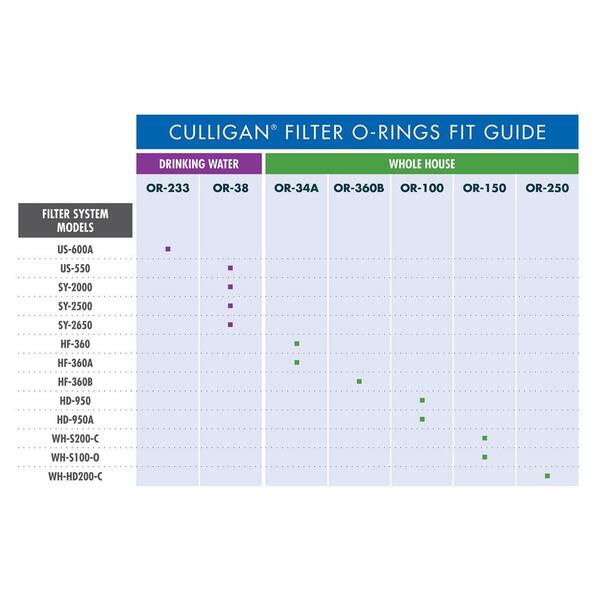
Check the filter size in inches or millimeters. Note the micron rating, which shows particle size the filter removes. A lower micron means finer filtration. Look for flow rate details to match your water use. Confirm compatibility with your existing system or faucet.
Avoiding Common Sizing Mistakes
Do not guess the filter size. Using the wrong size can cause leaks or poor filtration. Measure your current filter or system carefully. Avoid buying a filter too small or too large. Choose filters designed for your water type, such as well or city water.
Trusted Brands And Sources
Select brands with good reviews and proven quality. Buy from reputable stores or official websites only. Avoid unknown sellers to reduce risks of fake products. Trusted brands often provide clear sizing and usage instructions. This helps ensure long-lasting filter performance.

Credit: www.amazon.com
Frequently Asked Questions
How Do I Know What Size Water Filter To Buy?
Check your current filter’s dimensions or model number. Match it with your water system’s specifications. Consider micron rating for contaminant size. Use manufacturer guides or size charts online to find the exact fit. Proper sizing ensures effective filtration and system compatibility.
Do Water Filters Remove Cryptosporidium?
Yes, water filters with a micron rating of 1 or lower effectively remove Cryptosporidium cysts from water.
Which Is Finer, 5 Micron Or 25 Micron?
A 5 micron filter is finer than a 25 micron filter. It removes smaller particles more effectively.
Which Is Finer, 10 Or 20 Micron?
A 10-micron filter is finer than a 20-micron filter. It removes smaller particles for cleaner water.
Conclusion
Choosing the right water filter size ensures clean and safe water at home. Filters come in different sizes and micron ratings. Smaller micron numbers catch more tiny particles. Always match the filter size to your water needs. Check your system’s specifications before buying a filter.
Proper sizing helps your filter work better and last longer. Understanding these basics makes water filtration simple and effective. Clean water is important for health and daily life. Keep these tips in mind when selecting your filter size.

I am an outdoor enthusiast and gear researcher passionate about camping, hiking, backpacking, and outdoor adventures. I enjoy testing gear, comparing products, and sharing practical advice to help readers make informed decisions. At BestOutsideGear, I create honest gear reviews, buying guides, and outdoor tips to help adventurers choose the right equipment with confidence.