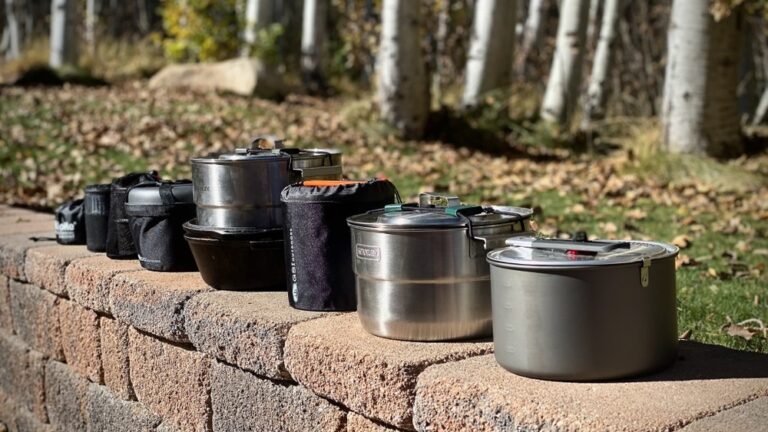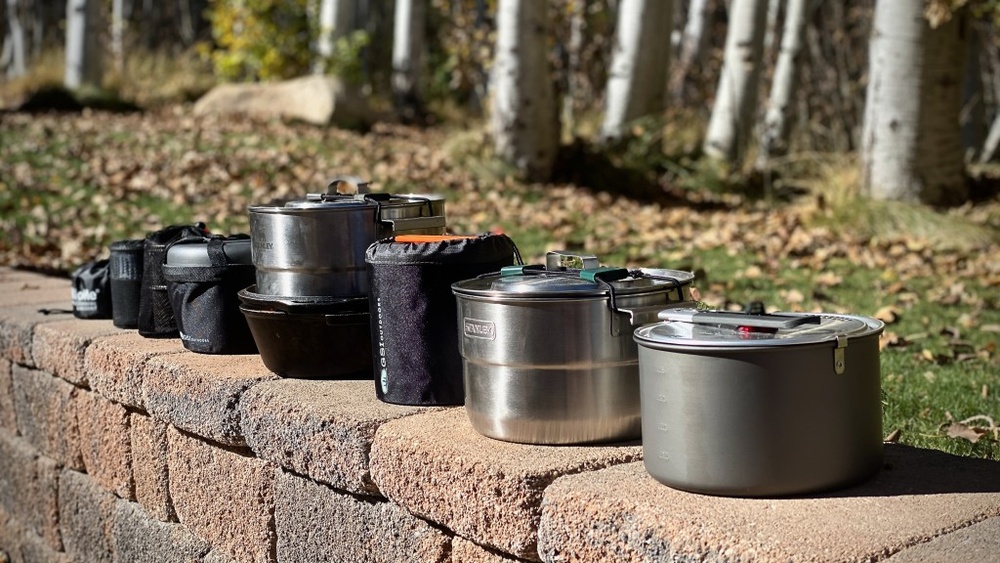
How to Cook Anywhere With Camping Pans While Travel
When you’re out in the wild, having the right camping pan can make all the difference between a tasty meal and a frustrating cooking experience. But how do you choose the best pan for your trip?
How do you pack it without adding extra weight or risking damage? And what tricks can help you cook like a pro, even on a small camp stove? If you’ve ever asked yourself these questions, you’re in the right place.
This guide will share simple, practical travel tips for camping pans that will save you time, space, and hassle — so you can focus on enjoying your adventure and delicious meals under the open sky. Keep reading to discover how to make your camping kitchen smarter and your outdoor cooking easier than ever.
Credit: www.outdoorgearlab.com
Choosing The Right Camping Pans
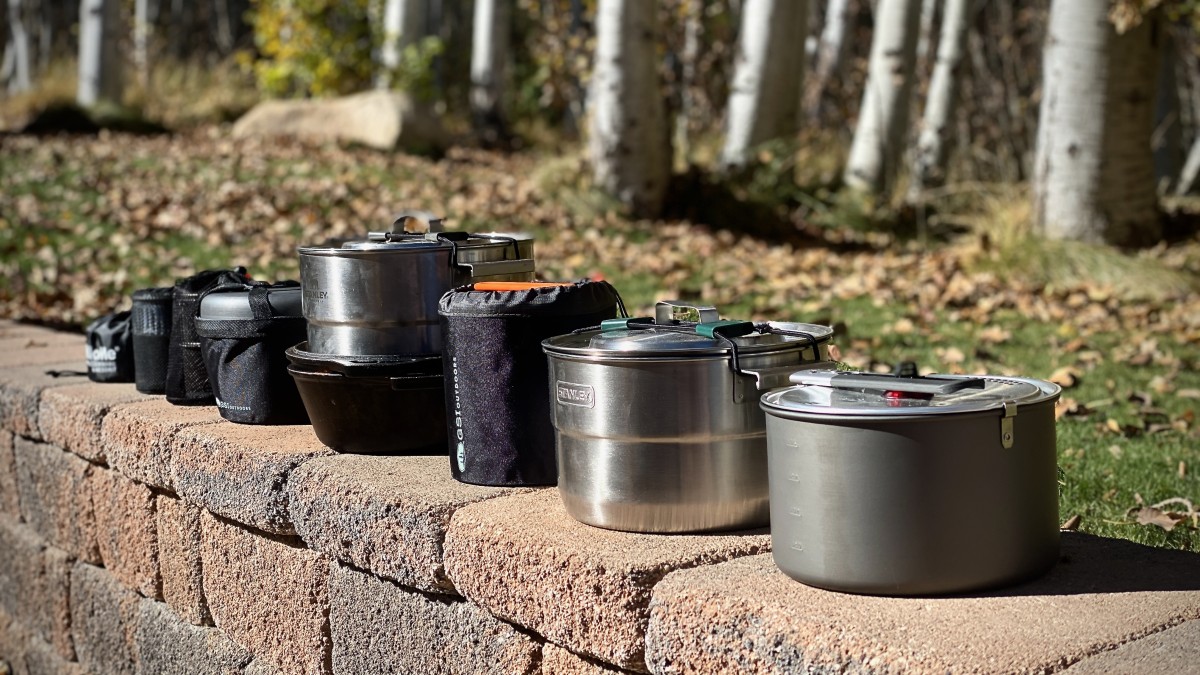
Essential camping cookware makes cooking outdoors simple and enjoyable. Choosing the right pots, pans, and tools saves space and weight in your pack. It also helps prepare tasty meals faster. Lightweight and durable materials work best for camping trips.
Organizing your cookware properly keeps your camp kitchen neat. Knowing what to pack avoids carrying extra items. Every piece should have a clear use to cut down on clutter.
Must-have Pots And Pans
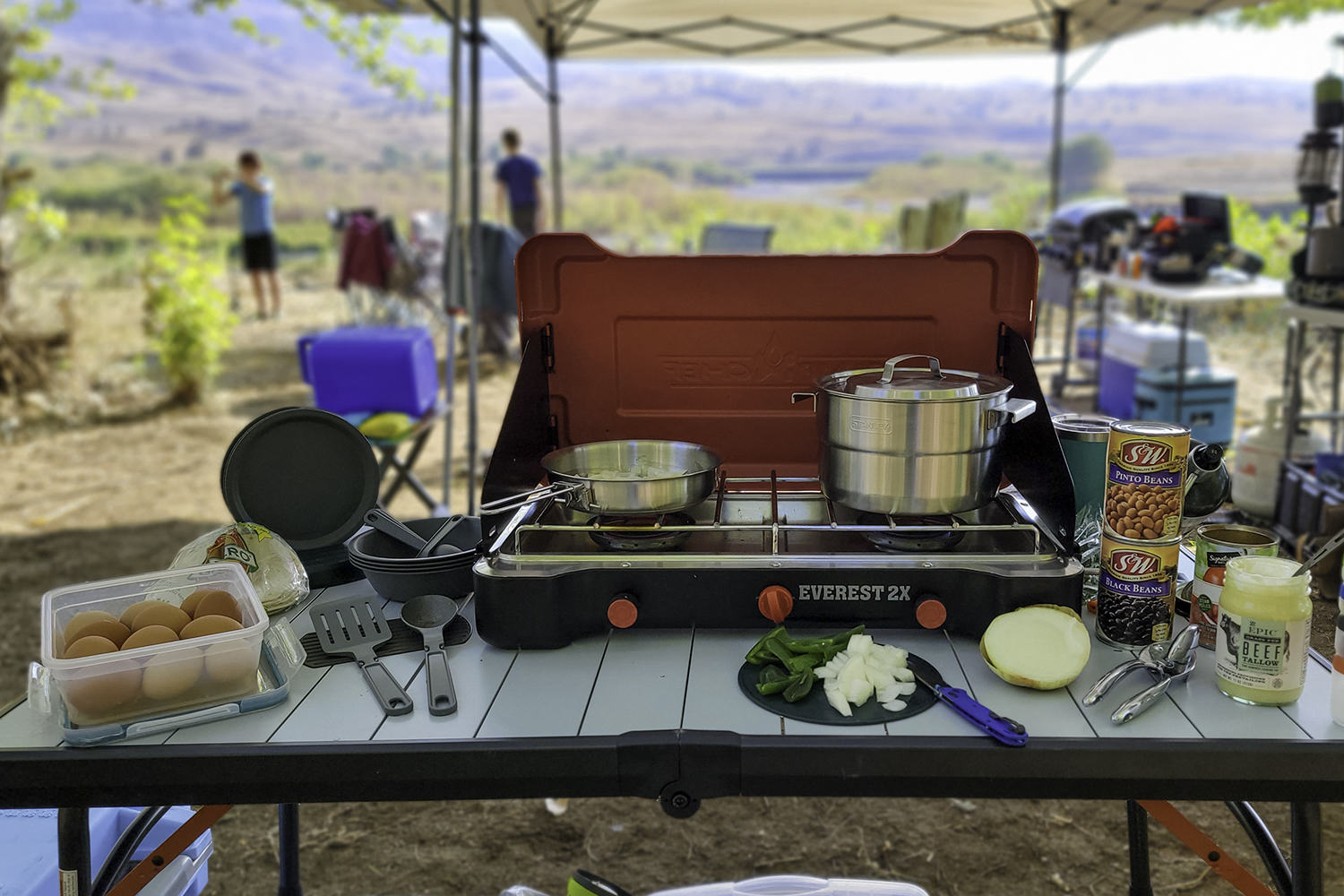
A small pot is perfect for boiling water and making soups. A frying pan handles eggs, pancakes, and stir-fries well. Choose cookware made from aluminum or titanium for lightness and quick heating. Non-stick surfaces make cleaning easier in the wild. Nesting pots and pans save space inside your backpack.
Multi-purpose Tools
Multi-use cookware reduces the number of items to carry. A pot that doubles as a bowl or a lid that works as a plate adds value. Collapsible kettles and foldable pans are space savers. Look for pieces that can handle various cooking tasks. This flexibility is key to light and efficient packing.
Utensils And Accessories
Bring essential utensils like a spatula, spoon, and fork. Choose lightweight, durable materials such as titanium or plastic. A sharp knife is a must for food prep. Compact cutting boards protect surfaces and improve safety. Don’t forget small accessories like pot holders and scrubbing pads for cleaning. These simple tools make cooking and cleanup easier in camp.
Credit: www.cleverhiker.com
Essential Camping Cookware
Packing and transporting camping pans requires careful planning. Proper organization saves space and protects your cookware. It also helps keep your camp kitchen neat. Follow these tips to pack your pans efficiently and safely. Your cooking gear will arrive ready for action.
Organizing Cookware Efficiently
Stack pans and pots by size to save room. Place lids separately to avoid damage. Use small containers for utensils and small items. Keep non-stick pans on top to protect their coating. Group similar items together for quick access at camp. Use cloth or paper towels between pans to prevent scratches.
Protecting Cast Iron And Fragile Items
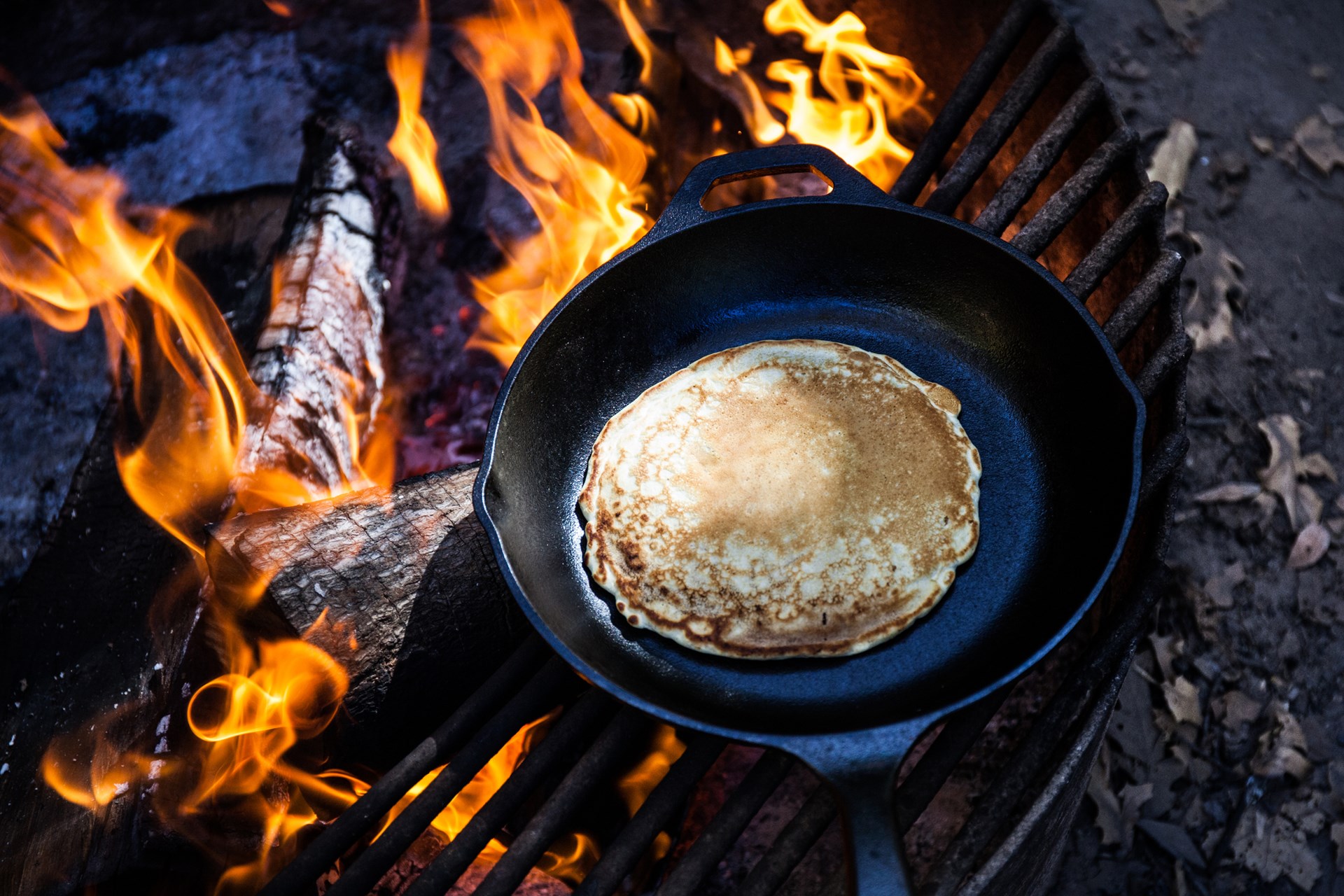
Cast iron pans need extra care during transport. Wrap them in thick cloth or towels. Avoid placing heavy items on top of cast iron. For glass or ceramic lids, use bubble wrap or soft cloth. Store fragile items in a hard container or box. Handle with care to keep your gear safe and ready.
Noise Prevention Techniques
Loose pans can create noise while traveling. Use shelf liners or foam sheets between pans to reduce rattling. Place rubber bands around handles to keep pans tight. Pack pans snugly to prevent movement. Keep lids secured with bungee cords or straps. These steps make your trip quieter and more pleasant.
Credit: koa.com
Frequently Asked Questions
What Are The Best Materials For Camping Pans?
Camping pans made of lightweight aluminum or titanium are ideal. They heat quickly, are durable, and easy to carry. Non-stick coatings help with easy cooking and cleaning in outdoor settings.
How Do I Clean Camping Pans Efficiently?
Use biodegradable soap and a sponge to clean pans. Avoid harsh chemicals that harm nature. Rinse with minimal water and dry thoroughly to prevent rust and odor.
How Should I Pack Camping Pans For Travel?
Stack pans by size and nest them inside each other. Wrap fragile pans in cloth or paper towels. Store them in a sturdy bag to avoid damage during transport.
Can I Use Cast Iron Pans For Camping?
Yes, cast iron pans are great for camping due to their heat retention. However, they are heavy and require seasoning and careful cleaning to prevent rust.
Conclusion
Camping pans make outdoor cooking easier and more enjoyable. Choose lightweight and durable pans for easy travel. Keep your pans clean to avoid stuck food and rust. Pack them carefully to prevent damage during your trip. Simple tips help you cook tasty meals in nature.
Enjoy your camping adventure with the right cookware and preparation. Happy camping and happy cooking!

I am an outdoor enthusiast and gear researcher passionate about camping, hiking, backpacking, and outdoor adventures. I enjoy testing gear, comparing products, and sharing practical advice to help readers make informed decisions. At BestOutsideGear, I create honest gear reviews, buying guides, and outdoor tips to help adventurers choose the right equipment with confidence.