Master Outdoor Cooking Guide Using Camping Pans
Are you ready to make your camping meals easier, tastier, and more enjoyable? Using camping pans might seem simple, but there’s a right way to get the most out of them.
Whether you’re a beginner or looking to sharpen your outdoor cooking skills, this step-by-step guide will walk you through everything you need to know. From choosing the right pan to cleaning it after use, you’ll gain confidence and tips that save time and avoid common mistakes.
Keep reading to discover how to turn your camping pans into your best cooking companion on every adventure!
Credit: www.aosom.com
Choosing The Right Camping Pan
Choosing the right camping pan can make your outdoor cooking easier and more enjoyable. A good pan should match your cooking style and trip needs. Consider key factors like materials, size, and cooking surface. These affect how well the pan performs and how easy it is to carry.
Materials And Durability
Camping pans come in various materials, each with pros and cons. Aluminum pans heat quickly and are lightweight. They suit short trips but may dent easily. Stainless steel pans are sturdy and resist rust. They last long but take more time to heat. Cast iron pans offer excellent heat retention and even cooking. They are heavy but very durable. Choose a material that fits your trip type and cooking style.
Size And Weight Considerations
Size matters for packing and cooking portions. Small pans save space and weight, ideal for solo trips. Larger pans cook more food but add bulk. Weight is crucial for backpackers who carry gear all day. Lightweight pans reduce fatigue but might sacrifice strength. Balance size and weight based on your group size and travel method.
Non-stick Vs Cast Iron
Non-stick pans are easy to clean and require less oil. They suit quick meals and beginners. Avoid metal utensils to keep the coating safe. Cast iron pans need seasoning but improve with use. They handle high heat and create a natural non-stick surface. Cast iron pans work well over open fires. Decide between ease of use and cooking versatility.
Preparing Your Pan For Use
Preparing your camping pan before use is essential for a great cooking experience outdoors. Proper preparation ensures your pan lasts longer and performs well. It also helps avoid sticking and uneven cooking. Follow simple steps to ready your pan for the campsite.
Cleaning Before First Use
Start by washing your new camping pan with warm water and mild soap. Use a soft sponge to remove any factory oils or dust. Rinse thoroughly and dry completely with a clean cloth. This step removes residues and prepares the surface for seasoning or cooking.
Seasoning Cast Iron Pans
Cast iron pans need seasoning to build a natural, non-stick surface. Apply a thin layer of cooking oil inside and outside the pan. Heat it on a stove or campfire until the oil smokes slightly. Let the pan cool and repeat this process two to three times. This creates a protective coating that improves cooking and prevents rust.
Oiling And Heating Tips
Before each use, add a small amount of oil to your pan and spread it evenly. Heat the pan gradually to avoid warping or damage. Use medium heat to warm the pan before cooking. This helps food cook evenly and reduces sticking. After cooking, clean and dry the pan, then apply a light coat of oil for storage.
Setting Up Your Outdoor Cooking Space
Setting up your outdoor cooking space is the first step in a smooth camping meal experience. A well-organized area keeps you safe and makes cooking easier. It saves time and reduces stress. Follow these simple steps to prepare your cooking spot for using camping pans.
Selecting A Safe Cooking Spot
Choose a flat area away from dry grass and low branches. Avoid windy places that can blow flames or sparks. Pick a spot close to your tent but not too near. Make sure there is enough space to move around safely. Clear the ground of leaves, sticks, and rocks before setting up.
Arranging Your Cooking Gear
Organize your pans, utensils, and ingredients within reach. Place heavier items on a sturdy surface to prevent spills. Keep your cooking tools separate from food storage to avoid contamination. Use containers or bags to keep your gear tidy. Arrange everything so you can cook comfortably and quickly.
Managing Heat Sources
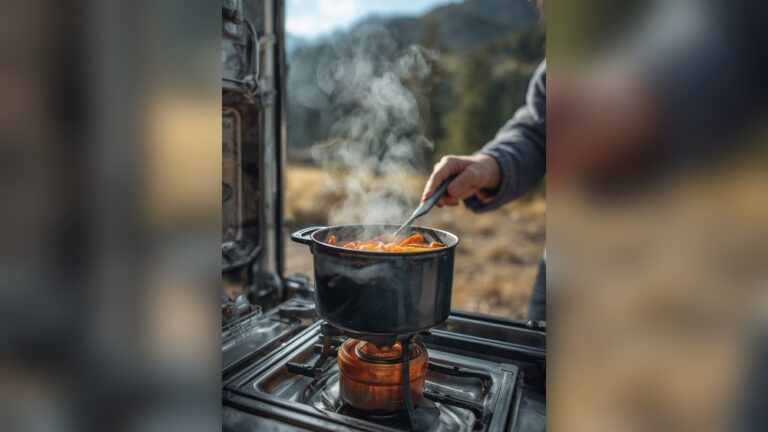
Use a stable grill or portable stove designed for camping. Keep a bucket of water or sand nearby for emergencies. Adjust the heat carefully to avoid burning food or pans. Never leave the heat source unattended. After cooking, make sure the fire or stove is fully extinguished.
Cooking Techniques With Camping Pans
Cooking with camping pans opens many opportunities outdoors. It lets you prepare meals easily while enjoying nature. Knowing basic cooking techniques helps you cook safely and deliciously. These methods work well on campfires or portable stoves.
Understanding heat control and cooking styles improves your camp kitchen experience. You can cook various foods like eggs, veggies, or meat with confidence. Let’s explore key techniques for using camping pans effectively.
Direct Fire Cooking
Place your camping pan directly on hot coals or flames. This method gives strong heat fast. Use pans made of cast iron or thick metal to avoid damage. Keep the pan stable and watch food closely to prevent burning. Move the pan away from flames if food cooks too fast.
Using Camp Stoves
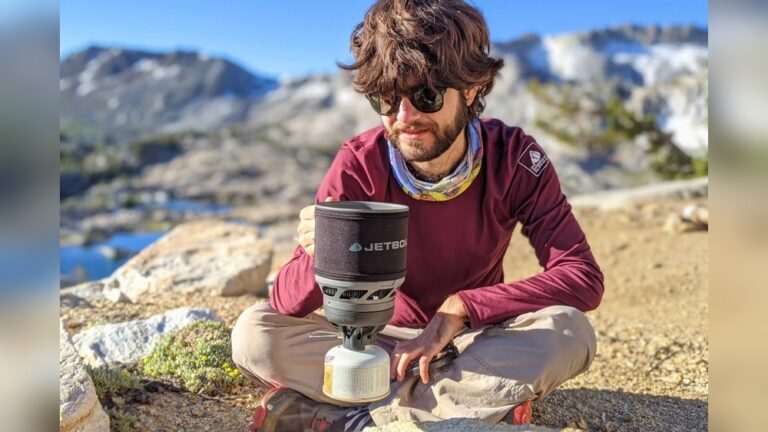
Camp stoves offer controlled heat for cooking. Set your pan on the stove burner carefully. This technique is cleaner and safer than an open fire. It works well for boiling water and frying. Make sure to use stoves on flat surfaces to keep pans steady.
Adjusting Heat Levels
Control heat by changing the pan’s position or flame size. Move the pan closer to or farther from the heat source. Turn stove knobs to increase or lower the flame. Adjusting heat helps cook food evenly and prevents burning. Patience is key to perfect camp cooking.
Essential Recipes For Camping Pans
Camping pans are a must-have for outdoor cooking. They make meal prep easy and fun. Using the right recipes helps you enjoy tasty food with little effort. This section shares essential recipes that work well with camping pans. They cover breakfast, dinner, and snacks. Each recipe keeps cooking simple and quick.
These recipes suit any camping trip. They use few ingredients and simple steps. You can cook over a campfire or portable stove. Try these ideas to make your camping meals better.
Quick Breakfast Ideas
Start your day with fast and filling meals. Scrambled eggs with veggies cook well in camping pans. Add some cheese or cooked bacon for extra taste. Pancakes are also easy to make. Use a simple batter and cook until golden. Serve with syrup or fresh fruit. Oatmeal with nuts and dried fruit is another warm option. It heats quickly and keeps you full.
One-pot Dinners
One-pot meals save space and time. Cook rice or pasta with canned beans and vegetables in your pan. Add spices or sauce for flavor. A simple stir-fry with meat and veggies works great too. Use pre-cut ingredients to reduce prep. Soups and stews can simmer slowly over the fire. They warm you up and fill you up after a long day.
Simple Snacks And Sides
Snacks and sides add variety to your camp meals. Toast nuts or seeds in your pan for a crunchy treat. Sauté chopped potatoes with herbs for a tasty side dish. Grilled cheese sandwiches cook quickly and please all ages. Sliced veggies can be lightly cooked or warmed. These easy recipes fit well with any camping menu.
Cleaning And Maintaining Camping Pans
Proper cleaning and maintenance keep camping pans safe and ready for every adventure. Dirt, food bits, and grease can build up quickly after cooking outdoors. Removing these residues helps pans last longer and perform better.
Regular care also prevents rust and damage, especially for metal pans. Learning simple cleaning steps ensures your pans stay in top shape. Follow easy techniques to protect your gear and enjoy cooking on the go.
Post-cooking Cleaning Tips
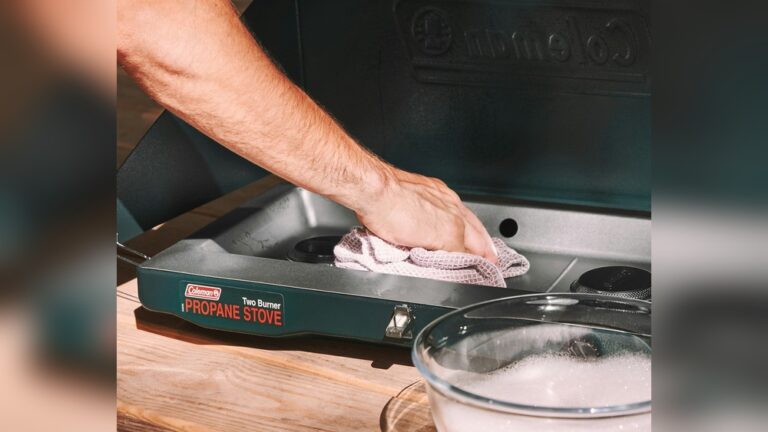
Clean pans as soon as cooking finishes. Warm water softens stuck food and grease. Use a soft sponge or cloth to wipe pans gently. Avoid harsh scrubbing that can scratch surfaces. Mild soap works well but rinse thoroughly to remove soap taste. Dry pans fully to stop rust and stains.
Removing Stubborn Residue
For tough residue, soak pans in warm water. Add a little baking soda for extra cleaning power. Let pans sit for 15 to 30 minutes. Scrub gently with a non-abrasive brush or sponge. Avoid steel wool or metal scrubbers that harm pans. Repeat if needed until pans are clean.
Storage And Protection
Store pans in a dry place to avoid moisture damage. Stack pans with paper towels or cloth between them. This prevents scratches and dents. For cast iron pans, apply a light coat of oil before storage. Keep lids separate or use pan protectors. Proper storage extends the life of your camping pans.
Packing And Organizing Cookware
Packing and organizing cookware is a key step for a smooth camping trip. Proper packing saves space and protects your pans from damage. Well-organized cookware makes cooking faster and easier at the campsite. Planning how to pack your pans helps you avoid mess and stress during travel.
Space-saving Techniques
Choose nesting pans that fit inside each other. Stack smaller pans inside bigger ones to save room. Use soft cloth or towels between pans to prevent scratches. Store lids separately or place them inside the largest pan. Use bags or containers to keep all pieces together and neat. Arrange your cookware near other camping gear for easy access.
Protecting Pans During Travel
Wrap pans in cloth or bubble wrap for extra protection. Avoid placing heavy items on top of your cookware. Use a sturdy box or hard container to hold your pans. Secure pans tightly to stop them from moving around. Check for sharp edges and cover them to prevent damage. Clean pans before packing to avoid stains and odors.
Essential Accessories To Bring
Bring pot holders or heat-resistant gloves for safe handling. Pack a small sponge and biodegradable soap for cleaning. Include utensils like spatulas, spoons, and tongs for cooking. Carry a lightweight cutting board for food prep. Take a small funnel or oil dispenser for easy pouring. Don’t forget a lid lifter or pan scraper for convenience.

Credit: numberartist.com
Credit: www.firepit.co.uk
Frequently Asked Questions
What Are The Best Camping Pans For Beginners?
For beginners, lightweight and non-stick camping pans are ideal. They heat evenly and clean easily, making outdoor cooking simple and efficient.
How Do I Clean Camping Pans After Use?
Clean pans with warm water and mild soap. Avoid harsh abrasives to preserve the pan’s coating and ensure longevity.
Can I Use Camping Pans On Open Flames?
Yes, most camping pans are designed for open flames. Ensure your pan is flame-resistant and maintain safe cooking practices.
How To Season A Camping Pan Properly?
Season by heating the pan and applying a thin layer of oil. This creates a non-stick surface and prevents rust.
Conclusion
Using camping pans can make outdoor cooking simple and fun. Follow each step carefully for best results. Clean and season your pans before use to avoid food sticking. Cook meals evenly by managing heat properly. Always clean pans right after cooking to keep them in good shape.
With practice, you will cook tasty meals on every trip. Enjoy your camping adventures with confidence and great food. Simple tools and good habits make all the difference outdoors. Keep experimenting and learning to improve your camp cooking skills.

I am an outdoor enthusiast and gear researcher passionate about camping, hiking, backpacking, and outdoor adventures. I enjoy testing gear, comparing products, and sharing practical advice to help readers make informed decisions. At BestOutsideGear, I create honest gear reviews, buying guides, and outdoor tips to help adventurers choose the right equipment with confidence.