How Cold is Too Cold to Camp in a Tent? Expert Guide
Camping in cold weather can be thrilling and peaceful. The quiet of the forest, the crisp air, and the beauty of a snowy landscape can create memories you’ll never forget. However, camping when temperatures drop too low is not just uncomfortable, it can be dangerous. If you’ve ever wondered how cold is too cold to camp in a tent, you’re not alone. Let’s break down what “too cold” really means, what affects your comfort and safety, and how to make smart choices for your next outdoor adventure.
Understanding “too Cold”: The Basics
There’s no single answer for everyone. What feels unbearable to one person might be manageable for another. But for most campers, camping in a tent becomes risky when nighttime temperatures fall below 20°F (-6°C). At this level, hypothermia and frostbite risks increase, especially if you’re not experienced or well-prepared.
For beginners, 32°F (0°C) is often the lower limit for a safe and enjoyable trip. Below freezing, special gear and knowledge are required. Even experienced winter campers rarely go much below -10°F (-23°C) without serious preparation.
Key factors affecting cold tolerance:
- Personal experience and fitness
- Quality of sleeping bag and pad
- Type of tent and its insulation
- Wetness, wind, and humidity
- Duration of exposure
Temperature Ranges And What To Expect
It helps to look at typical temperature ranges and how they affect camping safety and comfort.
| Temperature Range (°F) | Camping Experience | Risks/Considerations |
|---|---|---|
| 50–65 | Very comfortable for most campers | Minimal risk, easy to stay warm |
| 35–50 | Cool, but manageable with standard gear | Chill at night, but low risk if dry |
| 20–35 | Cold, requires good gear and experience | Possible frost, watch for condensation |
| 0–20 | Serious winter camping only | High risk of hypothermia; frostbite possible |
| Below 0 | Extreme; only for experts | Dangerous without specialized equipment |
Practical insight: Wind and humidity can make it feel much colder. A 25°F night with wind will feel much harsher than a calm 15°F night.
The Science Of Staying Warm
To understand how cold is too cold, it’s important to know how your body loses heat in a tent. The main ways are conduction, convection, radiation, and evaporation.
- Conduction: You lose body heat to the cold ground if your sleeping pad isn’t thick enough.
- Convection: Cold air moving inside your tent (from wind or ventilation) pulls warmth away from your body.
- Radiation: Your body naturally radiates heat to the colder environment.
- Evaporation: If you sweat or are damp, your body will lose heat quickly as moisture evaporates.
Non-obvious tip: The ground is often much colder than the air. Most campers focus on sleeping bags, but a poor sleeping pad will sap your warmth even in mild cold.
Essential Gear For Cold Weather Camping
Choosing the right gear is the single most important factor for safe cold-weather camping. Here’s what matters most:
Sleeping Bags
- Temperature rating: Always choose a sleeping bag rated at least 10°F colder than the expected low.
- Insulation type: Down is lighter and warmer but loses insulation when wet. Synthetic is heavier but insulates better when damp.
- Shape: Mummy bags trap heat better than rectangular ones.
Sleeping Pads
A high R-value (insulation rating) pad is crucial. Two regular pads (foam + inflatable) often work better than one thick pad.
Tents
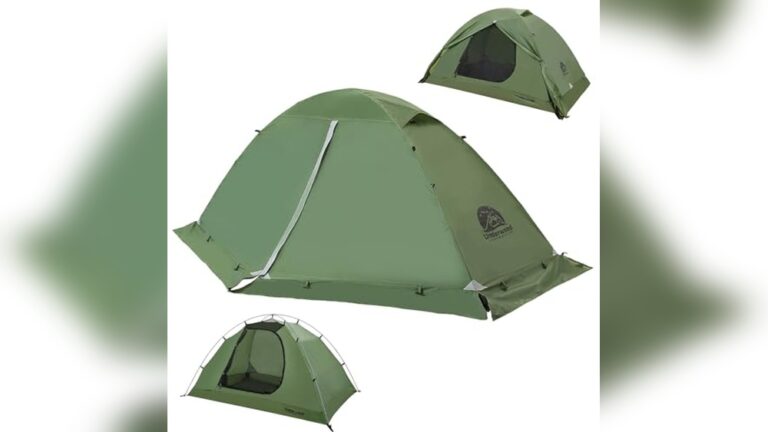
- Four-season tents are built for snow and wind, but a three-season tent is fine above 20°F if sheltered.
- Ventilation is key to prevent condensation, which can soak your gear and chill you.
Clothing
- Layers: Base (moisture-wicking), mid (fleece or wool), and outer (windproof and waterproof).
- No cotton: It holds moisture and will make you cold.
- Extra socks and gloves are essential.
Other Items
- Chemical hand warmers
- Insulated water bottles
- Warm hat and balaclava

Credit: www.appalachianoutfitters.com
How To Decide: Is It Too Cold For You?
Here’s a simple process to help you decide if it’s too cold to camp in a tent:
- Check the forecast: Look at both the *low* temperature and expected wind chill.
- Review your gear: Is your sleeping bag and pad rated for the lowest possible temp?
- Know your experience: If you’ve never camped below freezing, don’t start below 32°F.
- Consider your health: Medical conditions (like asthma or heart issues) are worse in cold.
- Plan your exit: Always have a backup plan if things get colder than expected.
Real-world example: Many campers are surprised by how much colder a 30°F night feels in a tent compared to at home. Even with a 20°F sleeping bag, poor insulation from the ground can leave you shivering.
Risks Of Camping When It’s Too Cold
Camping in temperatures that are too cold for your gear or experience can lead to serious health risks:
Hypothermia
When your body loses heat faster than it can produce, your core temperature drops. Shivering, confusion, and loss of coordination are signs of hypothermia. If not treated, it can become life-threatening.
Frostbite
Frostbite happens when skin and tissues freeze, usually on fingers, toes, ears, or nose. It can lead to permanent damage if not quickly warmed.
Dehydration
Cold air is dry, and you may not feel thirsty. But you’re still losing water through breath and sweat. Dehydration increases risk of cold injuries.
Poor Sleep And Decision-making
Cold makes it hard to sleep, which affects your mood and judgment. Simple tasks become harder and mistakes more likely.
Practical Strategies To Camp Safely In The Cold
If you decide to camp in cold weather, planning and preparation are everything. Here’s how to stay safe:
Site Selection
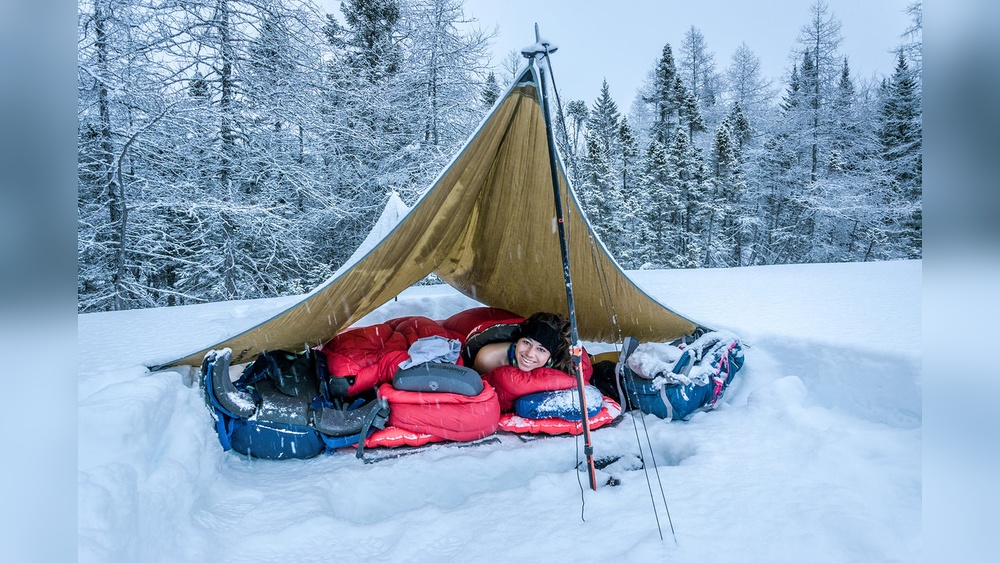
Choose a campsite protected from wind. Avoid low spots where cold air pools. Trees can act as windbreaks, but watch for hazards like dead branches.
Tent Setup
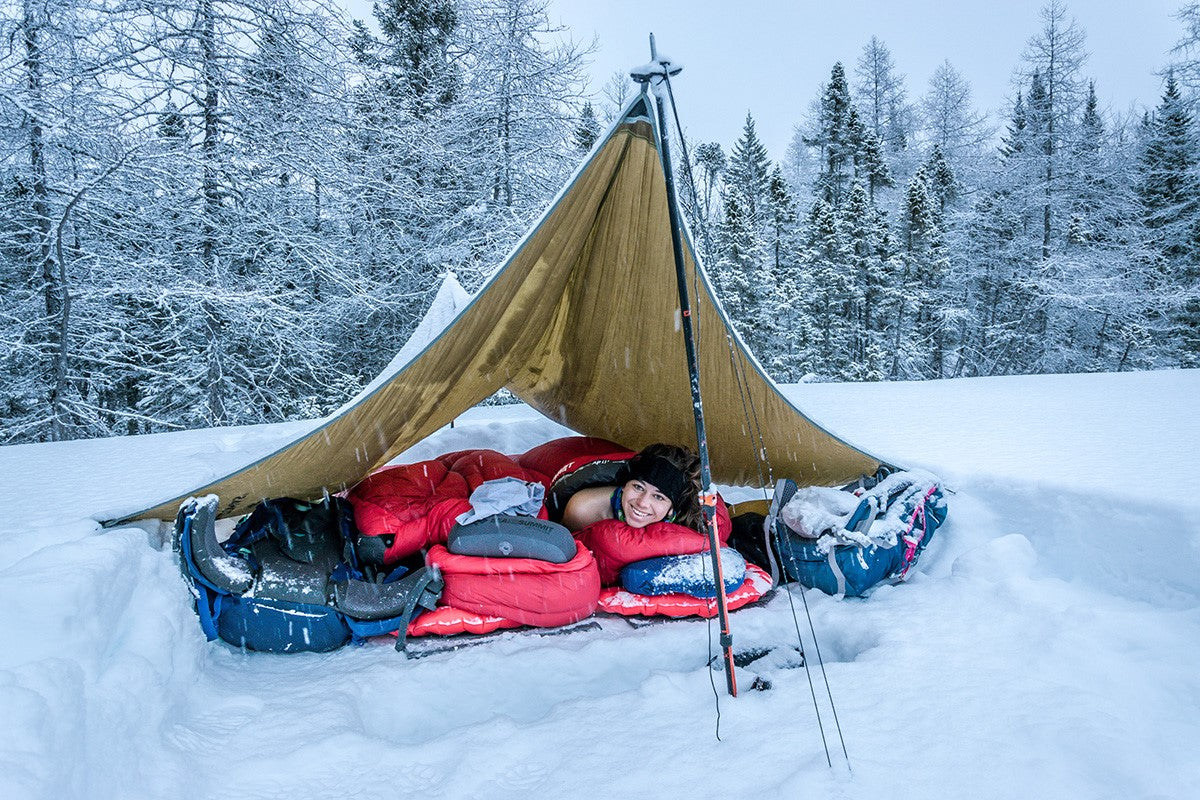
- Pitch your tent on top of an insulating layer, like a foam pad or extra tarp.
- Build a small snow wall or use natural features to block wind.
- Keep your tent ventilated to prevent condensation.
Nighttime Warmth
- Eat a hot meal before bed to fuel your body.
- Change into dry clothes before sleeping.
- Fill a water bottle with hot (not boiling) water and keep it in your sleeping bag.
- Wear a hat, as much heat is lost through your head.
Morning Routine
Getting out of a warm sleeping bag is tough. Keep gloves and a warm layer inside the bag with you so they’re not freezing in the morning. Make hot drinks as soon as possible to warm up.
Comparing Gear: What Matters Most
Here’s a comparison of sleeping bags and sleeping pads commonly used in cold weather camping.
| Gear | Temperature Rating | Pros | Cons |
|---|---|---|---|
| Down Sleeping Bag | -10°F to 20°F | Lightweight, compressible, very warm | Loses warmth when wet, expensive |
| Synthetic Sleeping Bag | 0°F to 30°F | Warms when damp, cheaper | Heavier, bulkier |
| High R-Value Pad | R-5 and above | Excellent insulation from ground | More expensive, heavier |
| Basic Foam Pad | R-2 to R-3 | Cheap, reliable, adds backup insulation | Not warm enough alone for below freezing |
Non-obvious insight: Combining two sleeping pads (foam plus inflatable) often gives much better insulation than using just one expensive pad, and can save you money.

Credit: www.youtube.com
When To Cancel Your Trip
Even with all the right gear and knowledge, sometimes it’s best to call it off. Here are signs you should reconsider:
- The forecast calls for sub-zero temperatures (-0°F / -18°C or colder)
- Strong winds or blizzard warnings are issued
- You or your group feel unwell or unprepared
- Your gear is not specifically rated for the expected conditions
No trip is worth risking your health. There’s no shame in rescheduling.
Cold Camping Myths: What People Get Wrong
“a Four-season Tent Is All You Need.”
Four-season tents are stronger and better in wind and snow, but they don’t provide much insulation. Warmth comes from your body and your sleeping system, not the tent walls.
“you Can Always Warm Up With A Campfire.”
Fires can be hard to start in deep cold or wet conditions, and you can’t rely on them all night. Never plan to depend on a fire for your safety.
“alcohol Keeps You Warm.”
Alcohol may make you *feel* warm, but it actually drops your core temperature and increases the risk of hypothermia.
Credit: seatosummit.eu
Data: How Common Are Cold Weather Injuries?
According to the Centers for Disease Control and Prevention (CDC), about 1,300 deaths per year in the US are linked to cold exposure, including hypothermia. Most happen when people are unprepared or exposed for too long. For campers, most cold injuries happen between 20°F and 32°F, often due to unexpected weather changes or inadequate gear.
Advanced Tips For Experienced Campers
If you plan to camp in temperatures below 20°F, here are strategies used by seasoned winter campers:
- Sleep with electronics and water bottles in your sleeping bag to prevent freezing.
- Dig a snow trench or build a snow shelter for added insulation.
- Eat high-fat snacks before bed to keep your metabolism working overnight.
- Test all gear at home in cold conditions before heading into the backcountry.
Useful Resources
For more details about cold-weather safety and preparation, check out the CDC’s guide on Extreme Cold Safety.
Final Thoughts
So, how cold is too cold to camp in a tent? For most people, the answer is any temperature below 20°F (-6°C), unless you have top-notch gear and experience. Beginners should avoid camping below freezing until they have the right equipment and knowledge. Always check the forecast, prepare for the worst, and don’t be afraid to change plans if conditions look risky.
Camping in the cold can be rewarding, but it’s not worth risking your health or safety. With the right preparation, you can push your limits safely—and enjoy the beauty of the outdoors, no matter how chilly it gets.

I am an outdoor enthusiast and gear researcher passionate about camping, hiking, backpacking, and outdoor adventures. I enjoy testing gear, comparing products, and sharing practical advice to help readers make informed decisions. At BestOutsideGear, I create honest gear reviews, buying guides, and outdoor tips to help adventurers choose the right equipment with confidence.