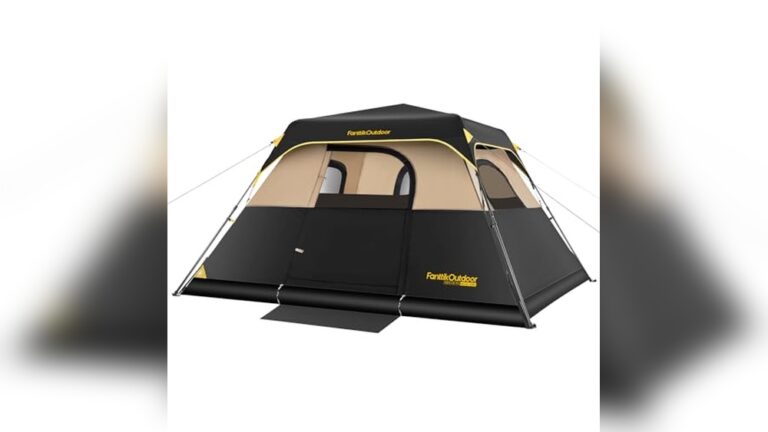
What Color Tent is Best for Camping? Expert Guide
The color of your camping tent might seem like a small detail, but it can make a big difference in your comfort, safety, and experience outdoors. Many campers just pick a tent based on price or size, but color affects everything from temperature inside the tent to how visible you are in an emergency.
If you want to choose the best tent color for your camping trips, it’s worth understanding how each option works in different situations.
Why Tent Color Matters
Tent color isn’t just about style. It affects many important factors:
- Heat absorption: Dark colors absorb more sunlight, making the tent hotter inside. Light colors reflect sunlight, keeping things cooler.
- Visibility: Some colors stand out against natural backgrounds, while others blend in. This affects how easy it is for others to spot you.
- Privacy: The color and thickness of tent fabric can make it easier or harder to see inside at night.
- Wildlife and insects: Certain colors attract bugs or animals more than others.
- Psychological effects: Colors can affect mood and sleep quality. For example, bright red may feel stimulating, while blue feels calm.
Most tent buyers don’t realize how color impacts these aspects until they experience problems firsthand. For example, a black tent can feel like an oven on a sunny day, while a bright yellow tent might attract more bugs. Thinking carefully about color can prevent these issues.
Common Tent Colors And Their Effects
Let’s look at the most popular tent colors and how they perform in real camping situations.
| Color | Heat Absorption | Visibility | Privacy | Bug Attraction |
|---|---|---|---|---|
| White | Low | High | Low | Medium |
| Yellow | Medium | Very High | Low | High |
| Blue | Medium | Medium | Medium | Low |
| Green | Low | Low | High | Medium |
| Orange | Medium | Very High | Low | High |
| Red | High | High | Medium | Medium |
| Gray | Medium | Low | High | Low |
| Black | Very High | Low | High | Low |
This table shows how different tent colors perform in key areas. If you camp in hot places, avoid black or red tents. If you want to be visible to rescuers, bright orange or yellow is best. For privacy, green or gray tents offer more protection.

Credit: www.rei.com
How Tent Color Affects Temperature
One of the most important effects of tent color is temperature control. Tents absorb and reflect sunlight differently depending on their color.
- Dark tents (black, red): Absorb more heat. On sunny days, these tents can be up to 10–15°F hotter inside than light-colored tents.
- Light tents (white, yellow, light gray): Reflect sunlight. They stay cooler during the day but may feel cold at night.
For example, if you camp in the desert or in summer, a black tent can quickly become uncomfortable. In colder climates, a dark tent may help keep you warmer, but the difference is usually not enough to replace good insulation.
Practical Tip
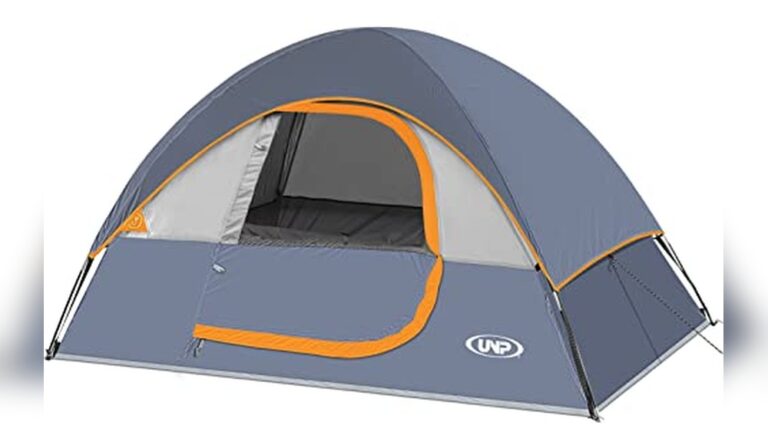
If you expect both hot days and cold nights, choose a tent with a neutral color like gray or blue. These colors balance heat absorption and reflection, making them a good all-purpose choice.
Visibility: Safety And Privacy
Visibility is another key factor. It’s important for two reasons: safety and privacy.
- High-visibility tents: Bright colors like orange or yellow are easy to spot from far away. This is useful if you camp in areas where rescue may be needed, or if you want your tent to be easy to find in a crowded campground.
- Low-visibility tents: Green, brown, or gray tents blend in with forests and mountains. They are good for stealth camping or if you want privacy.
Here’s a simple comparison of visibility in different environments:
| Color | Forest | Mountain | Beach | Snow |
|---|---|---|---|---|
| Green | Blends in | Blends in | Stands out | Stands out |
| Orange | Stands out | Stands out | Stands out | Stands out |
| Gray | Blends in | Blends in | Blends in | Stands out |
| Yellow | Stands out | Stands out | Stands out | Blends in |
| White | Stands out | Stands out | Blends in | Blends in |
If you hike in forests, a green or gray tent may be hard for rescuers to find. For mountain or snow camping, orange is almost always the safest choice.
Non-obvious Insight
Some campers believe that blending in is always best for privacy. But in remote locations, blending in can make rescue harder in emergencies. Always consider the balance between privacy and safety.
Bug And Wildlife Attraction
Tent color can also affect how much you deal with bugs and animals.
- Bright yellow and orange tents: Attract more insects, especially mosquitoes and flies. This is because many bugs are drawn to bright colors.
- Blue and green tents: Attract fewer bugs. These colors mimic natural surroundings and are less visible to insects.
- Dark tents: Sometimes attract spiders or ants, but not flying insects.
Studies show that mosquitoes are especially attracted to yellow and orange. If you’re camping in buggy areas, avoid these colors. For example, in tropical regions, a blue tent can make nights more comfortable.
Practical Tip
If you must use a bright tent for visibility, keep the tent closed and use insect repellent around the entrance. This simple habit can save you from many bites.
Psychological Effects: Mood And Sleep
Color affects mood more than most people realize. After a long hike, your tent is your resting place. The color inside can change how you feel.
- Blue and green: Calming, help with relaxation and better sleep.
- Red and orange: Energizing, can feel overstimulating after a day outdoors.
- Gray: Neutral, but can feel dull if the weather is cloudy.
- White and yellow: Bright, cheerful, but can feel harsh in strong sun.
Some campers report better sleep in blue or green tents. If you have trouble sleeping outdoors, avoid tents with red or orange interiors.
Non-obvious Insight
Tent color outside may not match the color inside. For example, some tents are green outside but white inside. Always check the tent’s interior color before buying, especially if sleep is a priority.

Credit: www.amazon.ae
Environmental Impact Of Tent Color
While most people focus on comfort and safety, tent color also affects the environment.
- Bright colors: Can disrupt wildlife. Animals may avoid areas with unnatural colors.
- Neutral colors: Blend in, causing less disruption. This is important for leave-no-trace camping.
If you camp in protected areas, choose green or brown tents. This helps minimize human impact on nature.
Choosing The Best Tent Color For Your Situation
There’s no single best color for all camping trips. Instead, consider your main needs:
- Hot weather: Choose white, light gray, or blue.
- Cold weather: Choose dark gray, green, or black.
- Emergency safety: Choose bright orange or yellow.
- Privacy: Choose green or gray.
- Bug-heavy locations: Choose blue or green.
- Leave-no-trace camping: Choose brown or green.
If you’re not sure, gray and blue are versatile choices for most situations. They offer balance, good privacy, and reasonable temperature control.

Credit: dancheloutdoor.com
Tent Color And Group Camping
When camping in a group, tent color can help with coordination.
- Use different colors for each tent to make it easy to find your own.
- For large campsites, bright colors help group members spot each other.
Some families choose a single color for all tents for easy recognition. Others mix colors for fun and visibility.
Real-world Examples
- Mountaineering: Most expedition tents are bright orange. This makes them easy to spot in snow and rocky terrain, where visibility is critical.
- Forest camping: Hunters and stealth campers choose green or brown tents to avoid detection.
- Beach camping: White or yellow tents reflect sunlight, keeping them cooler under direct sun.
A practical example: In 2021, a group lost in the Canadian Rockies was rescued because their orange tent was visible from a helicopter. If they had used a green tent, rescue would have been slower.
Comparing Tent Color Choices By Activity
Here’s a quick summary for different camping activities:
| Activity | Recommended Color | Why |
|---|---|---|
| Backcountry hiking | Orange/Yellow | High visibility for safety |
| Beach camping | White/Blue | Stays cool under sunlight |
| Forest camping | Green/Gray | Blends in for privacy |
| Winter camping | Orange/Red | Stands out against snow |
| Wildlife viewing | Green/Brown | Minimizes disruption |
The activity and location decide which color works best. For most beginners, starting with a neutral color like gray or blue offers flexibility.
Common Mistakes When Choosing Tent Color
- Ignoring location: Picking a color without considering the environment can lead to discomfort or safety risks.
- Focusing only on style: Many buyers choose tents for looks, but performance matters more.
- Not checking interior color: The inside color affects mood and sleep.
- Overlooking bug attraction: Picking yellow or orange for style, then suffering from insects.
- Using low-visibility colors in risky areas: Privacy is important, but safety comes first.
Avoid these mistakes by thinking about where you’ll camp and what matters most for your trip.
Final Guidance
When choosing a tent color, always match it to your camping plans. If you camp often in different places, a gray or blue tent is the safest bet. If you camp in extreme conditions or remote areas, prioritize visibility with bright colors. For privacy and environmental protection, stick with neutral earth tones.
Remember, tent color isn’t just about personal taste. It affects your comfort, safety, and even your impact on nature. By thinking ahead, you can avoid common problems and enjoy your trips more.
For more scientific detail about color and heat absorption, you can check the Wikipedia article on color temperature.
The next time you shop for a tent, pay close attention to color. It’s a simple choice that can save you from discomfort, improve your safety, and help you camp responsibly.
I am an outdoor enthusiast and gear researcher passionate about camping, hiking, backpacking, and outdoor adventures. I enjoy testing gear, comparing products, and sharing practical advice to help readers make informed decisions. At BestOutsideGear, I create honest gear reviews, buying guides, and outdoor tips to help adventurers choose the right equipment with confidence.